In the world of entertainment, specifically onscreen, conversations about Black representation are often double-edged: On one side, there’s the tokenism imposed on a people who were long denied control over their own narratives; on the other, there’s the powerful reclamation of all that was stripped away, and then some. That’s the dual discourse at the heart of “Seen & Heard,” HBO’s two-part exploration of the history of Black representation on television.
Executive-produced by Issa Rae and directed and produced by Giselle Bailey and Phil Bertelsen, the docuseries combs through the origins of Black images in TV and their cultural legacy, as told by some of the leaders of our television movement.
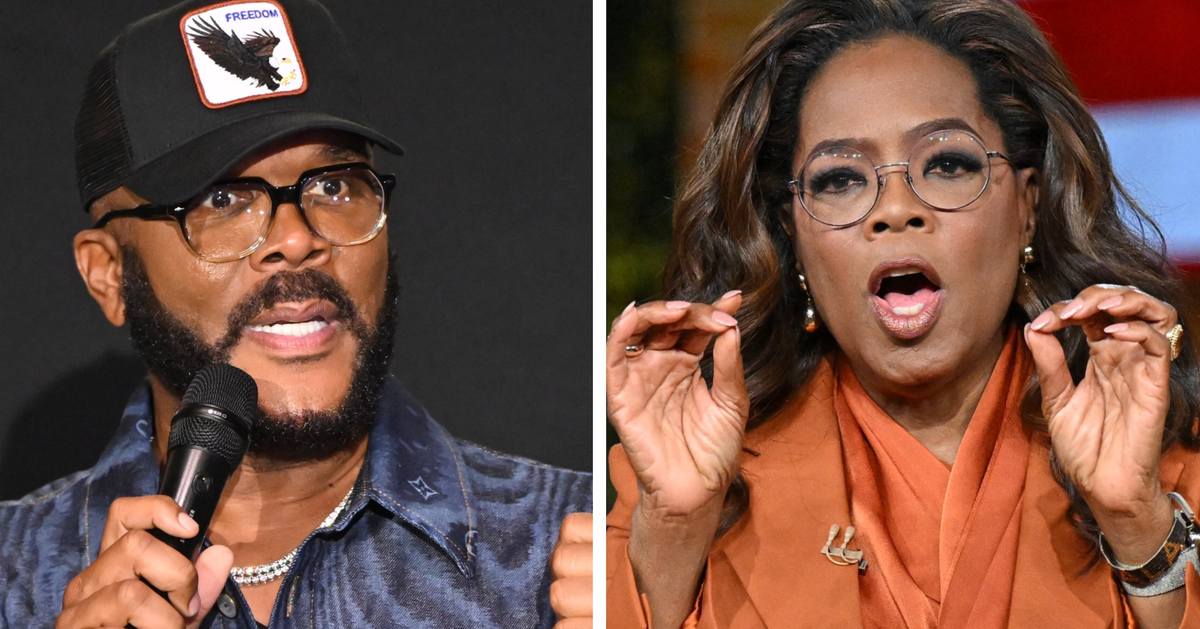
Oprah Winfrey, Tyler Perry, Shonda Rhimes, Debbie Allen and Mara Brock Akil are just some of the figures in the doc who reflect on their contributions to a cultural landscape that didn’t always possess the nuance and authenticity that Black storytelling calls for. That’s because our stories were once shaped mainly by white TV creators and writers who did not know how to write with us in mind.
A prime example of that is highlighted in Part 1, as 1970s staples like “Good Times” and “The Jeffersons,” produced by the late Norman Lear (who’s also featured in the doc), were praised for introducing new portrayals of working-class Black families into living rooms across America. Still, like many shows of the time that featured Black people, they were not immune to stereotypes.