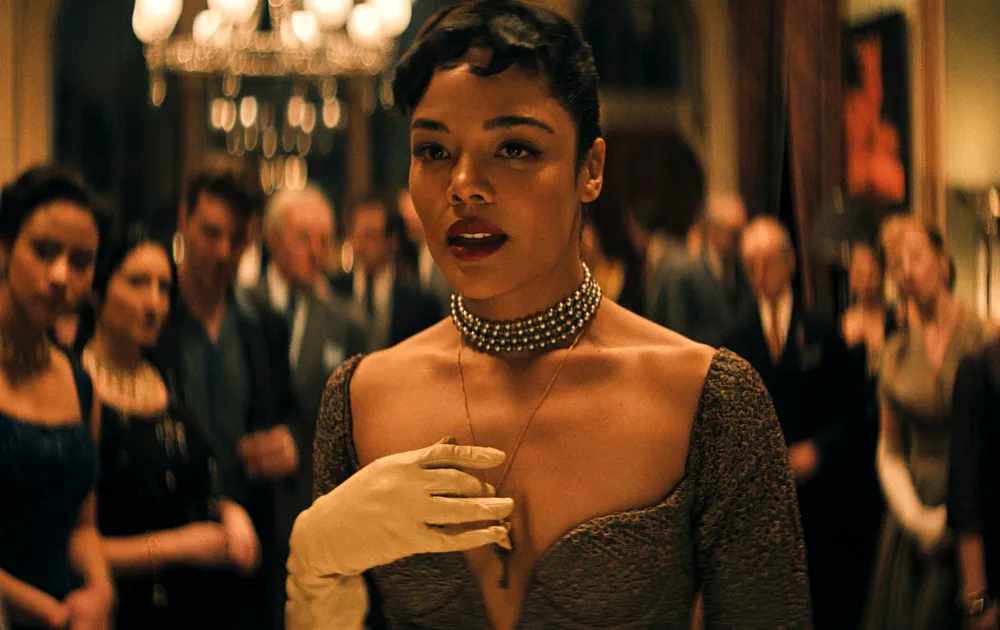
In the wake of discourse surrounding Teyana Taylor’s Perfidia in One Battle After Another, a familiar debate has resurfaced about what happens when Black women play morally ambiguous characters on screen
I
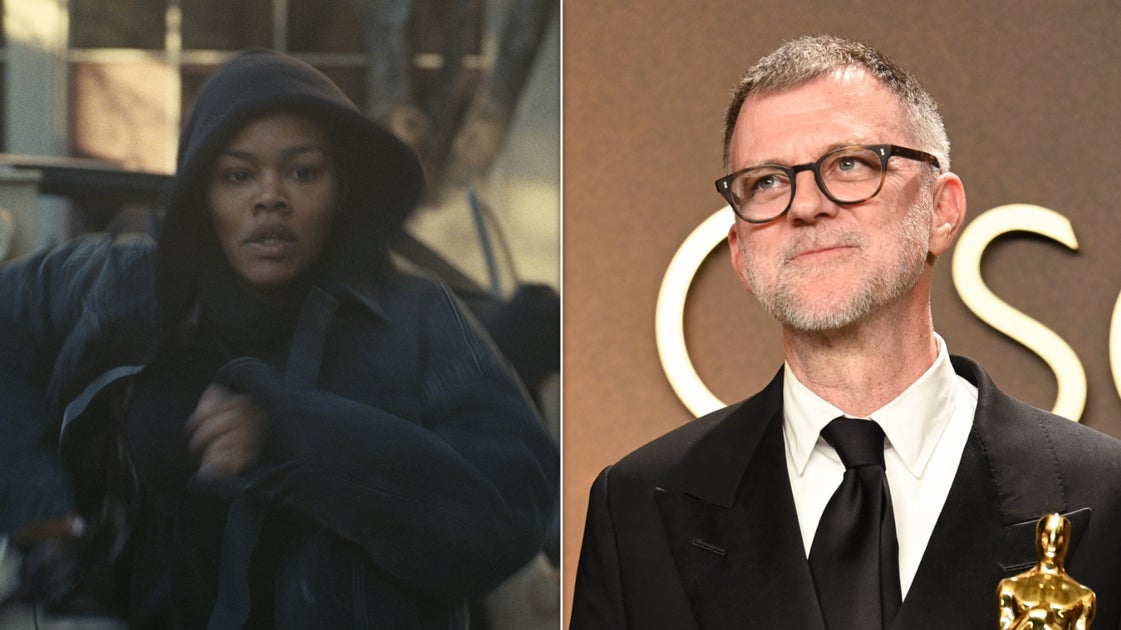
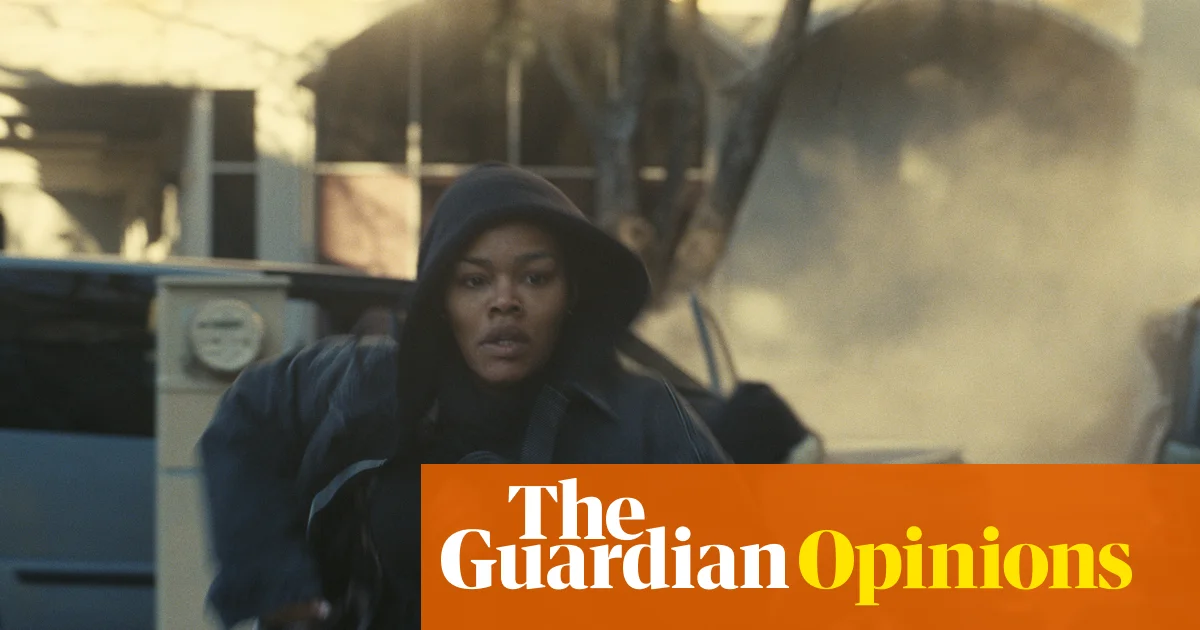
n one scene in Paul Thomas Anderson’s One Battle After Another, Teyana Taylor’s character, Perfidia Beverly Hills, is more focused on seducing Leonardo DiCaprio’s Bob Ferguson (then still known as “Ghetto Pat”) than on the bomb exploding just feet away from them. In another scene, she holds Sean Penn’s Steven J Lockjaw at gunpoint while simultaneously provoking an erection. These are some of the perceived brazen, morally slippery choices Perfidia makes that have unsettled some viewers since the movie’s premiere.
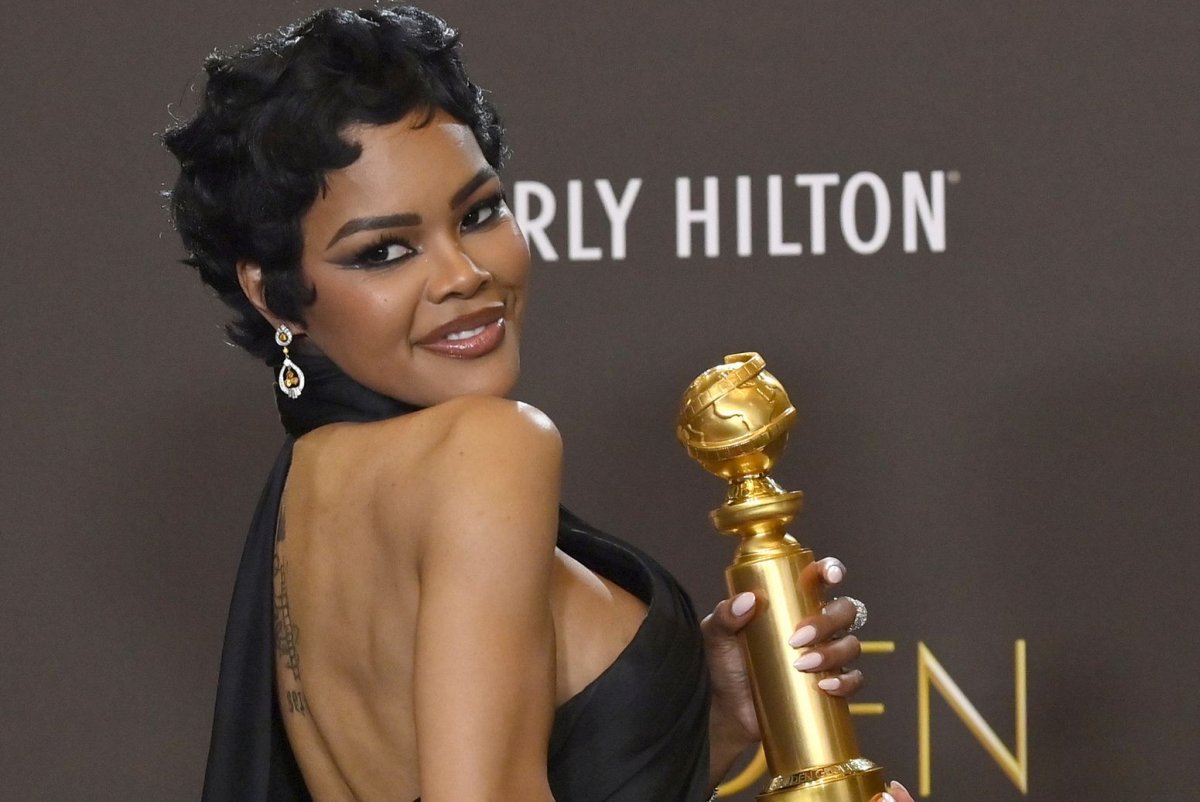
“I absolutely hate what this means for the representation of Black women in Hollywood,” YouTuber and cultural commentator Jouelzy said in a video posted a day after Taylor won the Golden Globe award for best supporting actress. “So often the institutional powers that be only reward us for portrayals that are stereotypical characters of Black women. One Battle After Another was such an offensive film.”
Jouelzy’s critique reflects one strand of the debate that has followed the film since its September premiere and intensified after Taylor’s Golden Globe win. Perfidia appears for roughly 35 minutes in the three-hour film, but her presence looms large in the story and in the conversation around it. Across TikTok and YouTube, thousands of videos dissect the character’s behaviour and symbolism.