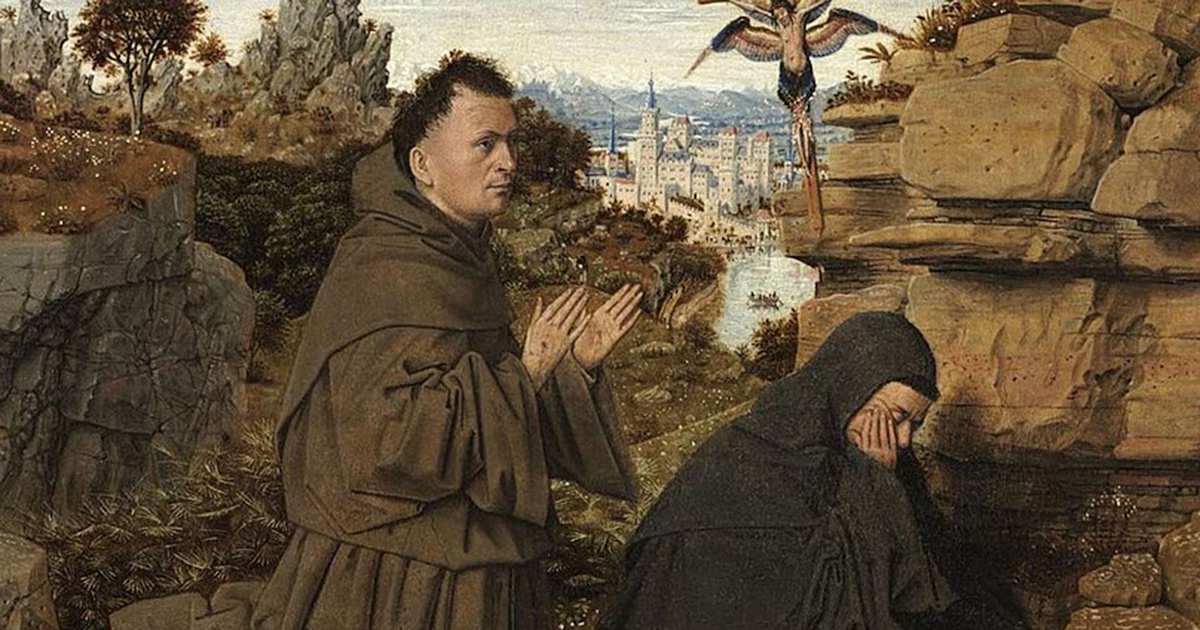
Tests on both versions of Saint Francis of Assisi Receiving the Stigmata were unable to detect brushstrokes of 15th-century master
An analysis of two paintings in museums in the US and Italy by the 15th-century Flemish artist Jan van Eyck has raised a profound question: what if neither were by Van Eyck?
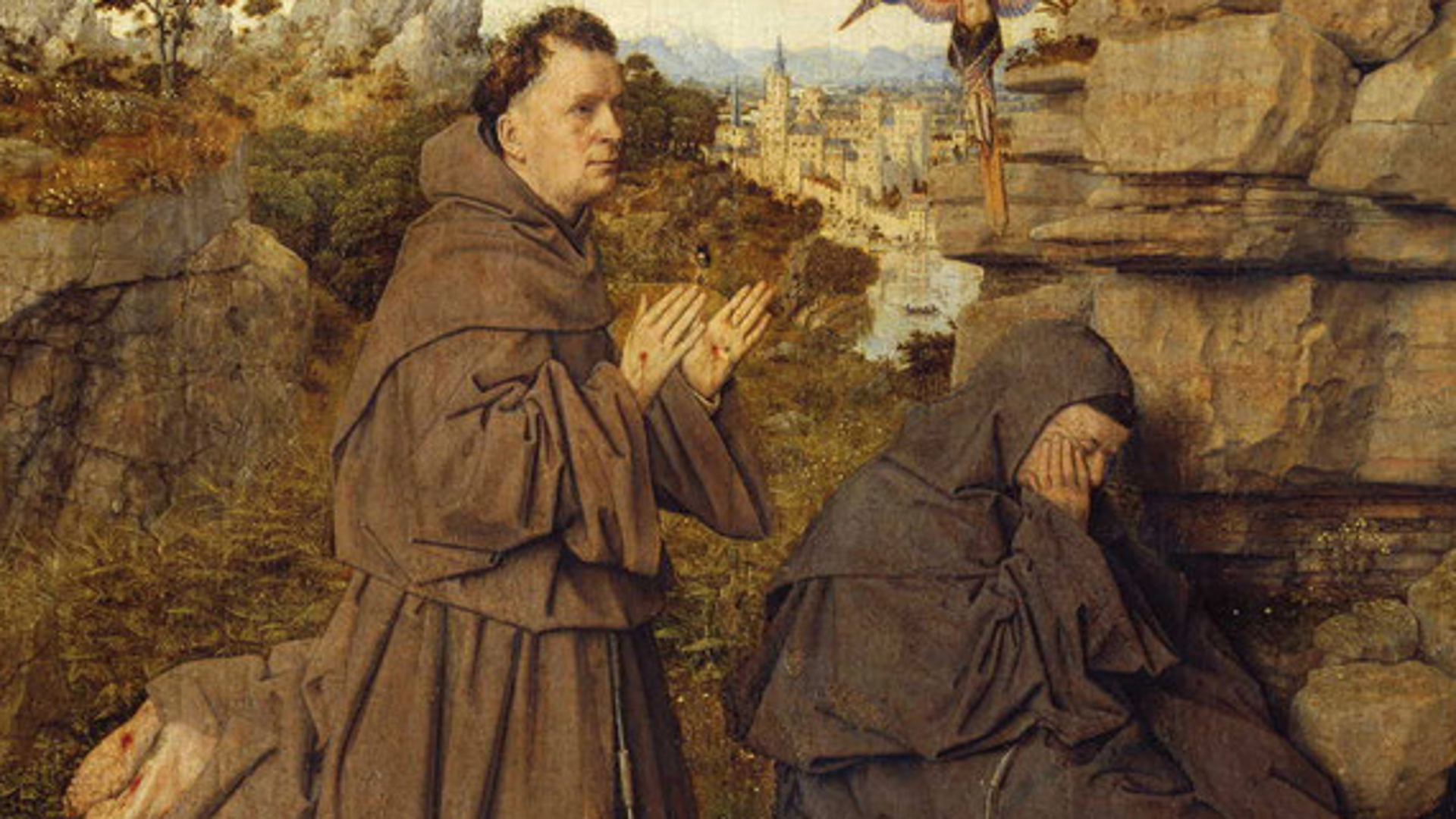
Saint Francis of Assisi Receiving the Stigmata, the name given to near-identical unsigned paintings hanging in the Philadelphia Museum of Art and the Royal Museums of Turin, represent two of the small number of surviving works by one of western art’s greatest masters, revered for his naturalistic portraits and religious subjects.
The only problem is that neither version may actually be by his hand.
Scientific tests involving artificial intelligence on the paintings conducted by Art Recognition, a Swiss company that collaborates on research with Tilburg University in the Netherlands, has been unable to detect any of Van Eyck’s brushstrokes. It has concluded that the Philadelphia picture was “91% negative” and that the Turin version was “86% negative”.