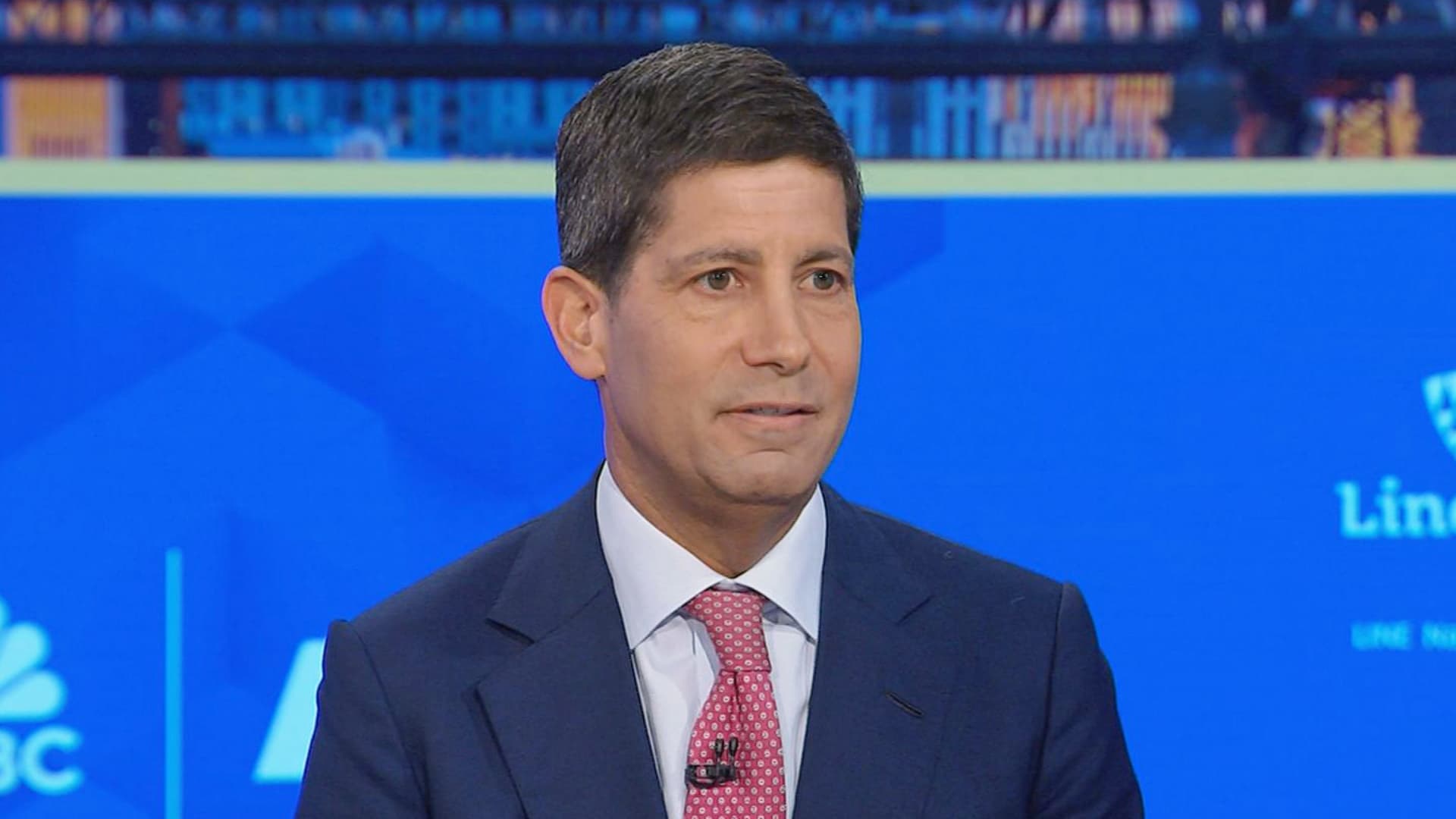
The debate since President Trump nominated Kevin Warsh as his next Fed Chair has centered on whether Mr. Warsh will line up with the administration’s call for lower rates. That would be easy enough. The larger question is what magic he’ll have to cut policy rates while simultaneously shrinking the Fed’s massive holdings of Treasuries–and how he’ll do both without market mayhem that threatens the Fed’s self-mandated “financial stability”?
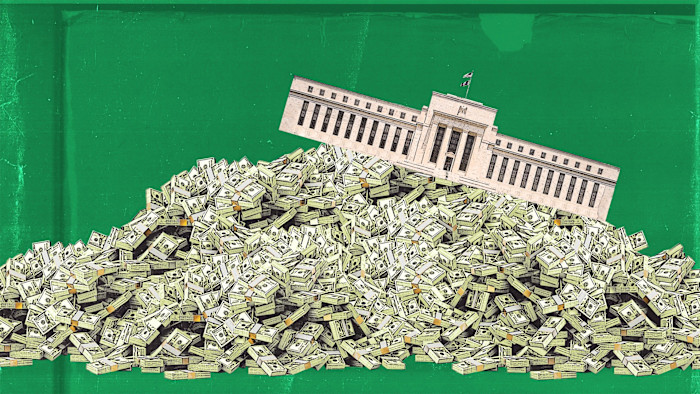
Businesses and households care less about the Fed’s policy rate for overnight loans. They want to know how much “term premium” they’re required above the policy rate to borrow for longer. Bond markets set that price, not the Fed—unless they want to keep yields artificially low buy buying the bonds themselves. That’s the lazy solution that has been used for the past 17 years, exploding the Fed’s balance sheet holdings from $800 billion to almost $9 trillion between the ’08 financial crisis and COVID, and it’s still $6.6 trillion today after inflation-induced “tightening”.
Having followed Kevin Warsh’s thinking for years, I believe he makes a solid case for reducing the Fed’s holdings and letting private markets price duration risk. He resigned from the Fed Board in 2011 precisely because he opposed the continuation of quantitative easing—the policy of Fed buying long-dated Treasuries and mortgage-backed securities to suppress yields. He argued then, and has repeated since, that QE created a dangerous dependency: financial markets addicted to central bank liquidity, lawmakers enabled to pile on debt without consequence, and a misallocation of capital that planted seeds for future instability. “My overriding concern about continued QE,” Warsh said in 2018, “involves the misallocations of capital in the economy and the misallocation of responsibility in our government.”