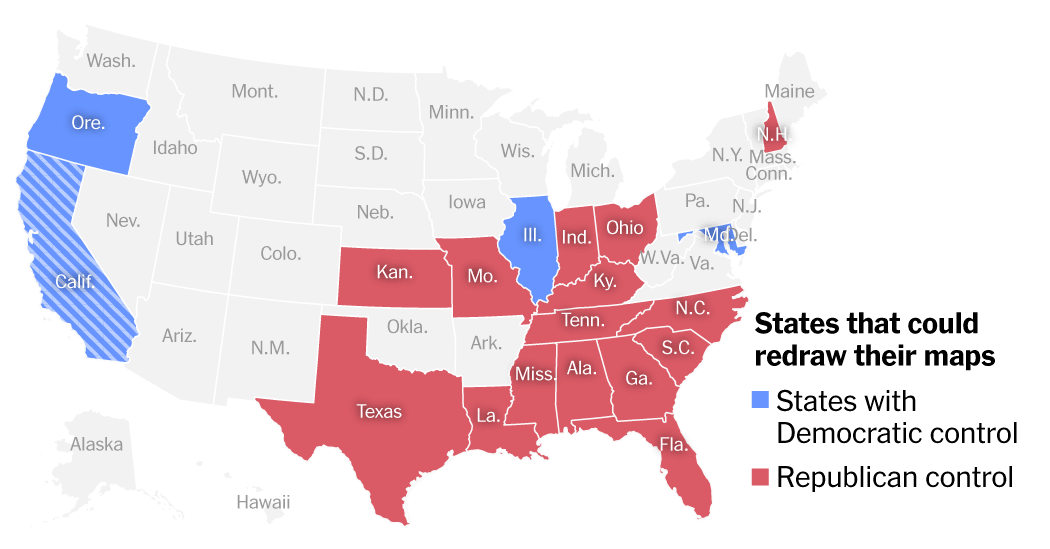
WASHINGTON – The jockeying between Republicans and Democrats for advantage in the 2026 congressional elections continues after the Supreme Court refused to review California’s redistricting plan, as another seven states are in the midst of redrawing maps for partisan gains.
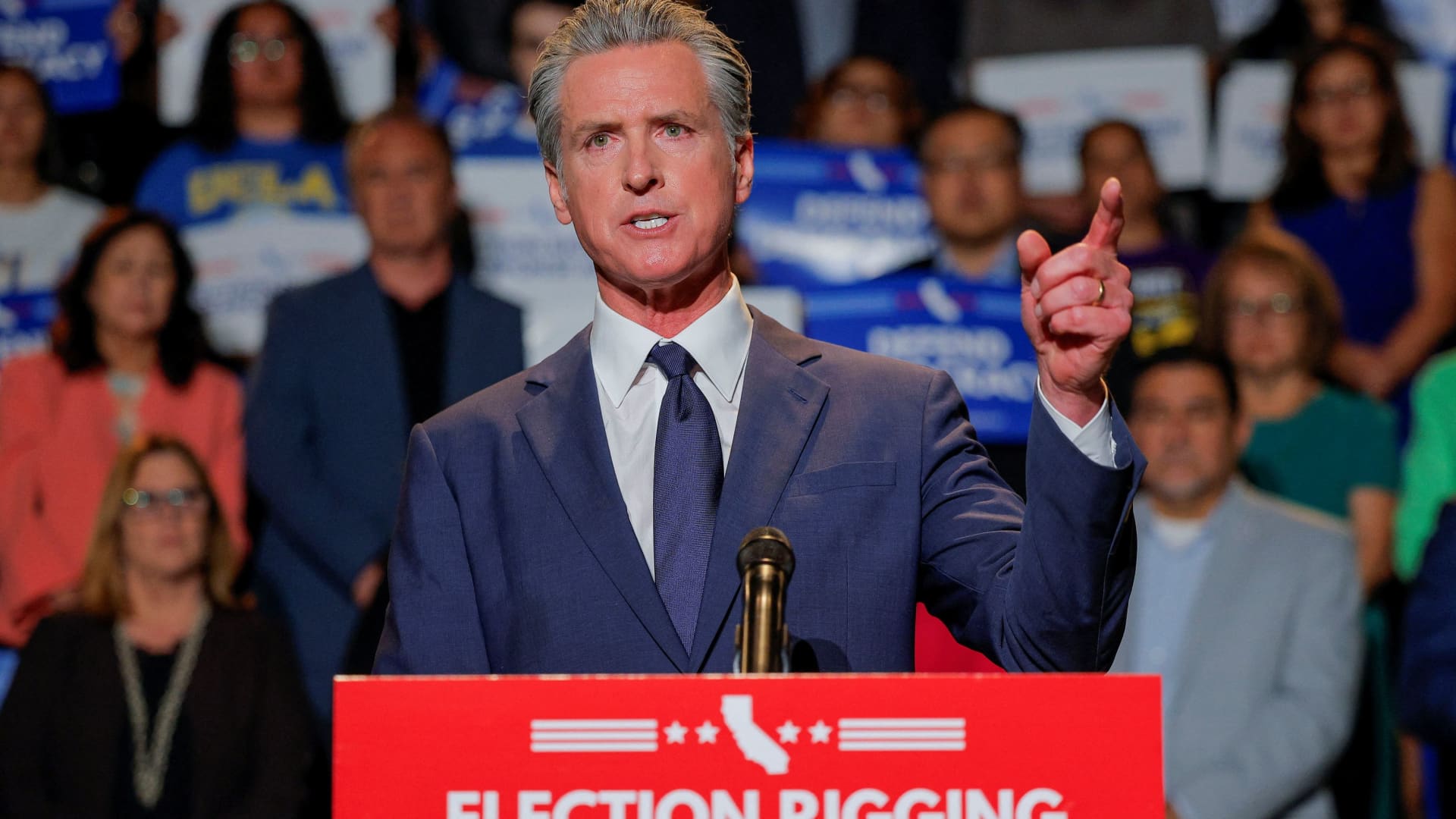
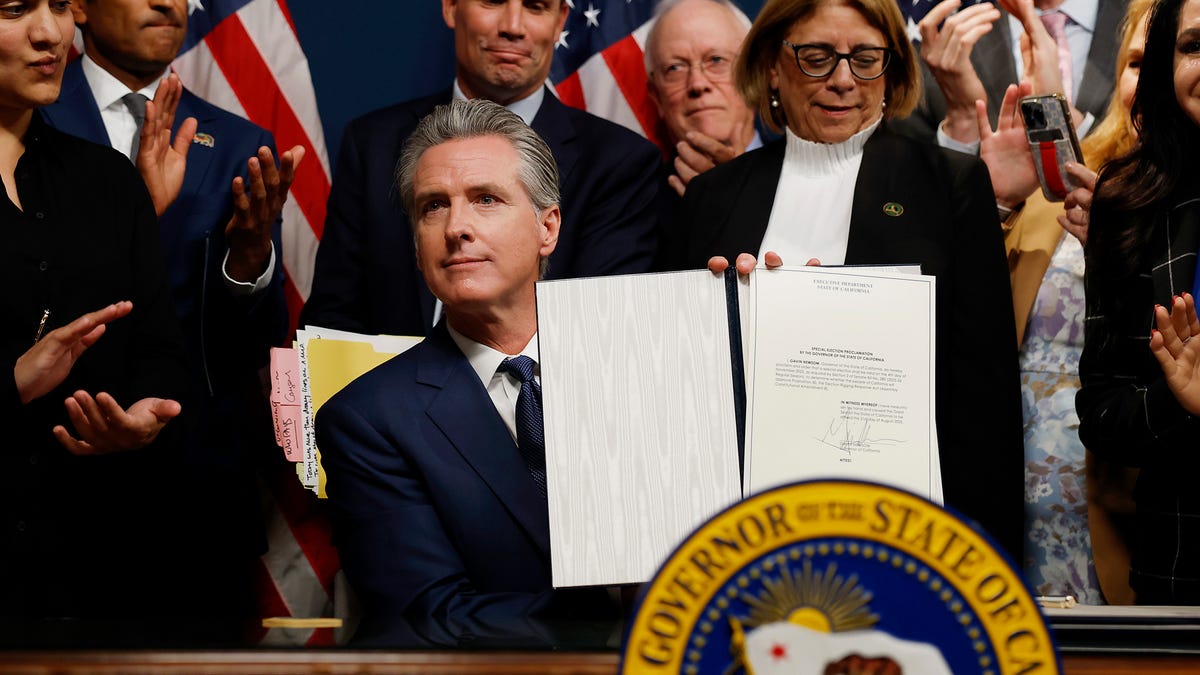
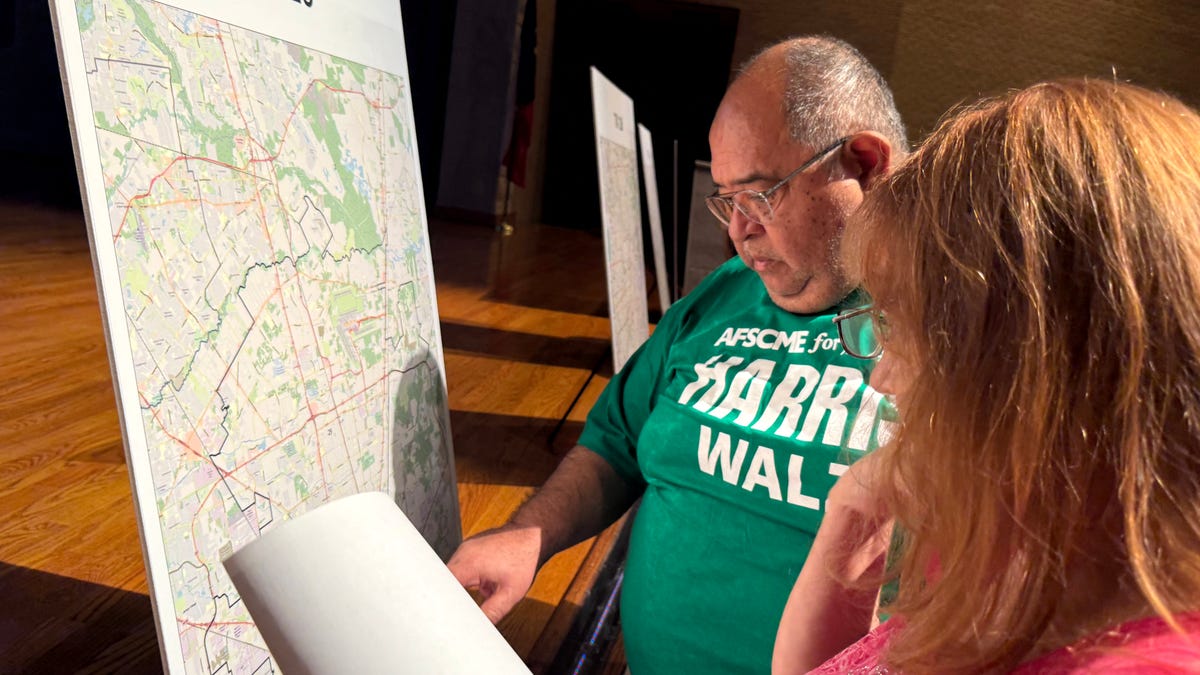
The high court refused Feb. 4 to hear a challenge to California’s ballot initiative to redraw its maps in a way that could shift five House seats from Republican to Democrat. The decision followed one in December that allowed Texas to use a map that could flip five seats the other way, from Democrat to Republican.
The competition is fierce because the House is narrowly divided and Democrats could regain control of the chamber from Republicans by flipping three seats. The National Conference of State Legislatures calls it the biggest flurry of mid-decade redistricting since the 1800s. Some states are trying to redraw maps to gain just one more seat for their leading party.
The stakes are high because a change in House control from Republicans to Democrats could lead to bigger disputes over spending – after two government shutdowns in one year – and more investigations of President Donald Trump.
The House has 218 Republicans and 214 Democrats. Three seats – formerly held by Republicans in Georgia and California, and a Democrat in New Jersey – are vacant. The 2026 midterm elections will decide all 435 House seats and one-third of the Senate.