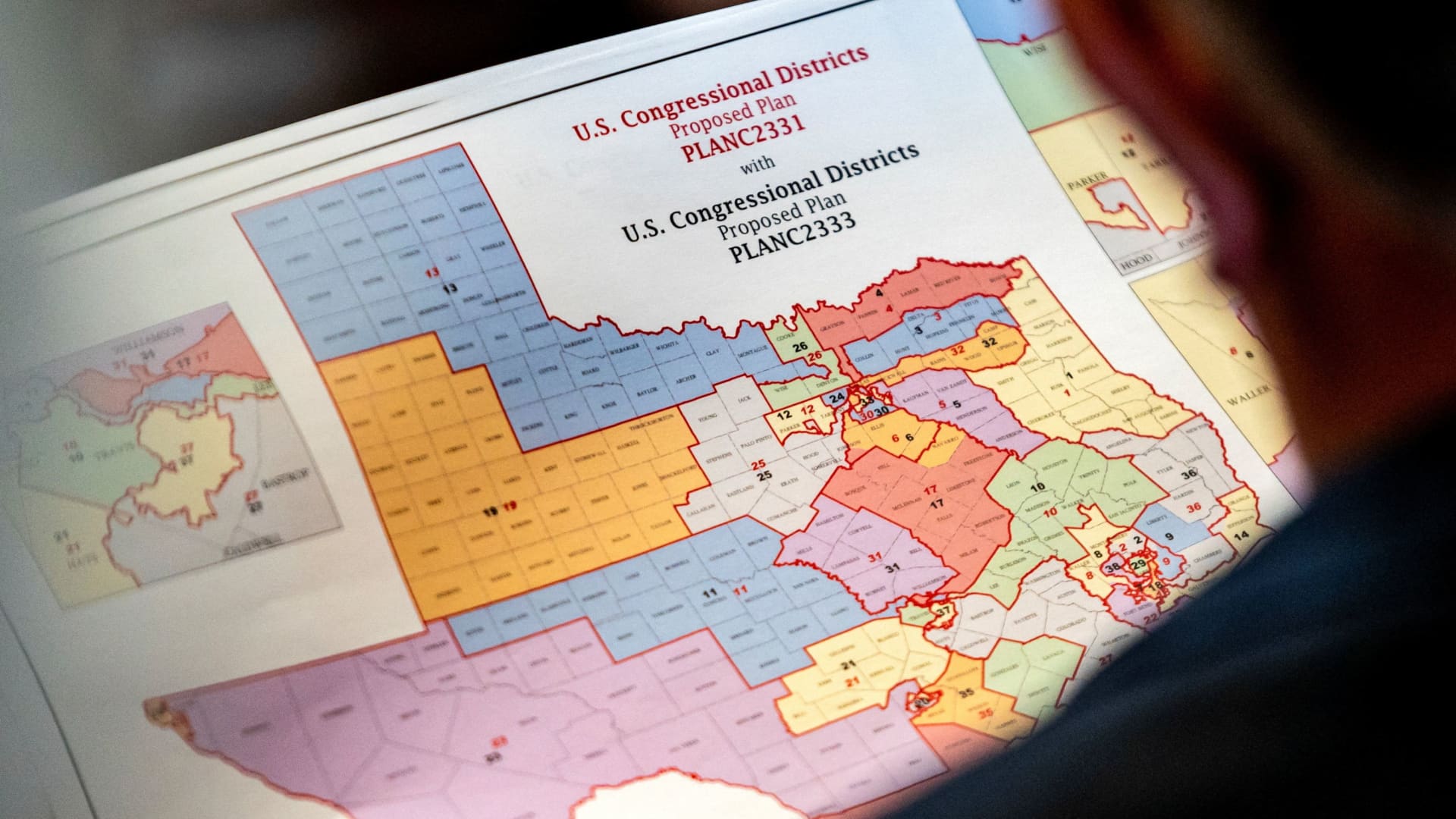
WASHINGTON – At President Donald Trump's urging, Texas is trying to send even more Republicans to represent it in the U.S. Congress.
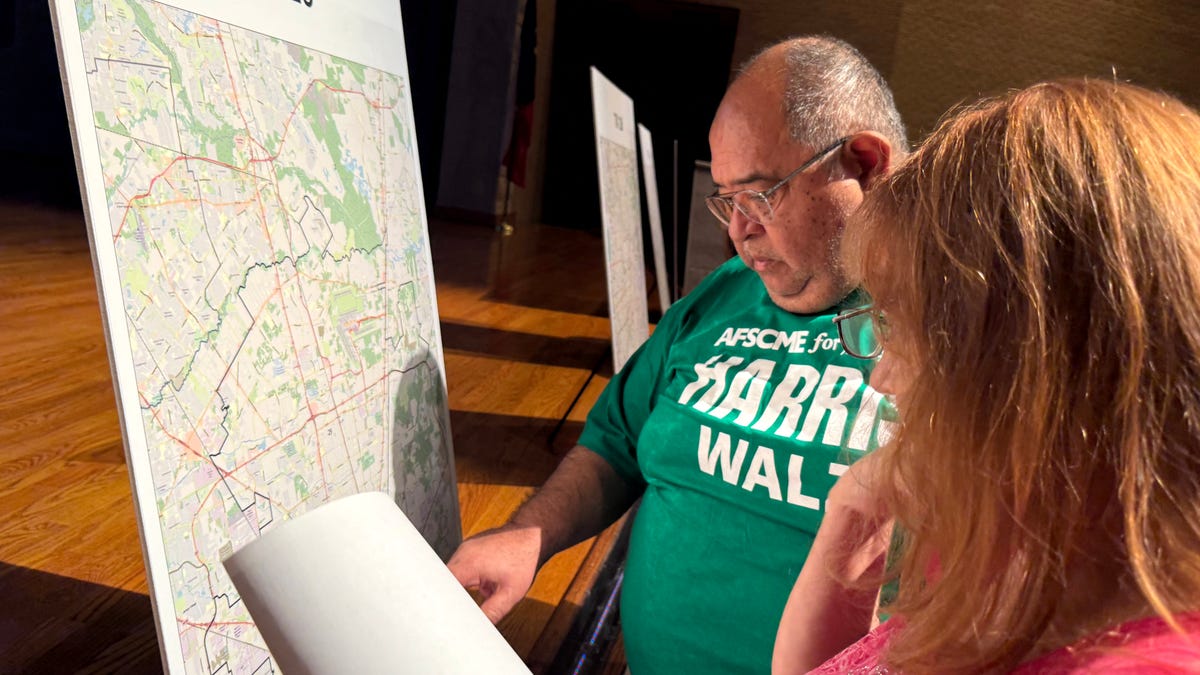
To pull that off, the country's most populous Republican state is going to need the U.S. Supreme Court to take its side in a dispute that has fast evolved to include more than a half-dozen other states that are also seeking to change who voters can vote for when they pick their representatives in the 2026 mid-term elections.
The clock is ticking for the justices to act before an important Dec. 8 deadline for any Texas congressional candidates to declare what House race they're hoping to compete in next November. Nationwide, the stakes are high for both the GOP and Democrats because a change in control of just a few seats could tip the balance of power inside the House during Trump's final two years in the White House. Republicans hold a narrow 219 to 213 majority.
What's unusual about this Supreme Court case is that states usually review their congressional maps after counting the population in the once-a-decade U.S. census. But the flurry of states like Texas that are conducting mid-decade redistricting is one of the biggest such undertakings since the 1800s, according to the National Conference of State Legislatures.