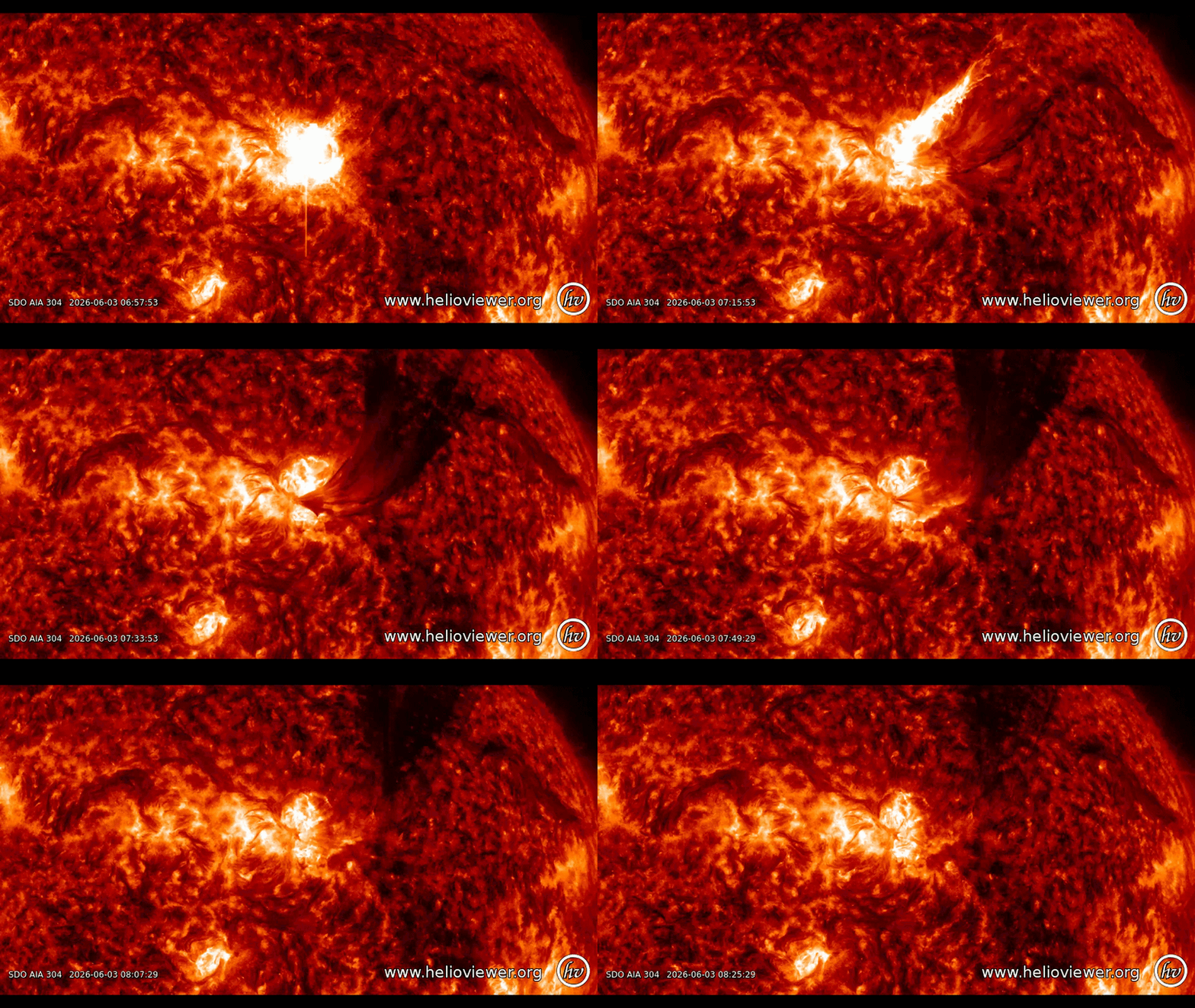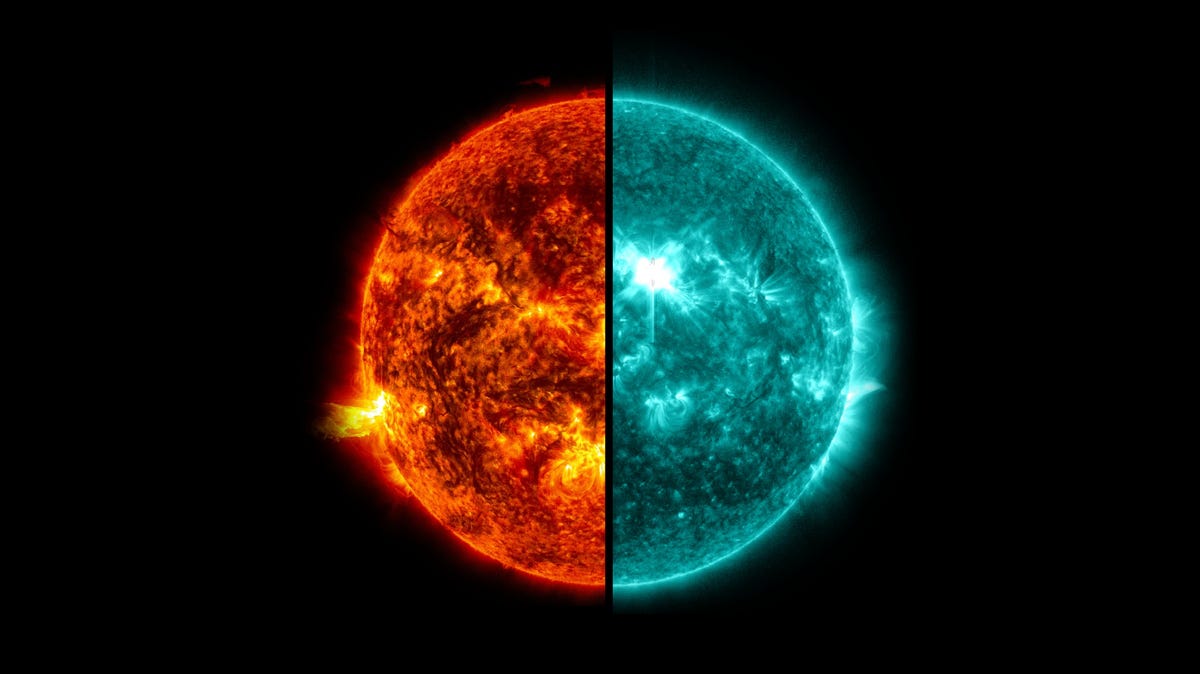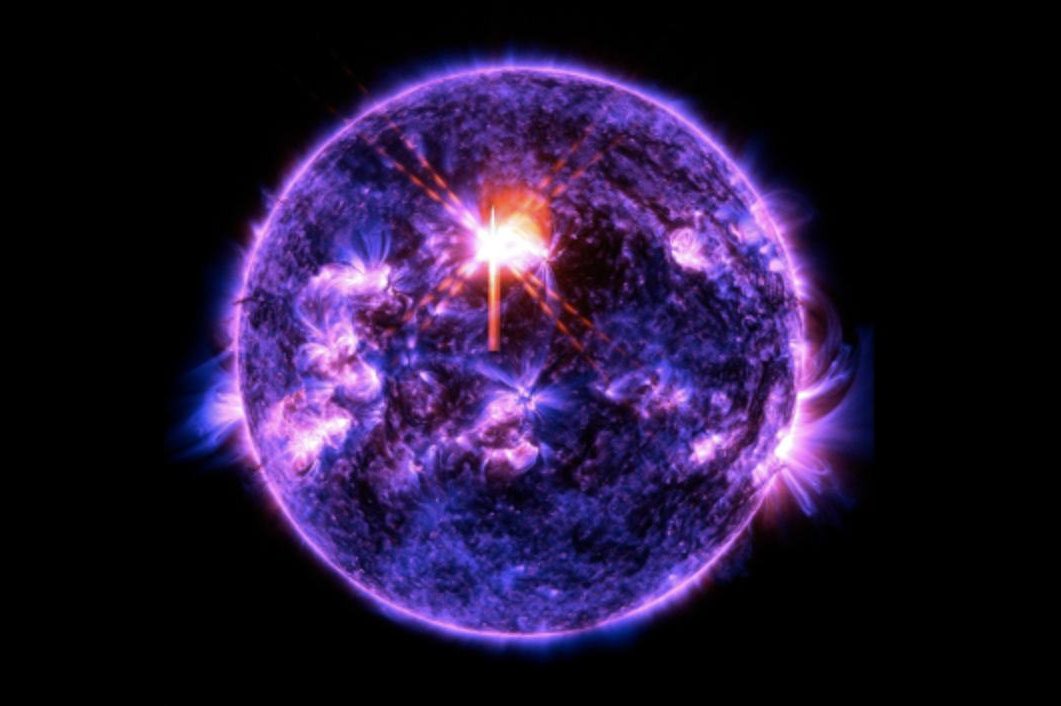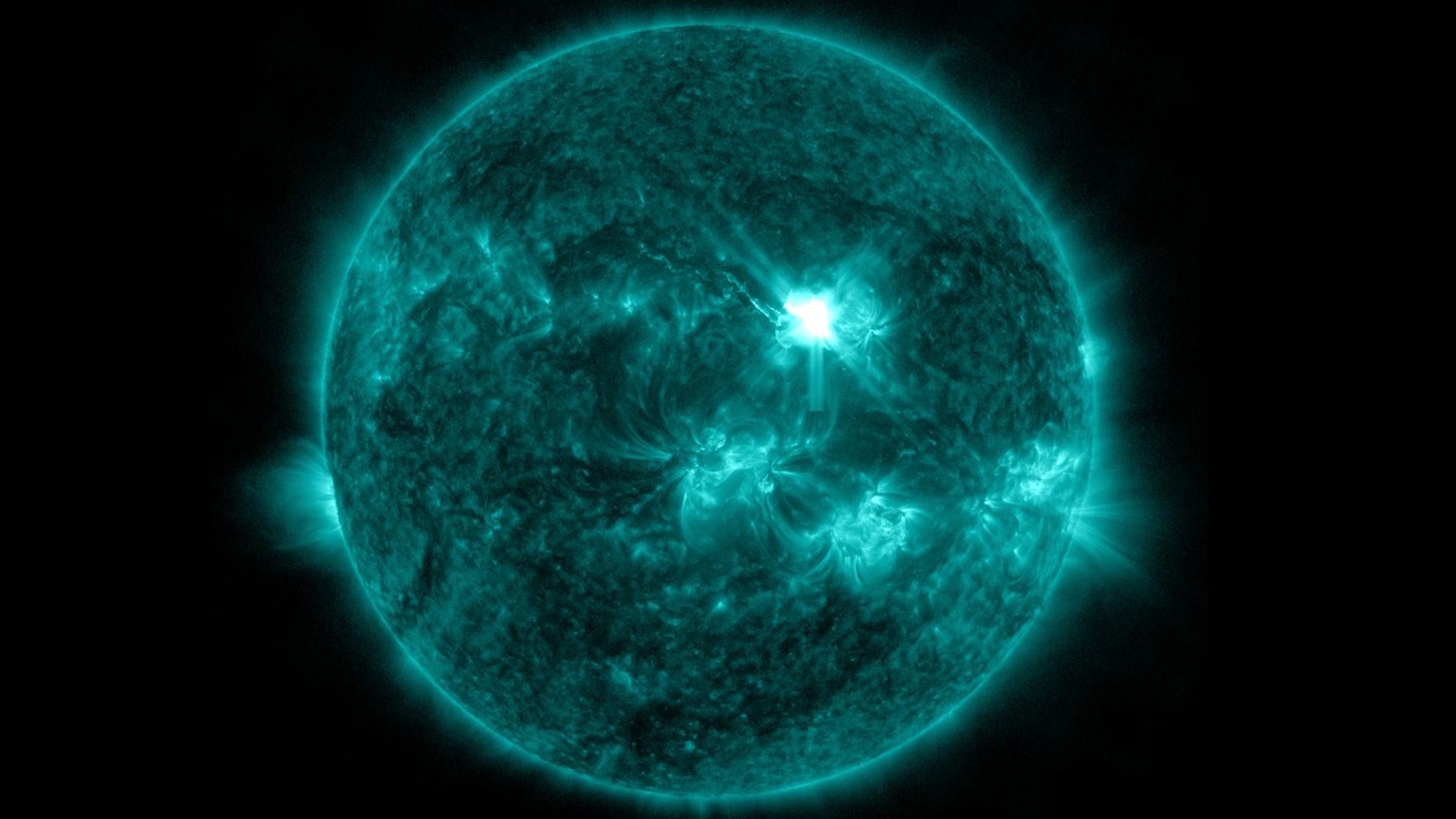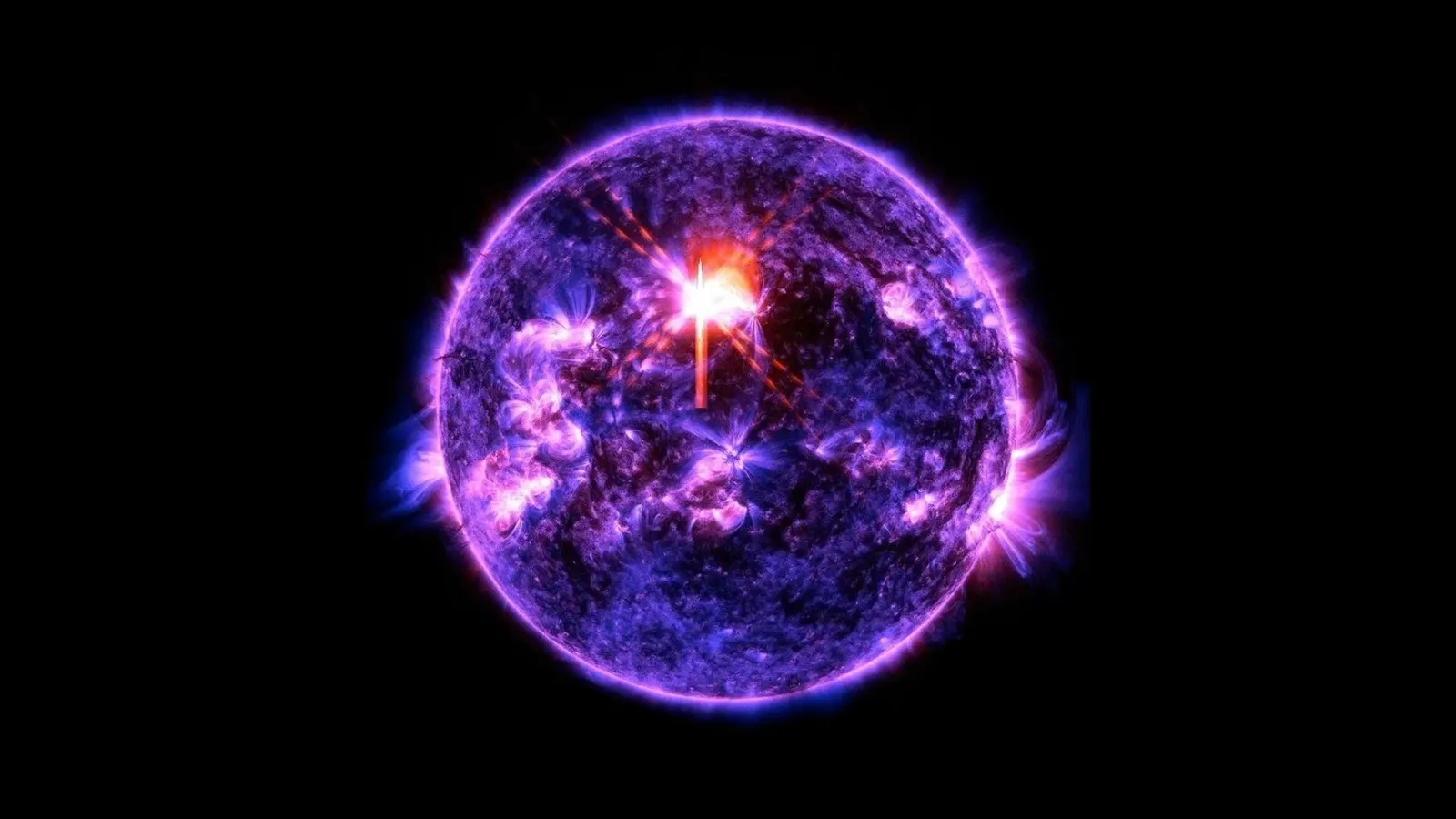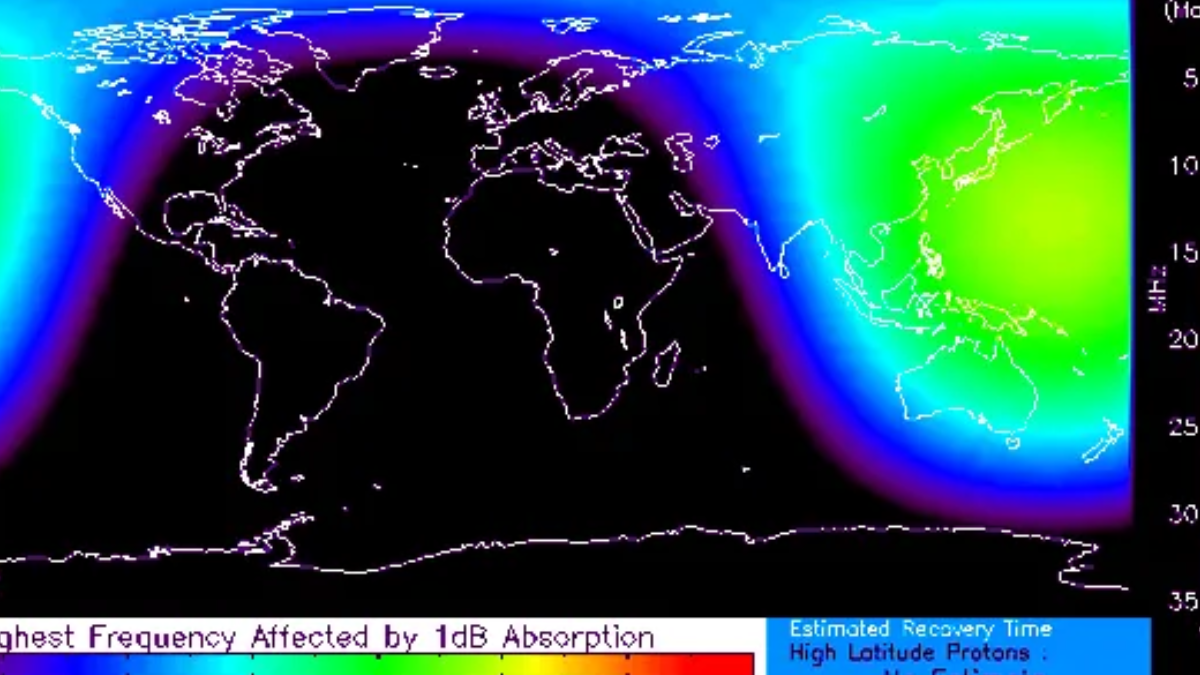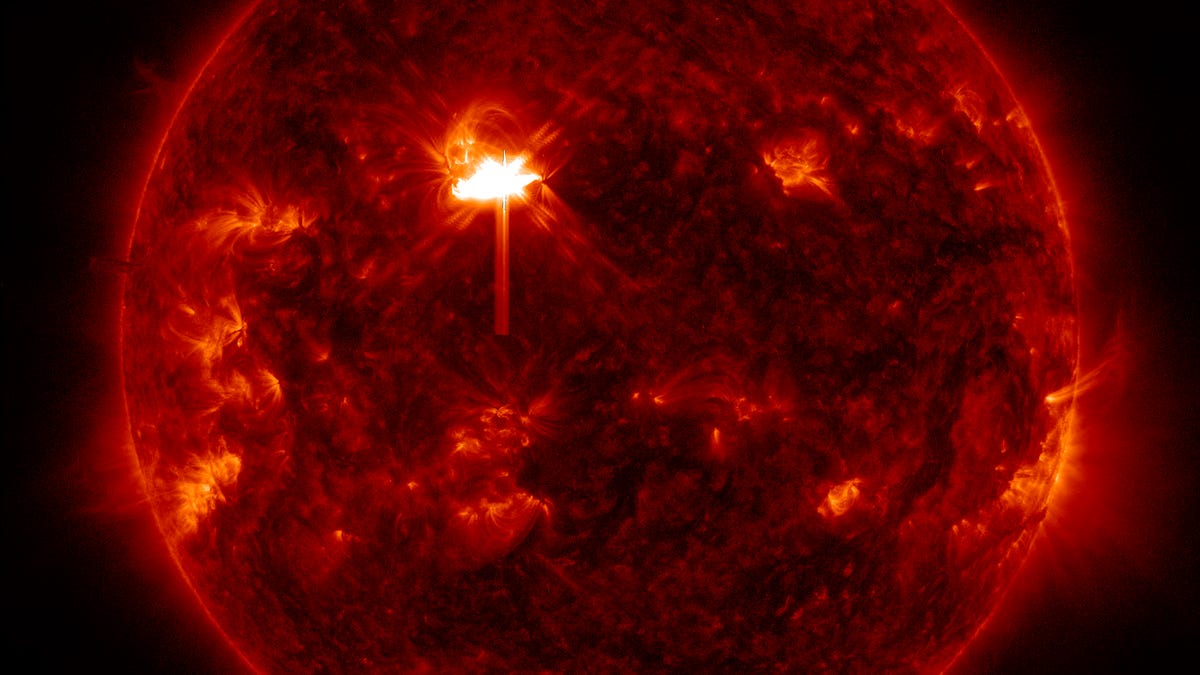
Dozens of powerful flares are emerging from a new cluster of activity on the sun, producing stunning photos and sparking concerns about potential risks for global navigation, radio signals and the planned Artemis II moon launch.
The sunspot group emerged on Jan. 30 and "has rapidly grown," said Shawn Dahl, service coordinator with the Space Weather Prediction Center, part of the National Weather Service.
The area is now "many times the size of Earth" and is facing our planet, Dahl said. Identified as region 4366, it has already produced at least 64 solar flares, including five in the X-class, the most intense category, and 38 in the M-class (medium-sized).
But don't get too excited about the potential for auroras like the recent activity spotted farther south than typical. So far, the space weather center predicts only minor geomagnetic activity on Feb. 5 and 6 that could trigger "minor" aurora visibility.
An X1.5 solar flare peaked on the morning of Feb. 3, based on footage from NASA's Solar Dynamics Observatory. The "X" identifies the most intense category of flares, and the numbers signify the strength associated with the flare.