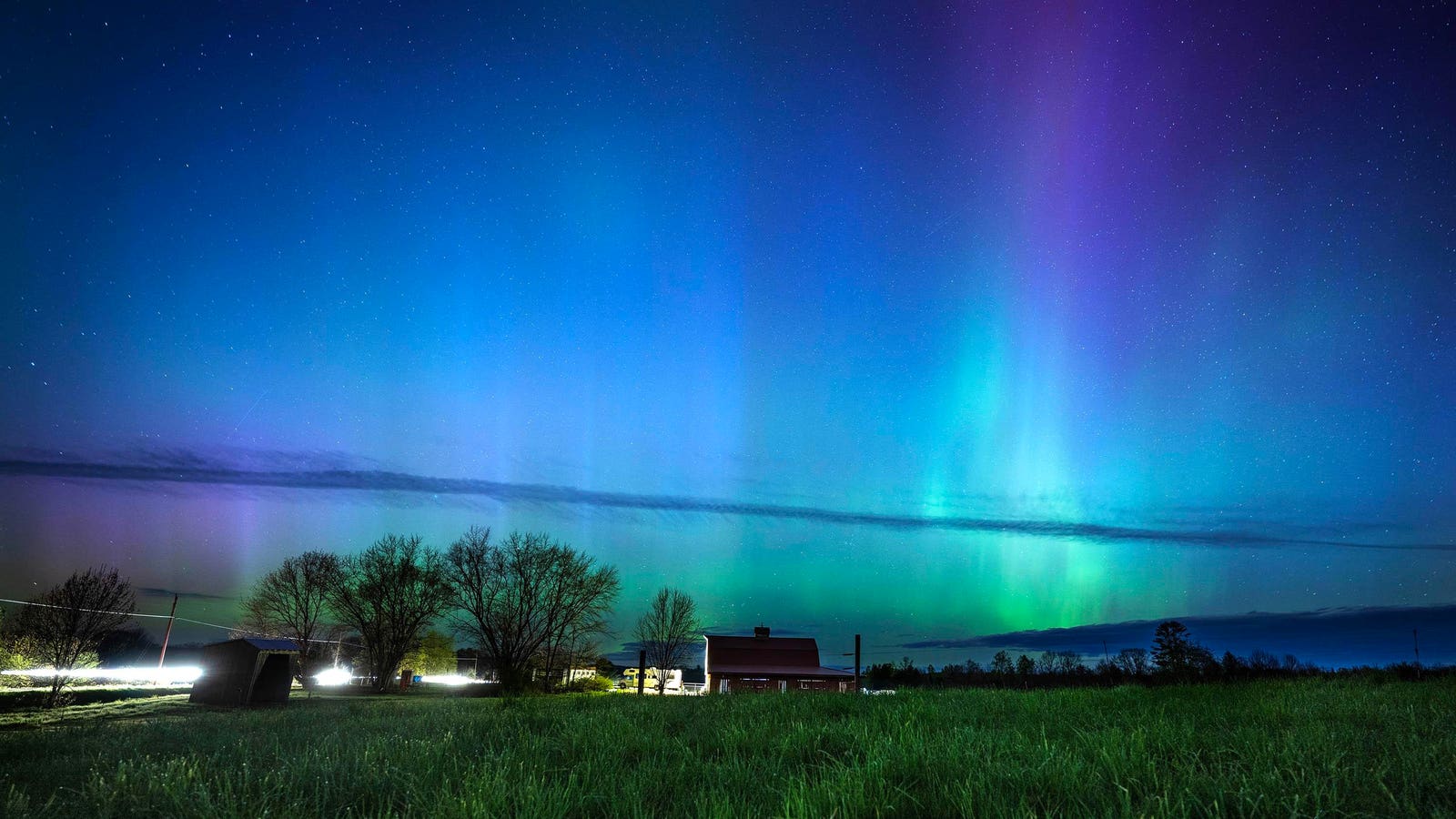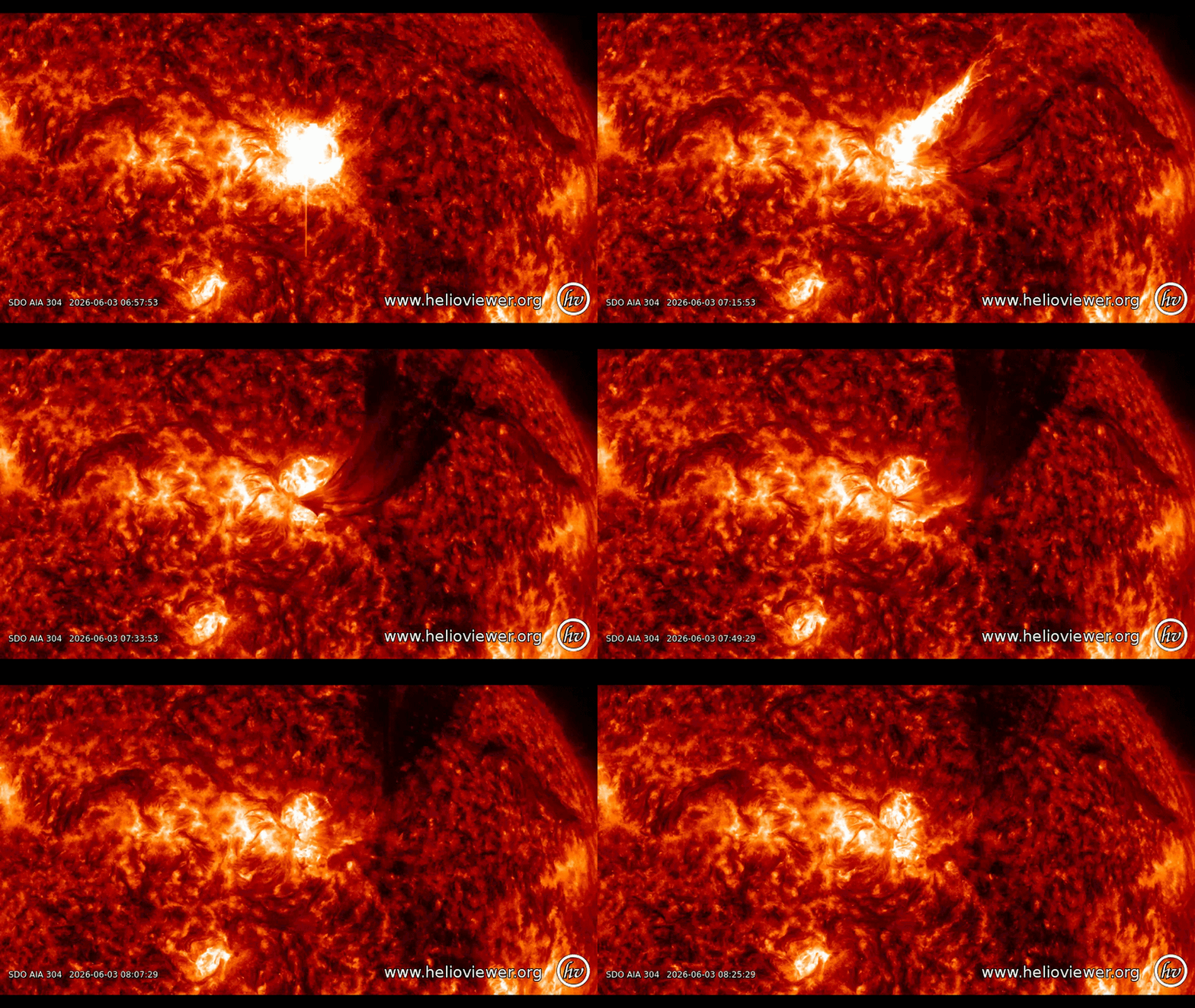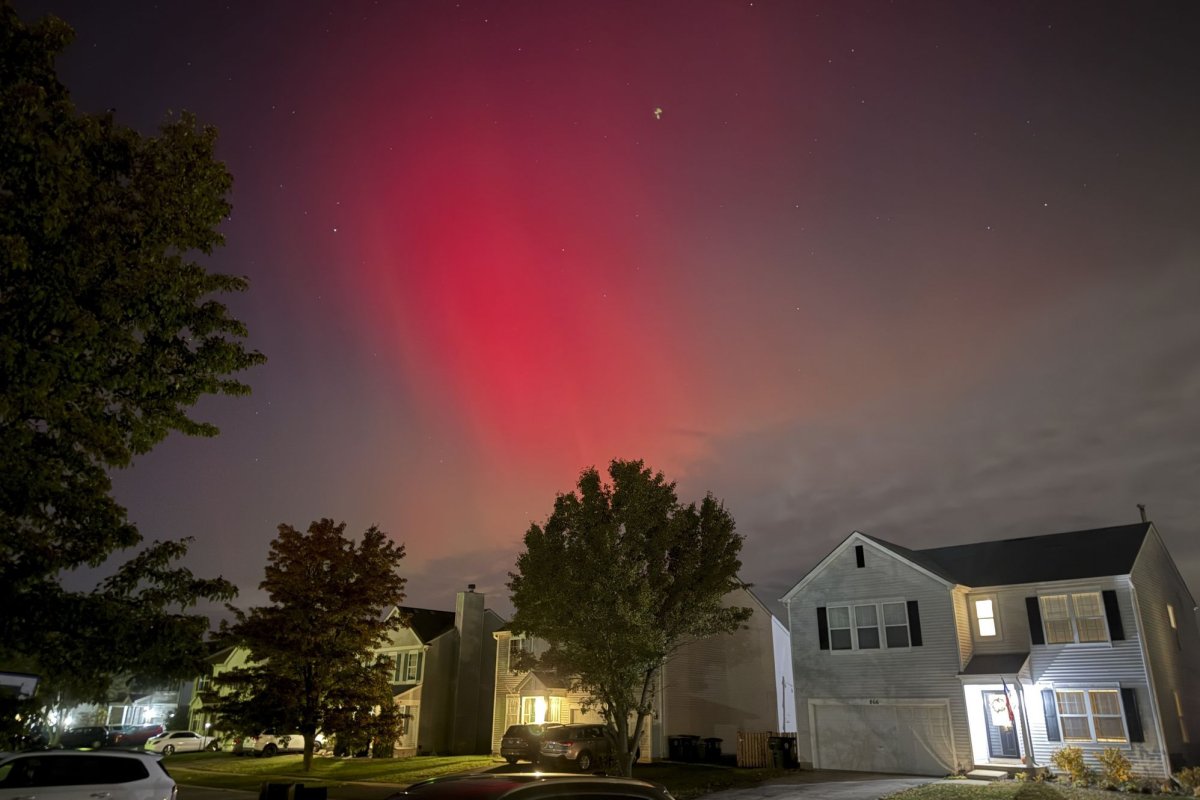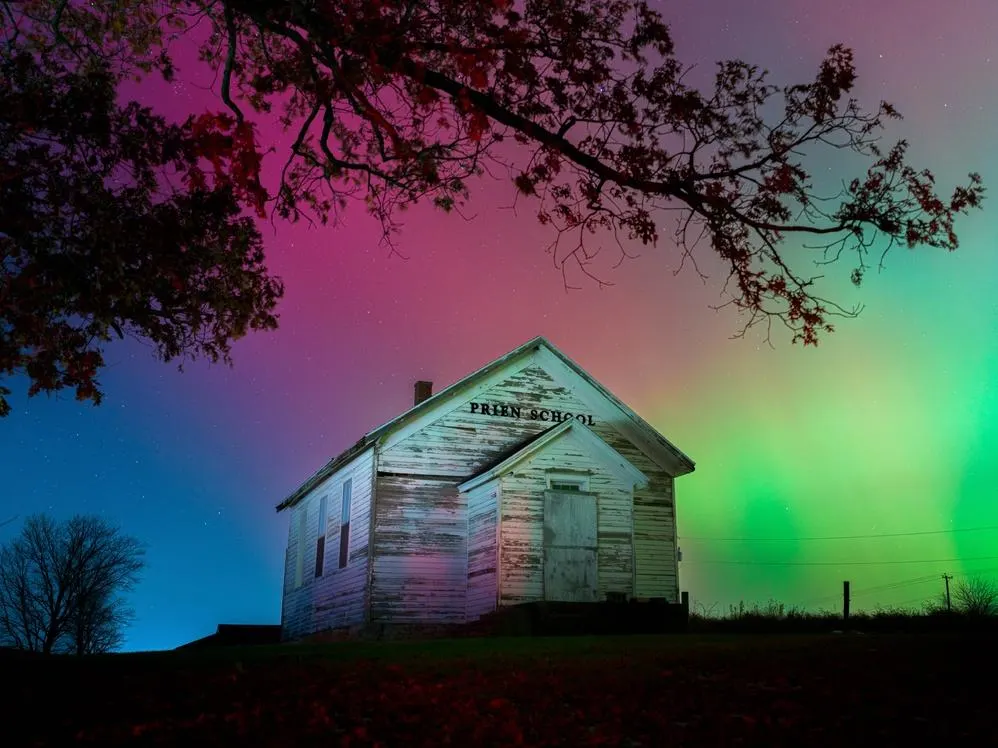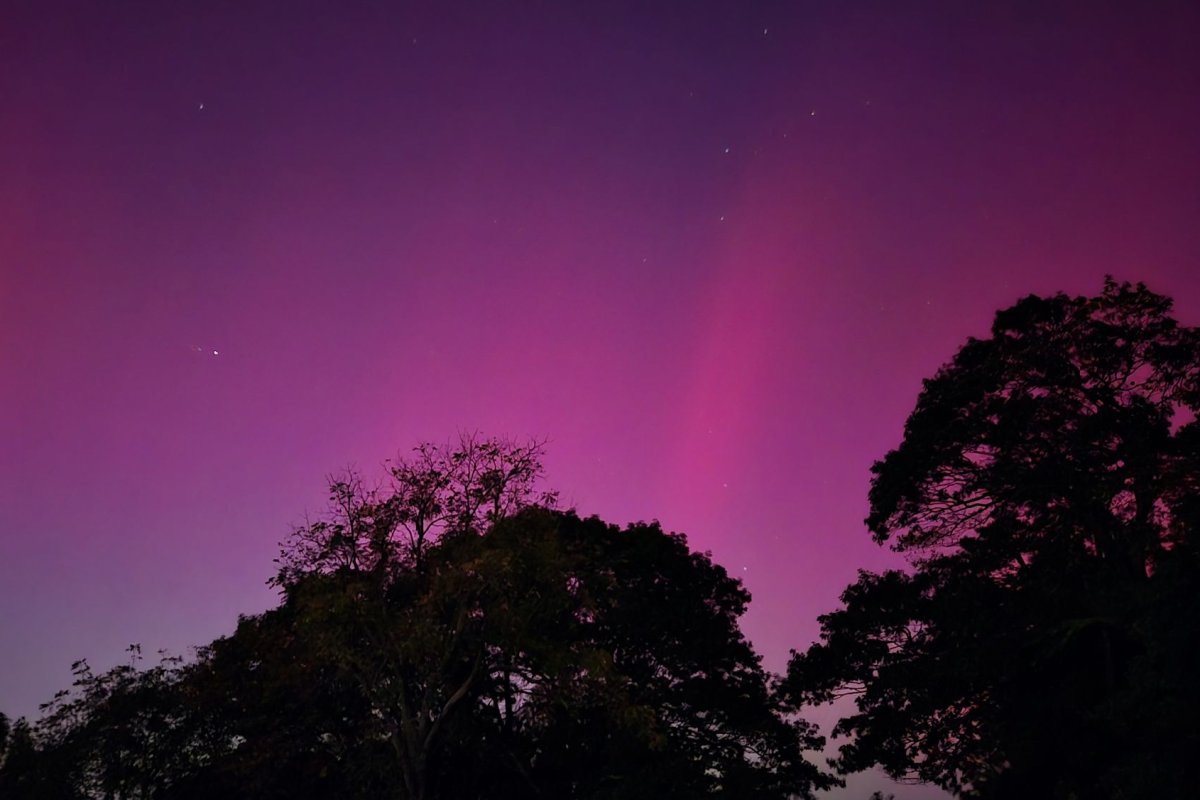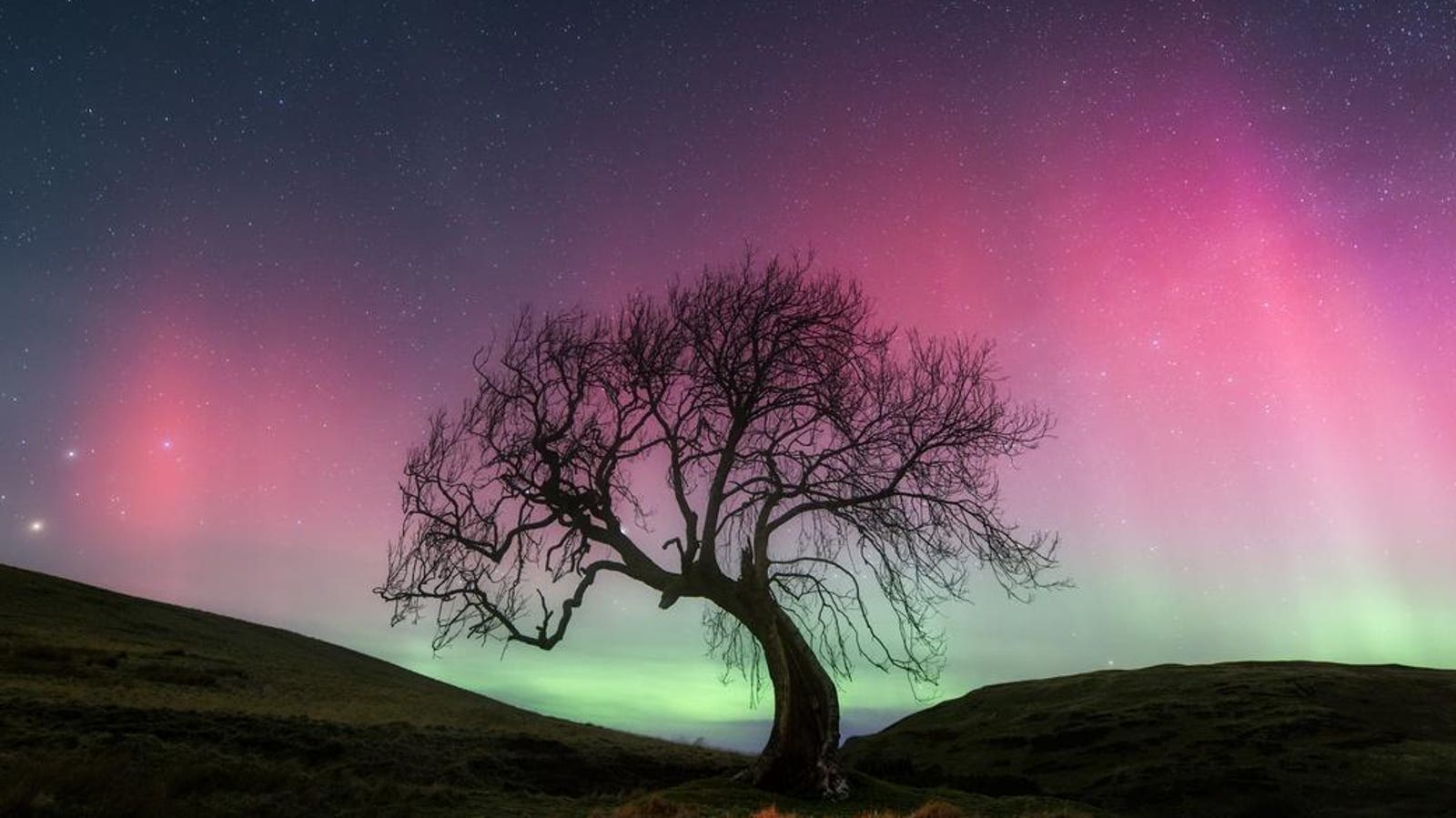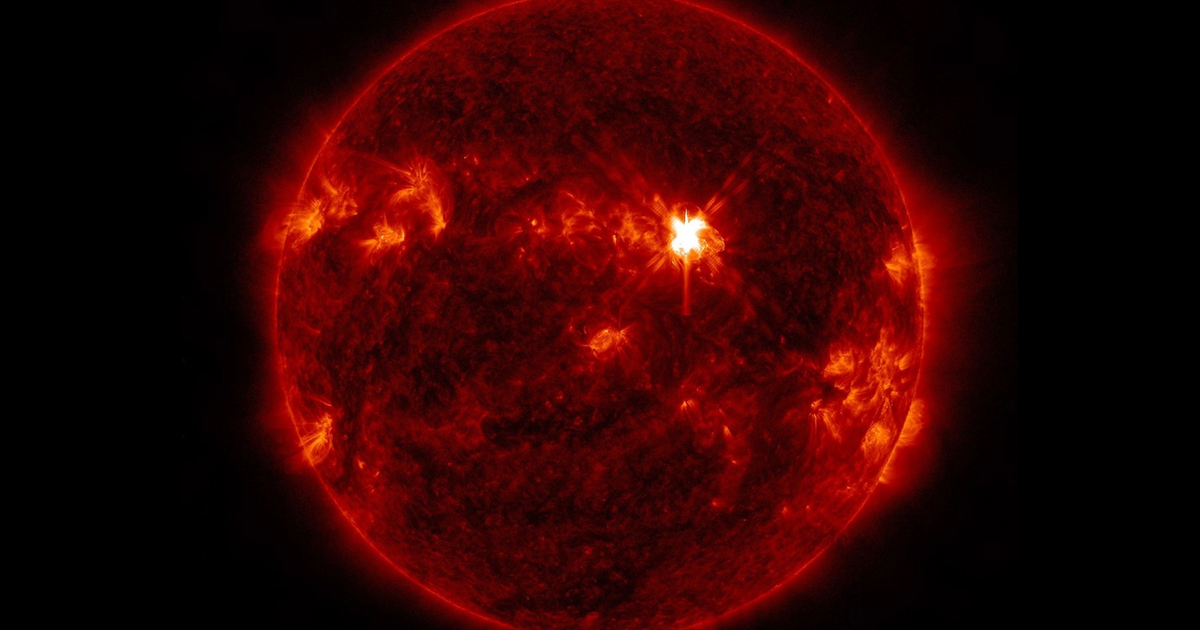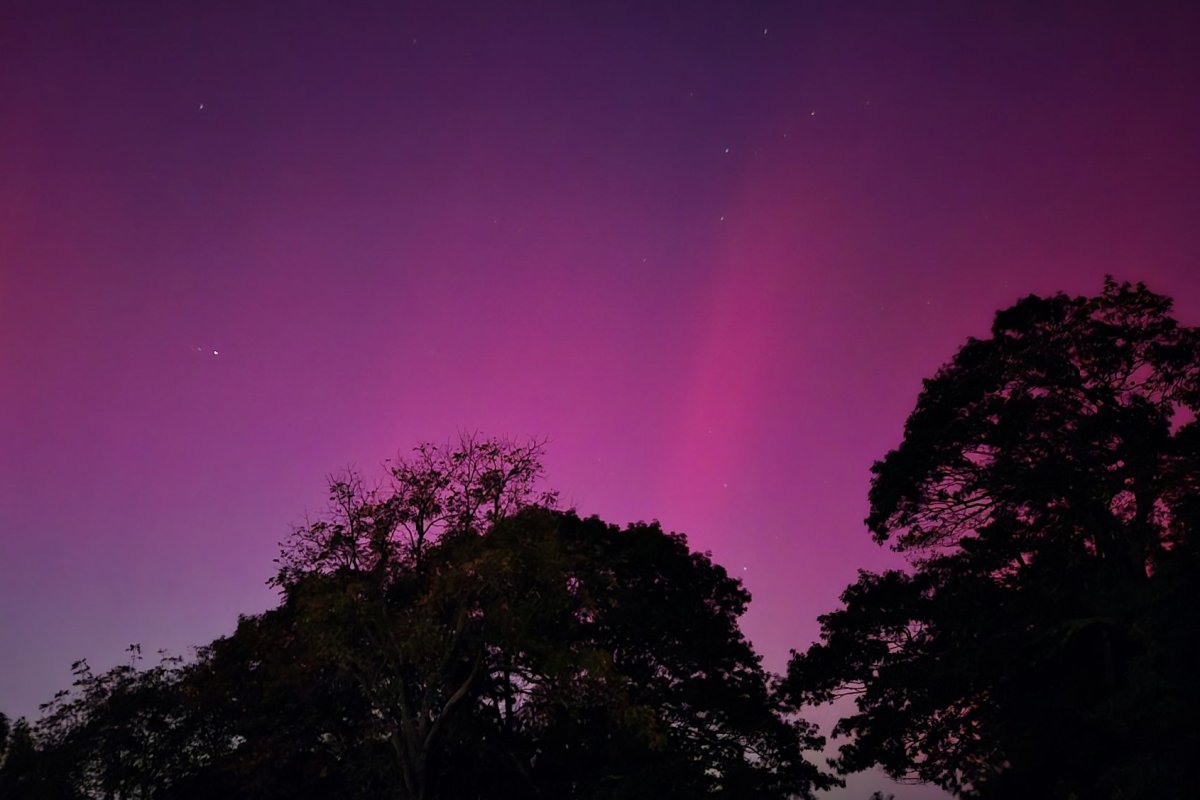
The sun has been crackling with eruptions known as solar flares, events that sometimes lead to the aurora glowing in the night sky. However, despite the recent flurry of activity on the sun, seeing the celestial lights may be tricky this week.
Solar flares, like those detected on Sunday and Monday, often blast clouds of charged particles into space. When these particles collide with the Earth's atmosphere, they can create ribbons of light that dance across the sky.
The recent eruptions were not pointed directly at the Earth, but should come close enough to spark some aurora on Wednesday and Thursday. The lights might become visible across parts of the northern United States, but a widespread aurora outbreak like those seen in May and October 2024 is not expected.
Summer solstice vs. Aurora Borealis
Stargazing in the Northern Hemisphere at the end of June is challenging due to the solstice, which boasts the longest days -- and, more importantly, the shortest nights -- of the entire year. There may only be a few hours each night when it is dark enough to see the aurora before the morning twilight begins, gradually washing out the twinkling stars with sunlight.