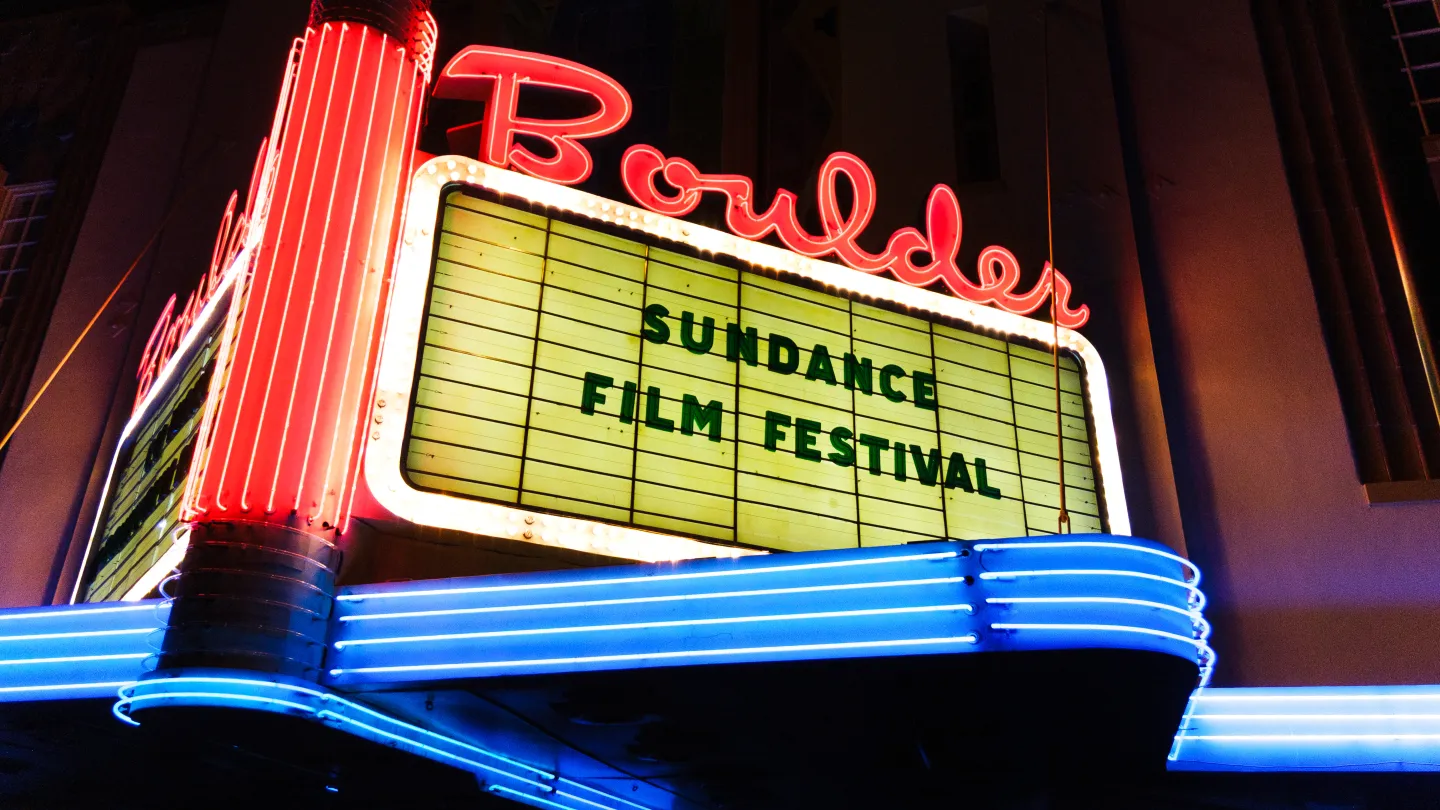
The final Utah edition of the hub for American independent film saw slow sales and a mixed bag of movies but a future in Colorado could bring a refresh
S
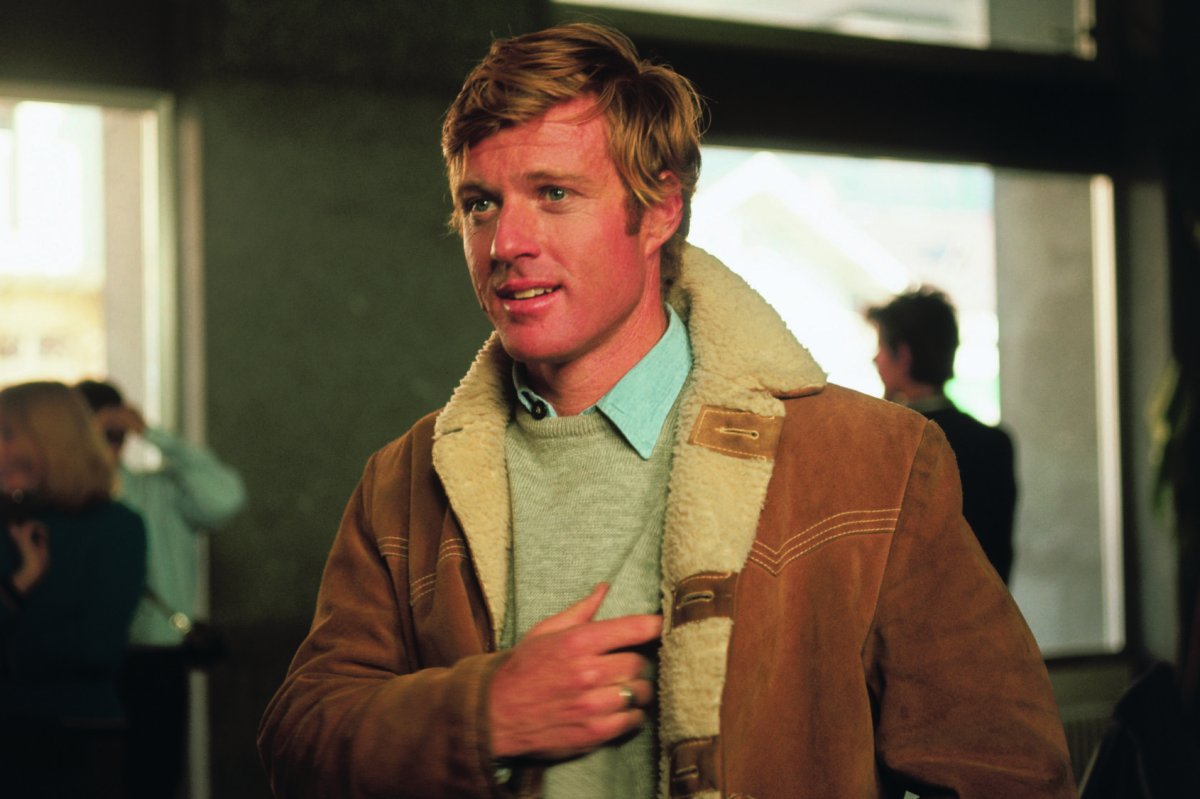
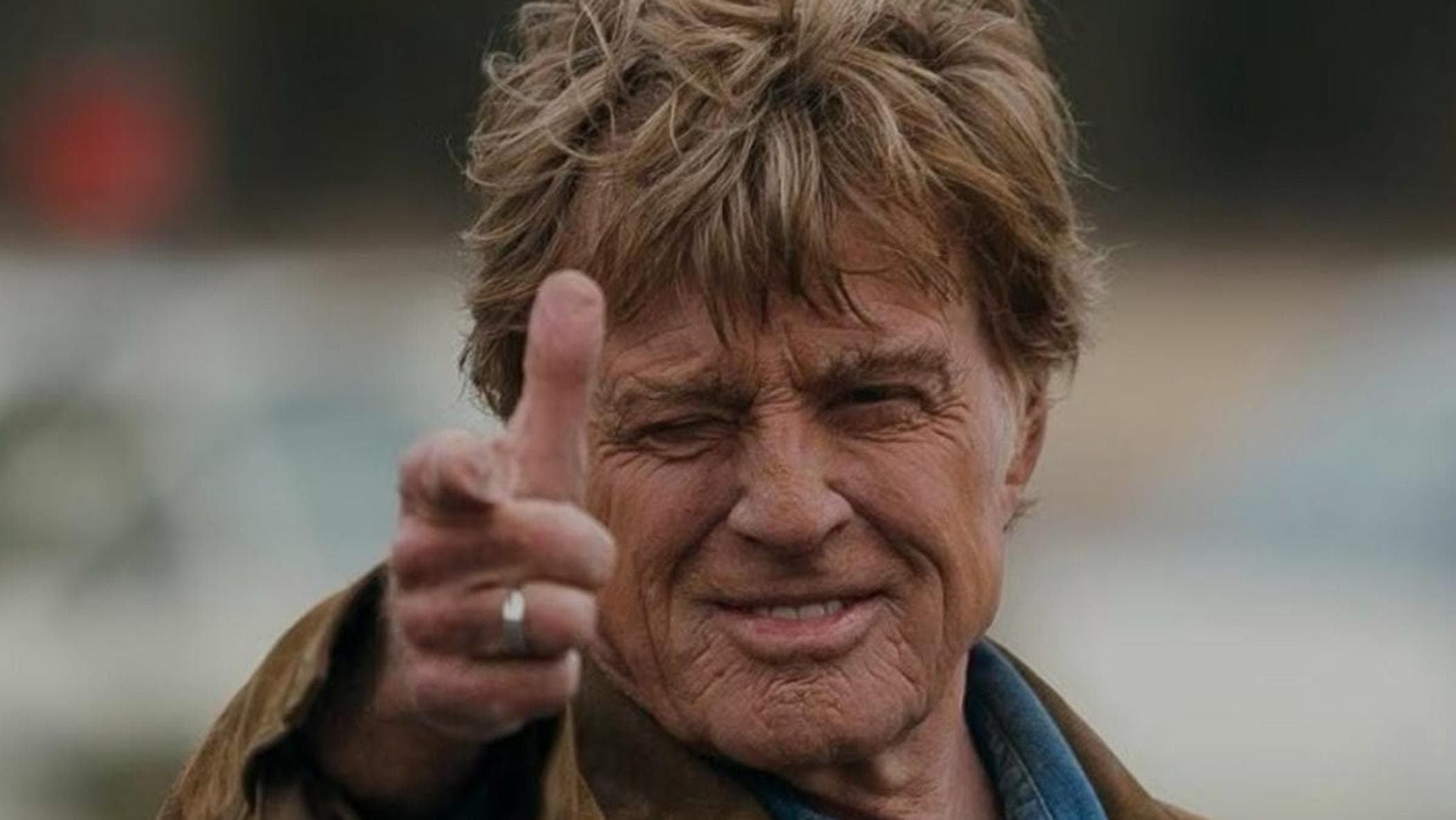
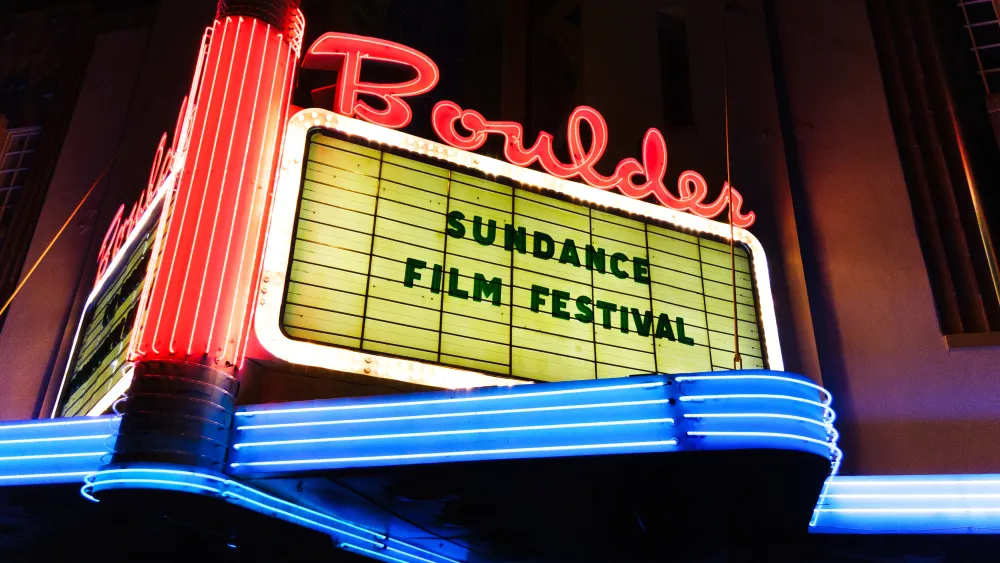
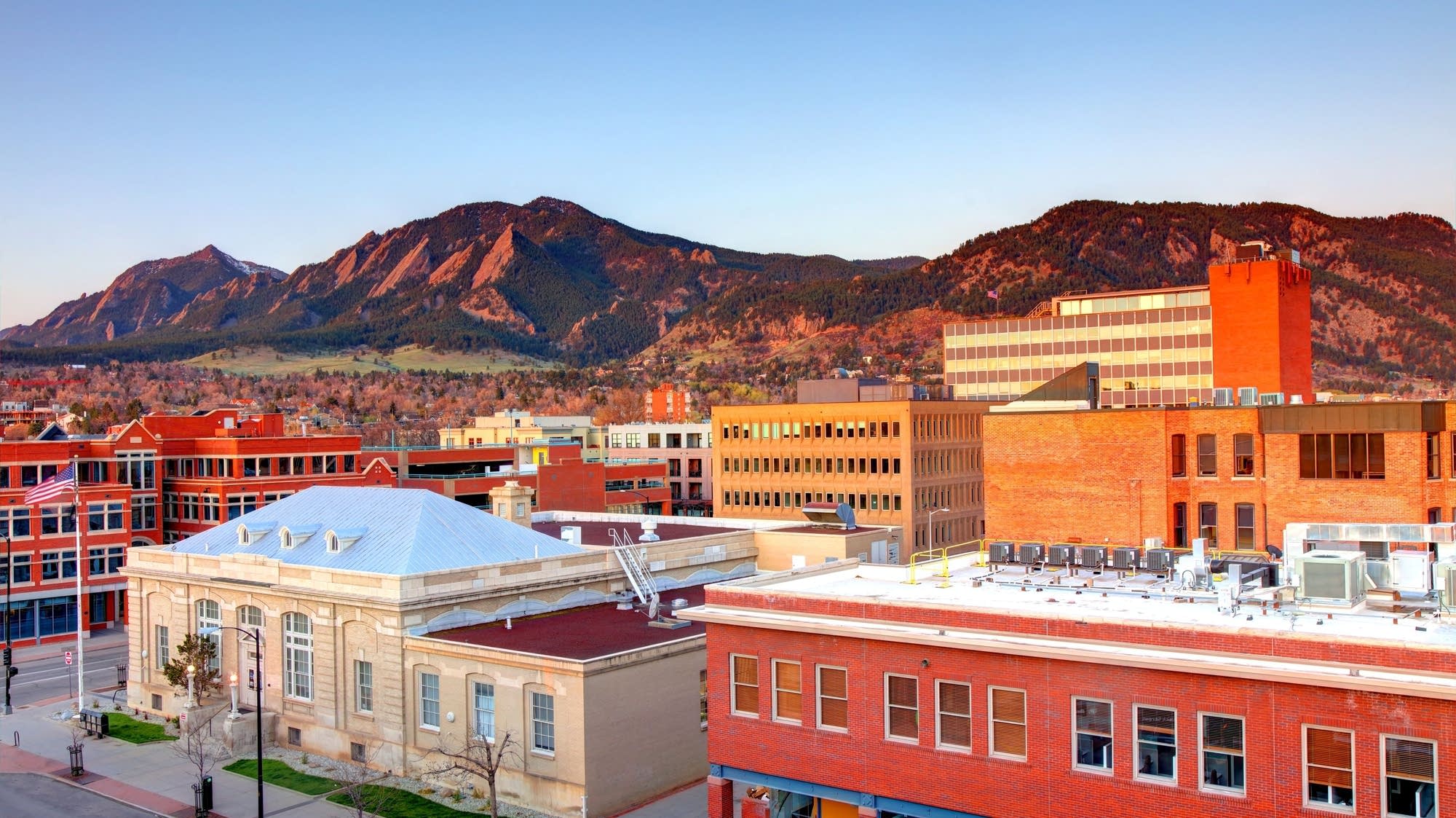
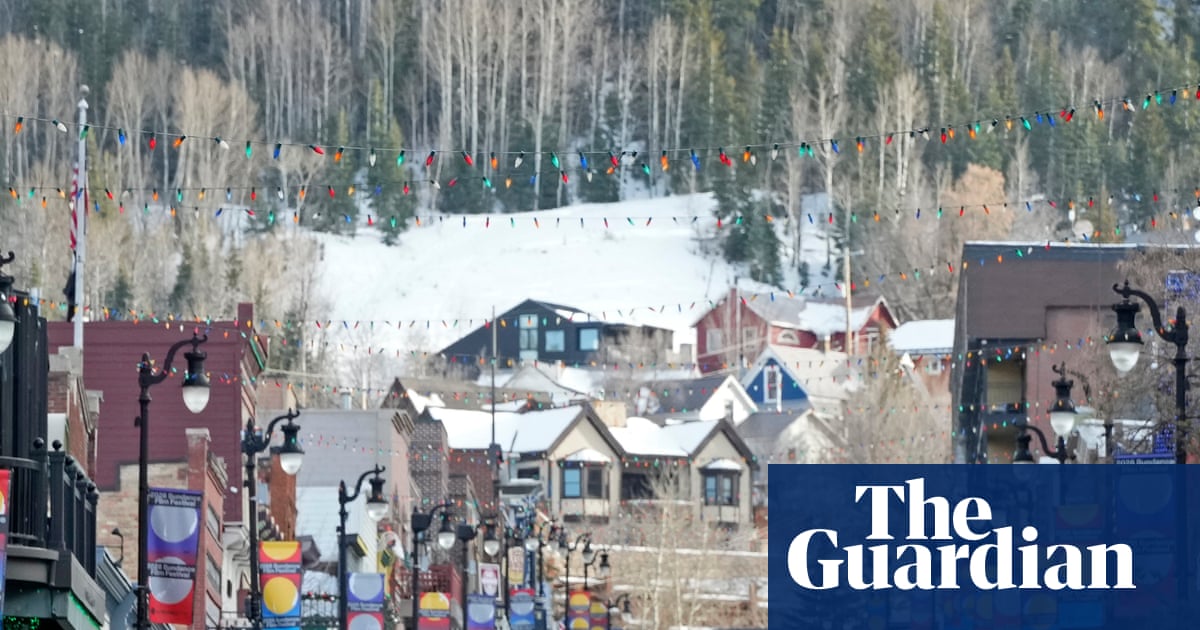
undance is over. Well, not quite. The Sundance we all know, with Robert Redford as its head and Park City, Utah, as its location, is over. The festival’s beloved founder died last year months after the festival also opted for a move to Boulder, Colorado.
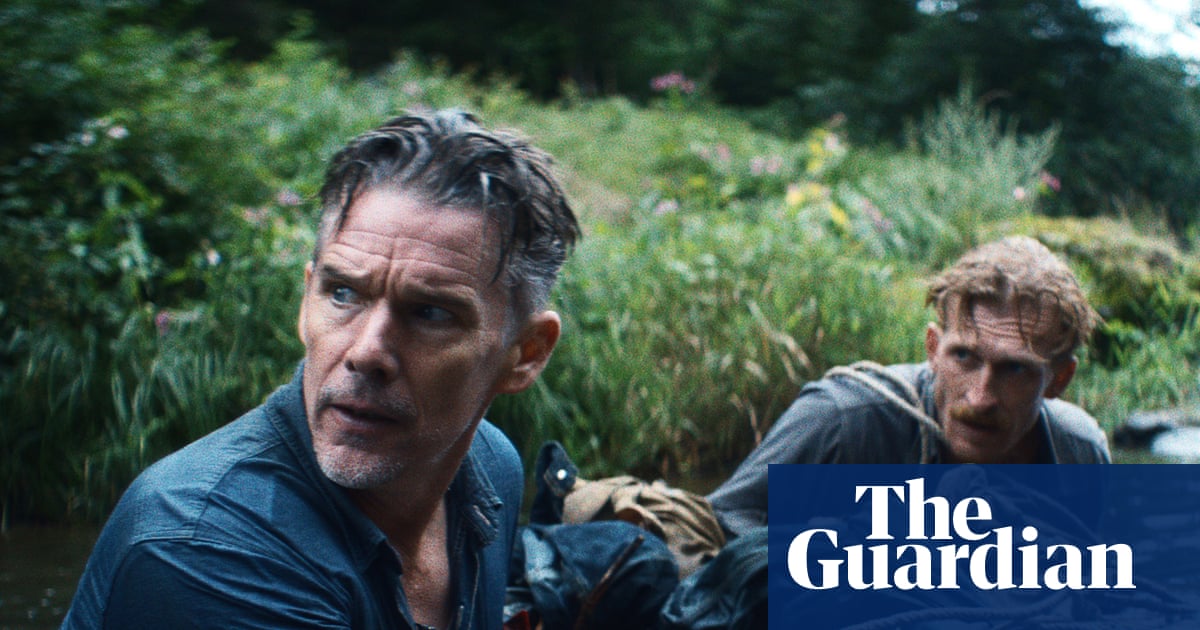
But on the alarmingly snow-light ground, there was also chatter about what would become of Sundance as a whole, once the shining beacon of American independent cinema, after it entered a new phase. There were standout films as ever but again not quite enough to override concerns over what the festival now represents in a harsh new world where it’s arguably easier to make an indie (or whatever cobbling together bits of AI slop might be called) but harder to get it sold.
The identity of the festival has long been attached to both Redford and Utah as well as a certain type of movie and a certain definition of independent cinema. The old-fashioned dream trajectory for a Sundance movie – rapturous reception at premiere, heated all-night auction, sleeper success upon theatrical release, possibly a few Oscar nominations next – is harder, if not entirely impossible, to achieve in this landscape. There are textbooks examples of this working – films like Little Miss Sunshine, Napoleon Dynamite, Garden State and The Big Sick – but there are now more roadblocks in place as well as a generation of film-makers raised on these films trying a little too hard to conjure the same magic. Attenders, and attention-hungry critics with X or Letterboxd followings, have tried to force this in recent years, often at a high enough volume to convince studios, or increasingly streamers, to bite, but when viewed without all that altitude, hits have turned to misses. There’s been Patti Cake$, Brittany Runs a Marathon, Blinded by the Night, Late Night, and Me and Earl and the Dying Girl all barely existing outside Utah, and while there have always been Sundance gambles that haven’t paid off (Happy, Texas or Hamlet 2, anyone?), we’re at a time when each loss hits harder, risks that much less justifiable in the heads of cautious execs.