Researchers say sediment changes due to waste dumping and coastal erosion intensified by climate breakdown
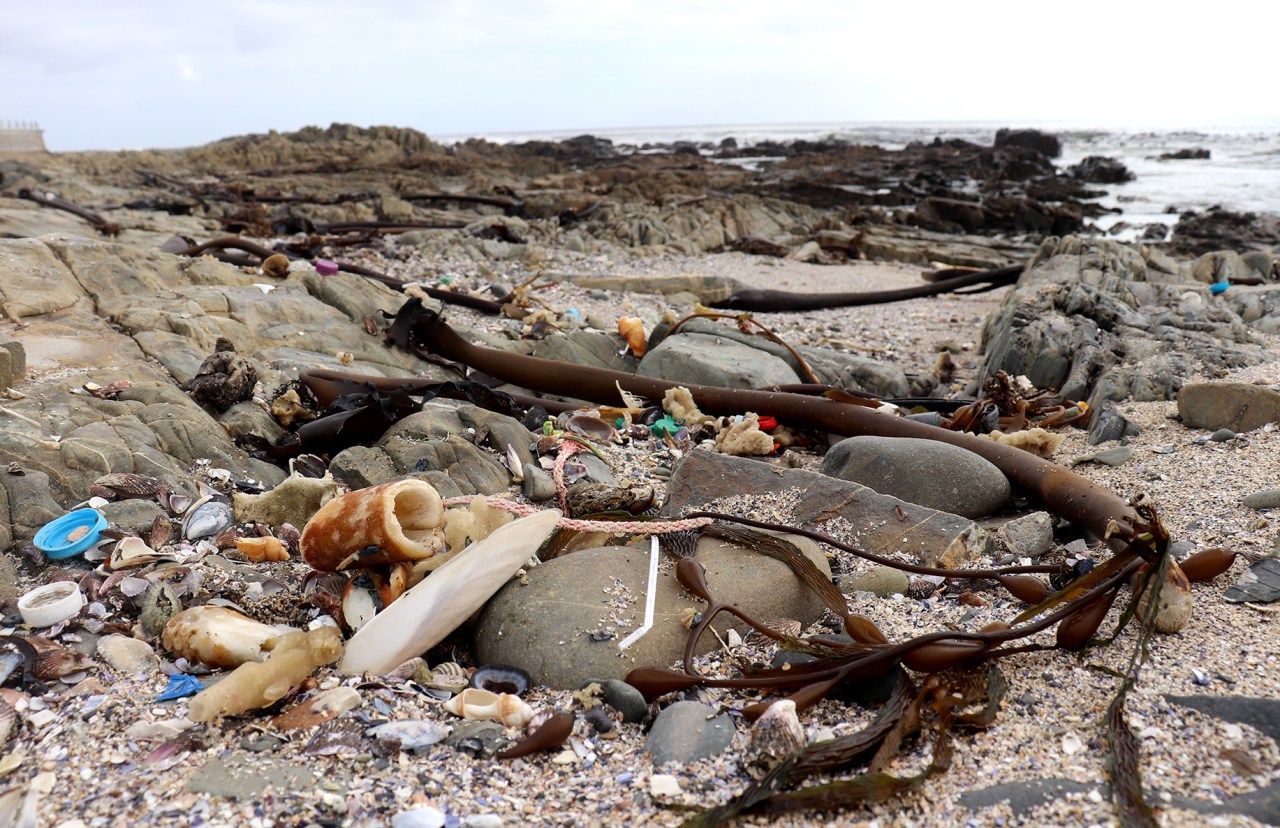
As much as half of some British beaches’ coarse sediments consist of human-made materials such as brick, concrete, glass and industrial waste, a study has found.
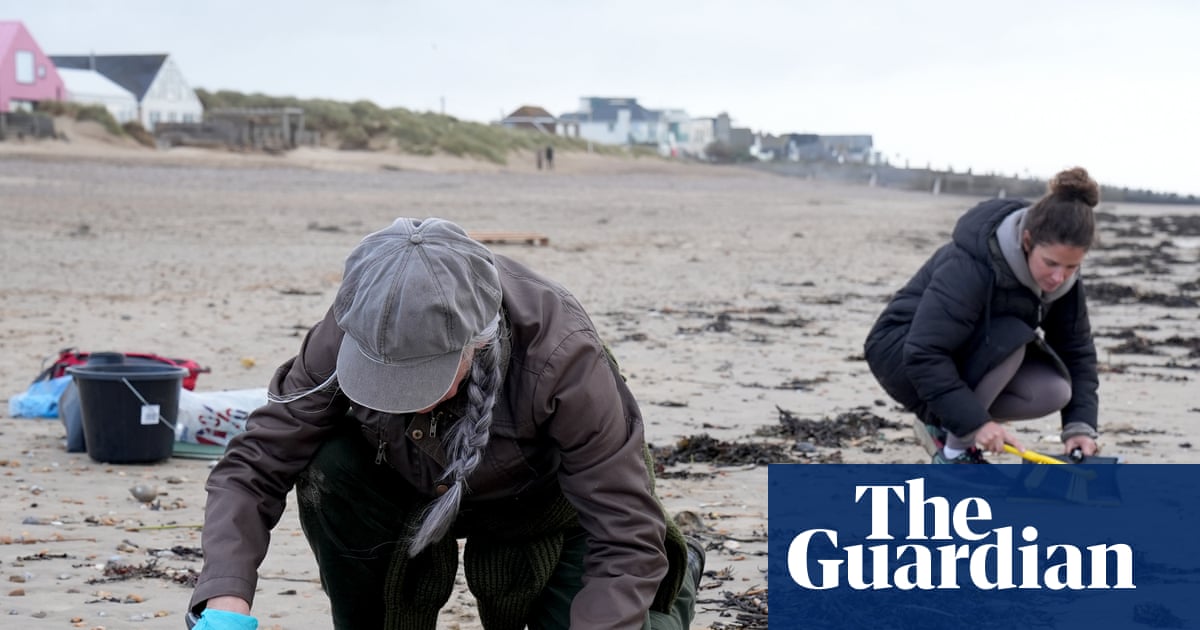
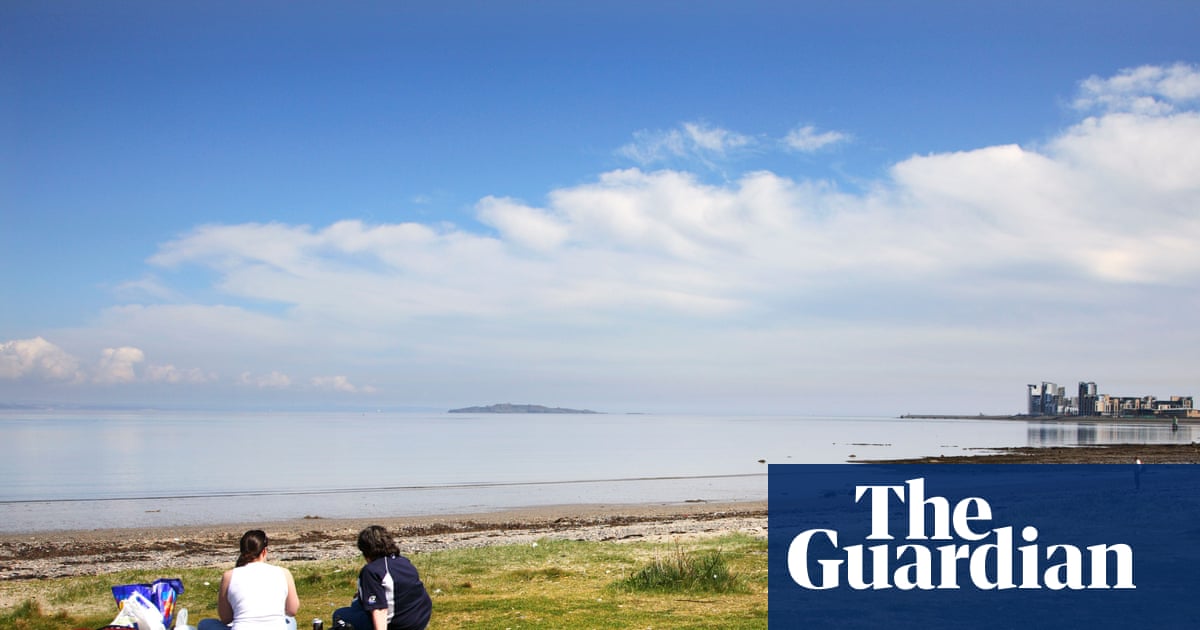
Climate breakdown, which has caused more frequent and destructive coastal storms, has led to an increase in these substances on beaches. Six sites on the Firth of Forth, an estuary on Scotland’s east coast joining the River Forth to the North Sea, were surveyed to better understand the makeup of “urban beaches”.
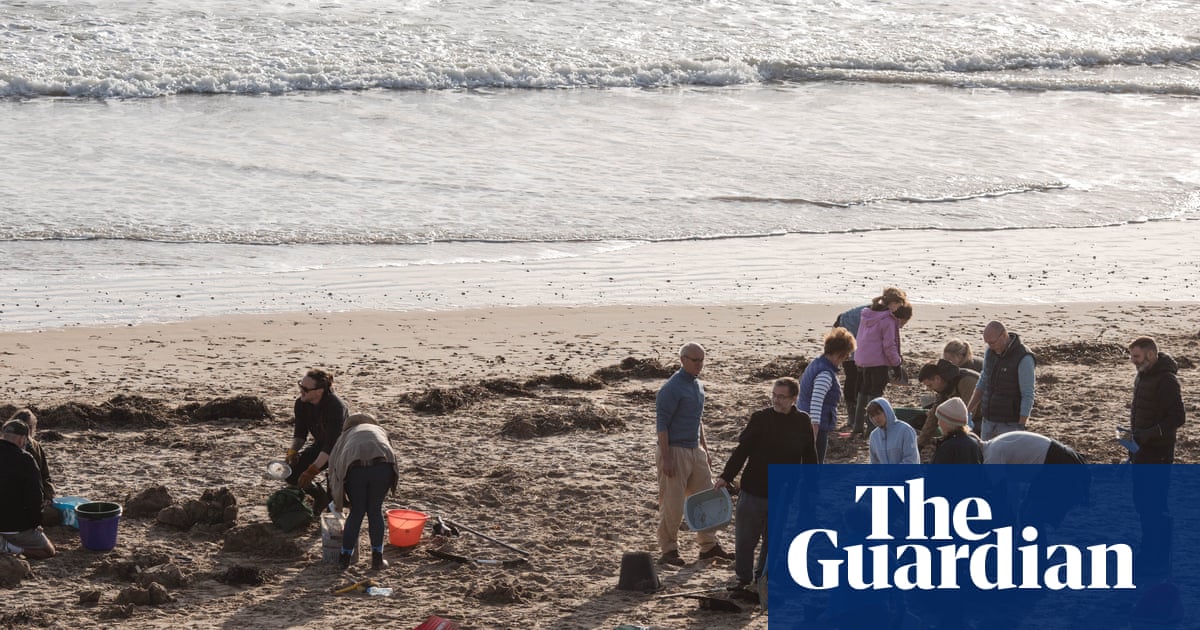
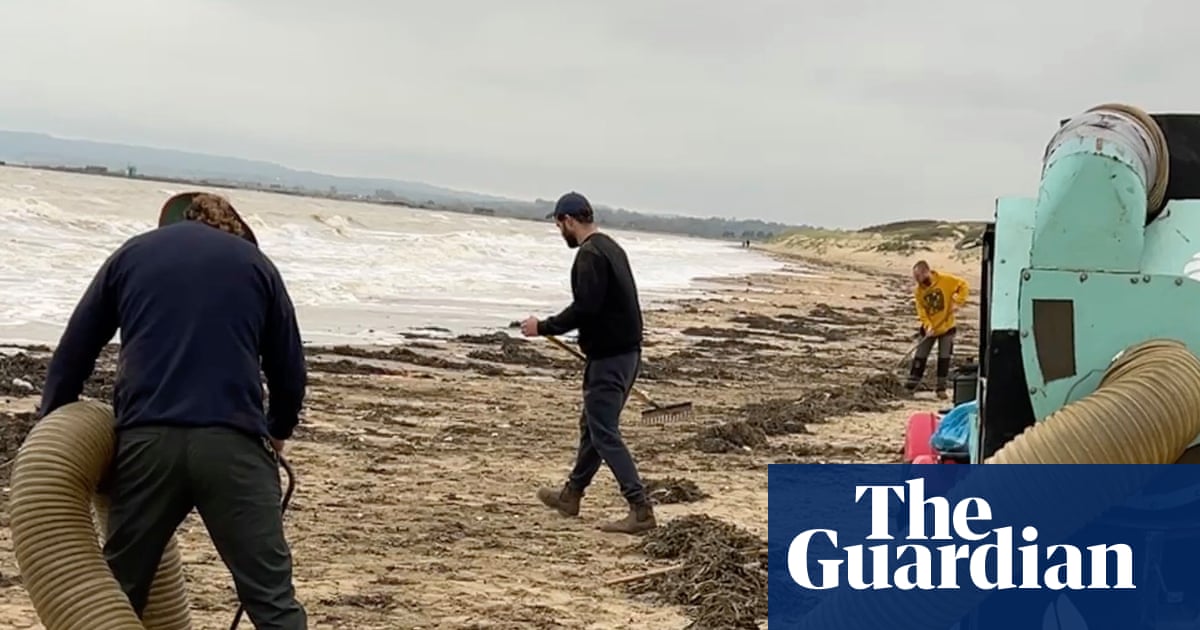
The researchers used a systematic search method to collect and analyse sediment from beaches at Torryburn, Ravenscraig, the Fife coastal path, Carriden, Granton and Prestonpans.
On Granton beach near Edinburgh, researchers from the University of Glasgow found evidence that up to half of the beach’s coarse sediments were from human-made materials. These sediments mostly derive from matter swept from land into the Forth by the erosion of coastal industrial sites and the dumping of waste.