https://arab.news/4nuev
January has been a fast-paced, high-profile start to 2026, with events including the unseating of former Venezuela president Nicolas Maduro from power by the US. Much more under the global radar screen, however, has been the flexing of the EU’s muscles as a global regulatory power with the full introduction of the Carbon Border Adjustment Mechanism.
CBAM will have significant implications for the Middle East and Africa, plus the wider world outside of the EU. For instance, the UAE, Bahrain, and Egypt are among the top ten exporters of aluminum to the EU; for fertilizers, it is Morocco, Egypt, and Algeria.
However, Turkiye may be the most impacted nation in the region. The country is an important supplier of iron and steel, cement, and aluminum for the EU, and the bloc is Turkey’s biggest trading partner.
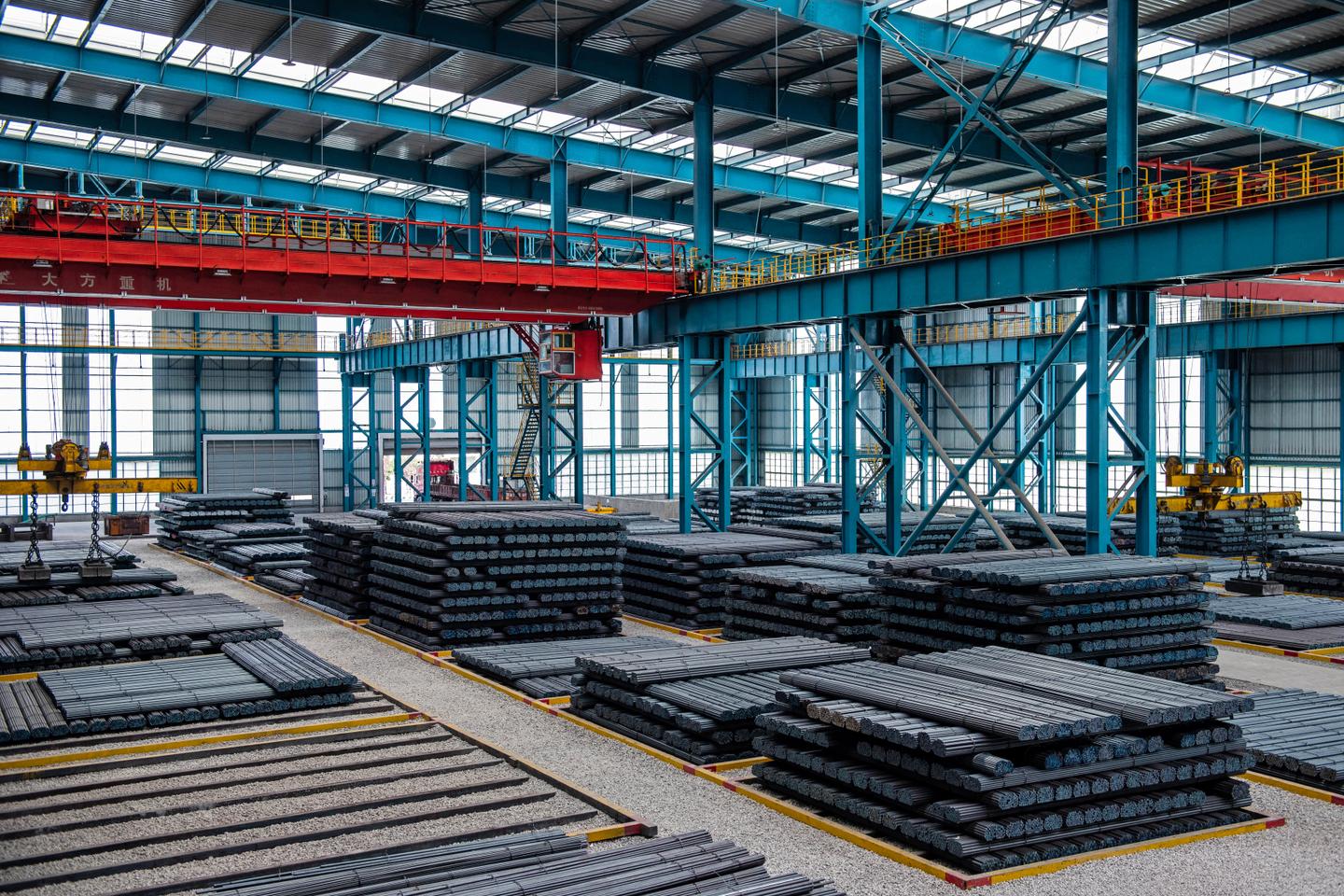
This was highlighted in the European Commission’s initial operational figures following CBAM’s entry into force on Jan. 1. By Jan. 7, over 10,000 CBAM-related import customs declarations were validated automatically through integrated systems; between Jan. 1-6, CBAM covered 1.66 million tonnes of imports, 98 percent of which were iron and steel, mainly originating from Turkiye, China and India. This early data underlines that countries that export high-carbon industrial products such as steel, iron, aluminum, cement, and fertilizers will be most impacted.