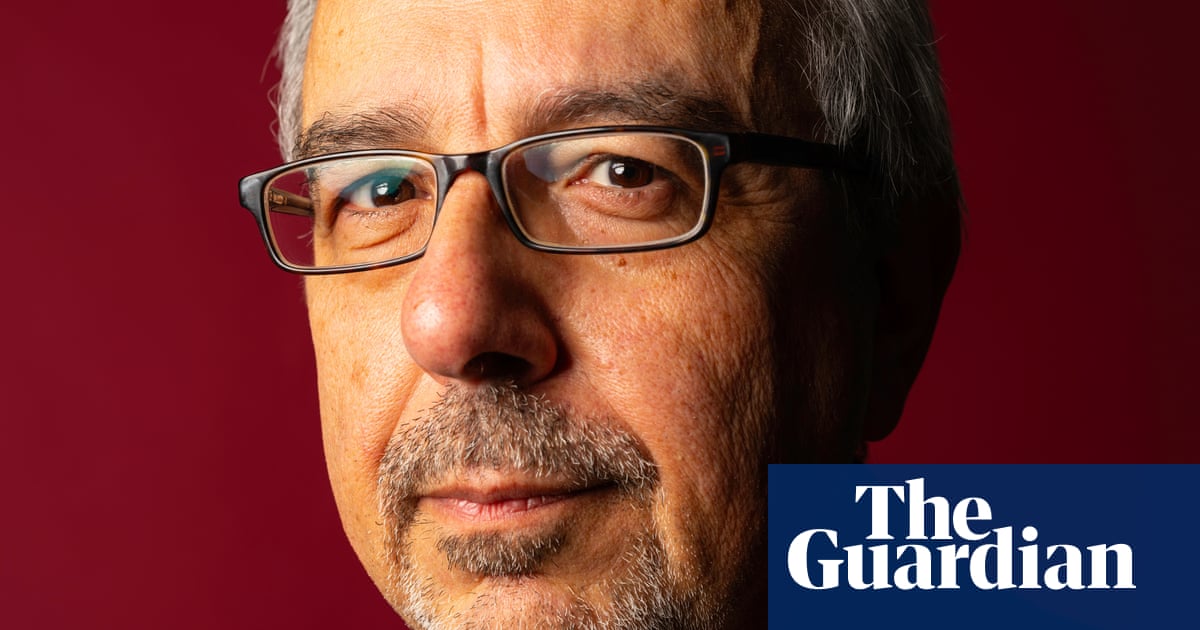
We are living longer and longer, but many of us are unprepared for the challenges age brings, says the novelist and psychotherapist Frank Tallis
W
e have never lived so long, so well, nor had more available advice on how to do so: don’t smoke, don’t drink, don’t eat ultraprocessed foods; lift weights, get outside, learn a language. Cosmetics – or surgery – have never been so available, so advanced, nor so widely used; we take for granted medical procedures that previous ages would have considered miracles. And something’s clearly working: average global life expectancy is the highest in recorded history. The fastest growing demographic is now the over-80s.
There is much public hand-wringing about the burdens this ageing population will place on health and care systems, and on younger people. But what is far less talked about, argues the clinical psychologist Frank Tallis in his new book, Wise, is how to get older well: not just in physical, but in mental good health.
Midlife has throughout history been a hinge point where such questions come to the fore. We never know when that midpoint will be, but there is often, in a person’s 40s, a constellation of symptoms ranging from mild memory issues and general unease to severe psychological distress, and sometimes such an urge to upend things that in the 1960s, the Canadian psychoanalyst Elliott Jaques named it “the midlife crisis”. The term is now often used as a punchline, especially with regard to men, but, writes Tallis, “the male midlife crisis isn’t really a comedy. It is a tragedy.” His contention is that as most of us live longer, and chase youth ever more intently, the question of how to manage that presumed midpoint – and thus the increasingly long second stage of life – just becomes more urgent.