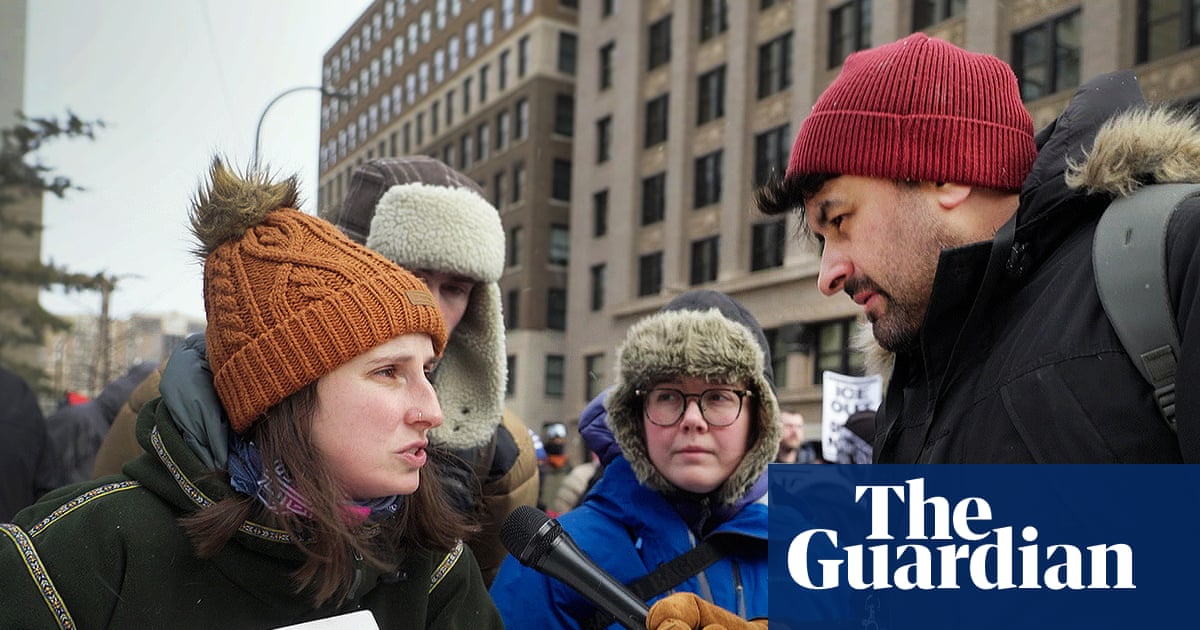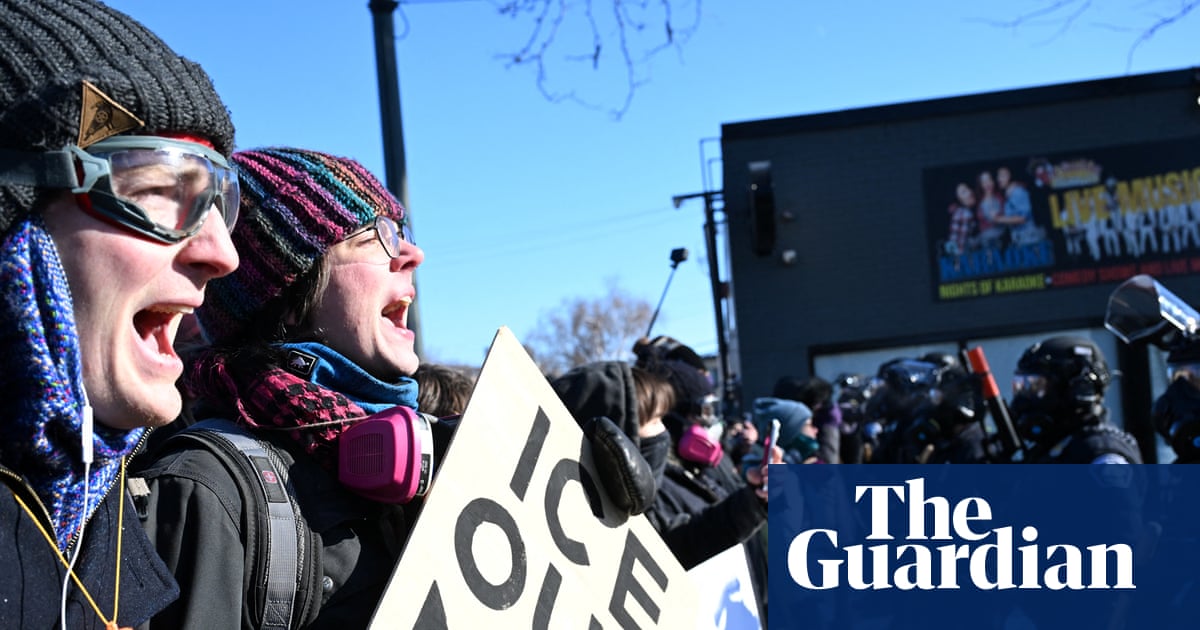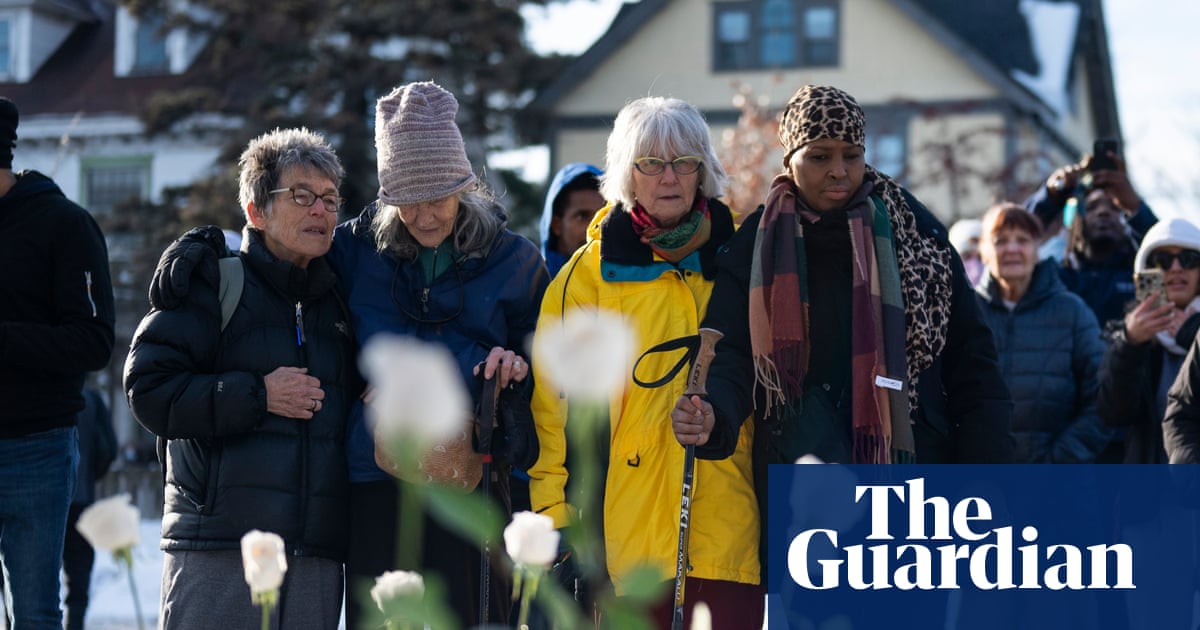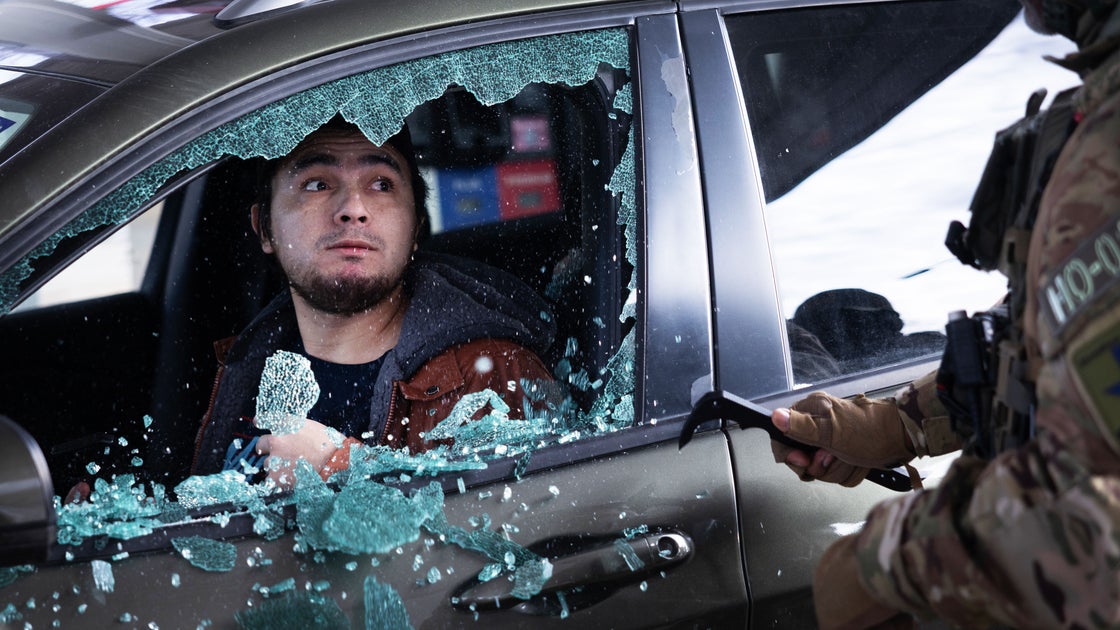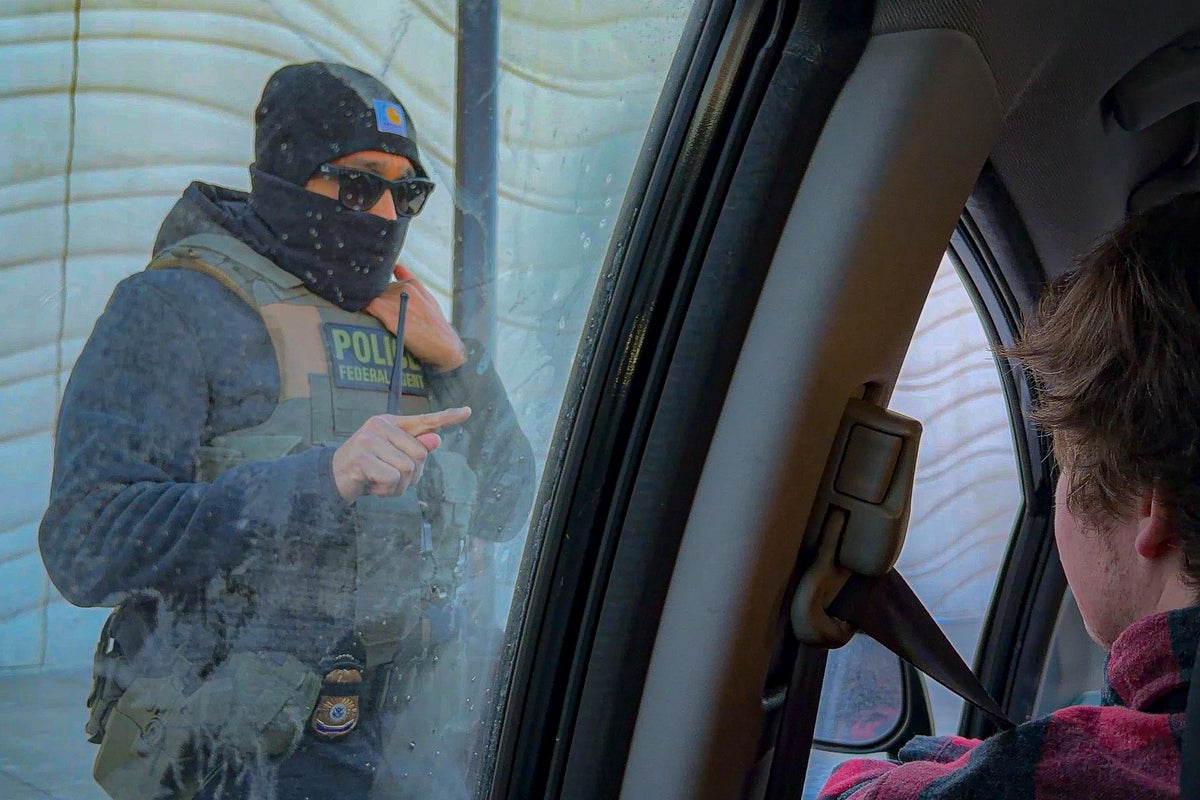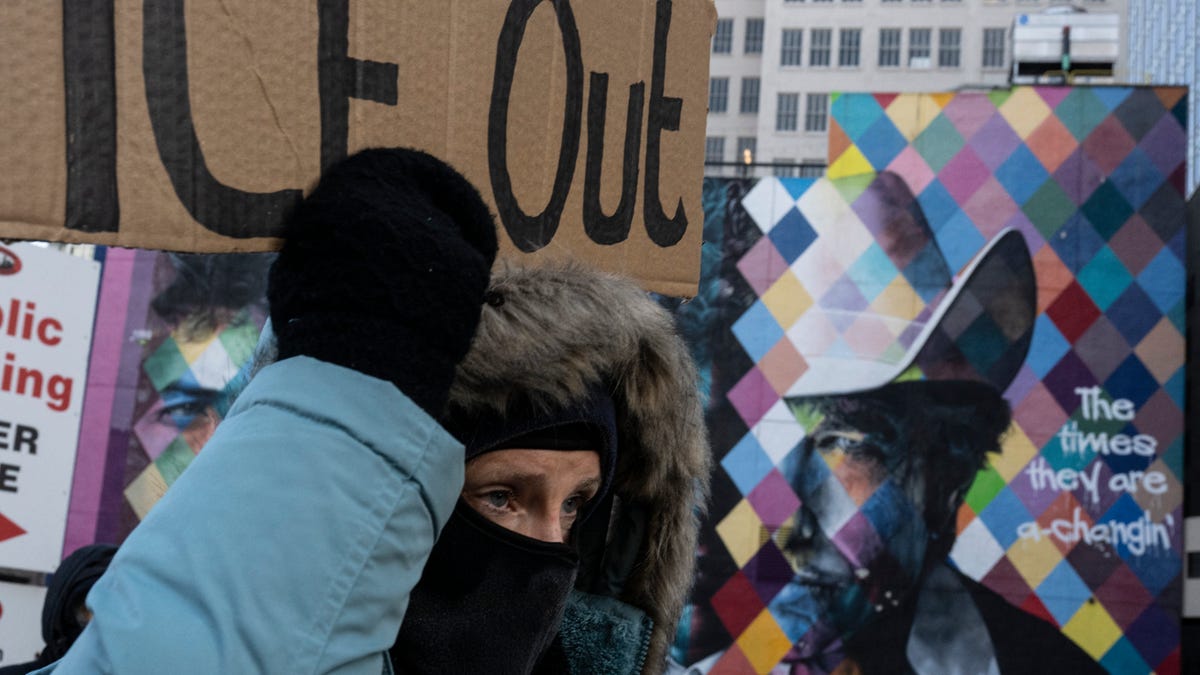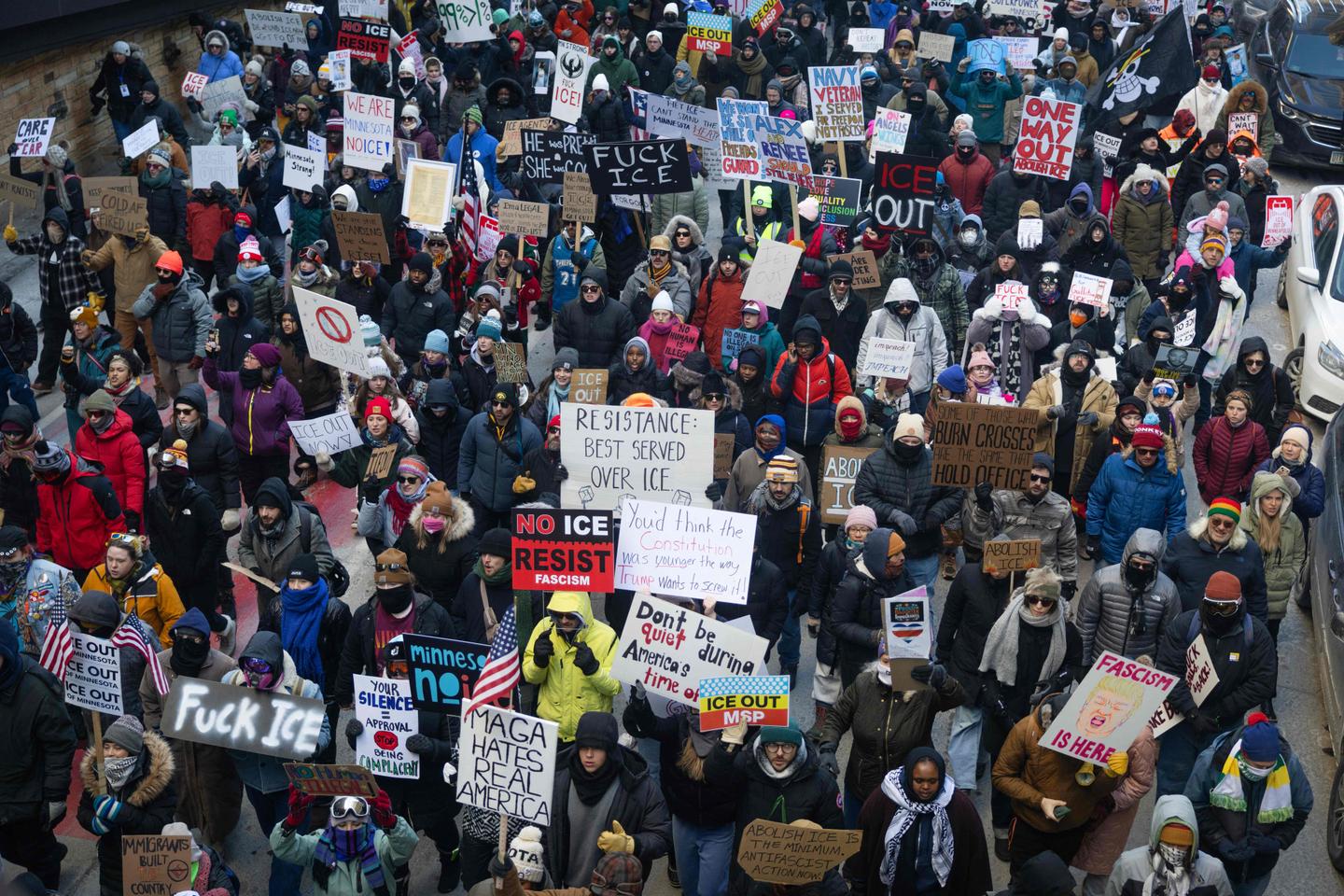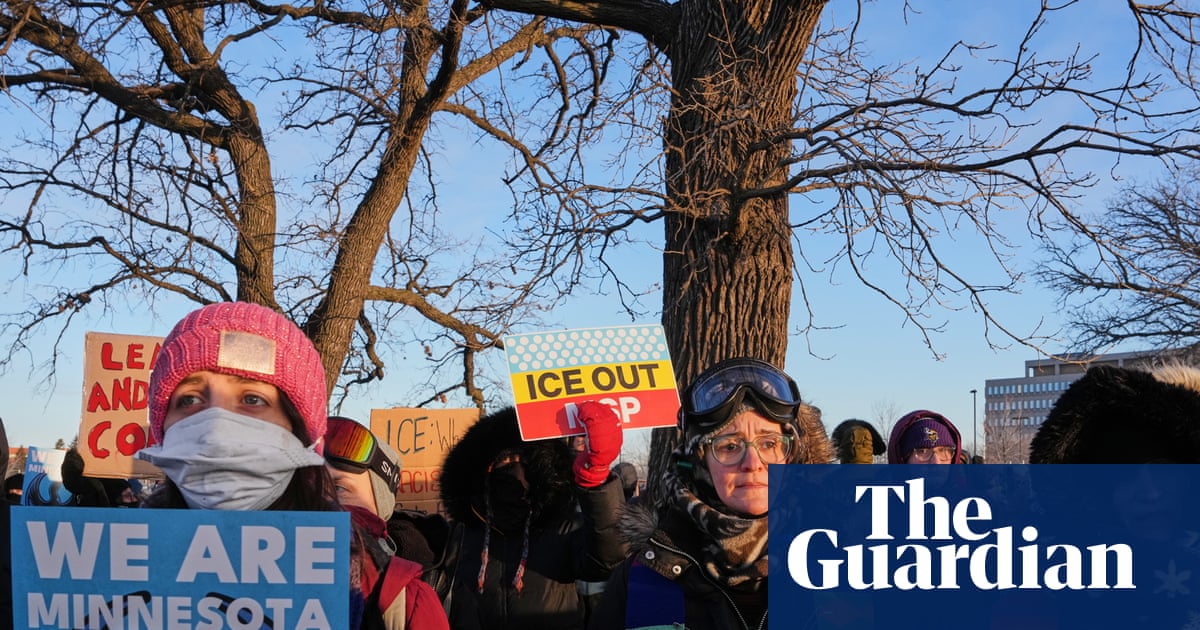
Networks created after police killed George Floyd were reactivated to challenge Trump’s mass deportation policy
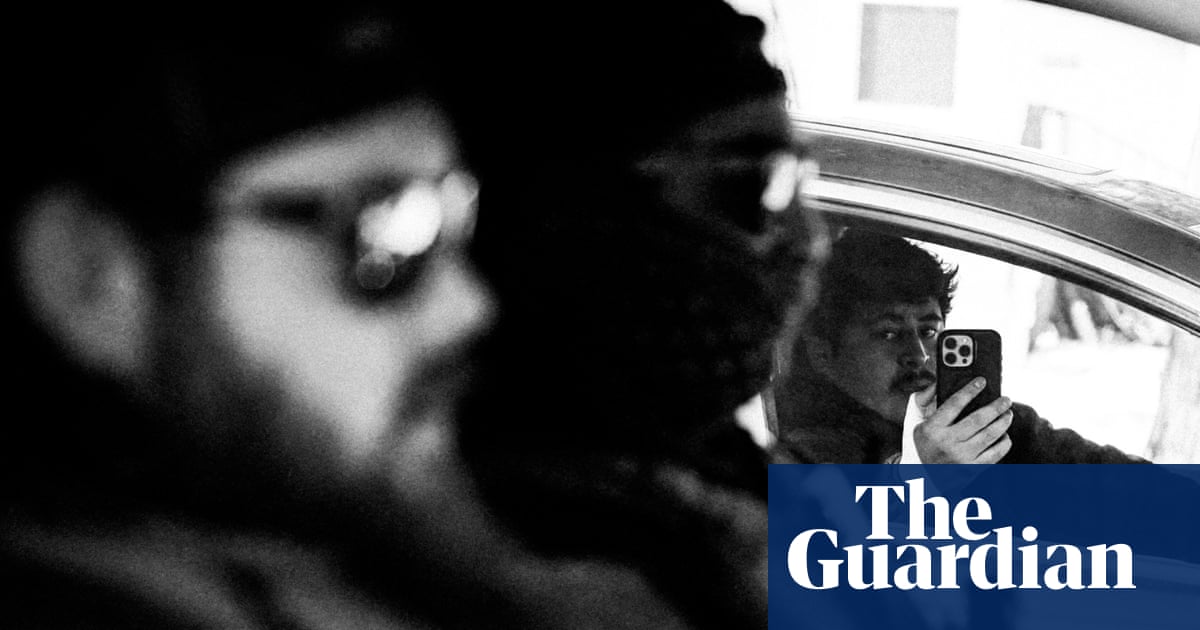
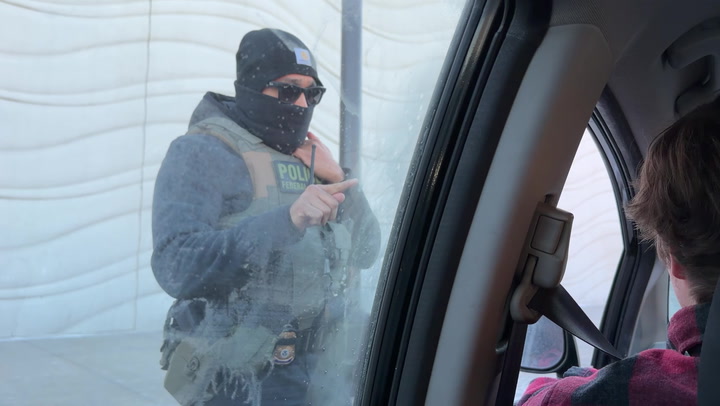
Cory never expected he’d spend hours each day driving around after immigration agents, videotaping their moves. The south Minneapolis resident is “not the type of person to do this”, he said.
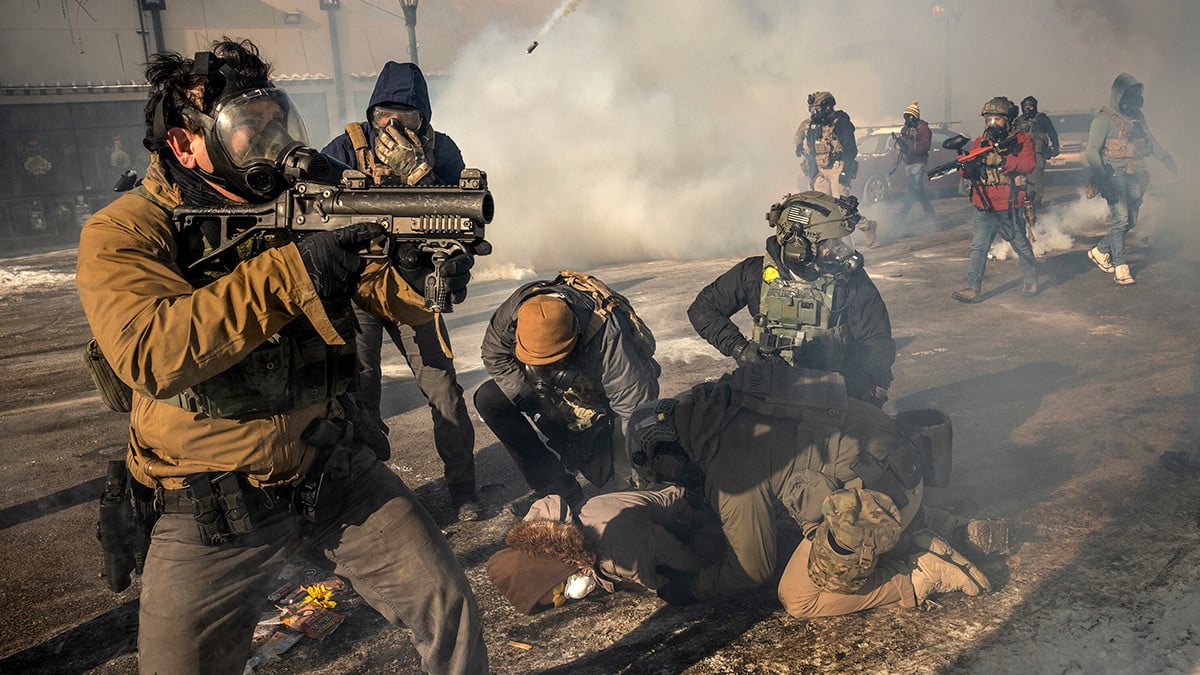
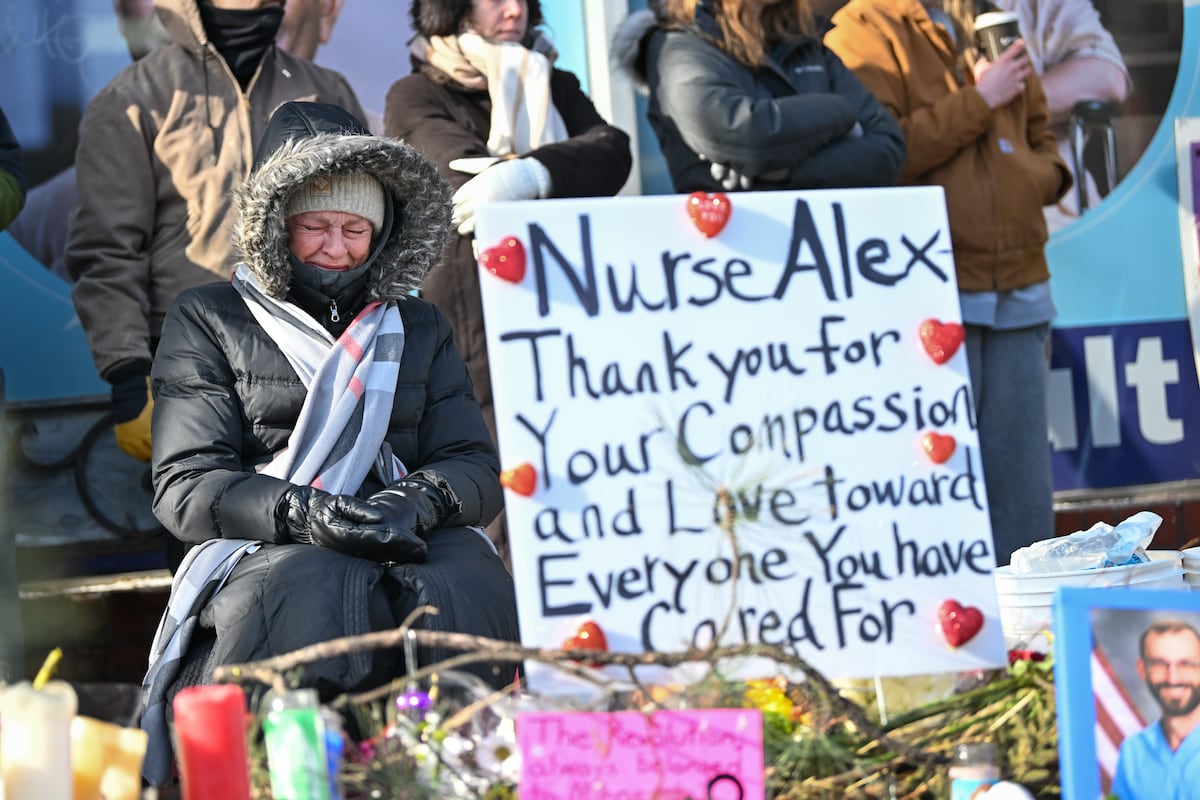
The dangers of what he’s doing, even after the killings of two observers, largely stay out of his mind when he’s watching Immigration and Customs Enforcement (ICE) agents – even when he’s gotten hit with pepper spray. In quieter moments, it occurs to him that agents likely know where he lives. Alex Pretti, the 37-year-old whom agents killed while he was filming them, “100% could have been me”, Cory said.
Still, he felt no choice but to step up. He had taken legal bystander training in November when other cities were experiencing ICE’s crackdowns. And in early January, as more and more stories surfaced about people being taken by federal agents from their families, at bus stops, from their jobs, it became clear to him that Minnesotans needed to do whatever they could.
“We learned growing up about a lot of horrible things people have done in history. And there’s a lot of asking yourself, ‘What would I have done if I was in that time period?’” Cory said. “And I found myself asking that a lot – like, what is our obligation to stop things, like these horrible racist attacks on people and frankly what feels like an ethnic cleansing project?”