https://arab.news/wzzde
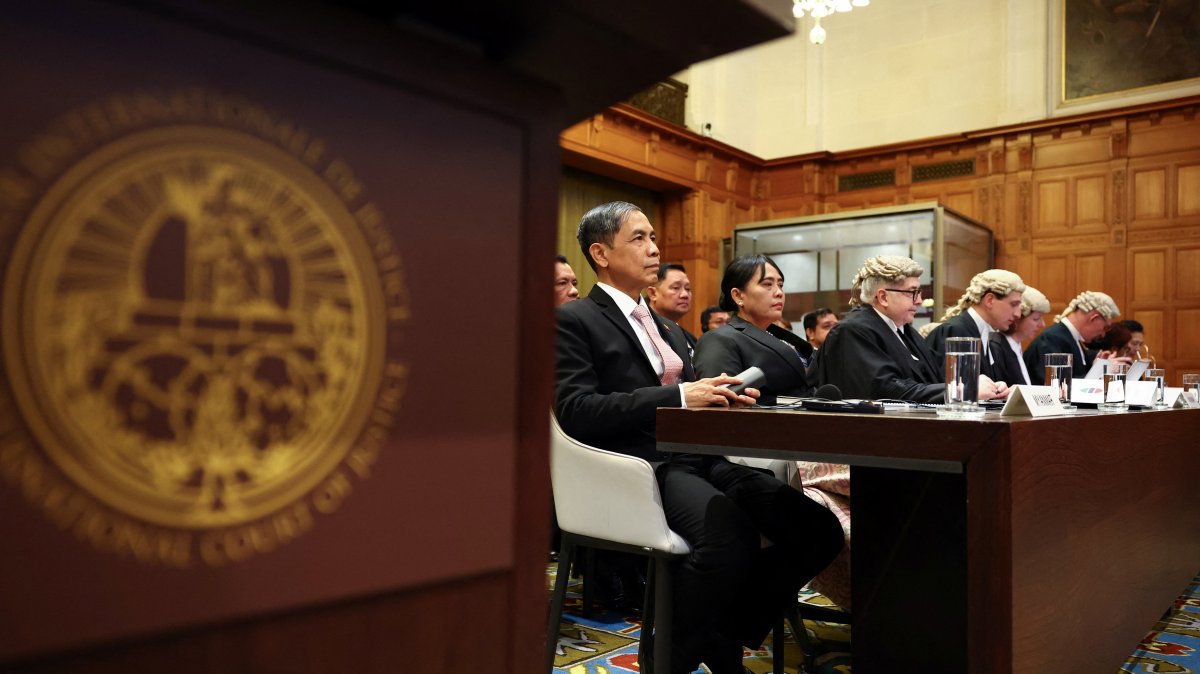
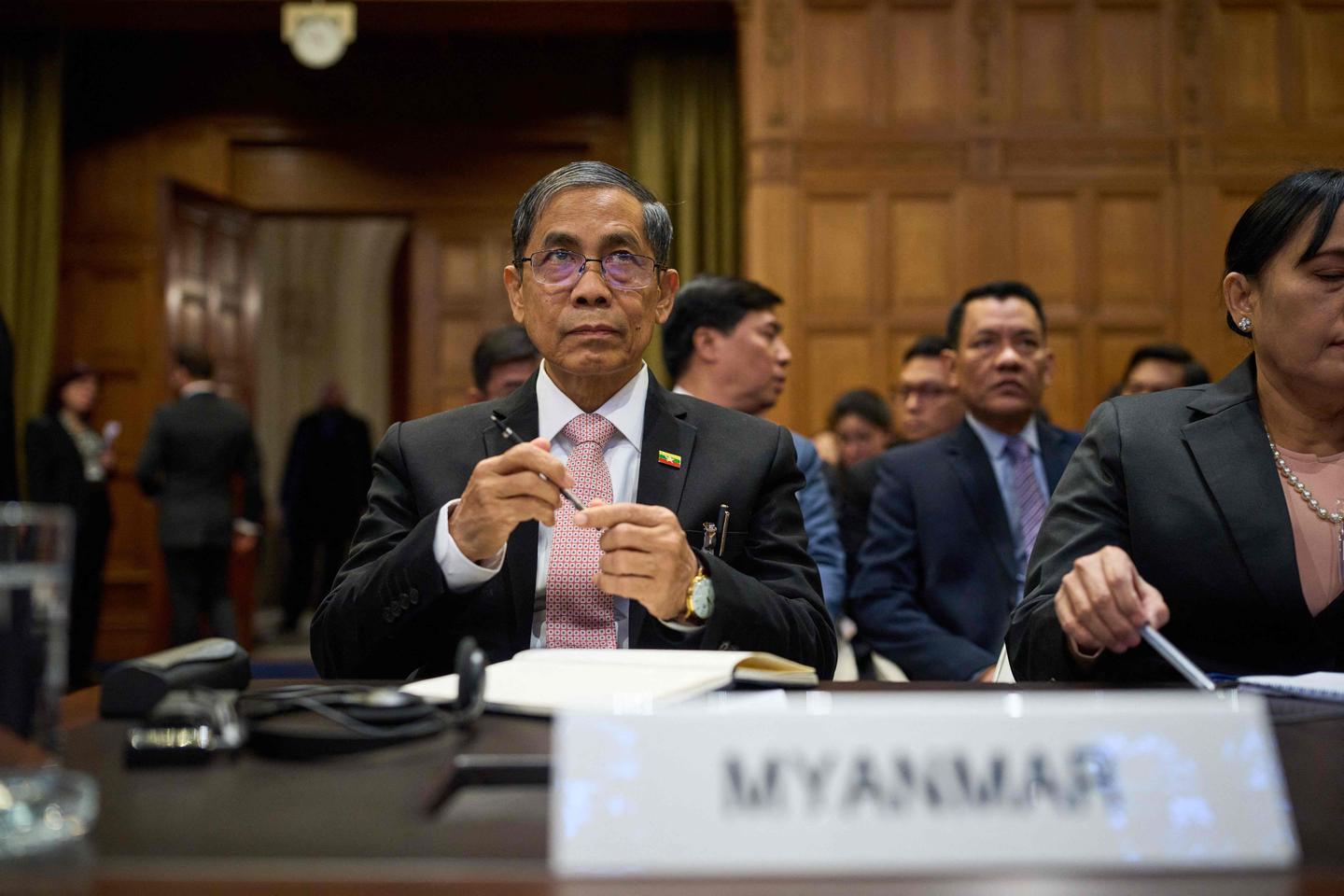
Over the past several days, the hearings at the International Court of Justice in The Hague have revealed something far more consequential than a procedural dispute over jurisdiction or representation. They have exposed a deliberate and coherent legal strategy by Myanmar’s military rulers: the systematic erasure of the Rohingya as a people from the courtroom itself.
Rather than grappling with the substance of the genocide allegations brought under the Genocide Convention, the junta’s lawyers retreated almost entirely into abstraction. Their submissions were dominated by arguments about standing, admissibility, timelines and who has the authority to speak for Myanmar. What was striking was not simply what was said but what was consistently avoided. The Rohingya were rarely named. Their identity, history and continued suffering were conspicuously absent from a case that exists solely because of crimes committed against them.
This was not an oversight. It was a strategy.
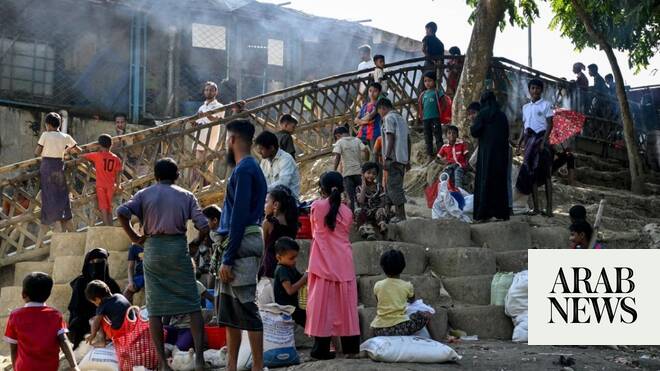
Genocide, under international law, begins with the targeting of a protected group. The crime is not only about mass killing, it is about the destruction of a people as such. In Myanmar, that process unfolded over decades through the denial of citizenship, restrictions on movement, exclusion from education and the systematic delegitimization of Rohingya identity. By the time the military launched its 2016-2017 “clearance operations,” the Rohingya had already been rendered legally and politically invisible within the state.