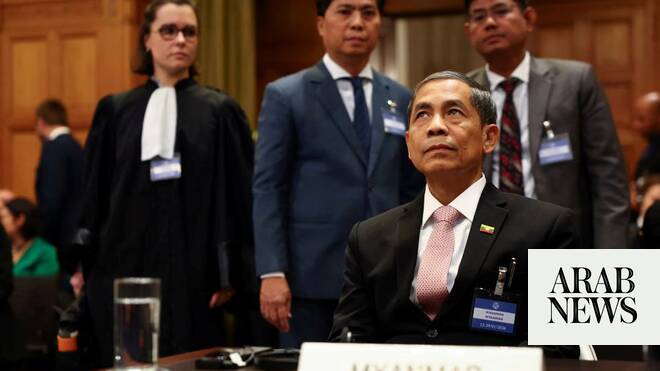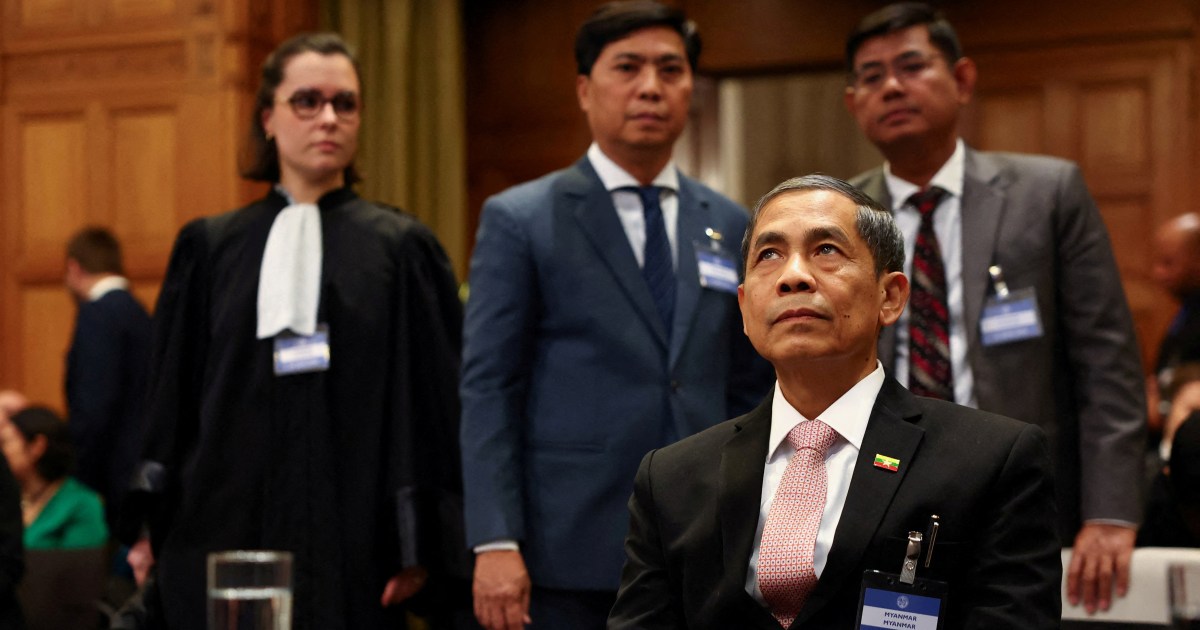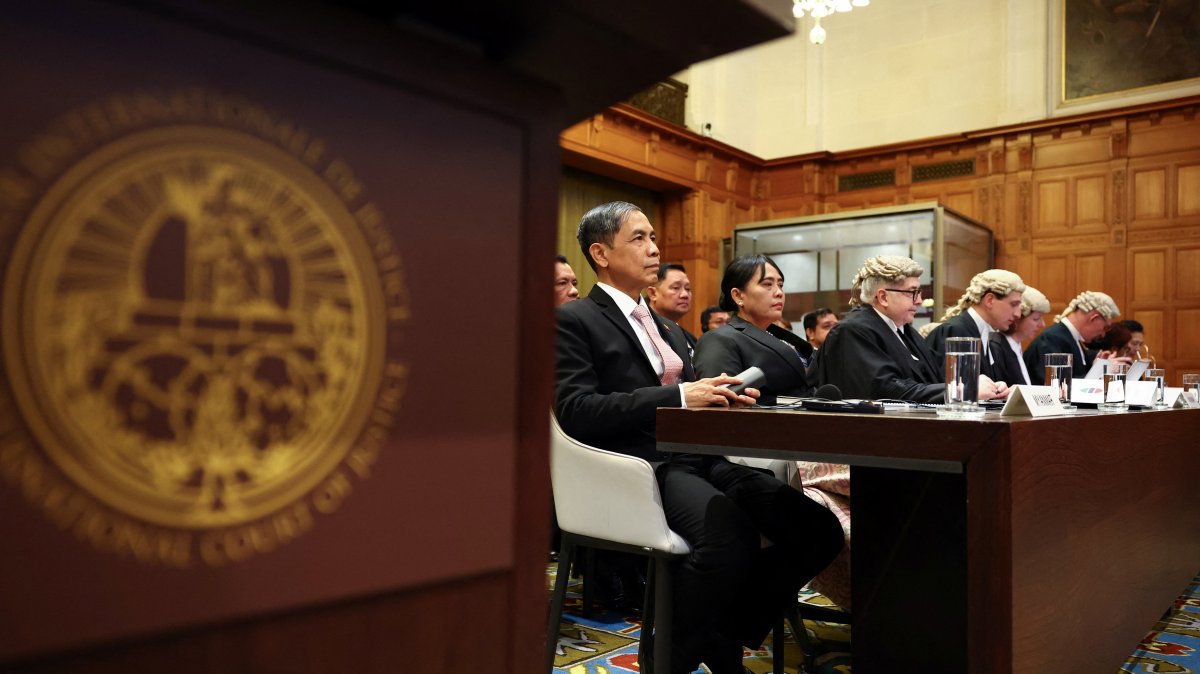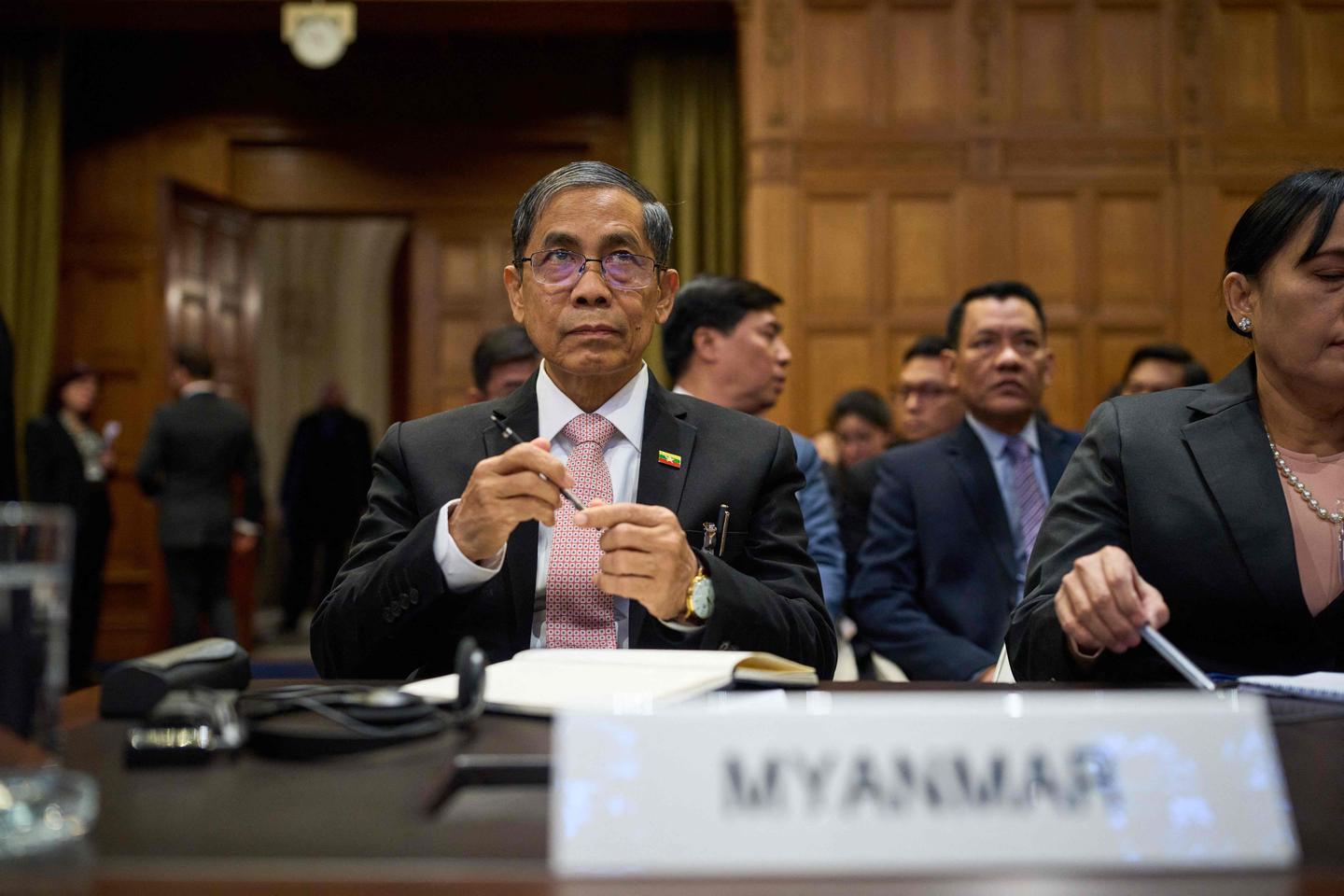
Myanmar's Minister for International Cooperation, Ko Ko Hlaing, at the International Court of Justice, in The Hague, Netherlands, on January 12, 2026. PHIL NIJHUIS / AFP
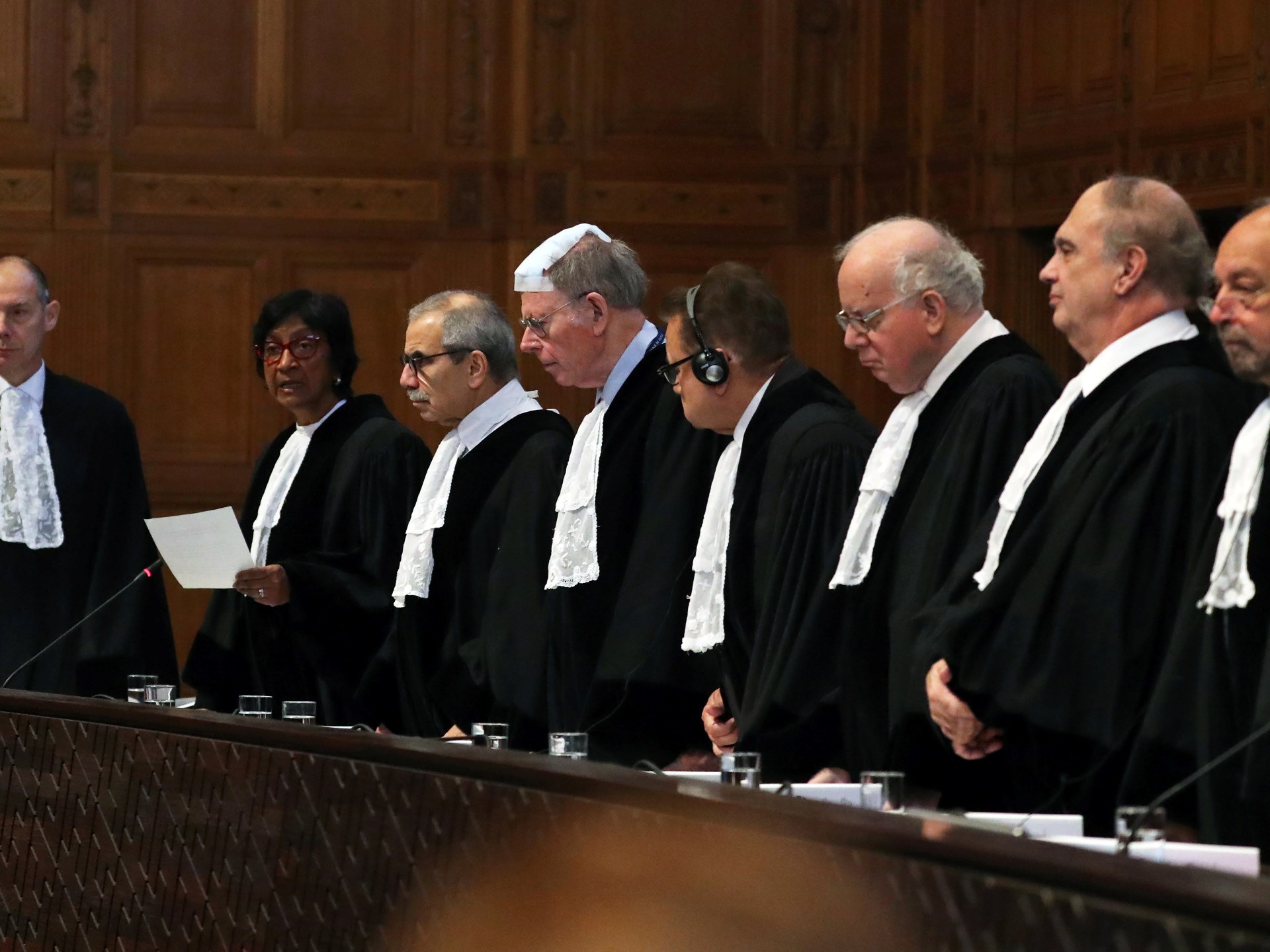
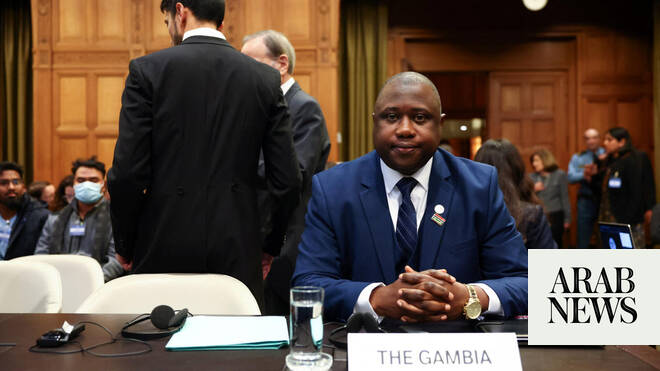
Hearings opened in The Hague, Netherlands, on January 12 at the International Court of Justice (ICJ), where Myanmar has been accused of violating the 1948 United Nations (UN) Convention on the Prevention and Punishment of the Crime of Genocide by deliberately targeting the Rohingya minority. "These oral hearings come at a time in which the fundamental principles of international law, as enshrined in the UN Charter, are under stress and threat globally," said Gambian Attorney General Dawda Jallow. At a time in which some fear the demise of international law, from Gaza to Kyiv via Caracas, the small West African nation stood up before the 14 judges from five continents.
The case dates back to November 11, 2019. Backed by the 57 countries of the Organization of Islamic Cooperation (OIC), Gambia decided to bring a case before the UN's highest court against Myanmar, accusing the junta of violating the Genocide Convention. At the time, many believed the judges would throw out the case. The ICJ's role is to settle disputes between states, and the two countries were not in conflict. They had no historical, diplomatic or economic ties. However, the Genocide Convention requires all states to prevent and punish genocide. The Court therefore agreed to hear Gambia's petition. It is up to states "to truly liberate mankind from the odious scourge that is the crime of genocide," Jallow argued Monday.