https://arab.news/vnexp
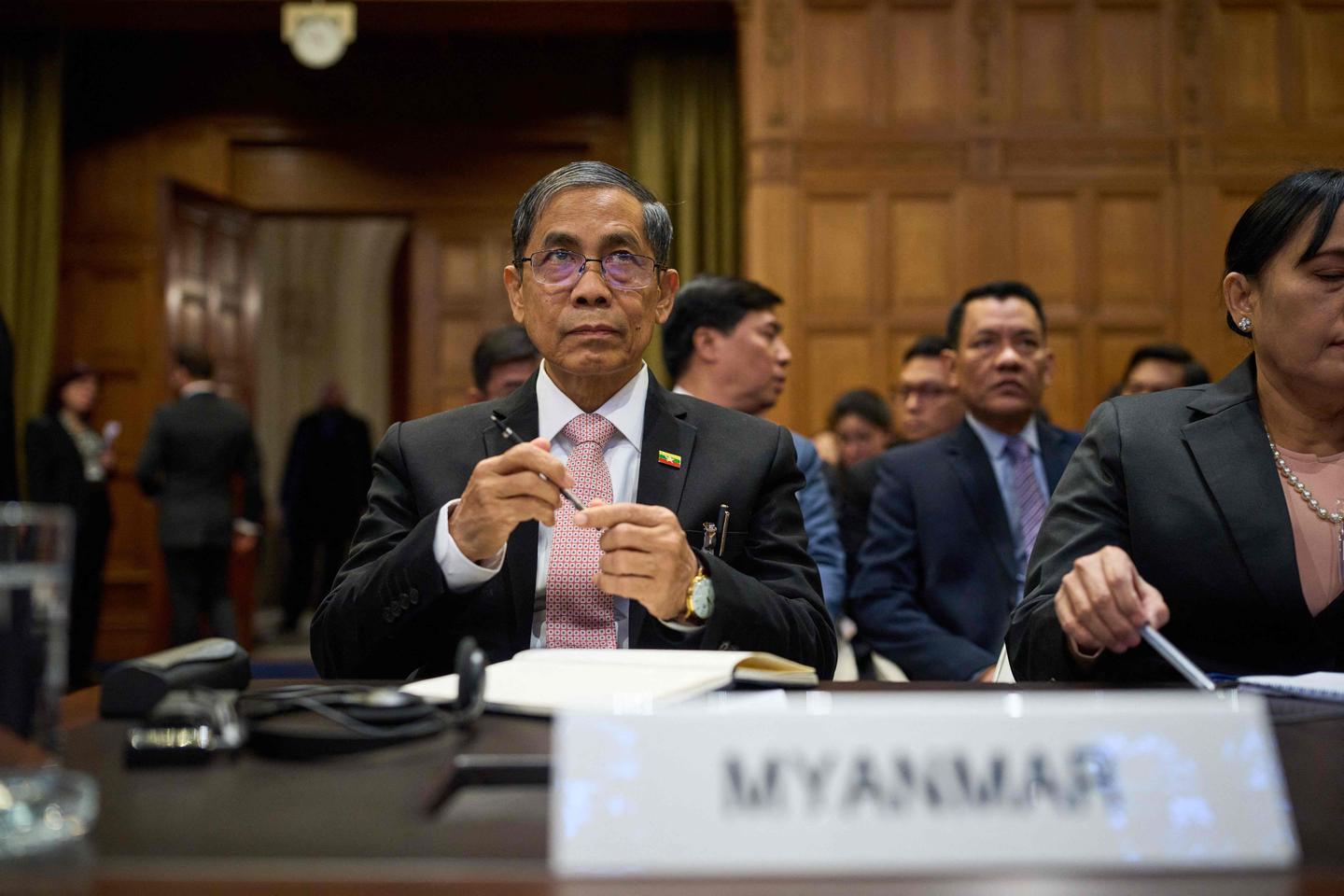
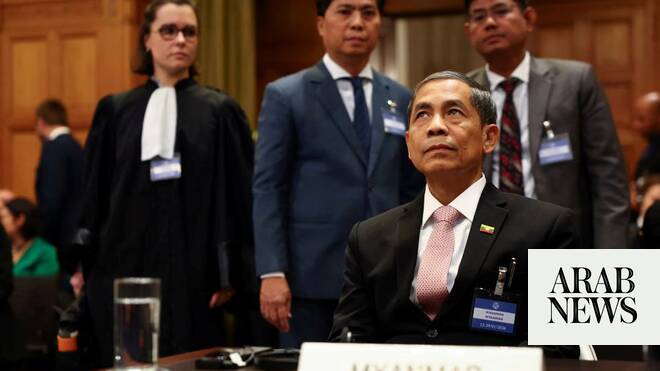
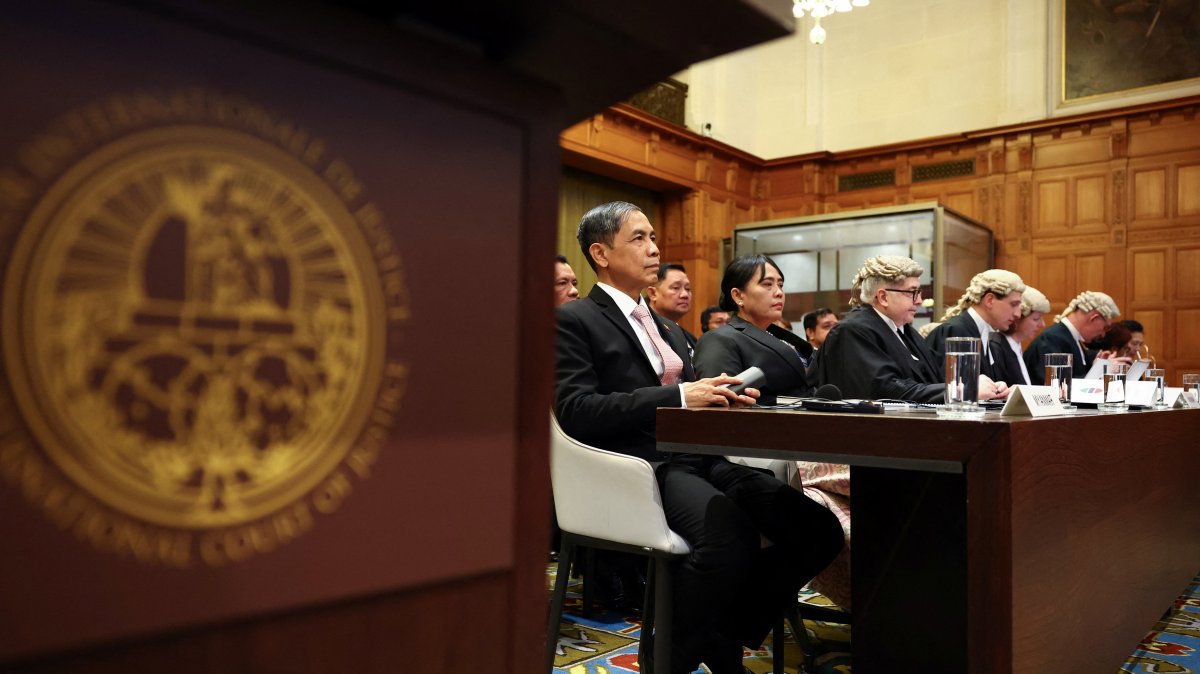
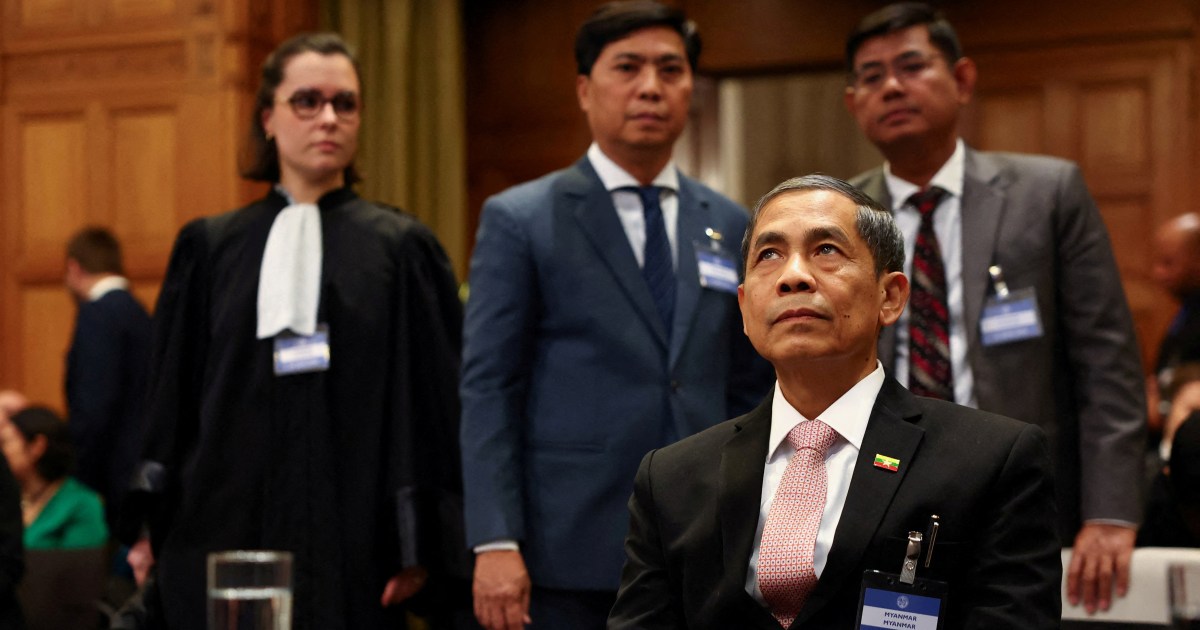
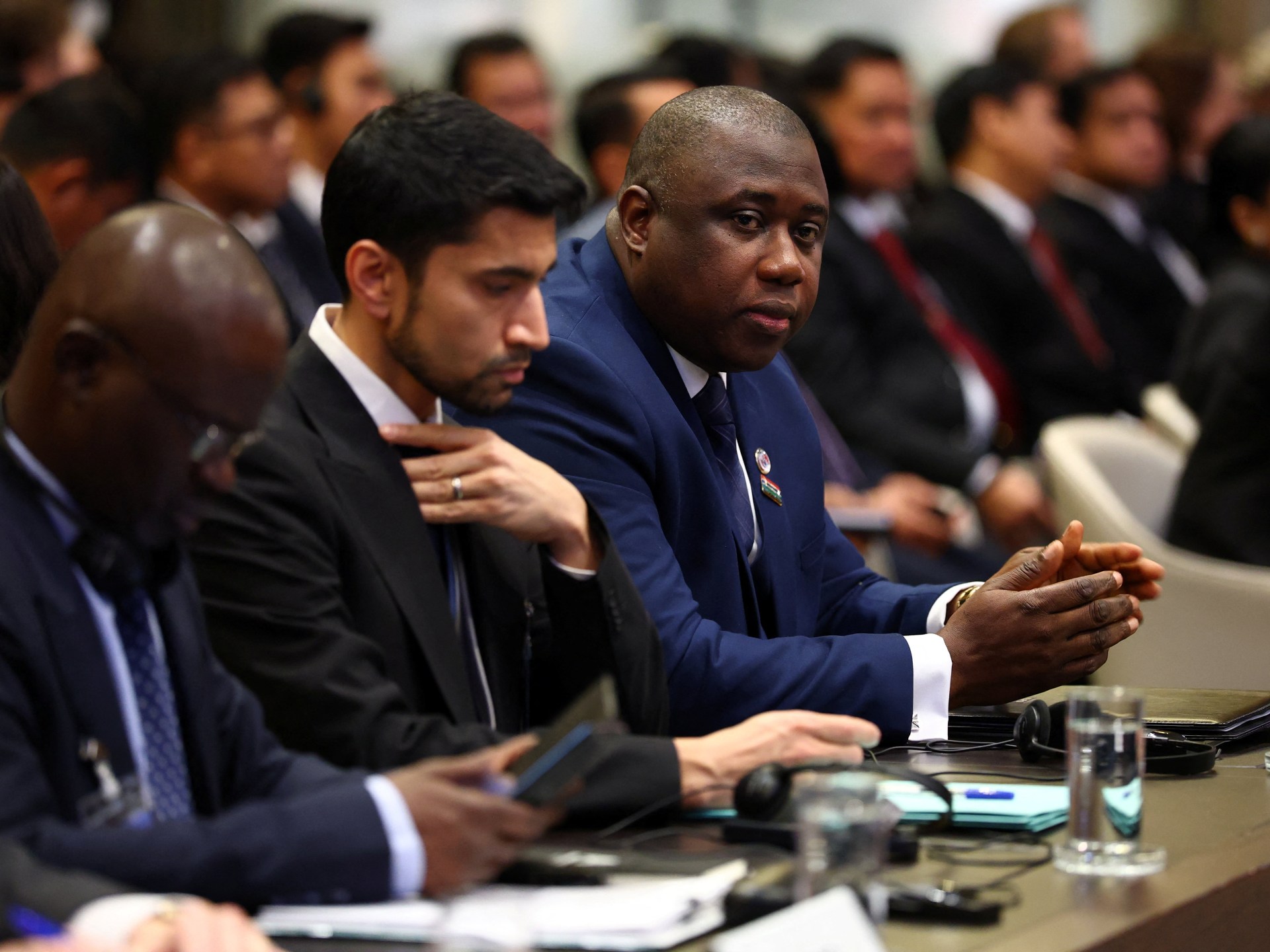
With hearings opening this month at the International Court of Justice in The Hague, the genocide case concerning Myanmar and the Rohingya has entered its most consequential phase. Formally, the proceedings are about whether Myanmar violated the 1948 Genocide Convention. In reality, the case has evolved into something far larger: a stress test of whether international law can still function when regimes accused of mass atrocities manipulate legal institutions to shield themselves from accountability.
The hearings in “The Gambia v. Myanmar” are historic in scale and scope. Eleven states have formally intervened, including the UK, Germany, France, the Netherlands and Canada. This level of multilateral engagement is rare and reflects the gravity with which the international community views crimes committed against the Rohingya.
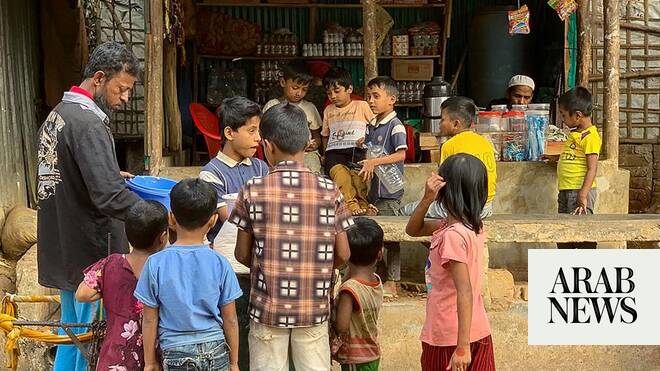
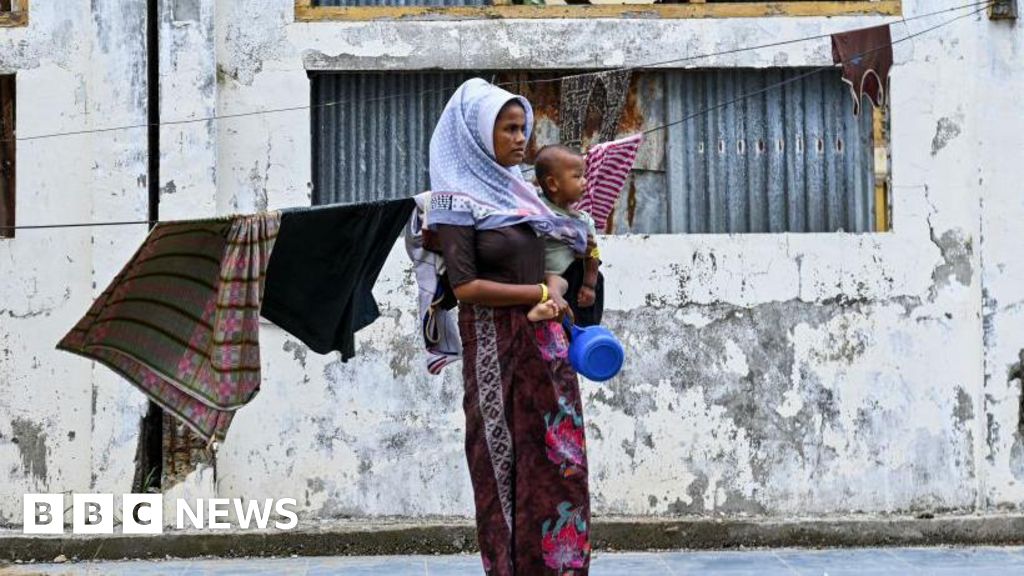
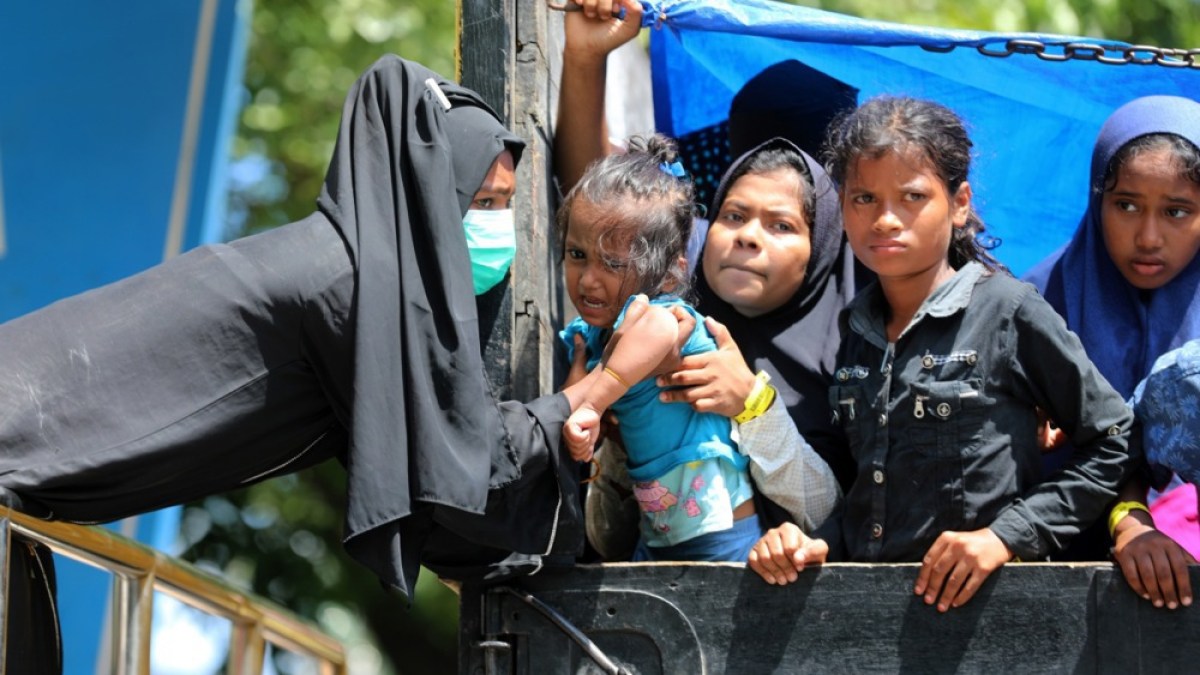
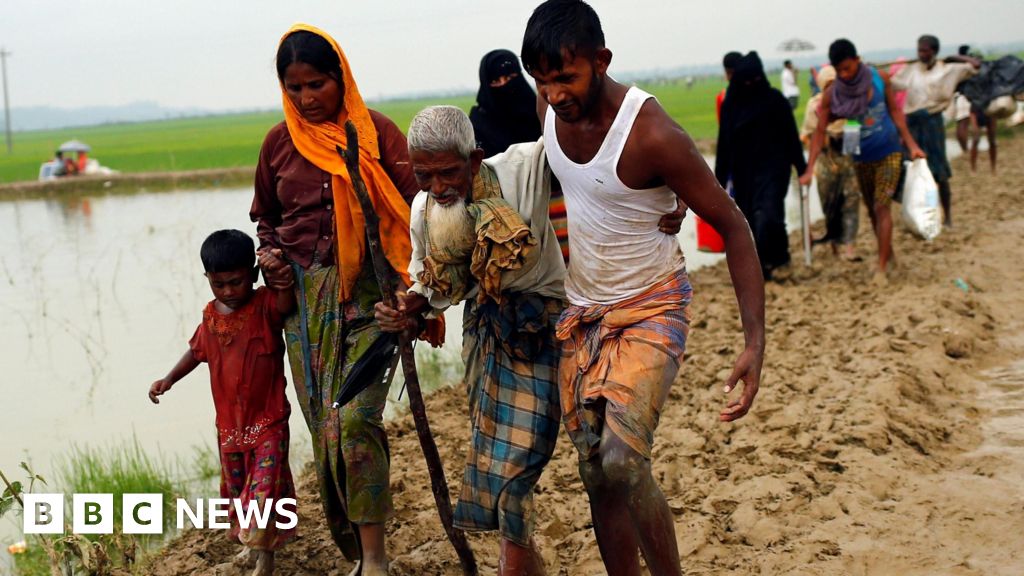
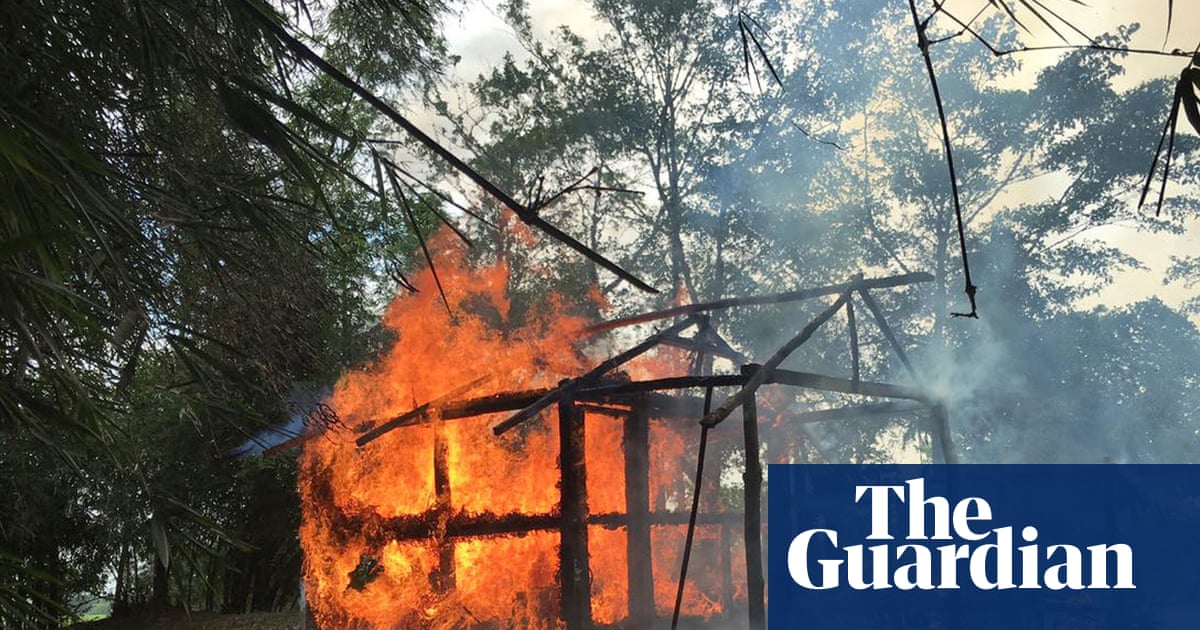
Since 2017, more than 740,000 Rohingya have fled Myanmar into Bangladesh, joining earlier waves of refugees. UN investigators have documented killings, mass rape, village burning and systematic efforts to erase Rohingya identity. Provisional measures ordered by the court in 2020 required Myanmar to prevent genocidal acts and preserve evidence. The question now is not only whether those obligations were breached, but whether the legal process itself can withstand political subversion.