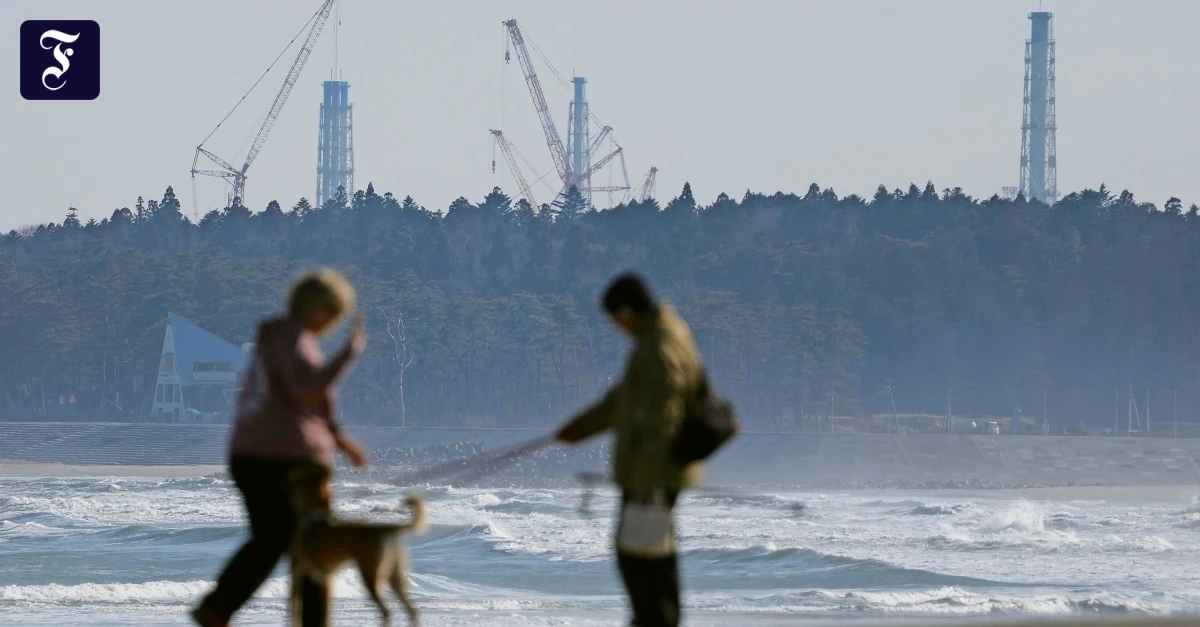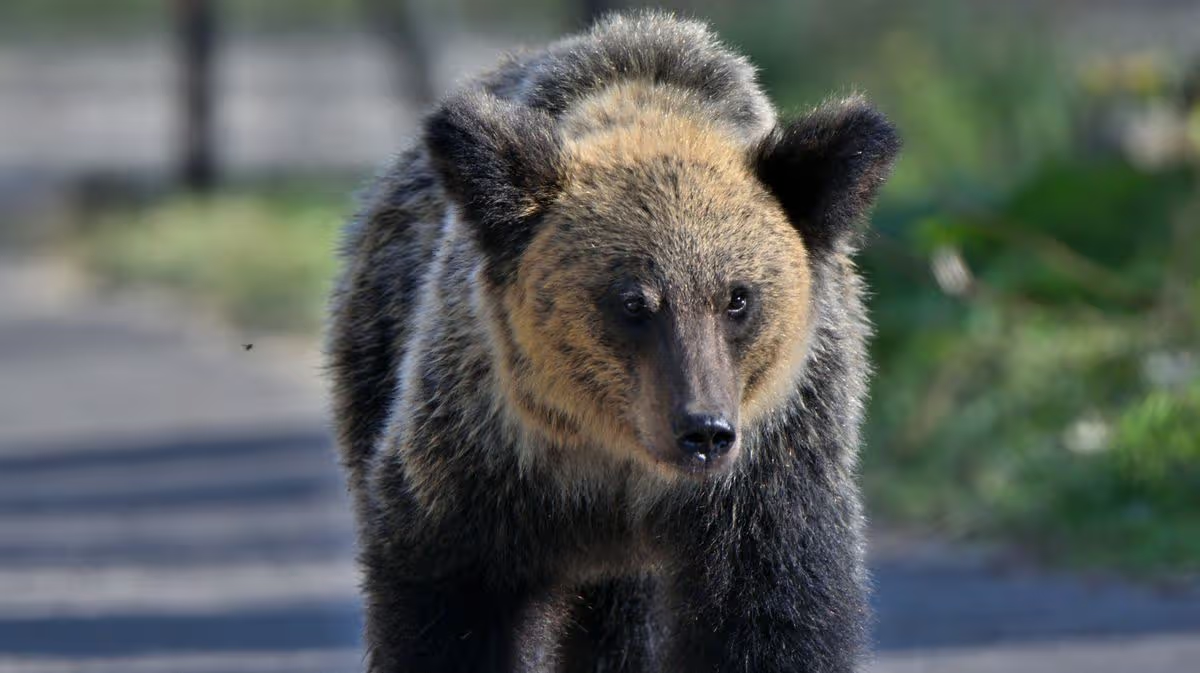
Fifteen years after a tsunami caused the Fukushima nuclear accident, only bears, raccoons and boar are seen on the streets. But the authorities and some locals want people to move back
N
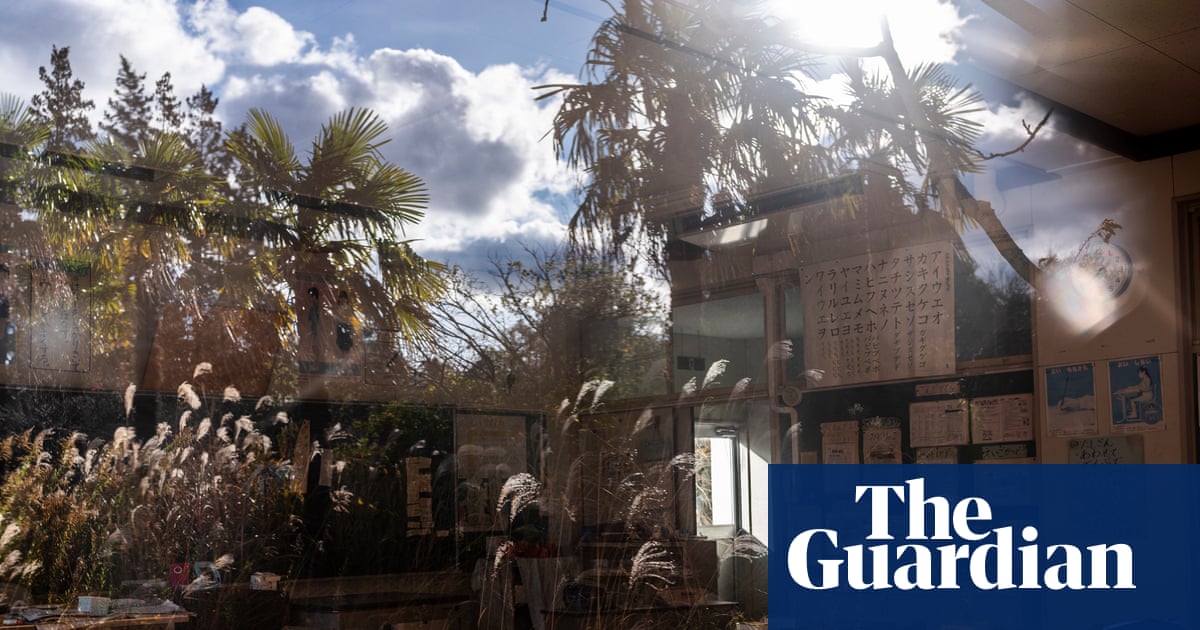
orio Kimura pauses to gaze through the dirt-flecked window of Kumamachi primary school in Fukushima. Inside, there are still textbooks lying on the desks, pencil cases are strewn across the floor; empty bento boxes that were never taken home.
Along the corridor, shoes line the route the children took when they fled, some still in their indoor plimsolls, as their town was rocked by a magnitude-9 earthquake on the afternoon of 11 March 2011 which went on to cause the world’s worst nuclear disaster since Chornobyl.
The building is frozen in time, but outside, the once-pristine playground is a tangle of weeds and susuki wild grass, the top of a slide just visible in the background. The upper rungs of a metal ladder children once scaled as part of an obstacle course have become indivisible from the trunk of the tree it has leaned against, untouched, for 15 years.