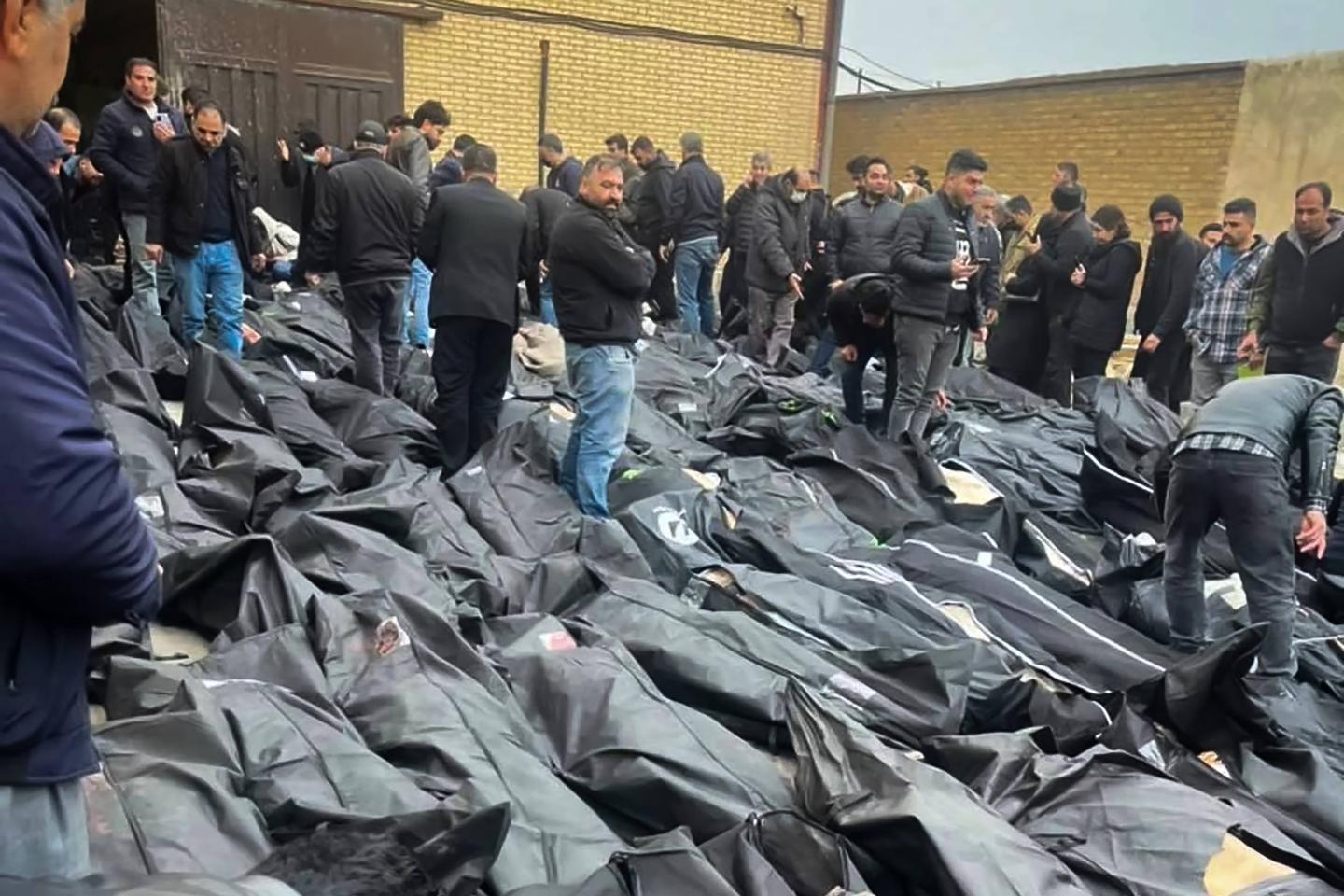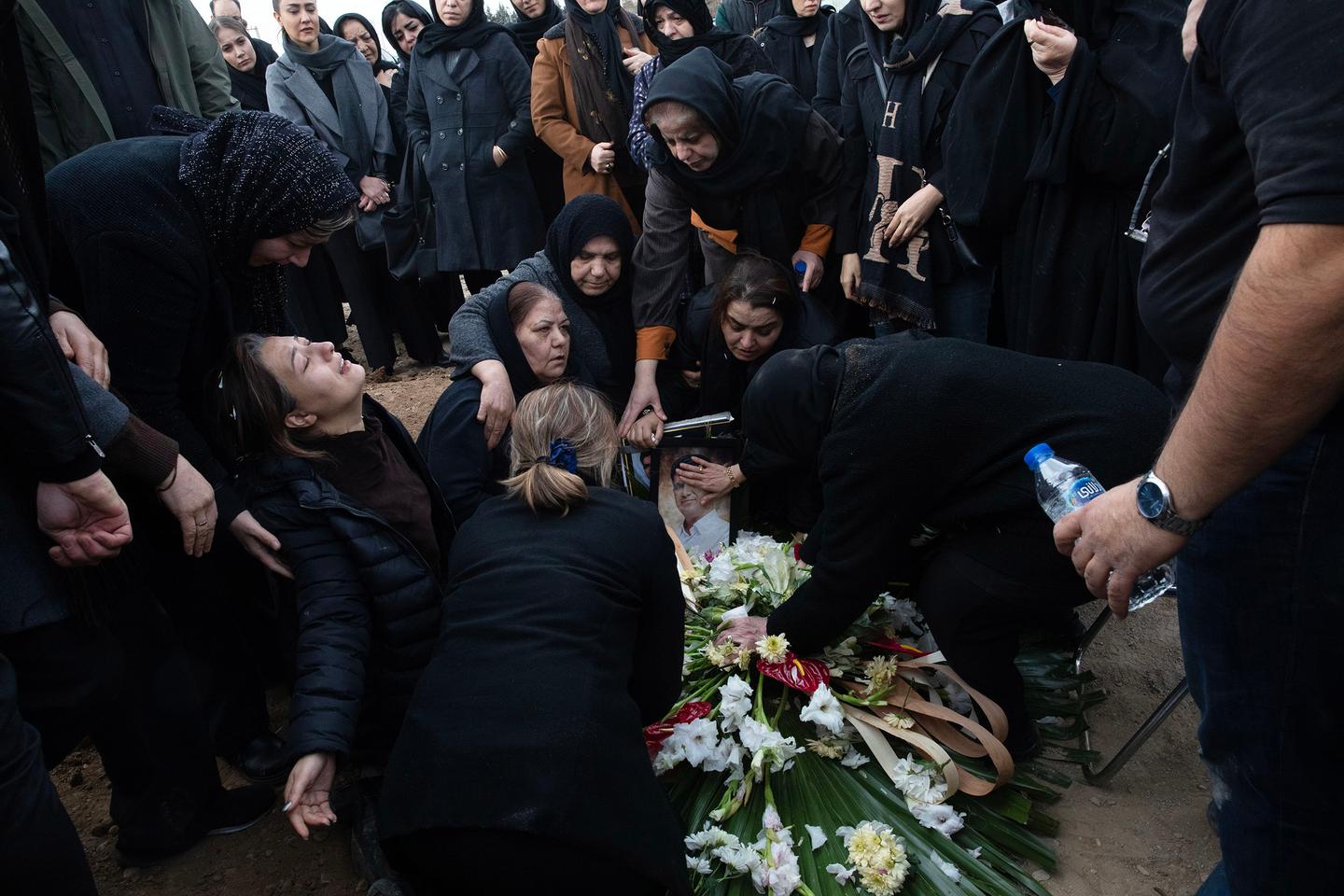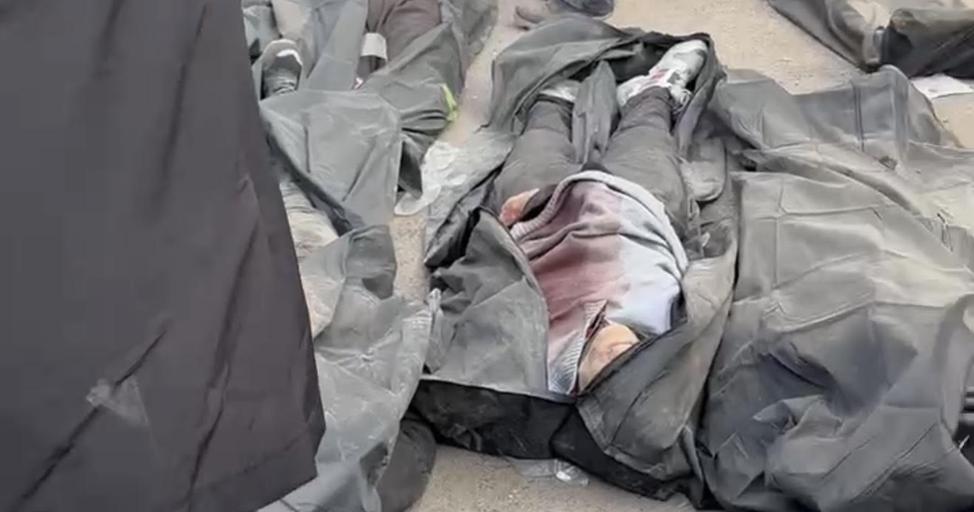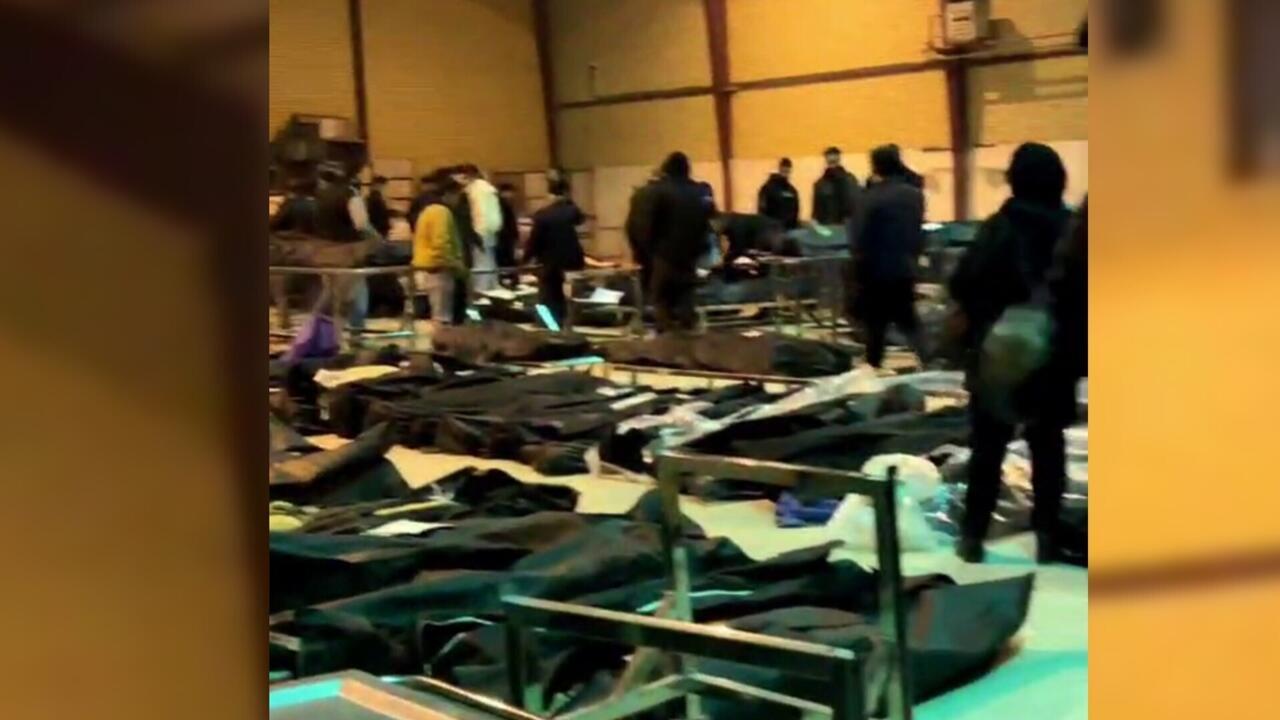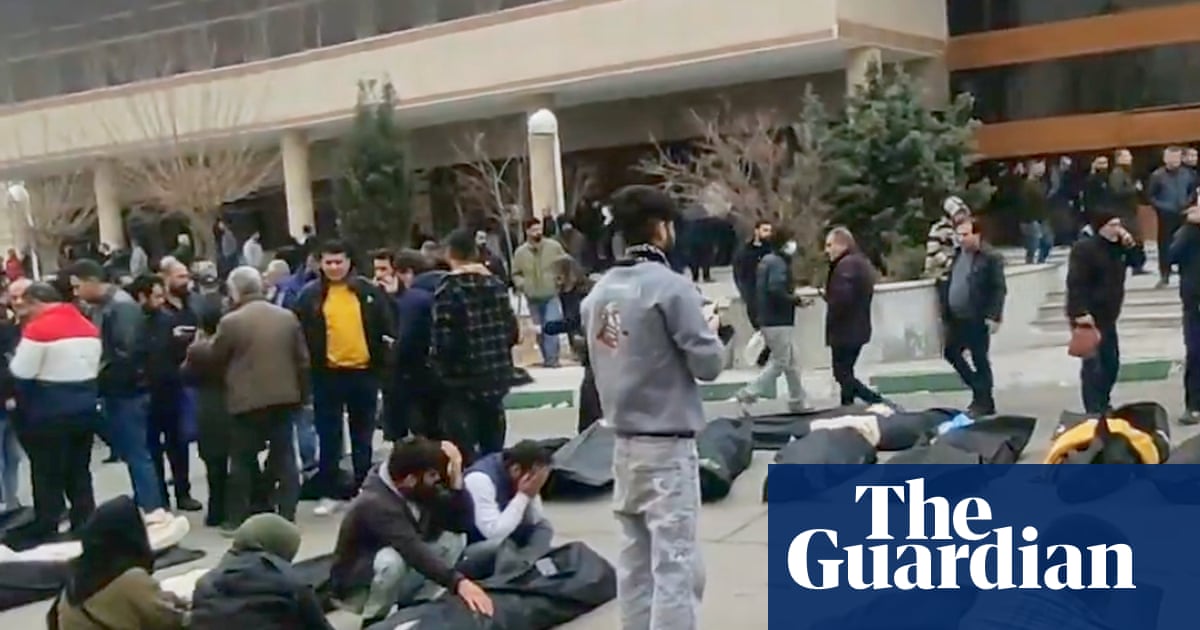
Testimony from medics, morgue and graveyard staff reveals huge state effort to conceal systematic killing of protesters
On Thursday 8 January, in a midsize Iranian town, Dr Ahmadi’s* phone began to buzz. His colleagues in local emergency wards were getting worried.
All week, people had taken to the streets and had been met by police with batons and pellet guns. With treatment, their injuries should not have been too serious. But emergency room staff believed many wounded young people were avoiding hospitals, terrified that registering as trauma patients would lead to their identification and arrest.
Quietly, Ahmadi [who remains anonymous due to fear of reprisals, but whose identity, credentials and presence within Iran during the unrest have been verified by the Guardian] and his wife began treating patients at a location outside Iran’s government hospital system. Alerted by a local whisper network, wounded young people flocked to them. Mostly, they brought superficial injuries – laceration wounds needing stitches and antibiotics. As Thursday evening wore on, more and more arrived to be patched up.
The next day, everything abruptly changed. Protesters kept coming, but their injuries were close-range gunshots and severe stab wounds, typically to the chest, eyes and genitals. Many proved fatal.