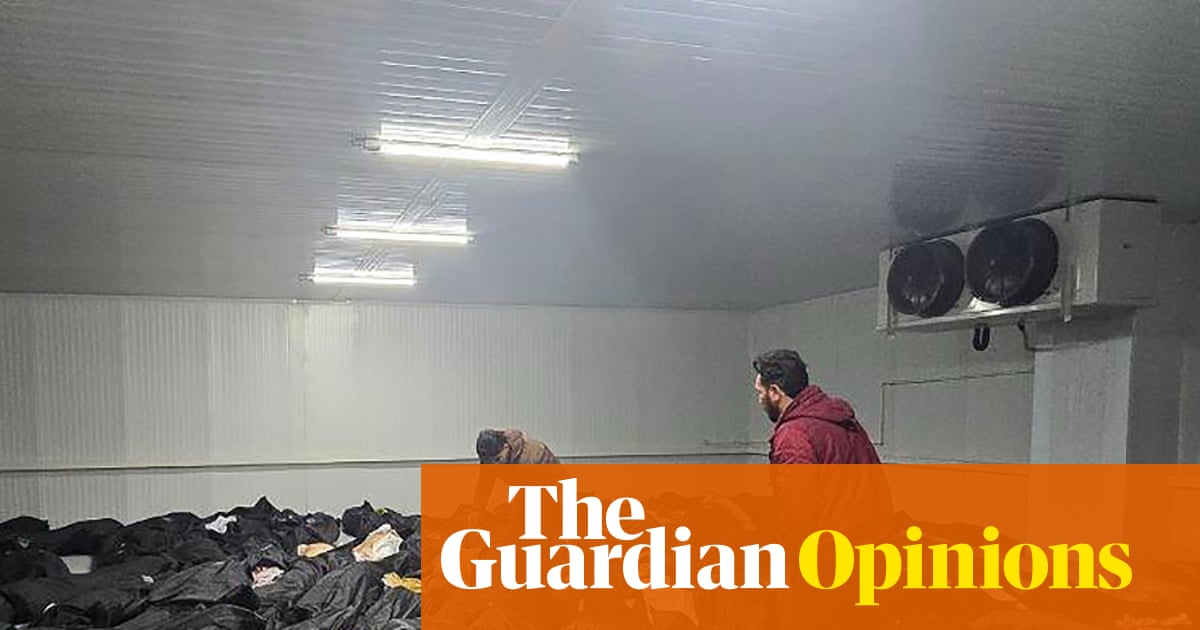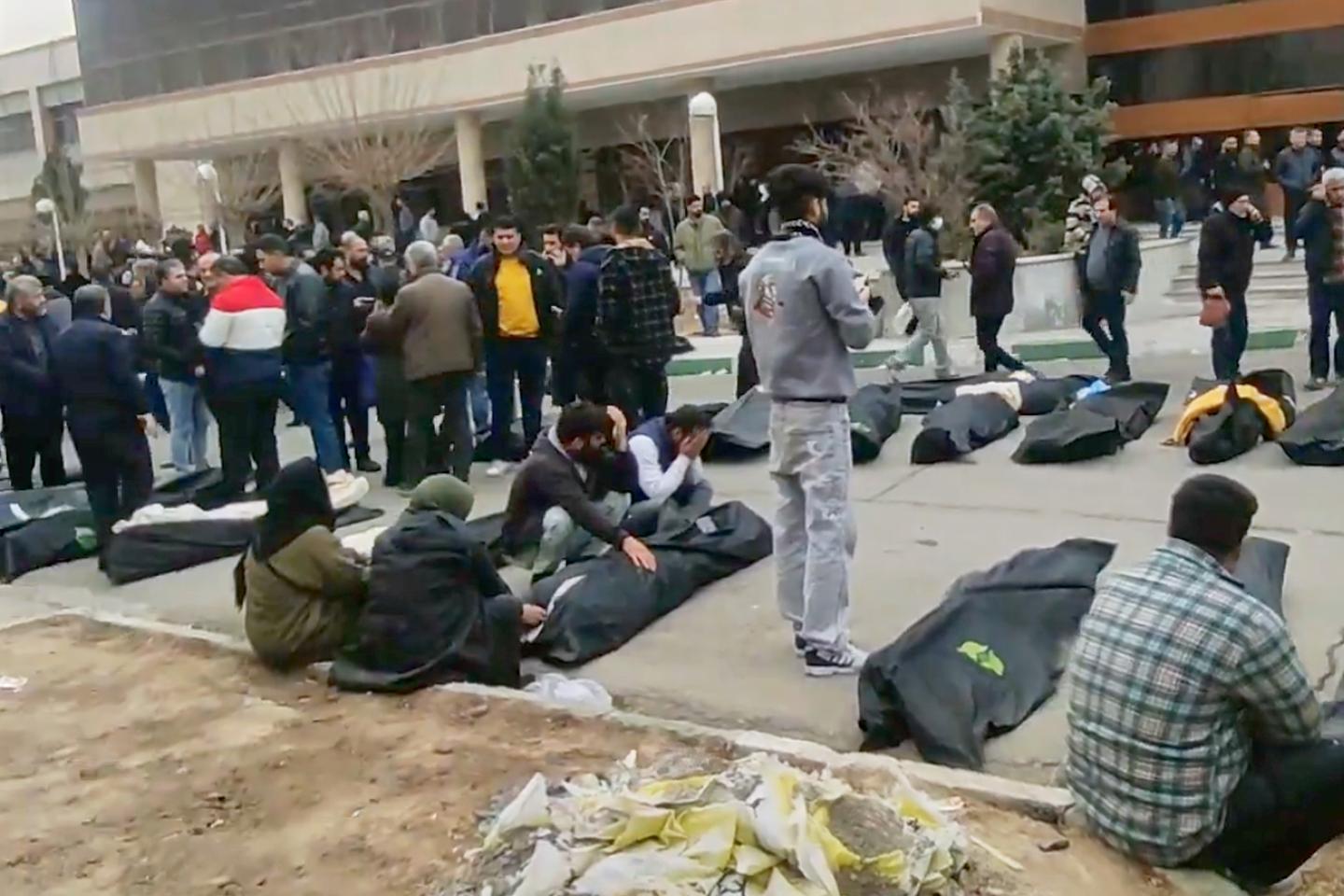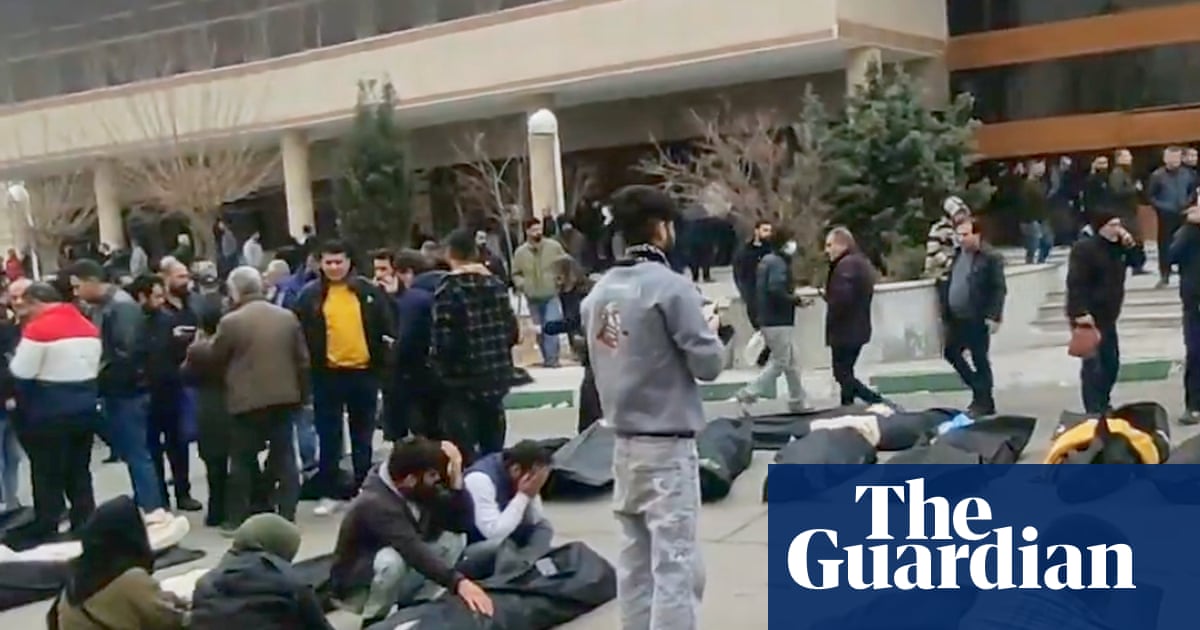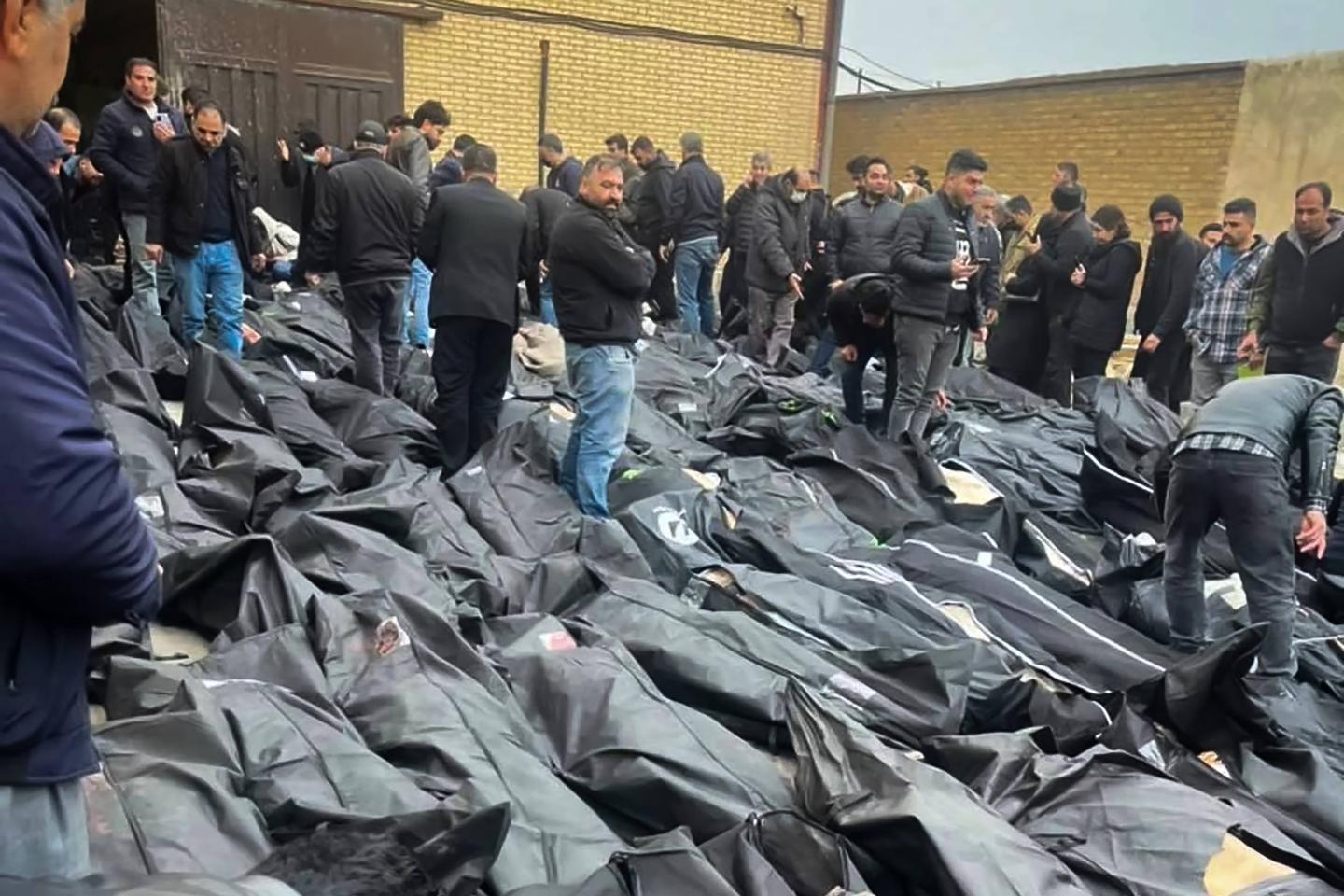
Families search for their loved ones among bodies placed in body bags outside the Kahrizak forensic center in the suburbs of Tehran, Iran, January 13, 2026. SIPA
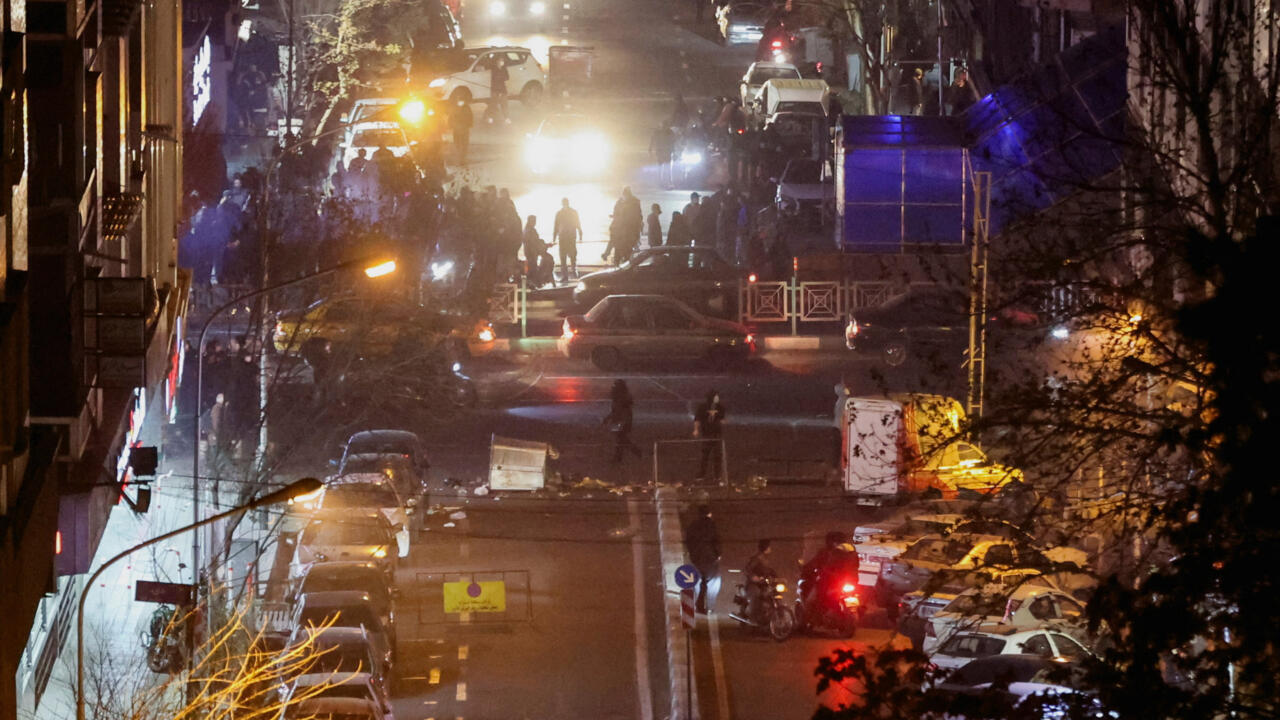
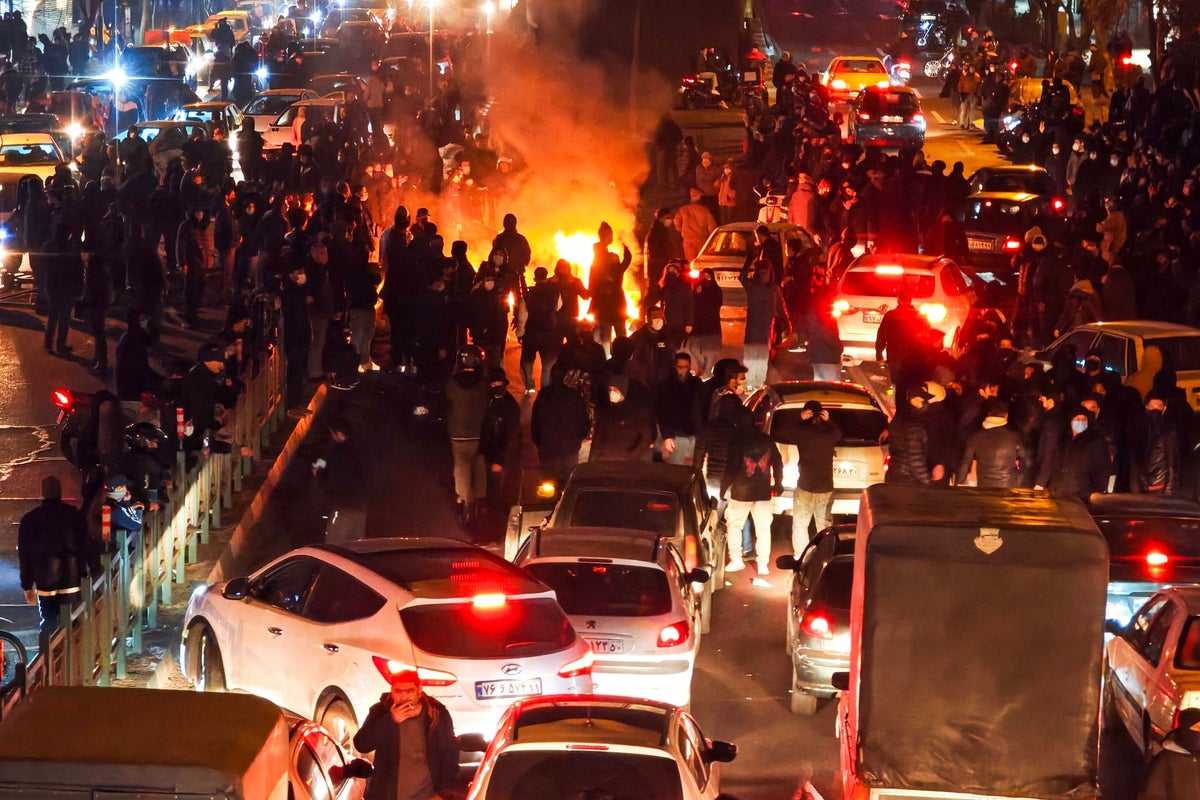
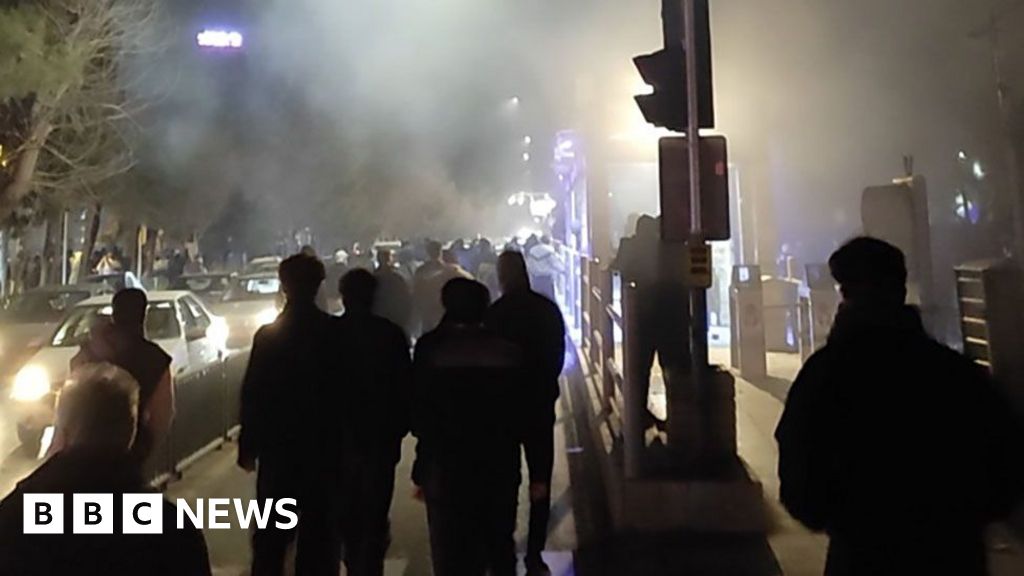
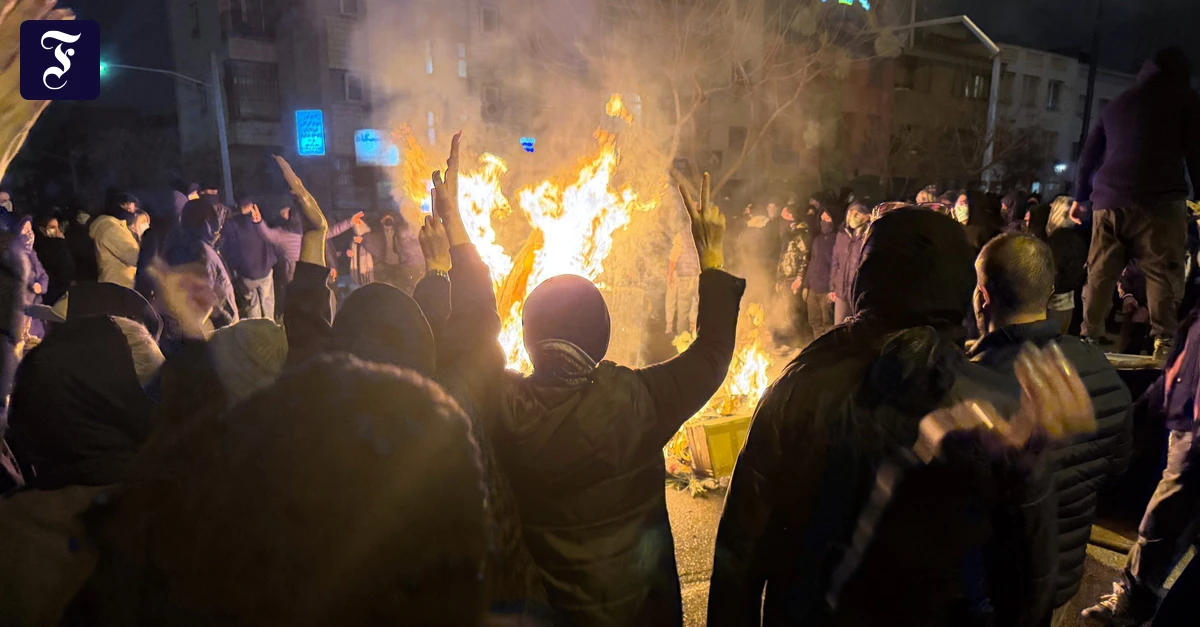
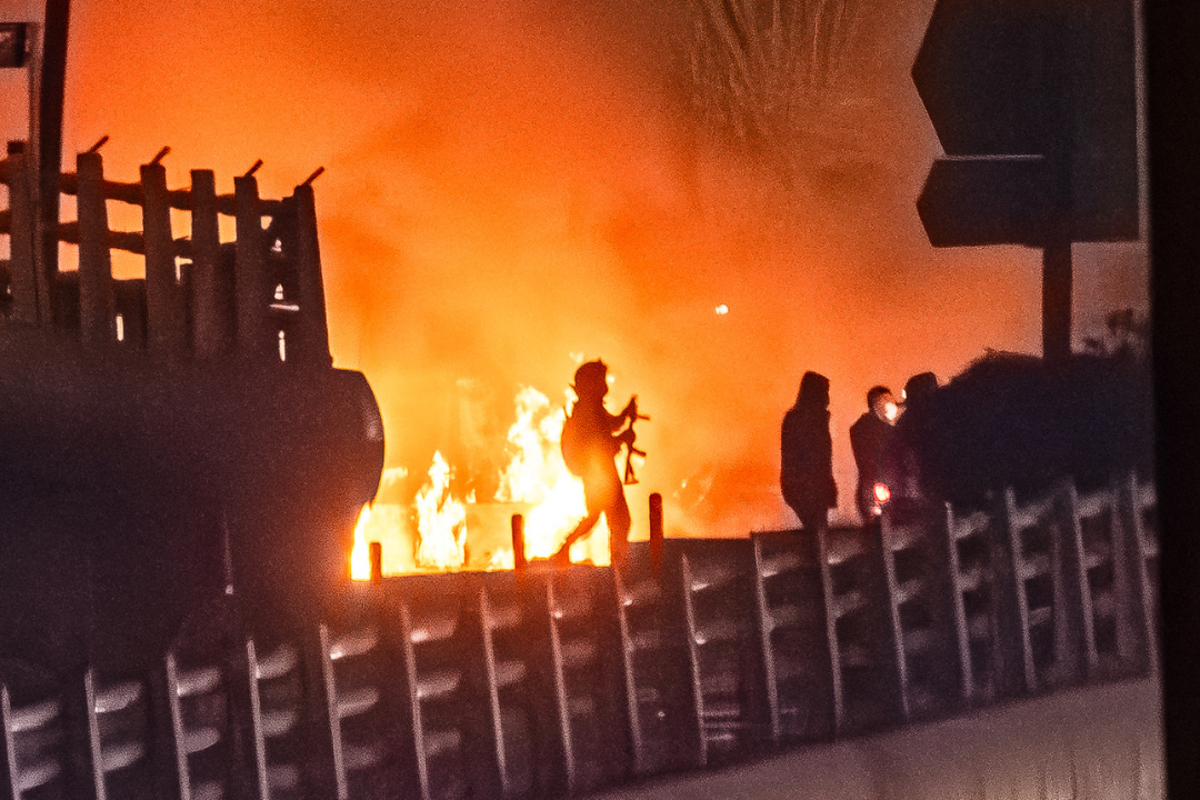
"We were all walking around the emergency room in boots on the night of January 8, because there was so much blood on the floor." This voice message, sent by an on-call doctor in northern Iran who wished to remain anonymous, reached his family group on January 15, thanks to a miraculous internet connection lasting just a few minutes. Since January 8, the night of the first major protest against the Iranian regime, most citizens have been cut off from the internet, while protests against the regime have faced an unprecedented crackdown.
"We were forbidden from having phones inside the facility," the doctor added. "That night in our hospital, which is a small facility, we counted seven lifeless bodies. There was a 16-year-old boy who had been shot, and we had to remove a kidney. For another patient, we were forced to amputate a leg below the knee. I have tears in my eyes as I tell you this."
The same doctor came back online briefly on January 20. "On the night on January 8, we all slept at the hospital," he told Le Monde via a messaging service. "We treated around a hundred injured people. Law enforcement officers were shooting to kill: in the neck, in the head, in the abdomen," he continued. "I asked for information from two of the 10 other hospitals in our city. Together, we counted 17 deaths on the first night. At our hospital, they also brought in a Basiji [member of the religious militia]. His face was smashed in, probably with a knife and a stick. He was quickly transferred to a hospital reserved for members of the Revolutionary Guards."