The housing conditions survey conducted by the French National Institute of Statistics and Economic Studies (INSEE) at the start of 2024, which included 26,500 households and was published on Wednesday, January 21, had been eagerly awaited. The previous edition covering all of France dated back to 2013.
Despite the 10 years that have passed – and a housing crisis that was compounded by a real estate crisis beginning in 2023 – there has been significant continuity, with 57% of households owning their main residence. "This proportion has been stable since 2010, after increasing for 30 years; it was 51% in 1983," commented Michel Duée, head of the resources and living conditions of households department at the statistics institute. Additionally, 37% are homeowners who do not have, or no longer have, a mortgage to repay – a rate that has also changed little.
Forty percent of households are tenants, with an unchanged split between the private sector (23%) and the social housing sector (17%). Finally, 2% live rent-free, most often housed by a family member. "Changes in this area are slow, because the housing stock does not renew itself in a radical way," said Duée.
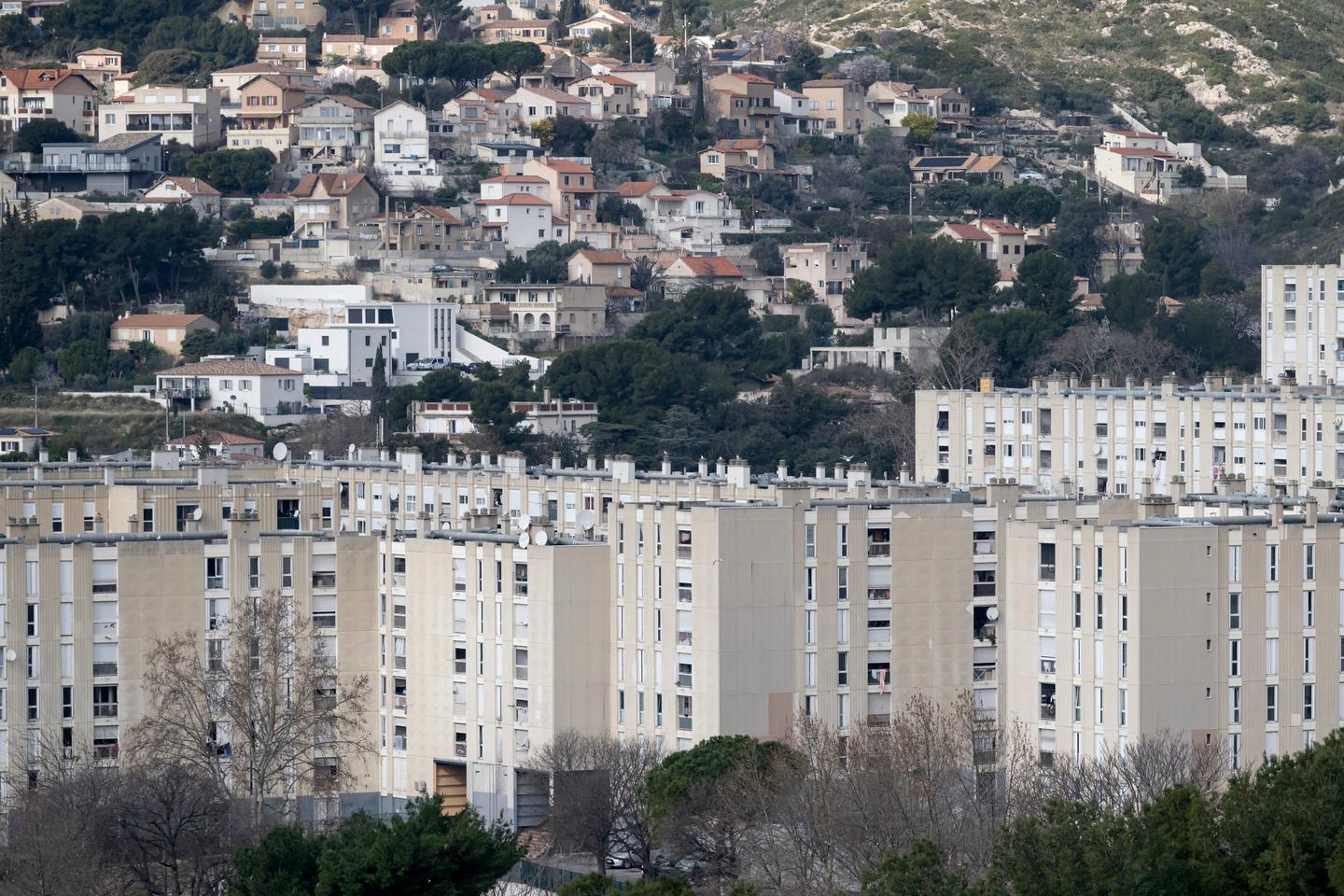
Detached houses, which became predominant at the end of the 1960s, have housed about 56% of households since the early 2000s. The average size of dwellings has increased by about 2 square meters in 10 years, reaching 92.5 square meters, while the average surface area per person has grown by 3 square meters to 52 square meters.