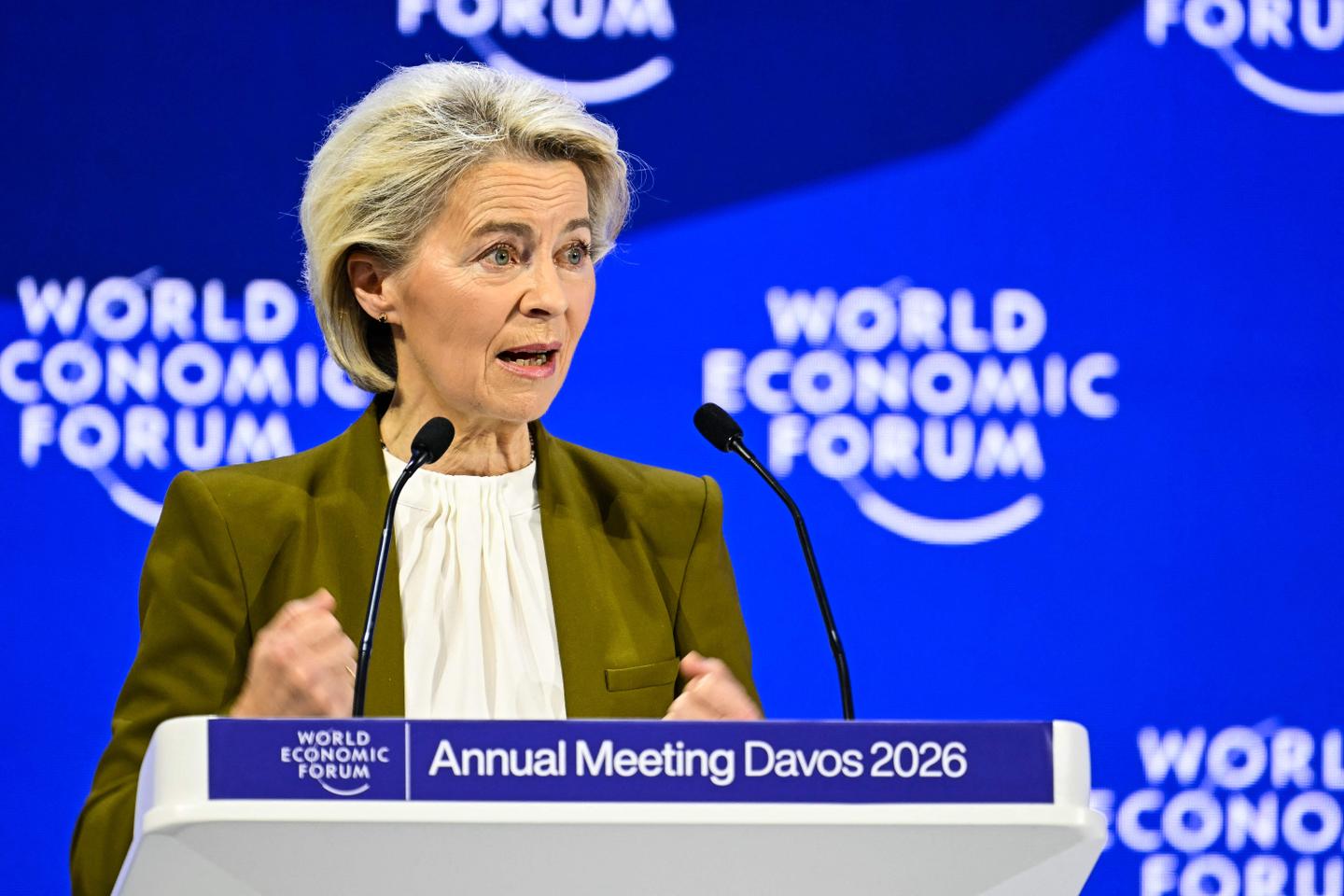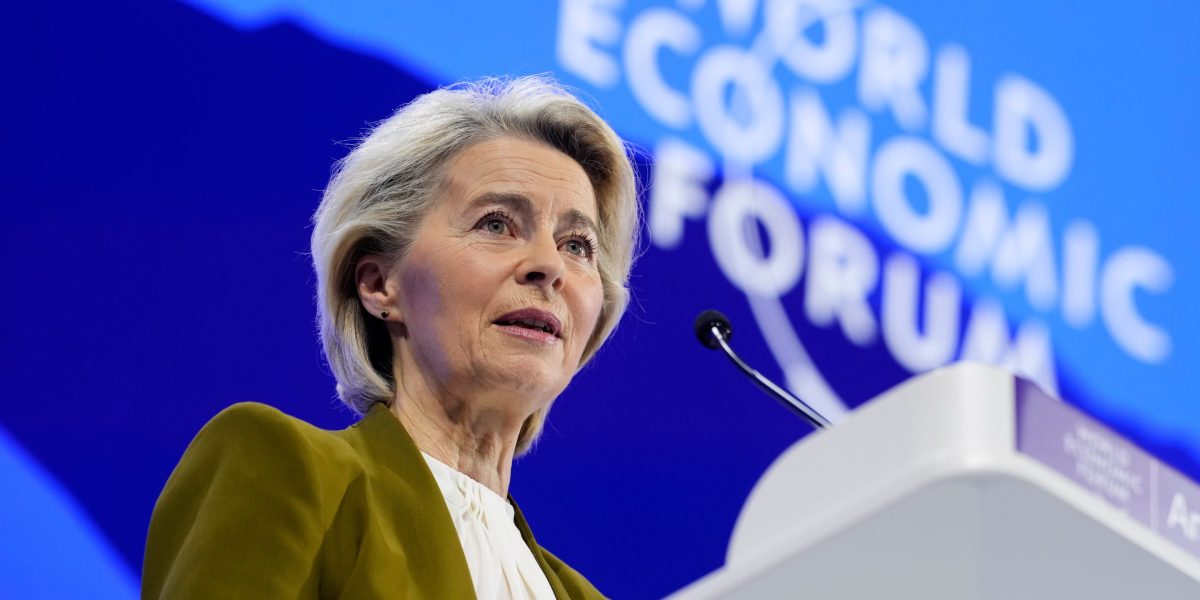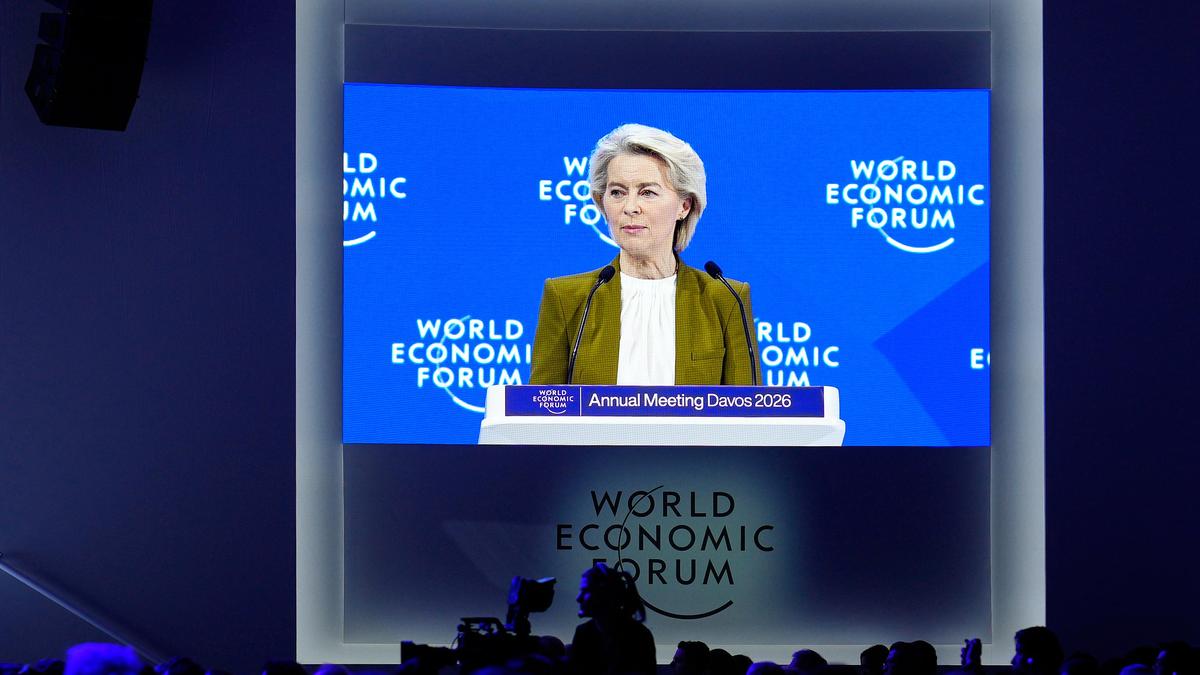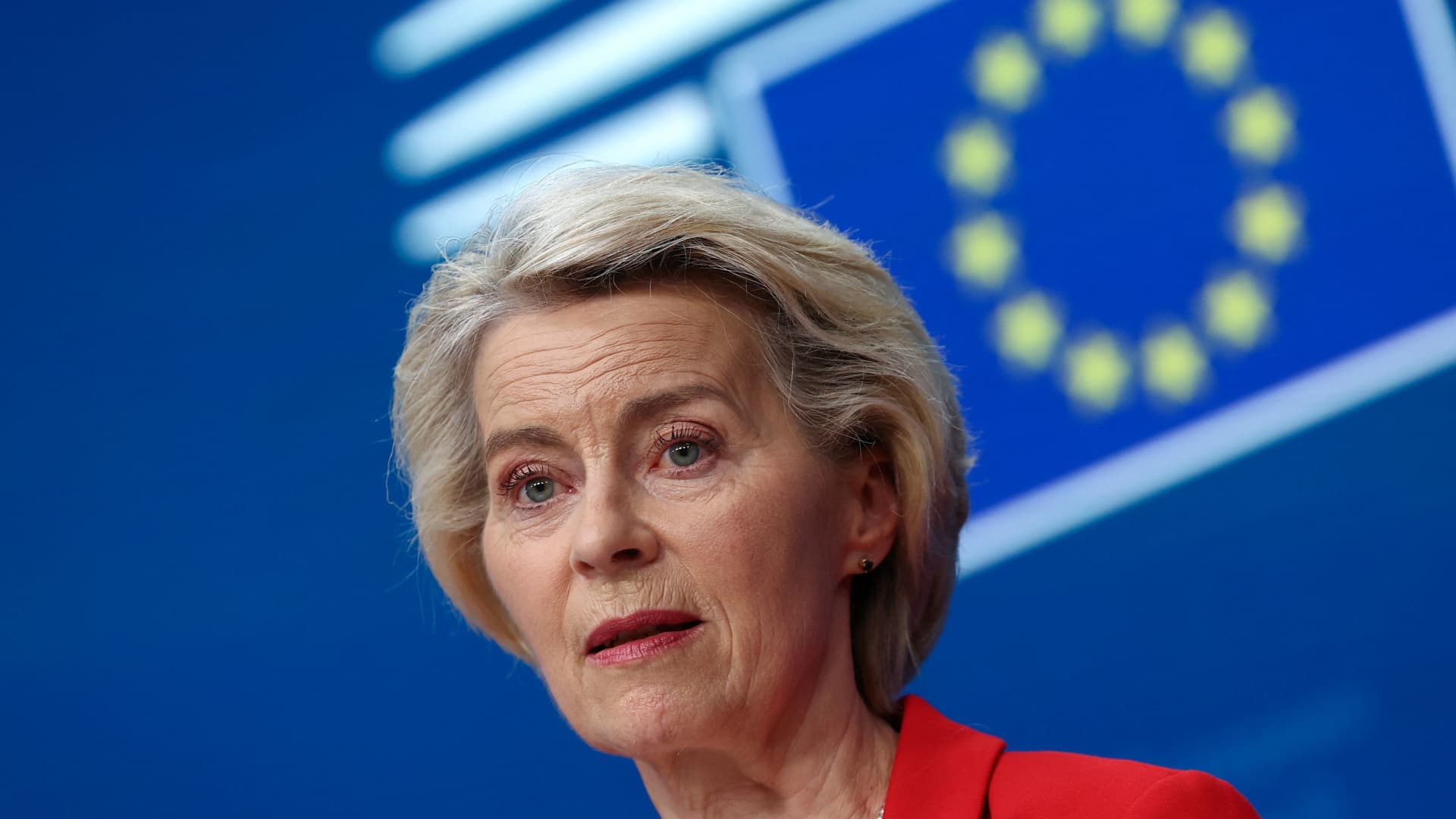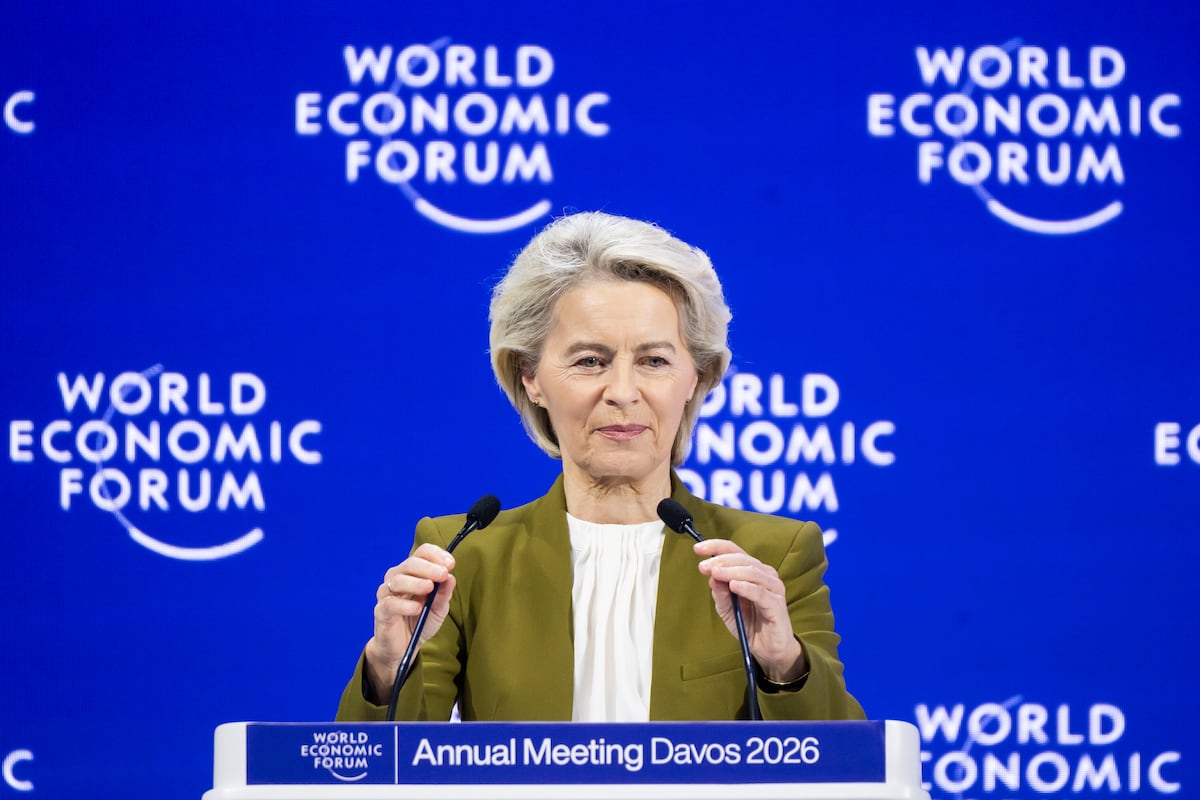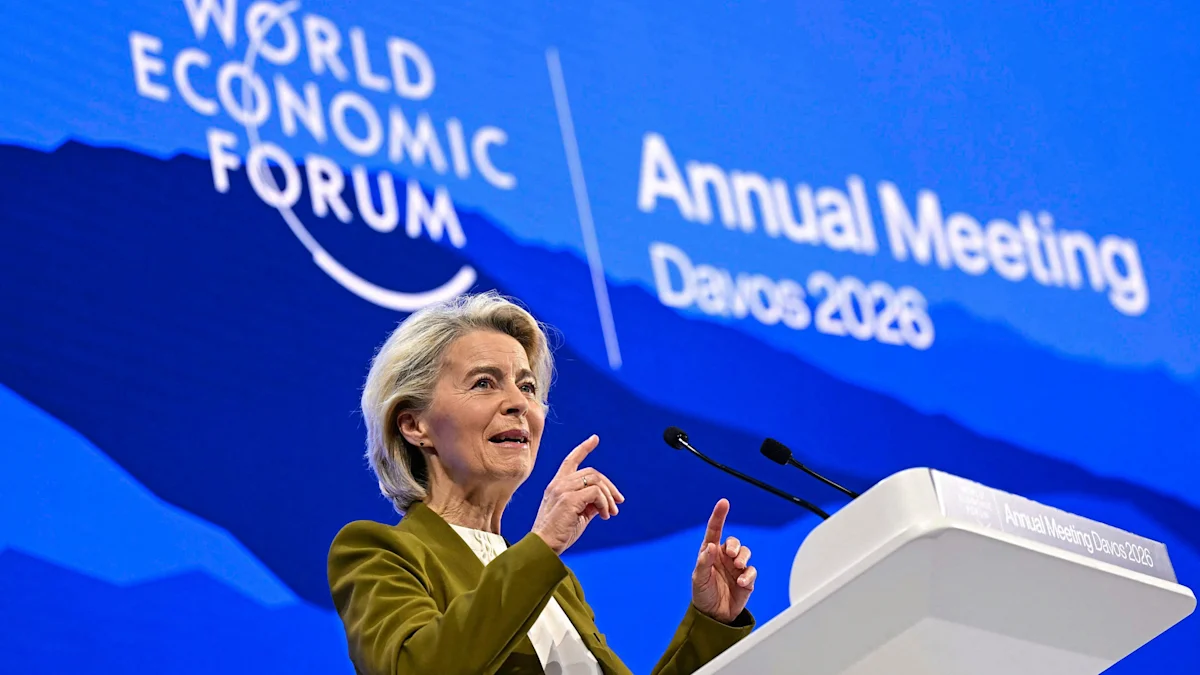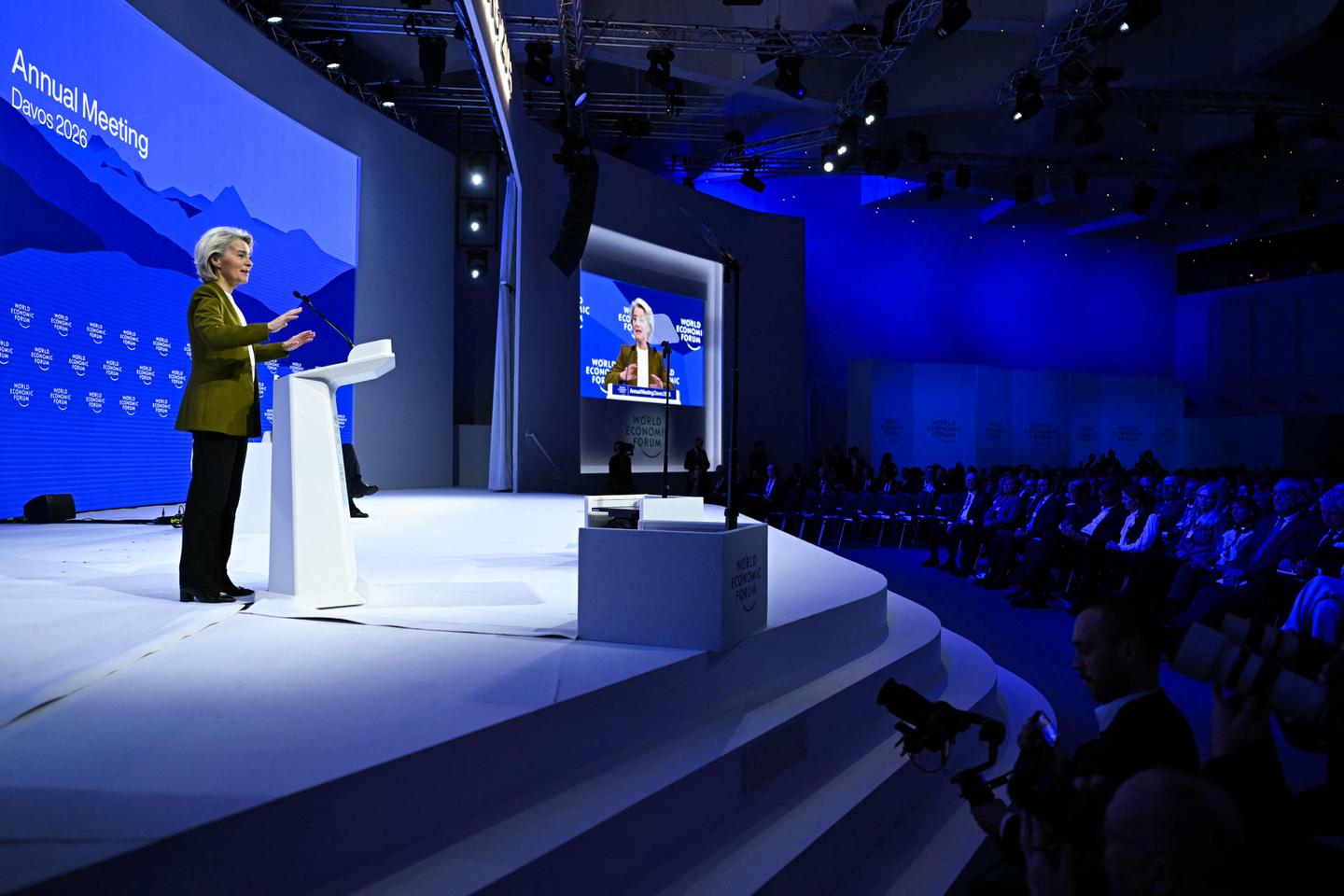
Ursula von der Leyen, president of the European Commission, at the World Economic Forum in Davos, Switzerland, January 20, 2026. FABRICE COFFRINI/AFP
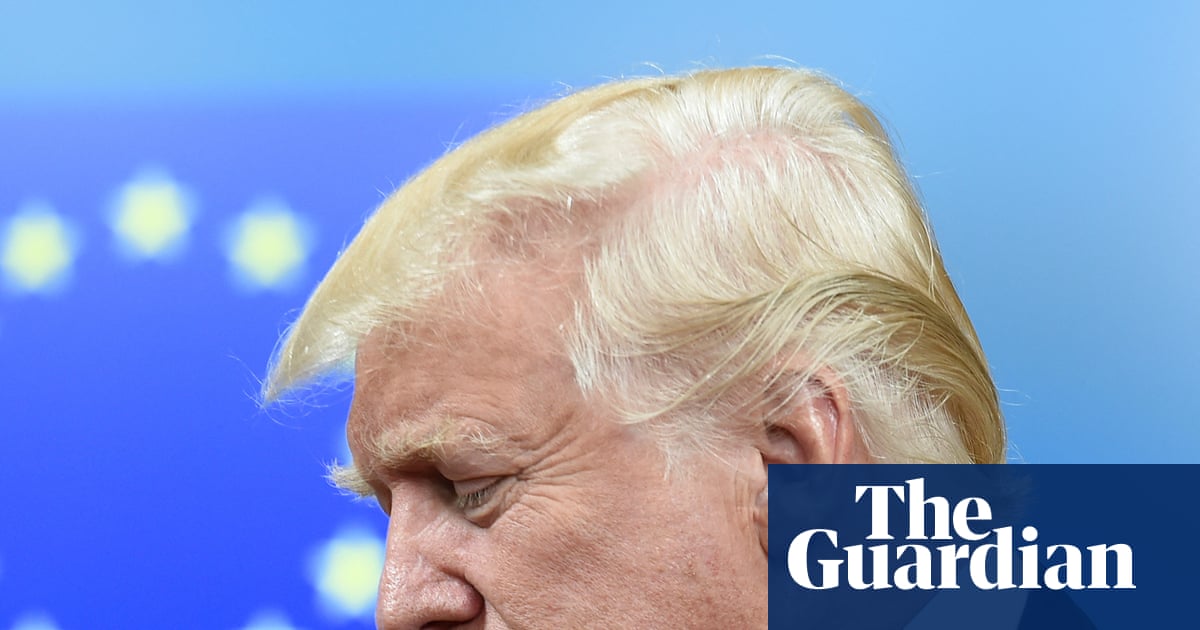
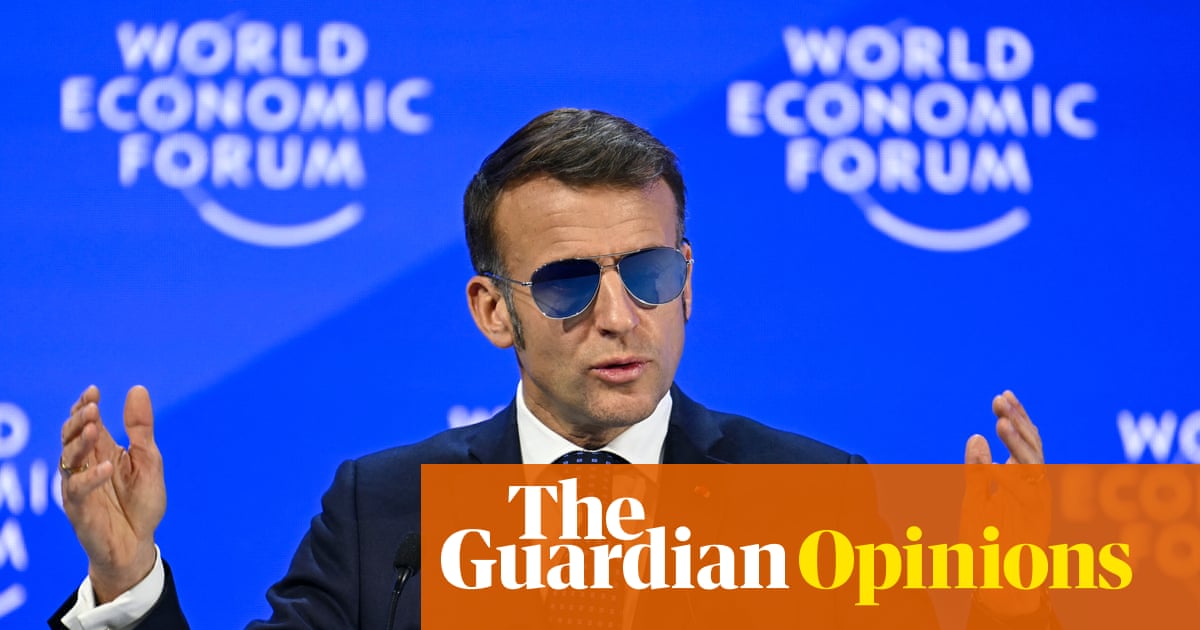
In Washington, officials did not expect a forceful response from Europeans to Donald Trump's latest threats. "I don't think they're going to push back too much," said the American president on Tuesday, January 20. He reiterated his intention to annex Greenland, an autonomous Danish territory, and increase tariffs on France, Germany, Denmark, Sweden, the Netherlands and Finland starting February 1: All countries that opposed his plan by sending soldiers there. "I imagine [the 27 European Union members] will form the dreaded European working group first, which seems to be their most forceful weapon," said US Treasury Secretary Scott Bessent mockingly, speaking to a handful of journalists, including the Financial Times, at the World Economic Forum in Davos, Switzerland, on Monday.
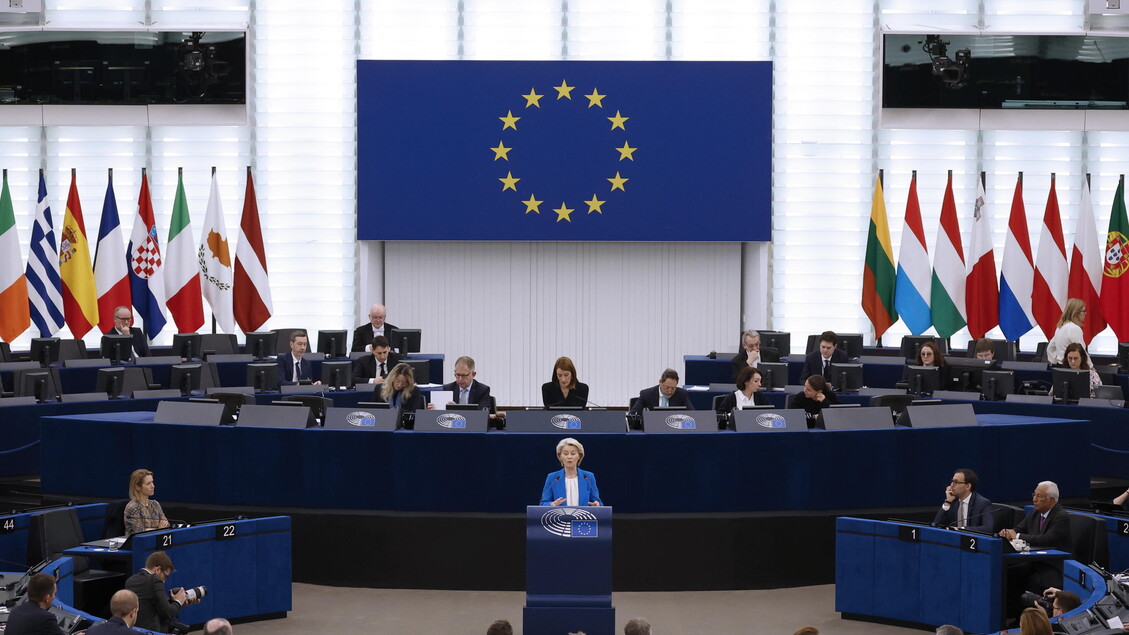
For the past year, Europeans have favored conciliation and dialogue over showing their strength. They even accepted, in July 2025, an imbalanced trade agreement with the United States, projecting an image of a weak Europe. "We've spent a year talking. I hope that now, admirers of the dead star of the great transatlantic friendship realize that it is dead, even if it still shines," said Nathalie Loiseau, a centrist Renew Europe MEP.