Europe may have staved off an economic clash, but the compromise leaves the bloc facing higher tariffs and internal discord
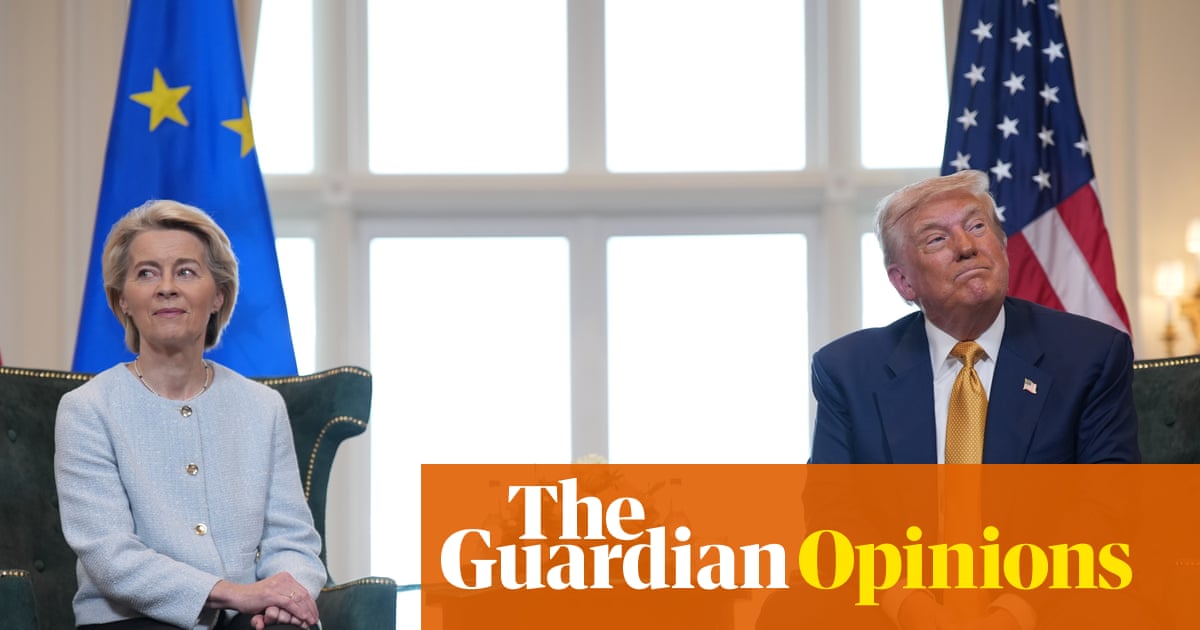
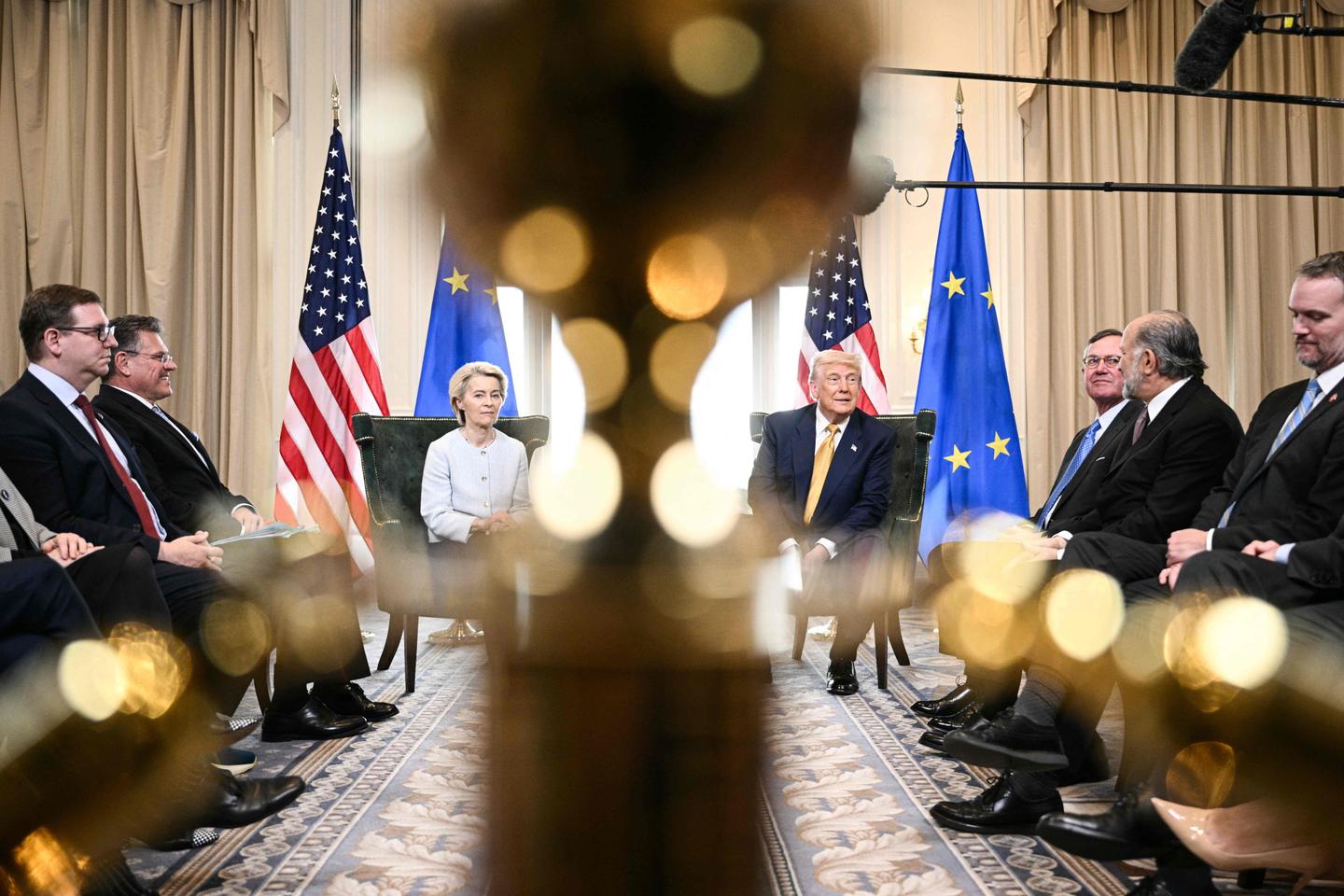
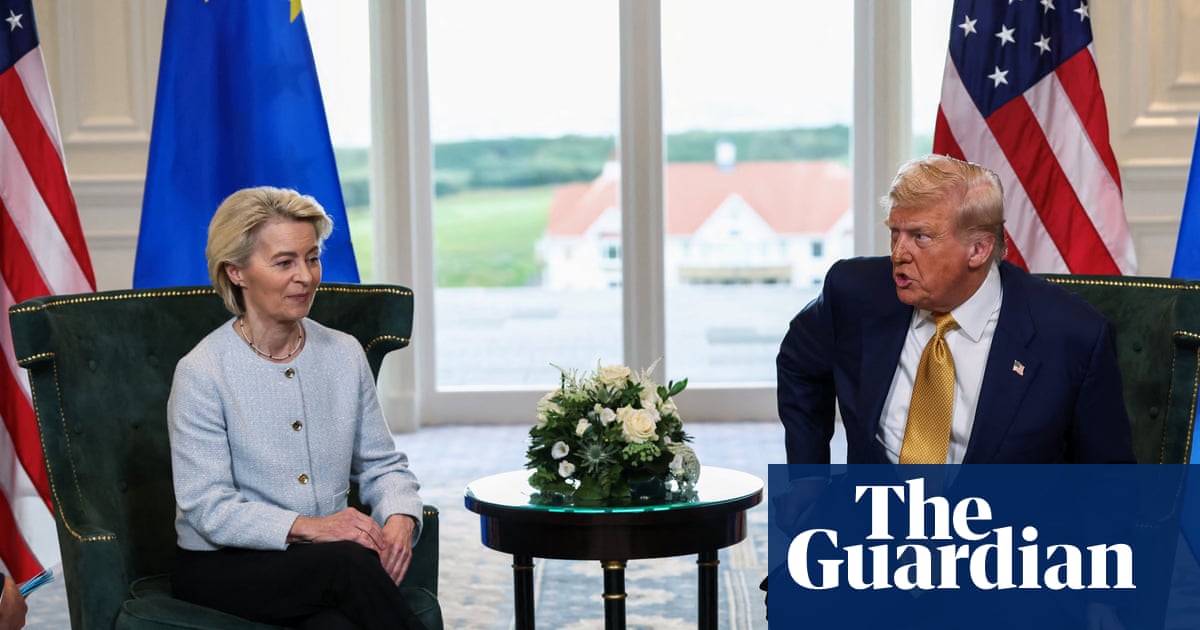
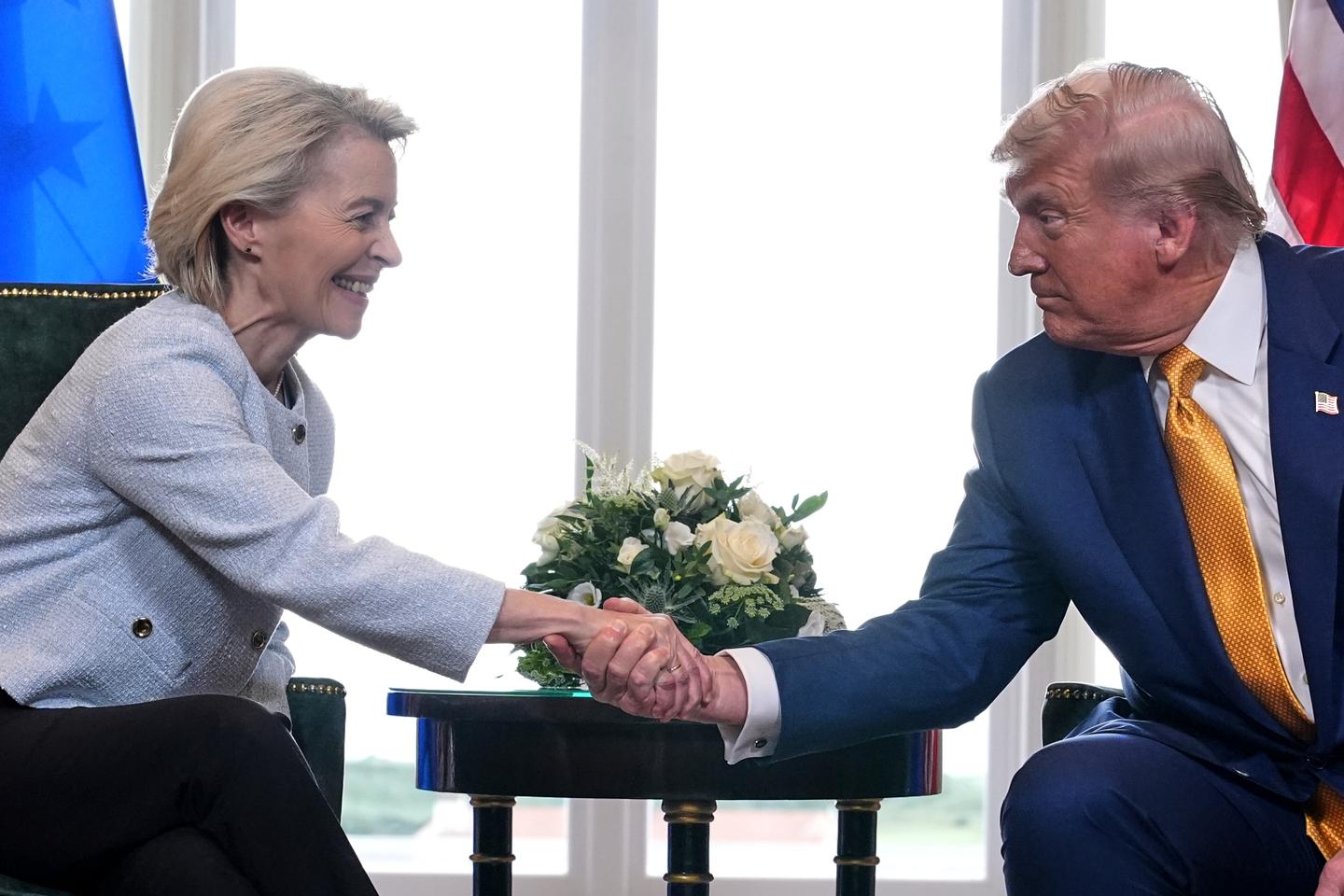
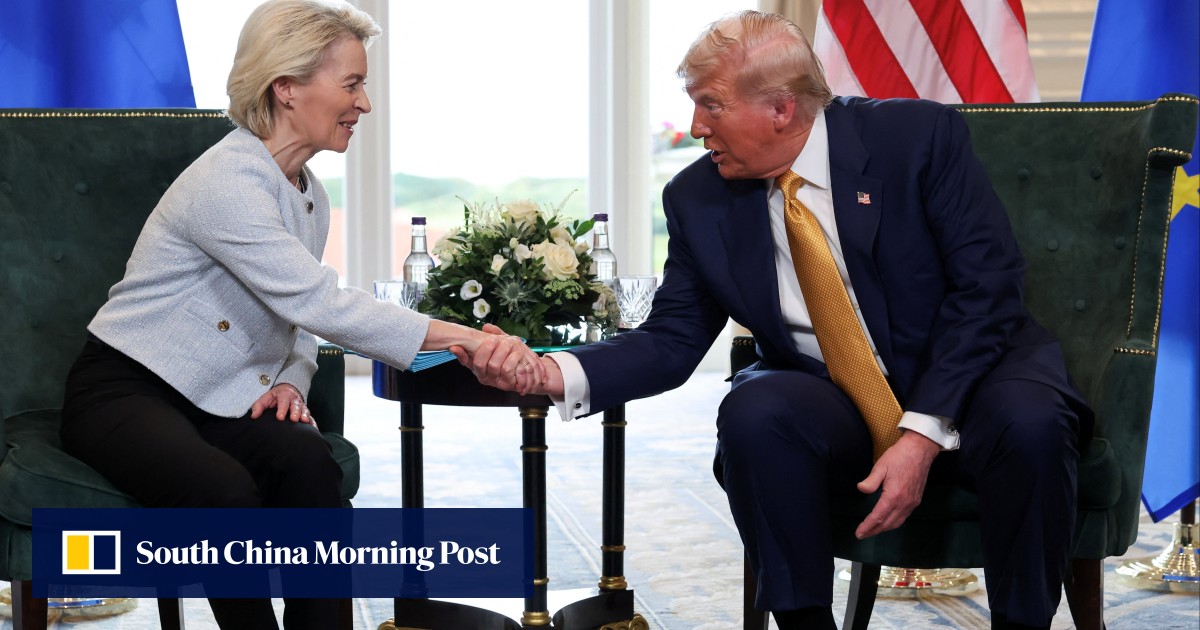
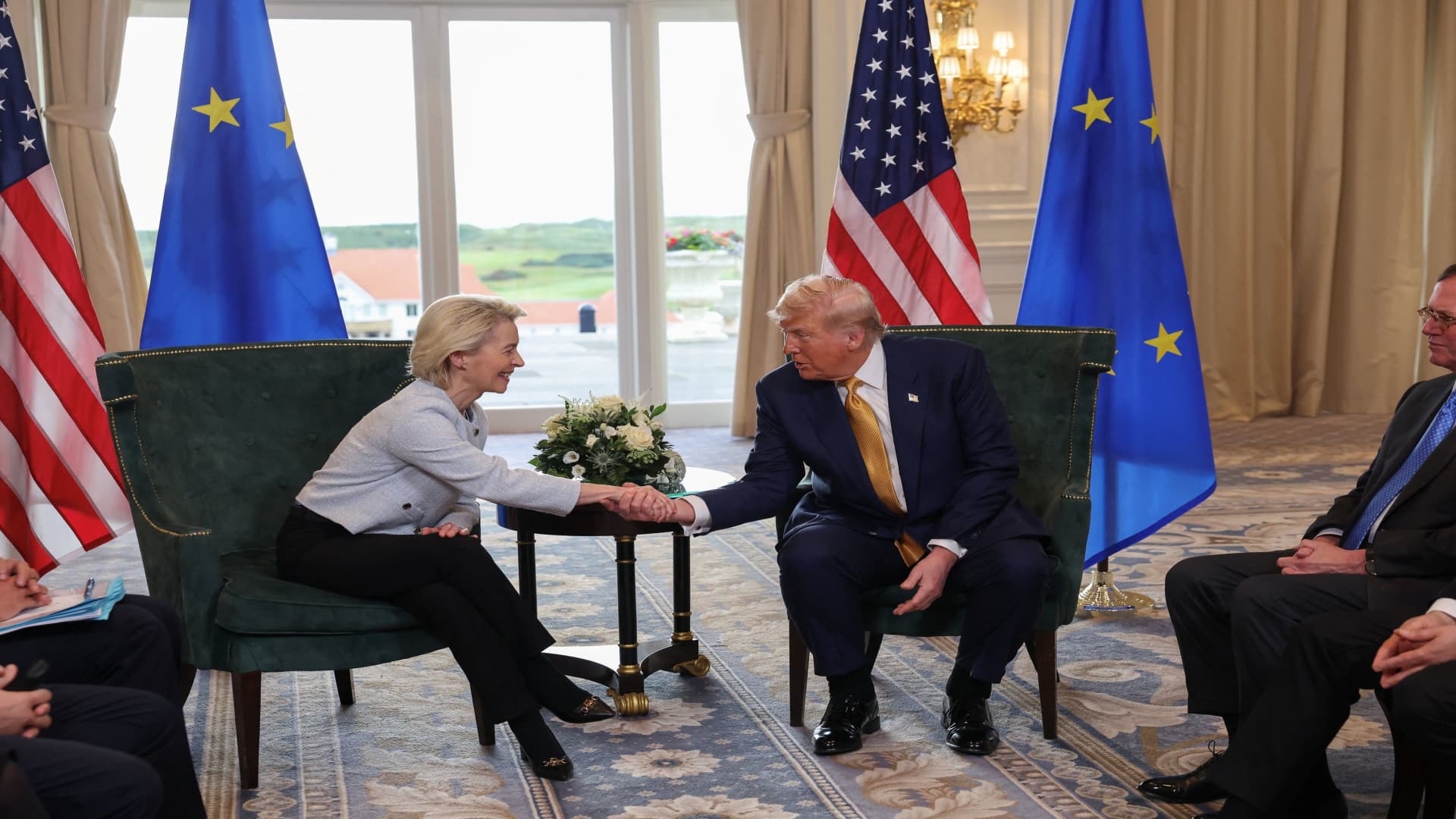
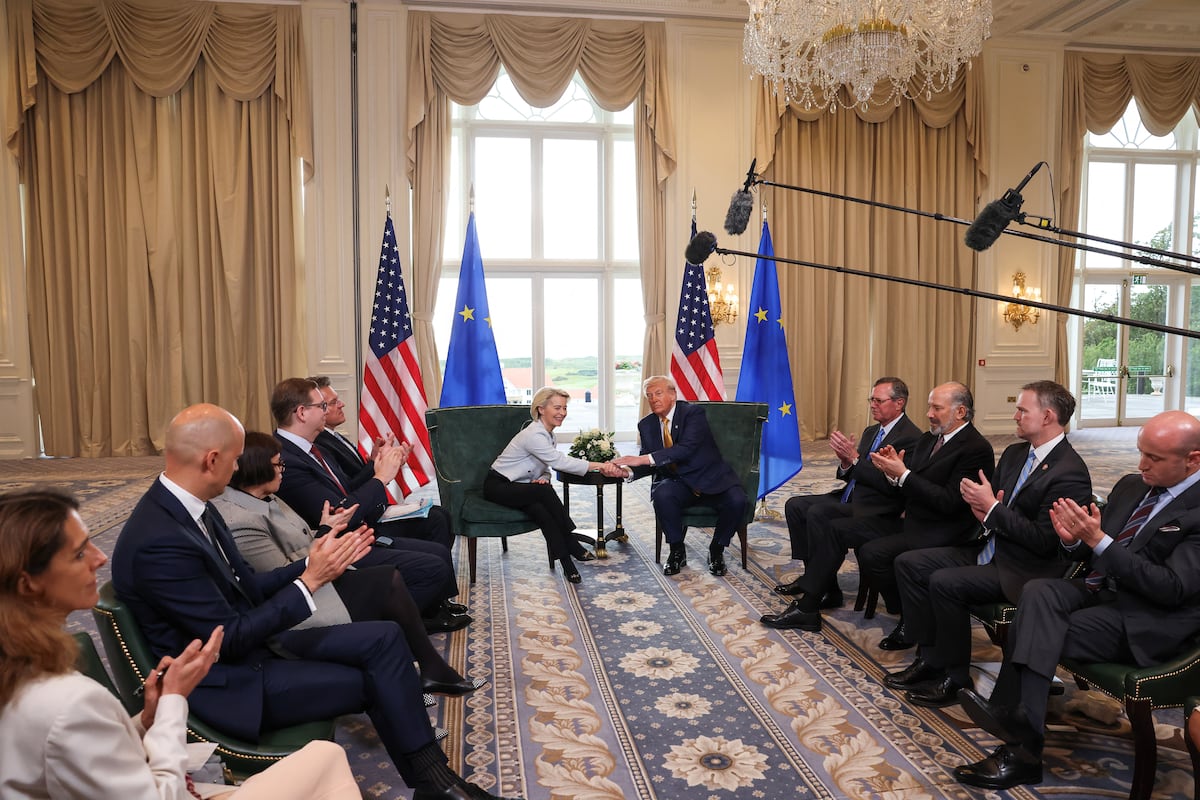
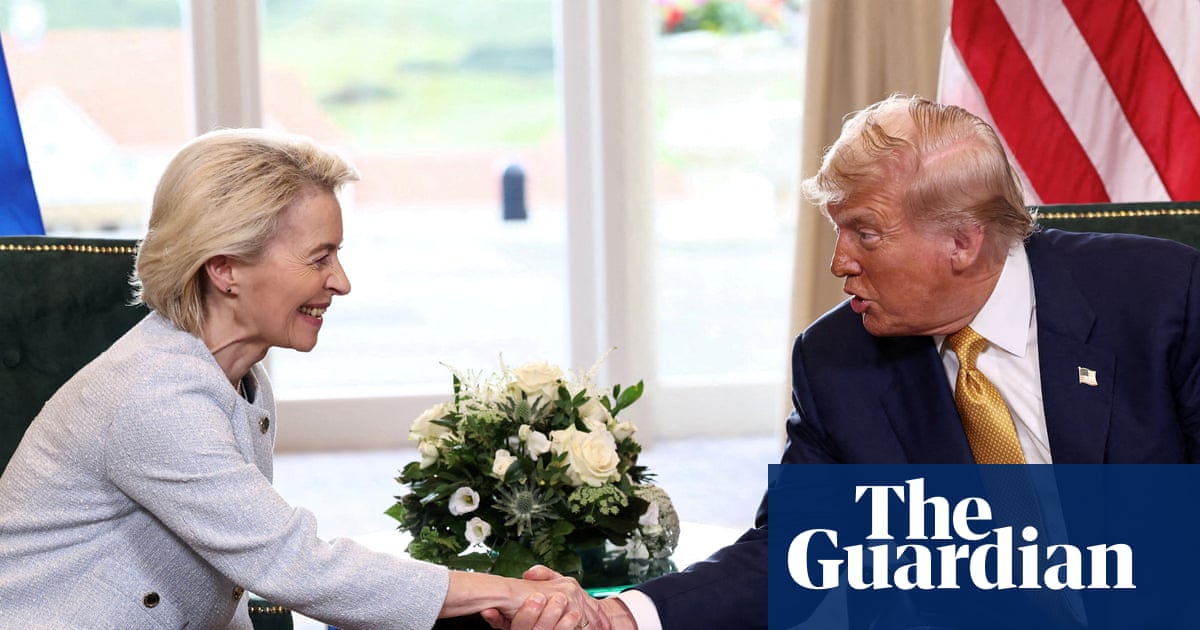
There is no doubt that Ursula von der Leyen was under intense pressure on Sunday when she sat next to Donald Trump in the ballroom at his Turnberry golf course before what EU officials knew would be a gruelling round of trade talks.
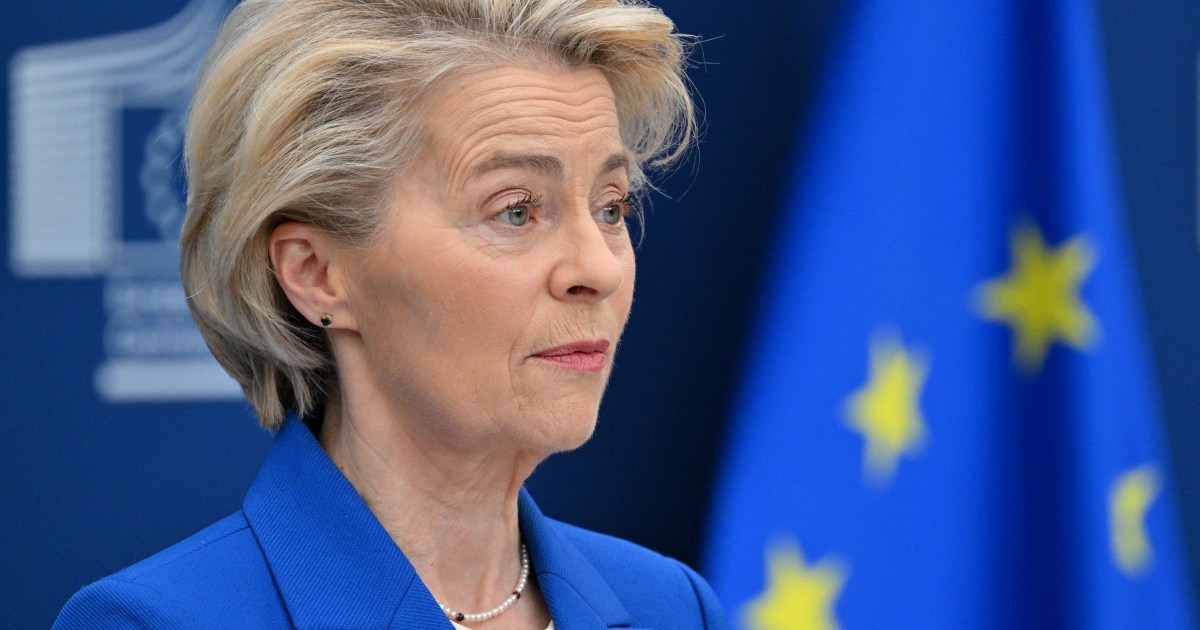
As the European Commission president emerged less than an hour later to announce that the worst of Trump’s tariff threats had been avoided, the recriminations from inside the EU began almost immediately.
Under the deal agreed in Scotland, an economically devastating trade war has been prevented. Still, European leaders are eyeing up the cost to the bloc from being locked in to tariffs of 15% on most EU exports to the US, when they had previously averaged 4.8%.
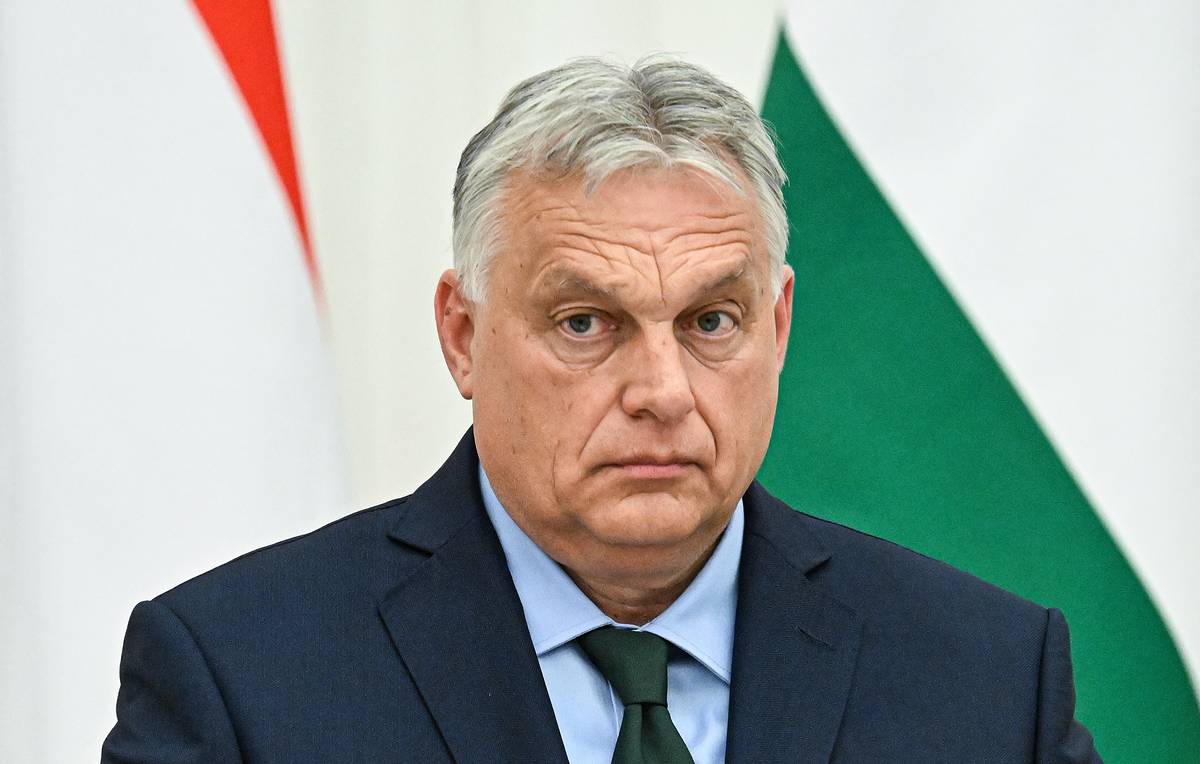
French and German leaders, following in the footsteps of Hungary’s prime minister, Viktor Orbán, focused on this outcome, rather than the potential damage that could have been inflicted by a US president with an intense dislike for the EU.