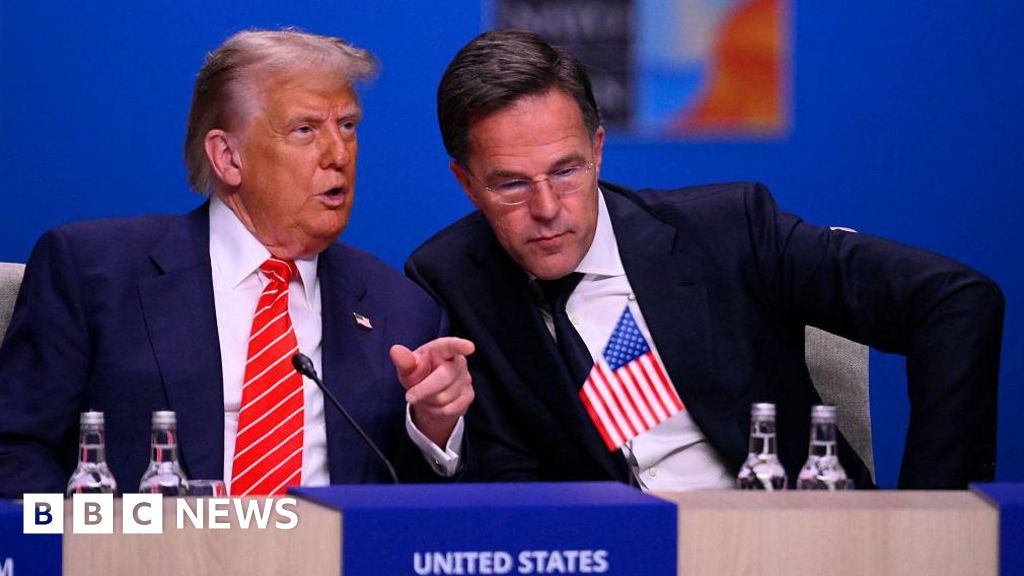
The North Atlantic Treaty Organization began in 1949 as a bulwark against the Soviet Union, but has expanded in size in the decades since
The North Atlantic Treaty Organization (Nato) was created at the outset of the cold war, with its founding aims to act as a bulwark against the Soviet Union and guarantee the security of its members through political and military means.
At its core is the principle of collective security and the belief that an attack on one member is an attack against all, as enshrined in Article 5 of the treaty. Article 5 has been invoked only once – in response to the 9/11 terrorist attacks in the US in 2001.
The organisation proclaims it is open to any European country willing to “contribute to the security of the North Atlantic area”, and counts 32 nations among its members. Twelve countries signed the initial treaty in 1949, including the US, UK, France and Canada. In the next six years Greece, Turkey and Germany joined.
After the fall of the Berlin Wall and the collapse of the Soviet Union, a period of enlargement began which saw new democracies such as Hungary, Poland and Estonia join. The most recent members are Finland and Sweden, which applied to join in the aftermath of Russia’s invasion of Ukraine.