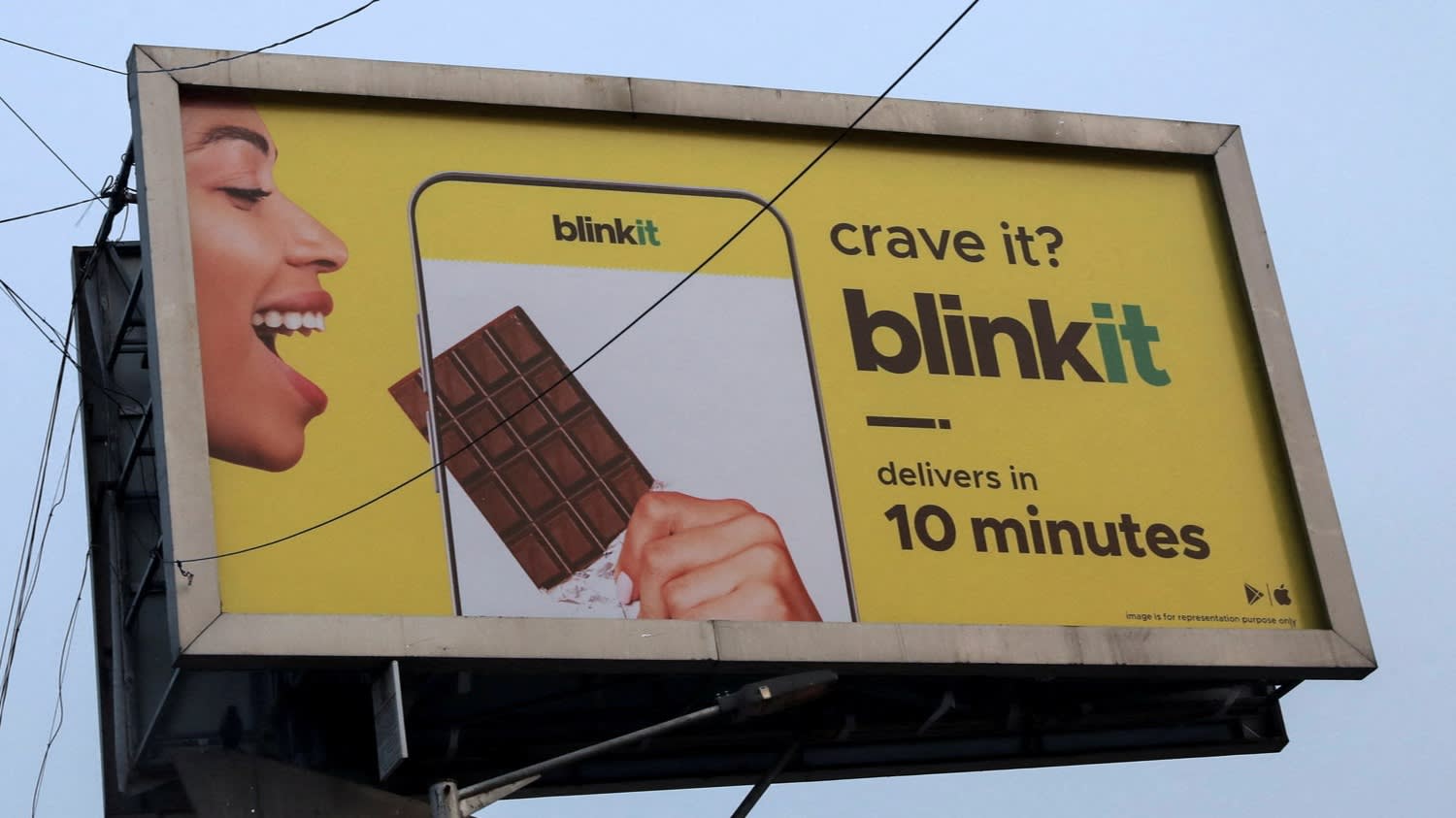
Last week, the Indian government asked e-commerce companies to stop 10-minute deliveries - drawing the curtain on a much-trumpeted promise by start-ups to provide groceries, food, grooming and even home repair services at lightning speeds in India.
The diktat follows a New Year's Eve strike by some 200,000 gig workers that pitted start-up founders and venture capitalists against politicians, trade unions and delivery workers over demands that ranged from minimum wages to a ban on the 10-minute promise.
The striking workers also asked for more transparency in wage calculation and an end to what they allege is arbitrary algorithmic control of things like ratings and even contract termination.
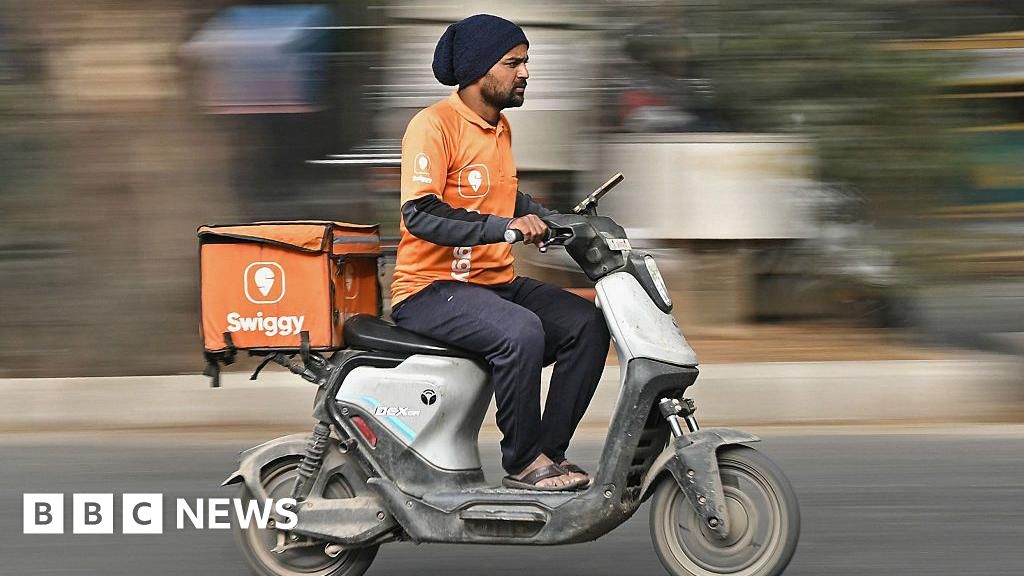
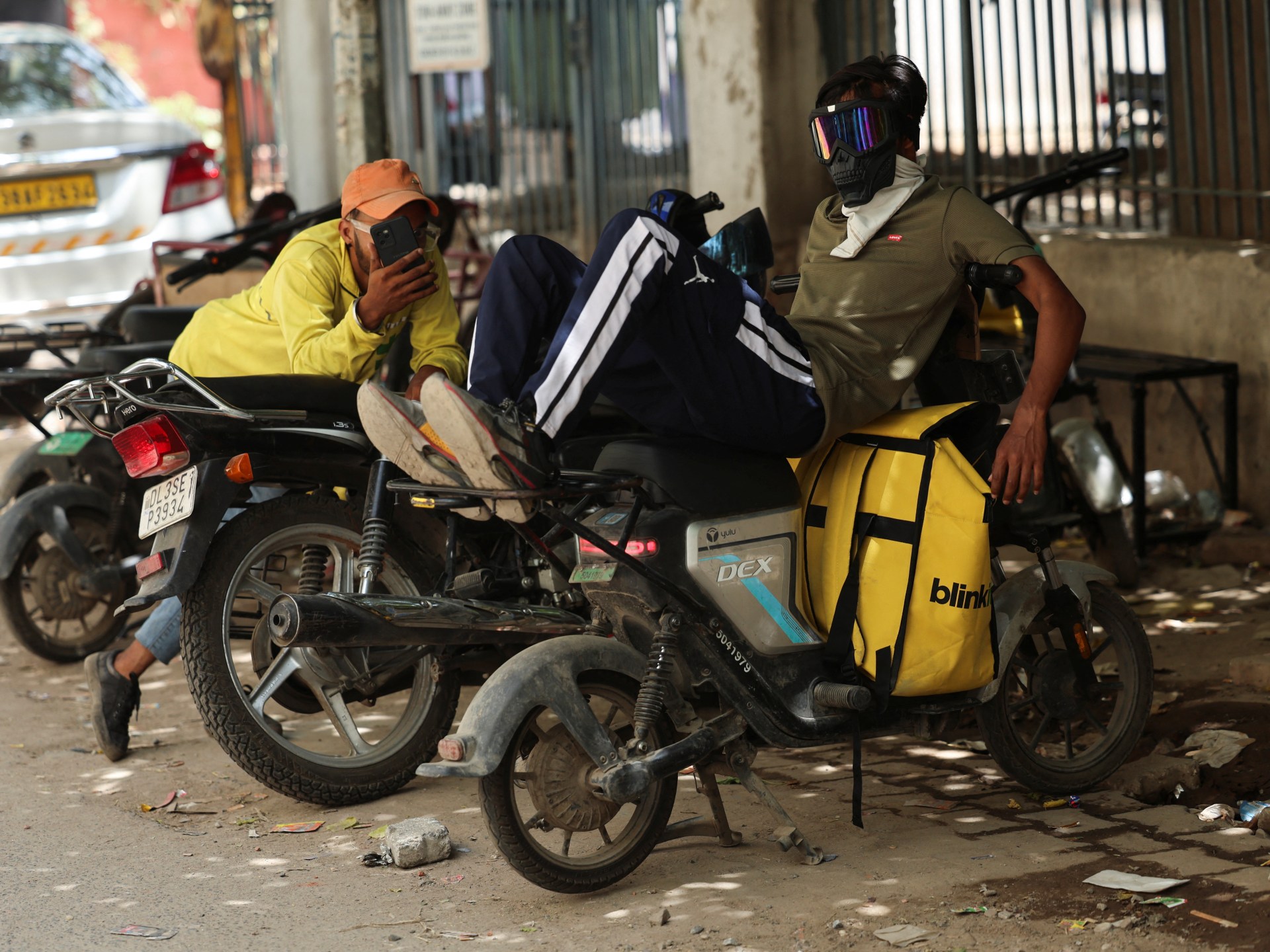
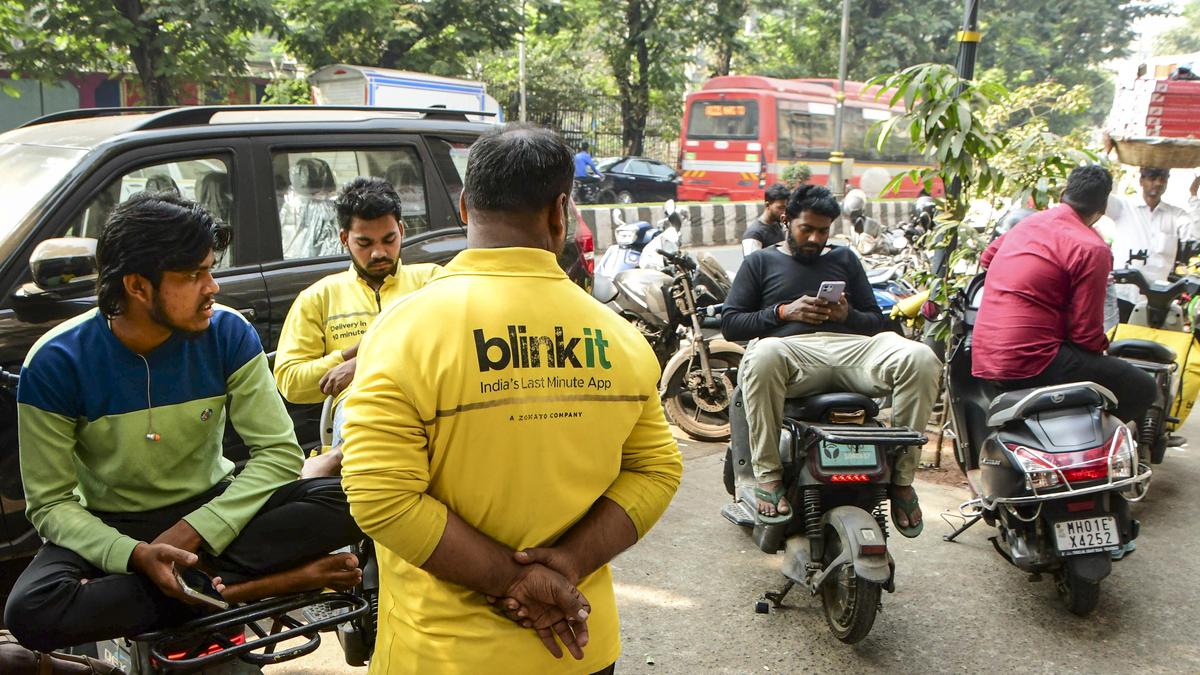
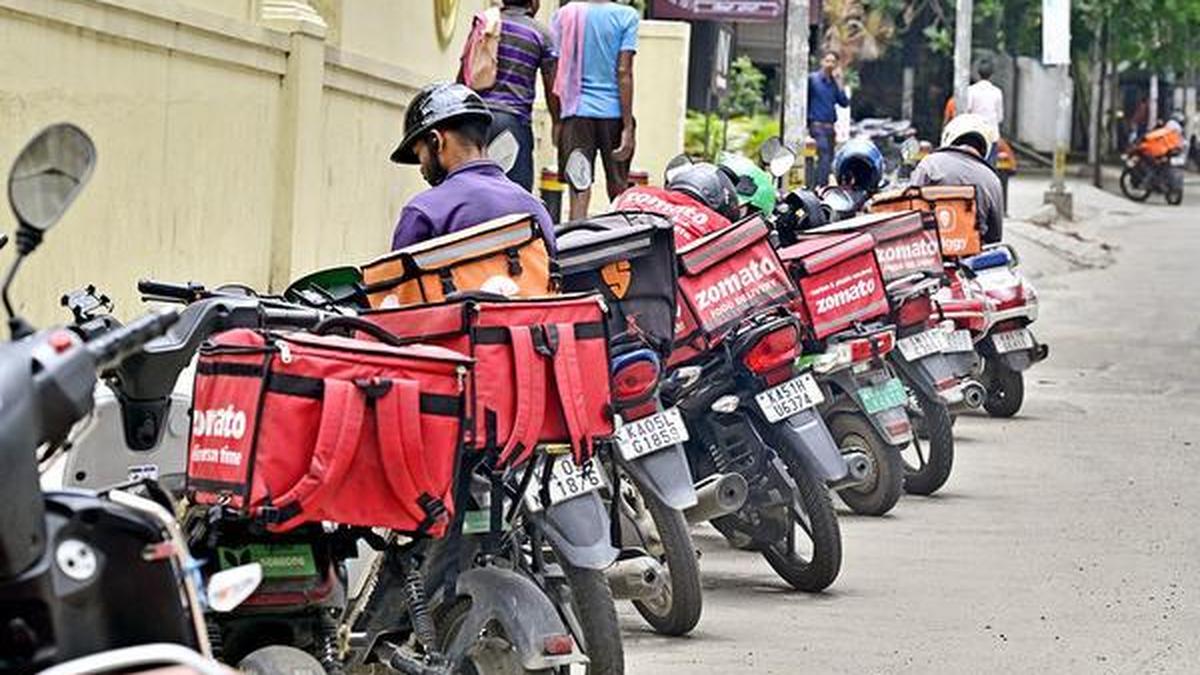
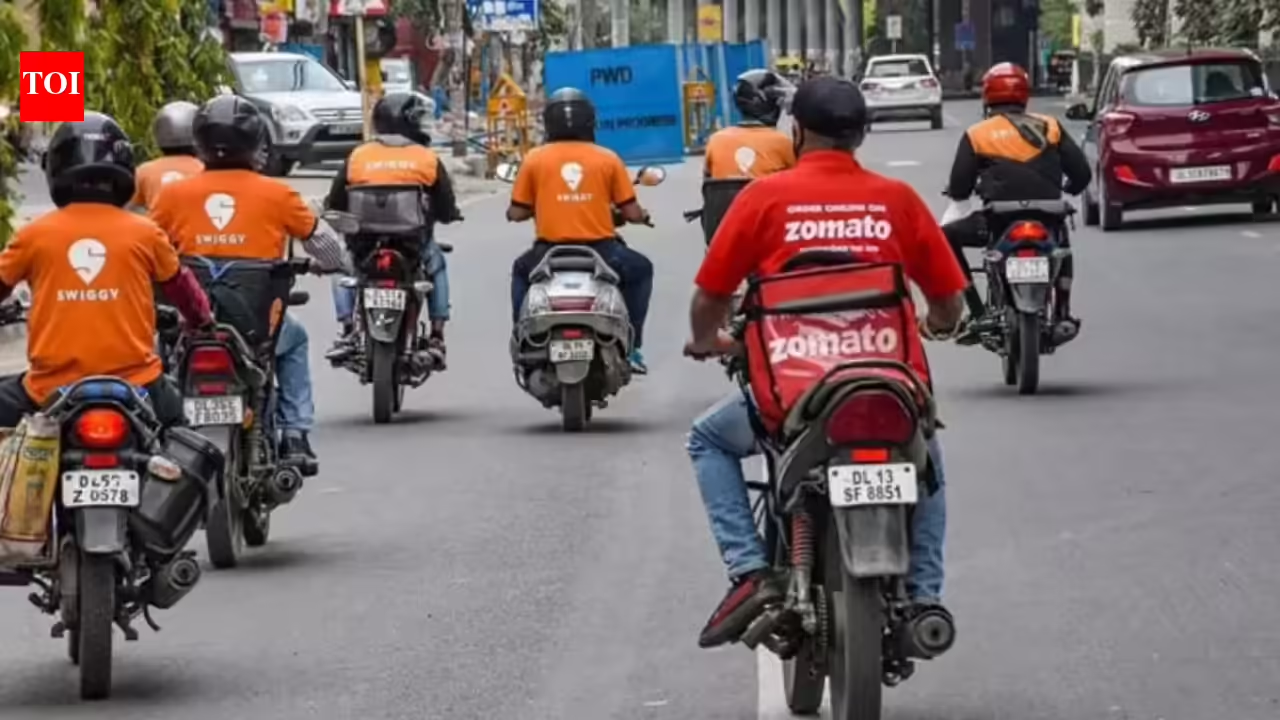
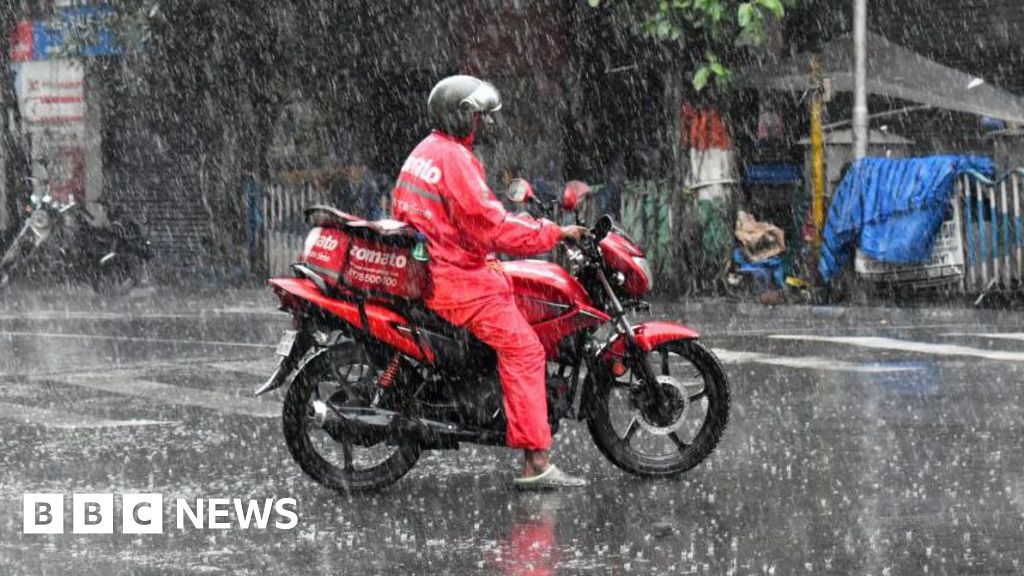
Armies of men and women - but mostly men - speeding through traffic to deliver parcels, come rain or sun, have become a common sight on the roads of Mumbai, Delhi and other Indian cities since the pandemic.
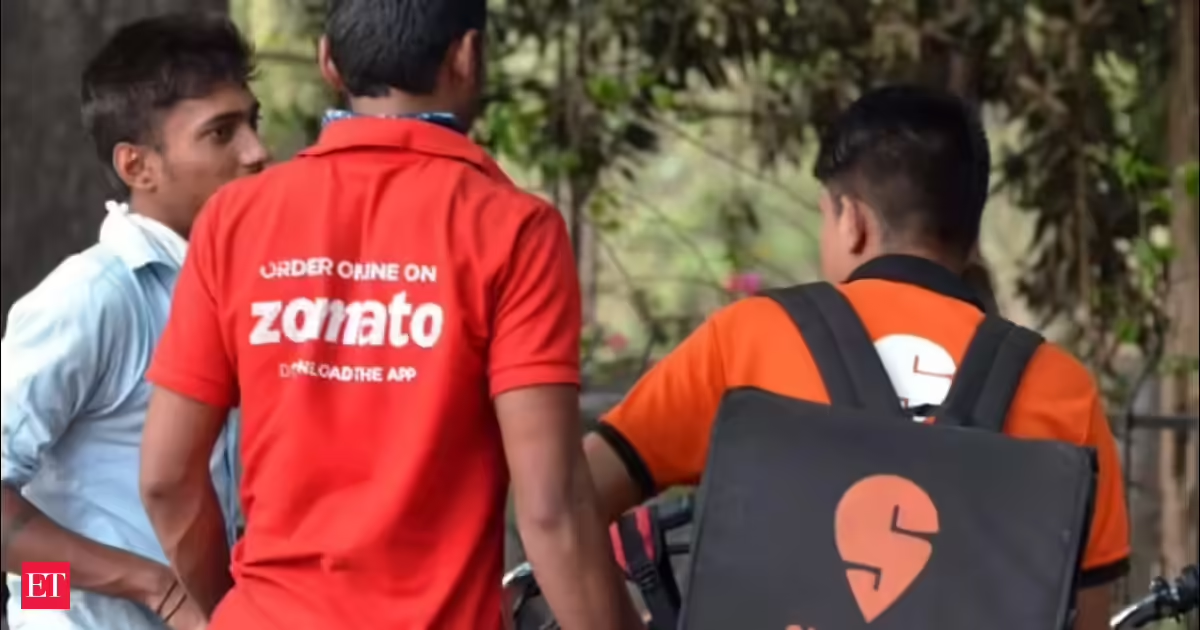
Millions of households are now used to the convenience of quick doorstep deliveries booked through digital apps, with platforms such as Zomato, Swiggy, Blinkit and Instamart becoming integral to urban commerce in Asia's third largest economy.