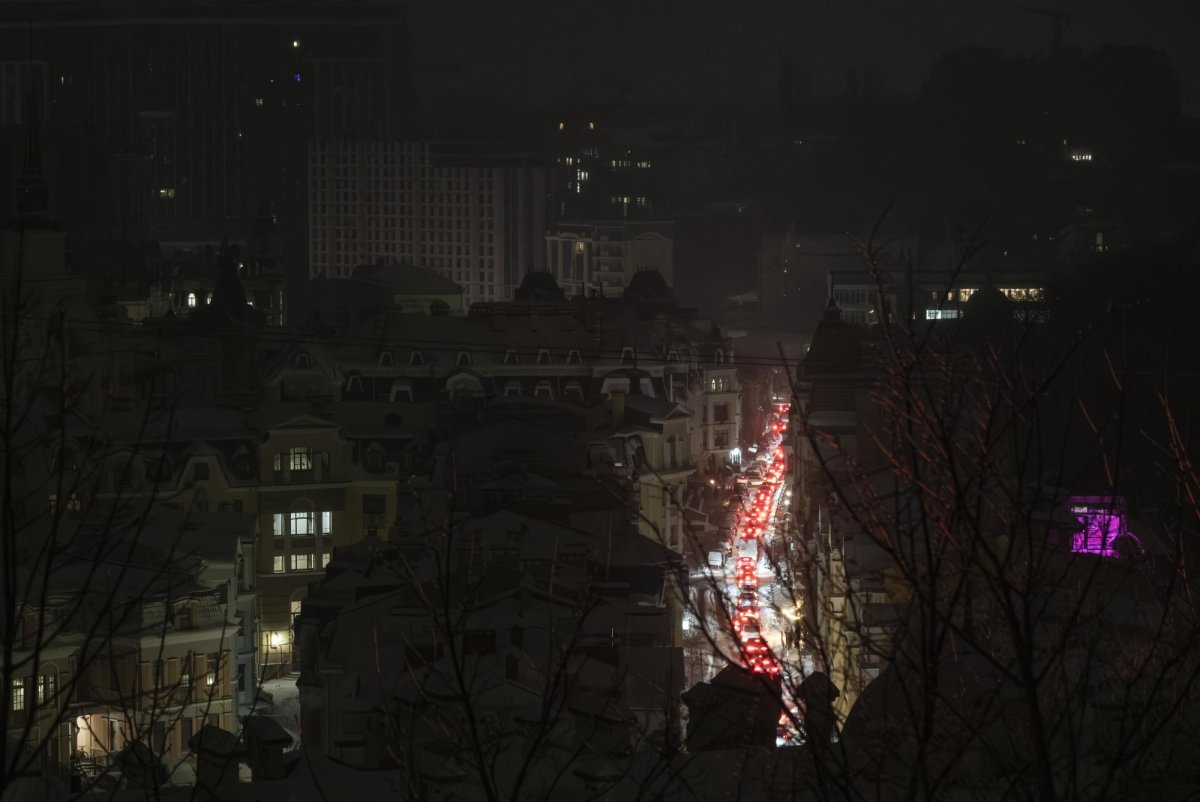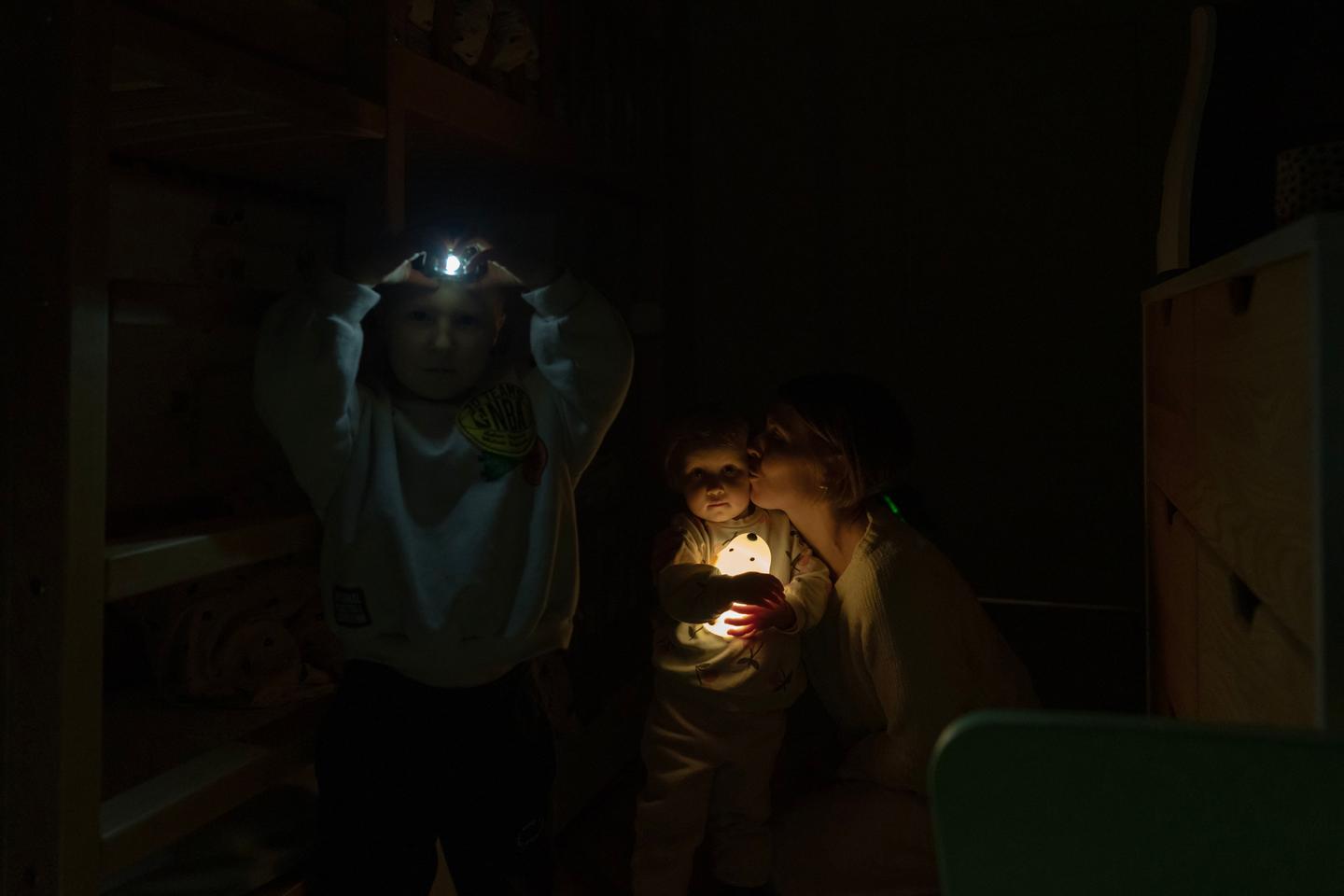
Kateryna and her two children, residents of Kyiv, during a power outage on January 13, 2026. ANDREW KRAVCHENKO/AFP
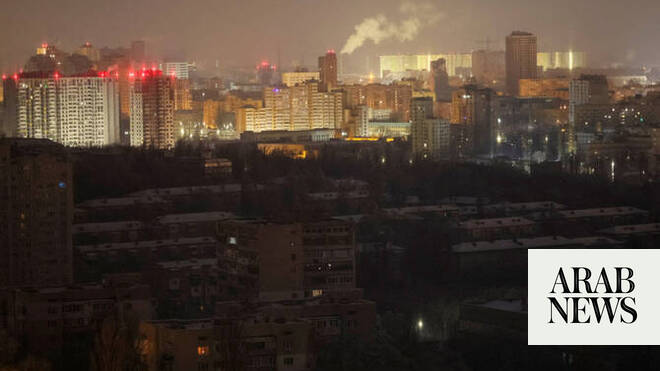
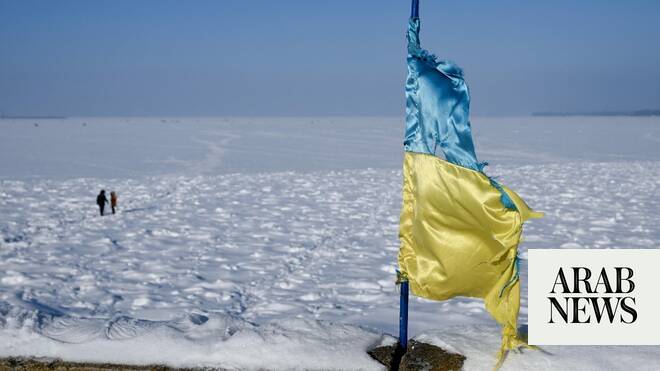
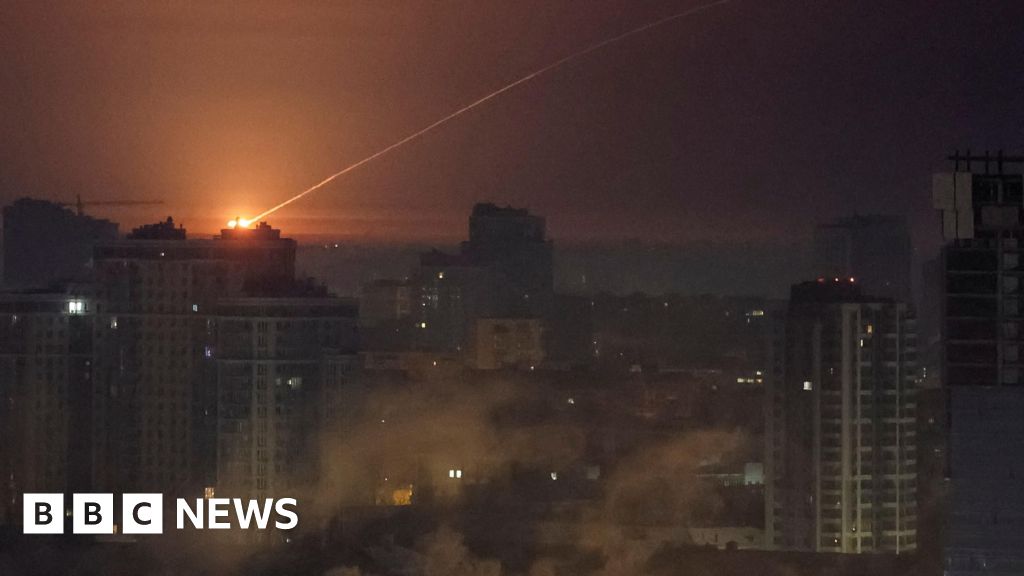
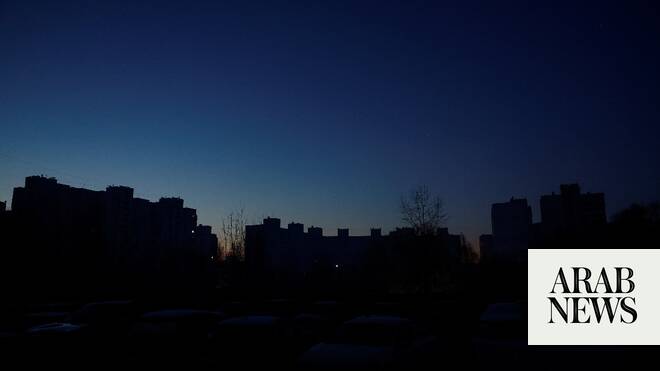
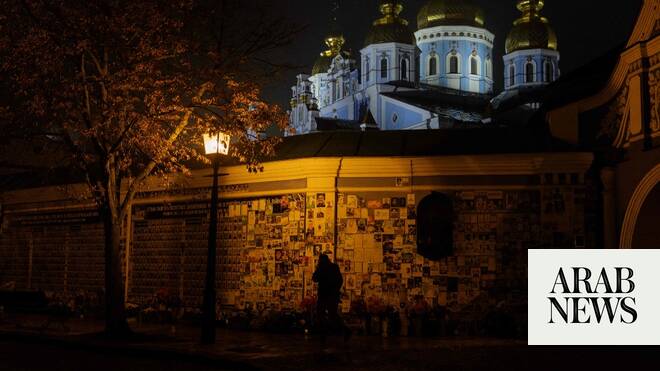
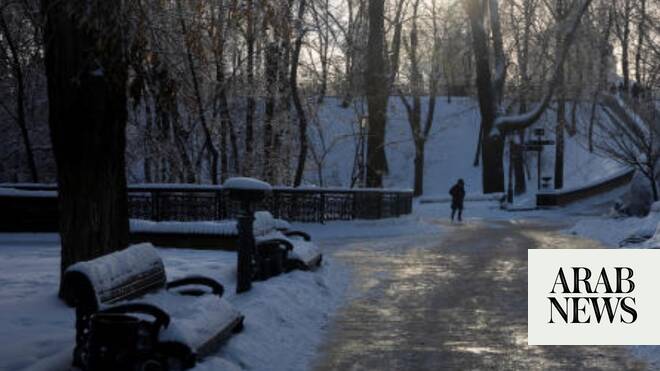
Just as no one wished a "happy new year" in Kyiv on January 1, no one says "good night" now. Some expressions simply do not survive the test of war. Nights are rarely pleasant in the Ukrainian capital, far as it may be from the front lines. Air raid alerts and anti-aircraft fire make it difficult for residents to sleep, and daily Russian attacks have forced Kyivans to survive without electricity, by candlelight and often without heating. Temperatures hover around −15°C.
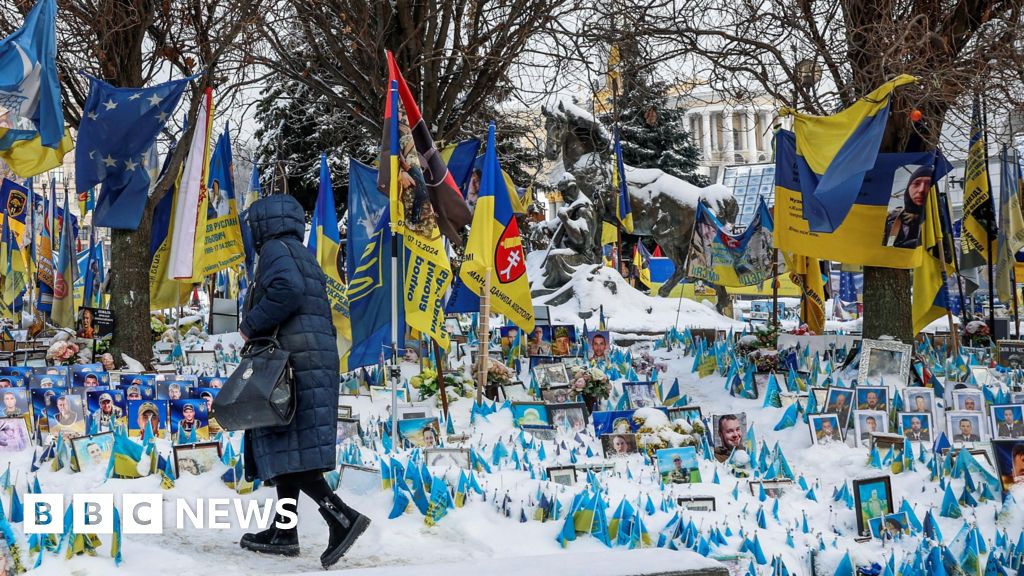
Since the Russian failure to seize Kyiv in 2022, Moscow has adopted a campaign of terror, launching ballistic missiles and drones against Ukrainian cities and civilian populations. According to the United Nations, 2025 was the deadliest year across the country since 2022. The finding may also be a message from Moscow to US President Donald Trump, who has spent the past year asserting his belief that Russian leader Vladimir Putin wants to end the war.
Beyond the ongoing attacks on Ukraine's major cities, Russia has also pursued a strategy of militarizing winter during the coldest months of the year, repeatedly targeting energy infrastructure.