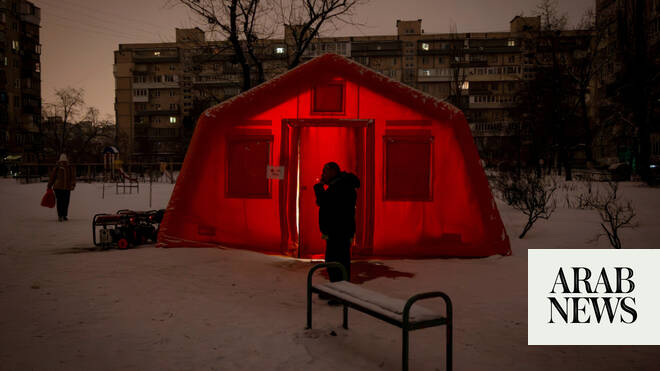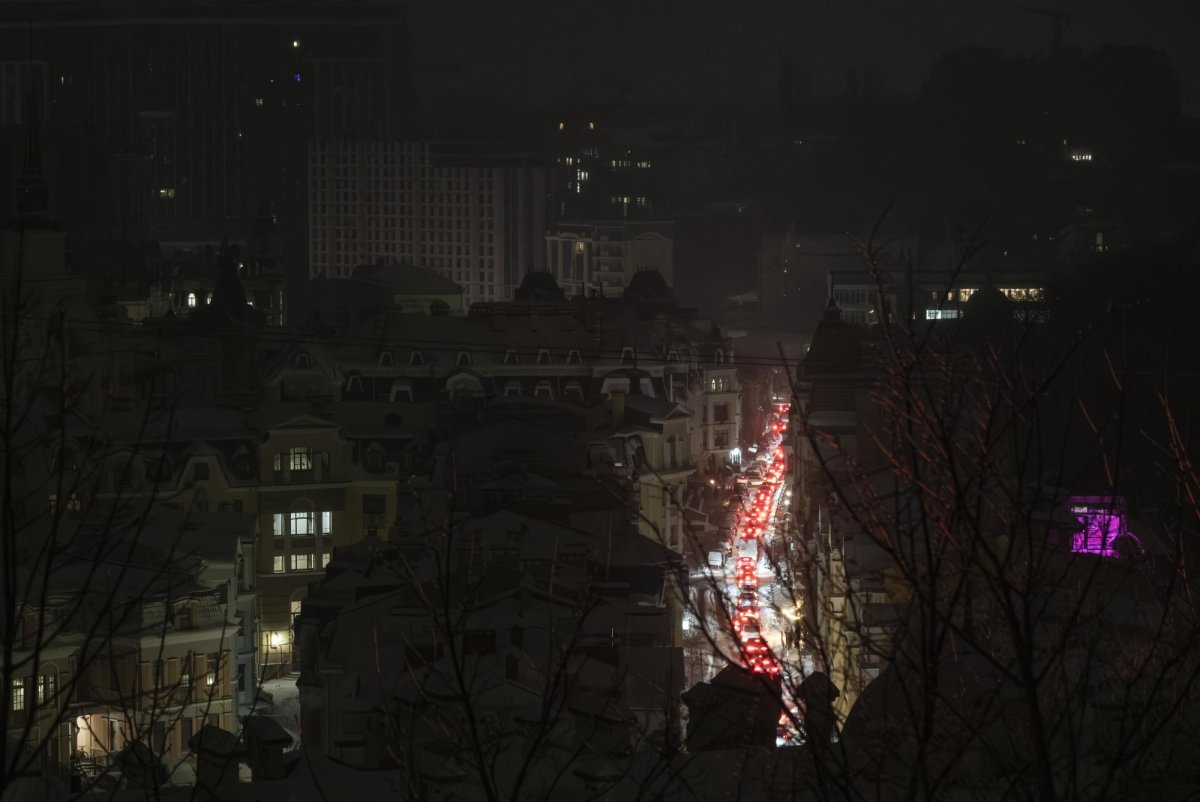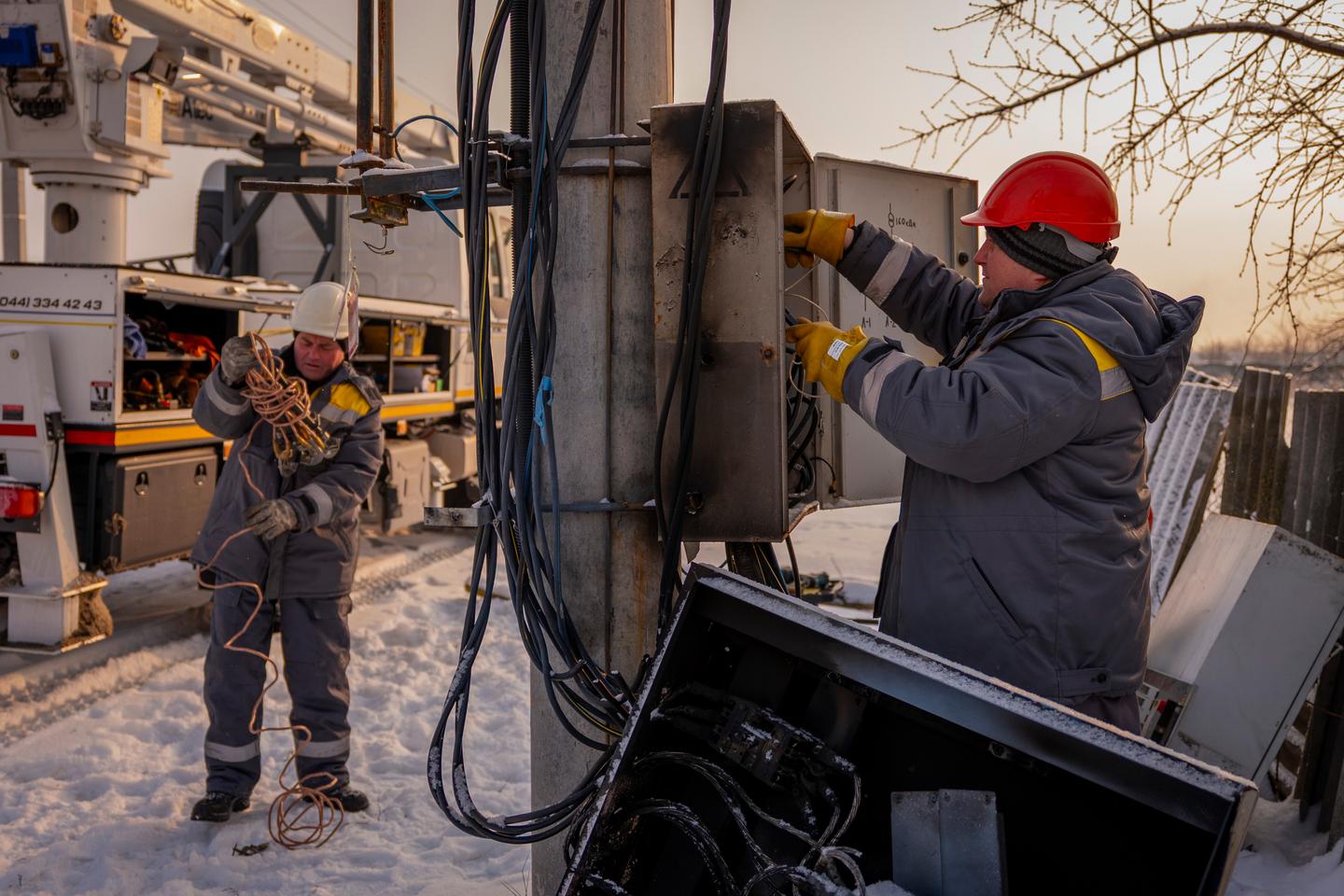
Impact of raid on infrastructure rivals early weeks of war when tanks tried to force their way into Ukraine’s capital
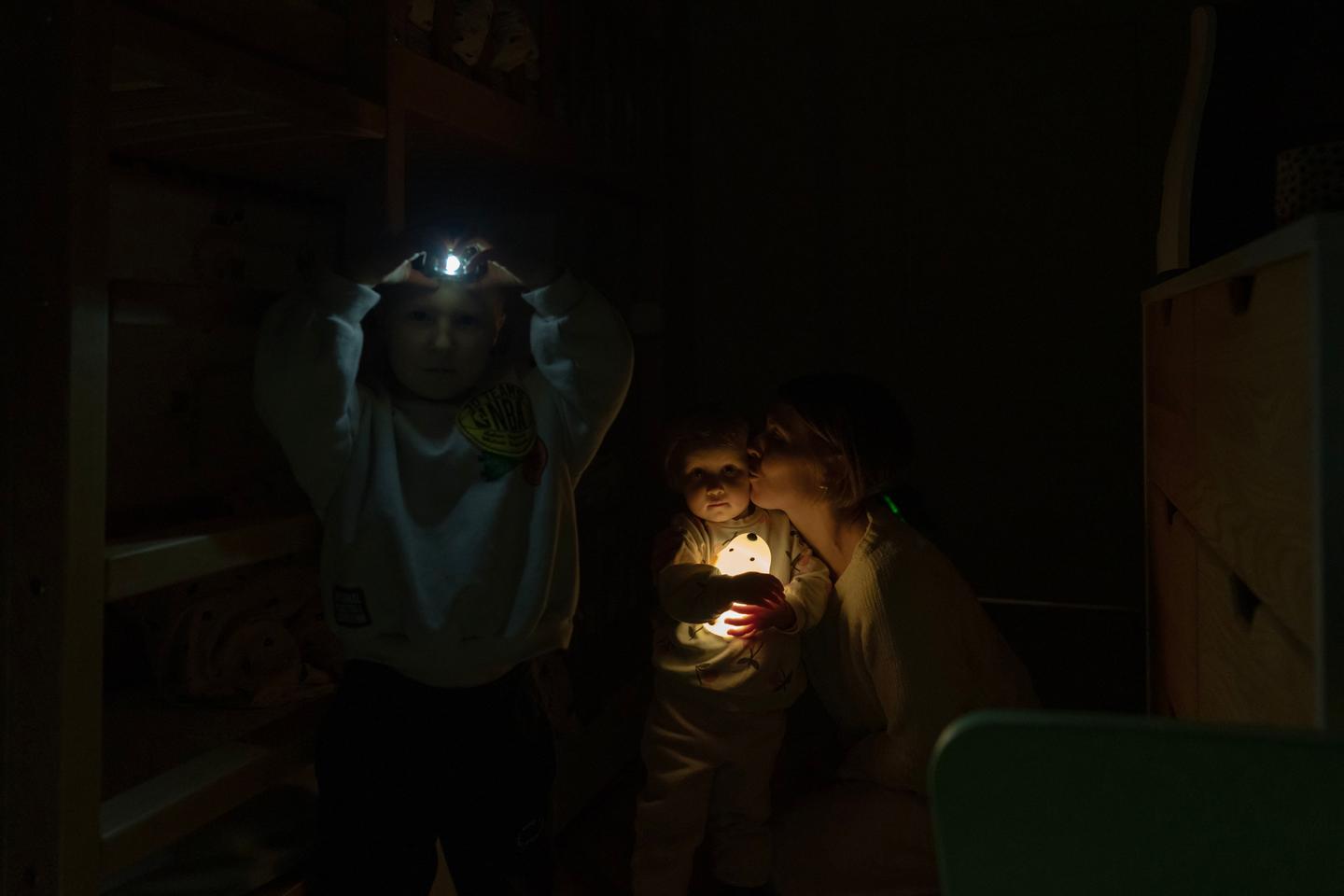
On the night of 9 January, amid warnings from Ukraine’s president, Volodymyr Zelenskyy, of massive and imminent Russian airstrikes, Tetiana Shkred began cooking for her children at midnight.
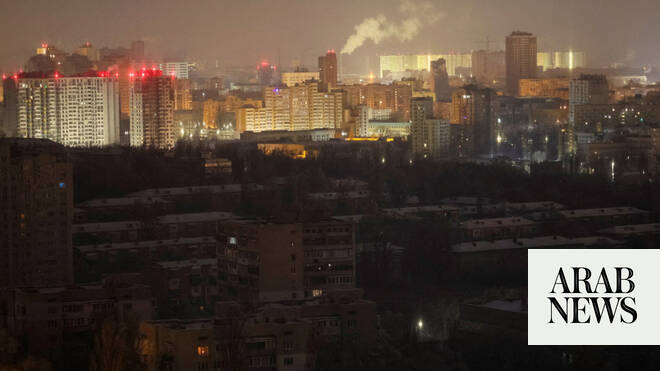
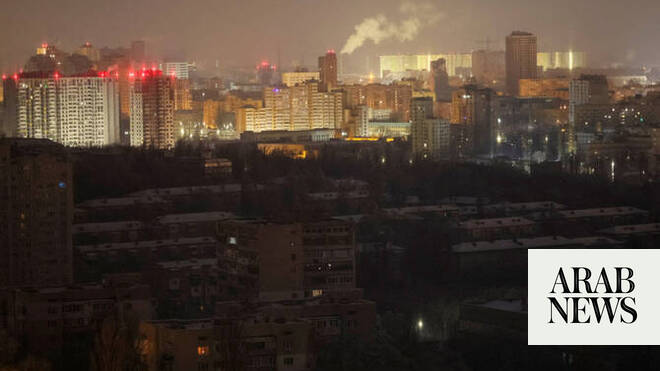
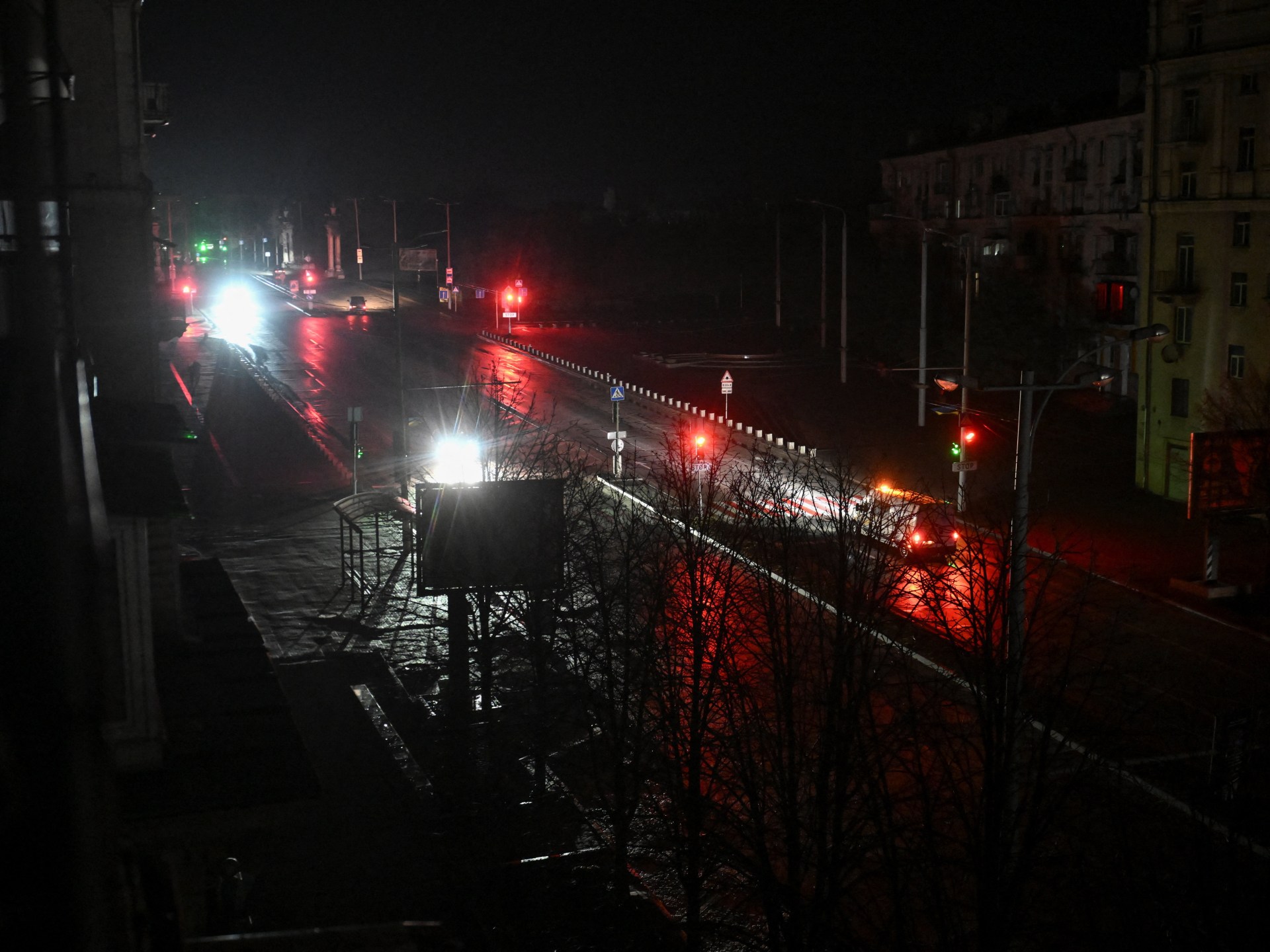
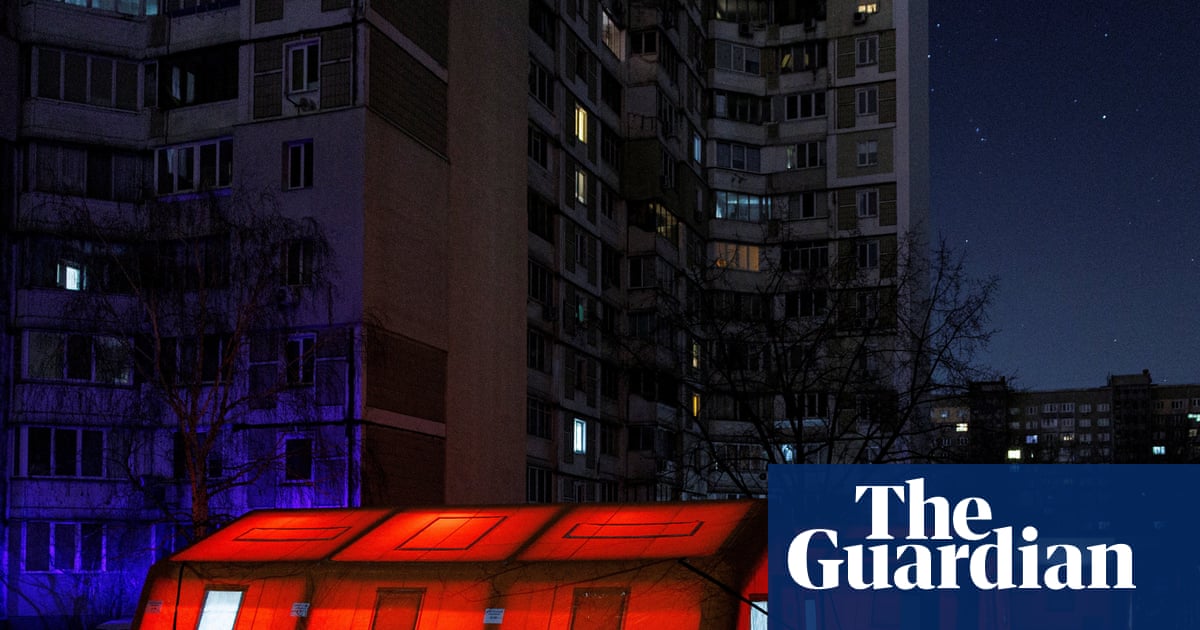
Concerned that the power was once again about to be knocked out in her apartment block on Kyiv’s left bank – the side of the city that has been most affected by Moscow’s attacks on energy infrastructure – she cooked until 3am, when her flat was plunged into freezing darkness.
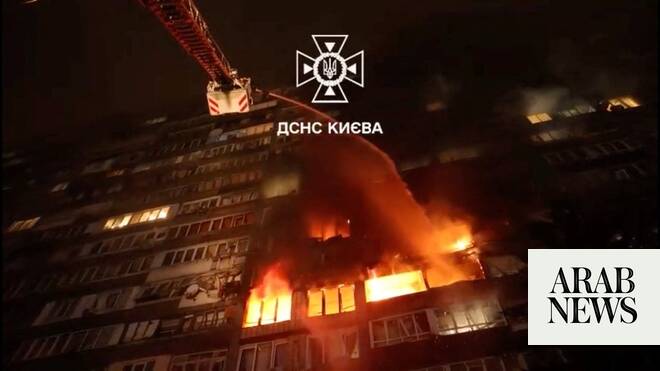
In a shelter space between two walls, Tetiana and her two children, aged four and 11, sat out the missiles and drones.
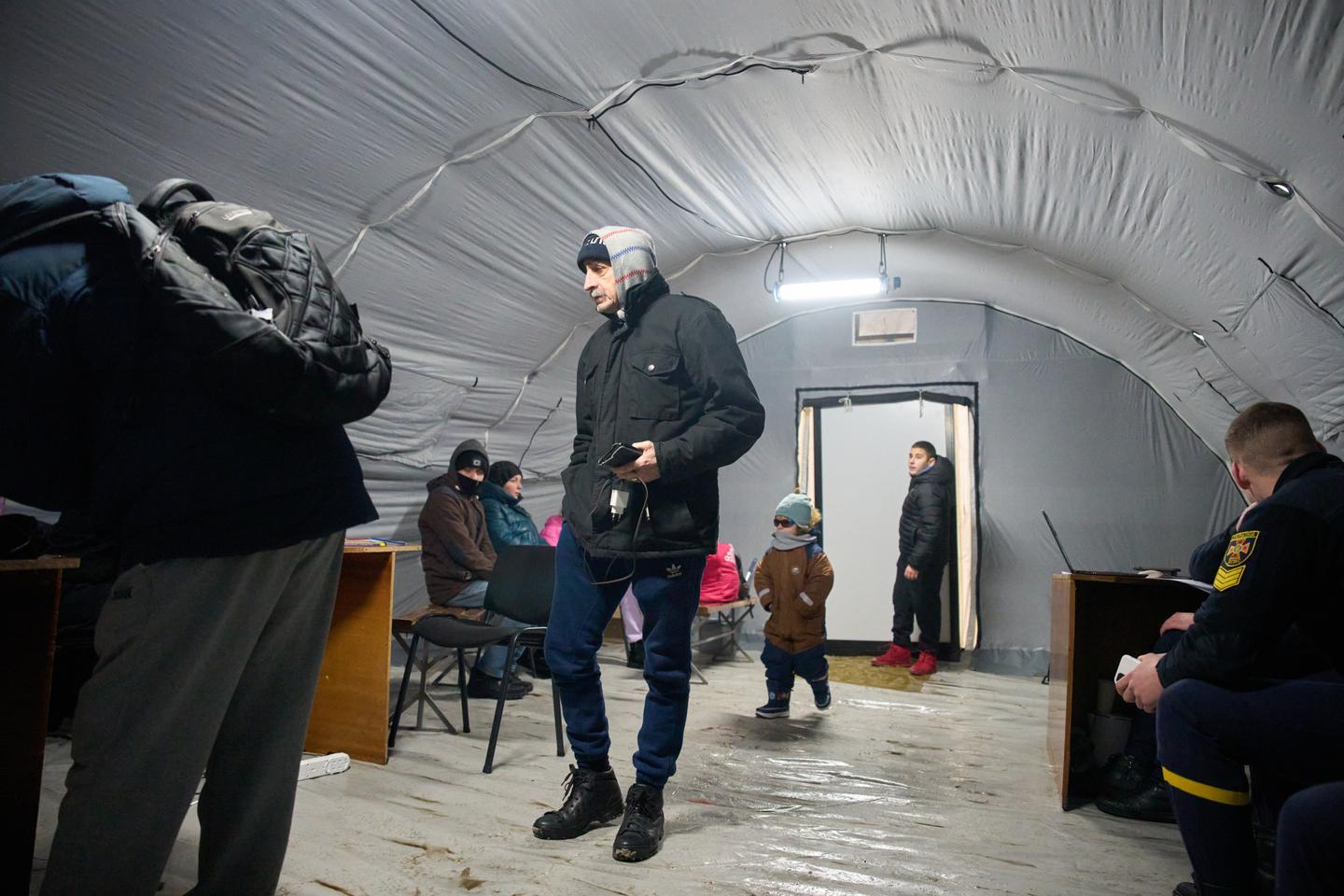
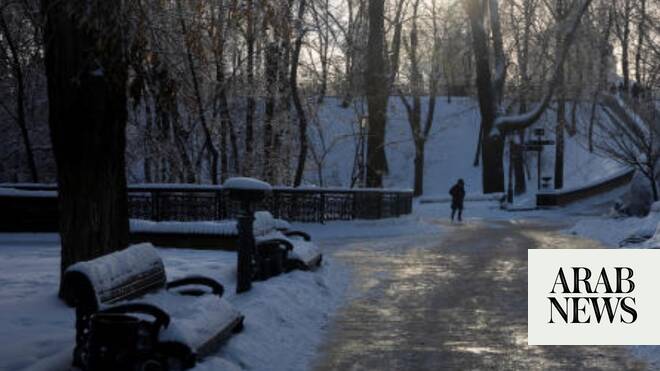
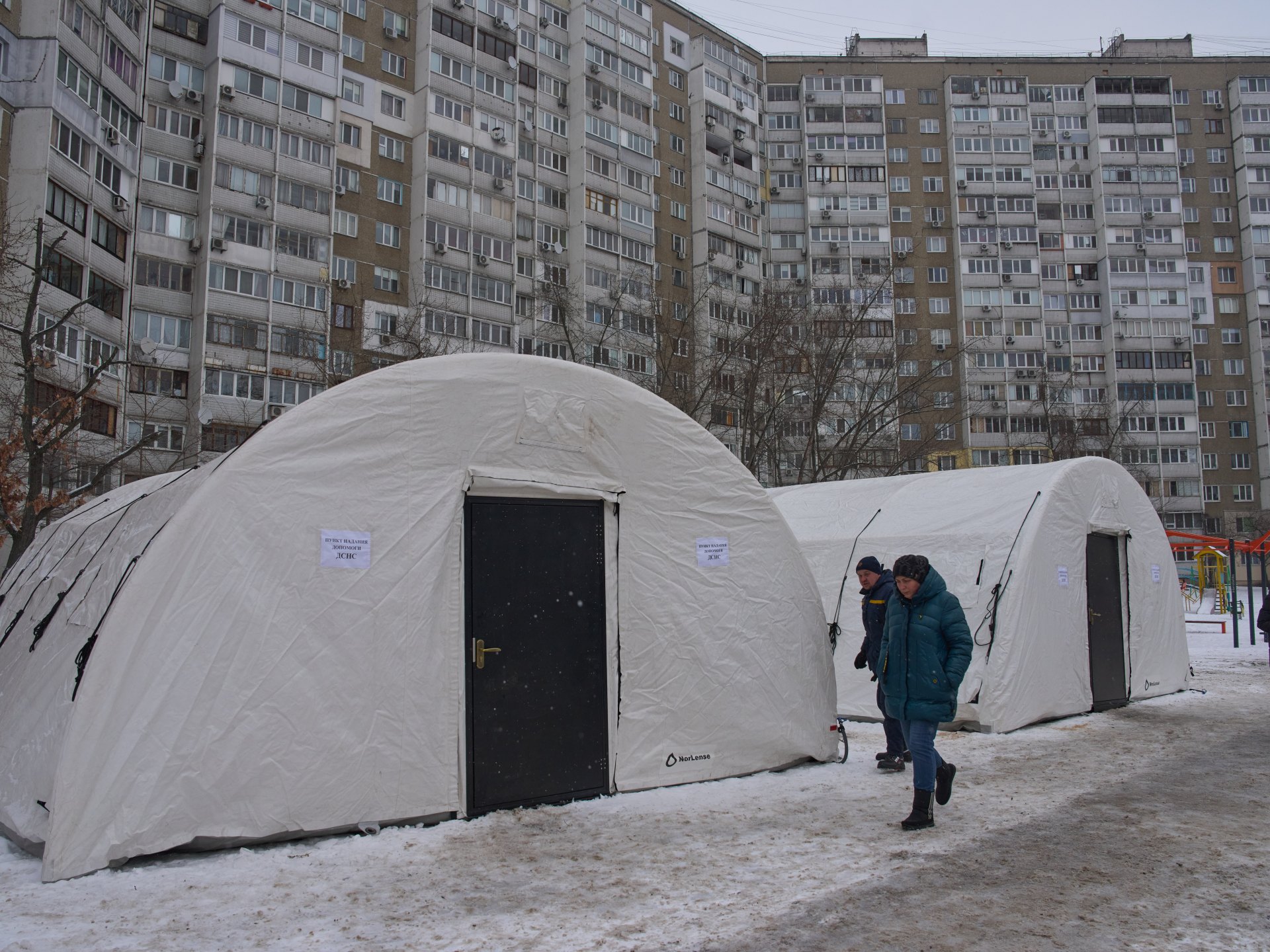
When the wave of attacks ended, like tens of thousands of others, they would have to deal with the aftermath in a prolonged cold snap. Daytime temperatures have dropped to –12C (10F) and as low as -19C at night.