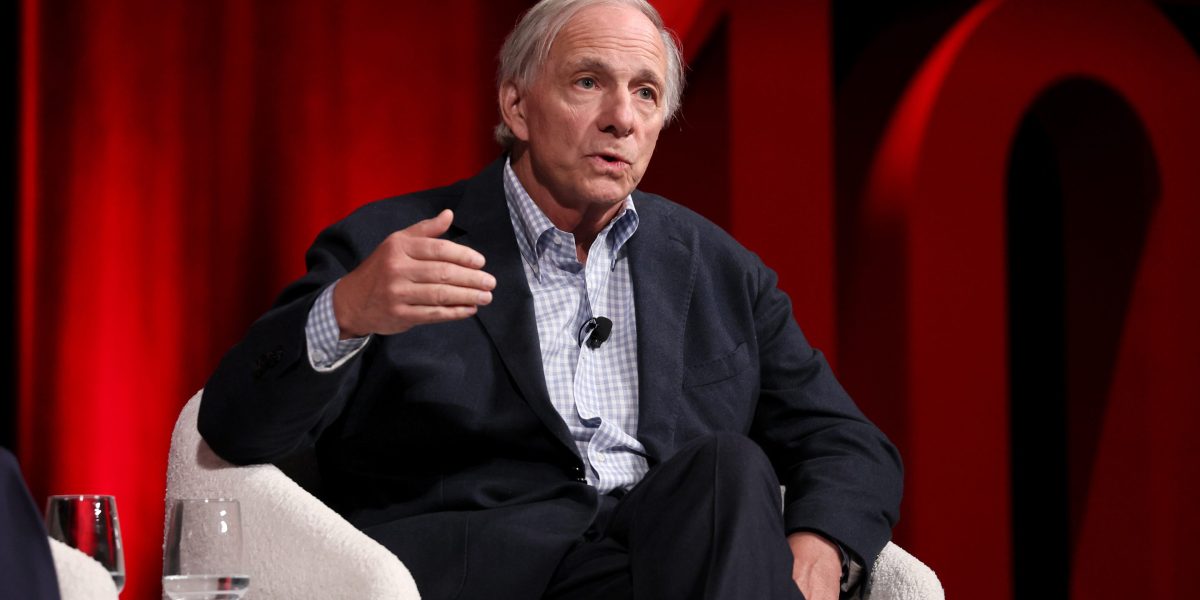
However, many of these symptoms trickle back to the vast sum America owes to its debtors, according to Kurt Couchman, a senior fellow in fiscal policy at think tank Americans for Prosperity. In the final three months of 2025, the government spent $276 billion in interest on the debt, which the likes of Bridgewater Associates founder Ray Dalio warn will one day squeeze out government investment needed to bolster economic prosperity.
In congressional testimony last month, Couchman told the House Judiciary Subcommittee on the Constitution and Limited Government that “the growing debt risks a bond market reckoning with potentially dire consequences for the American people. The actions of their representatives in Congress will determine whether the conditions of the American Dream—peace, freedom, and prosperity—survive, or if the future is decline.”
Already, that future is being hampered, Couchman, author of Fiscal Democracy in America, told Fortune in a phone interview. The affordability crisis (inflation by any other name) was largely sparked by an “explosion” in monetary supply at the onset of the pandemic, he outlined.
“We’ve already experienced the inflationary aspects of excessive federal spending and debt,” said Couchman, who previously served in government affairs positions at the Committee for a Responsible Federal Budget. “We’re now at the point where if you look at [the Congressional Budget Office], World Bank, [International Monetary Fund], and others, they say that once the debt burden … surpasses a certain threshold of GDP that it starts to slow economic growth.”