T
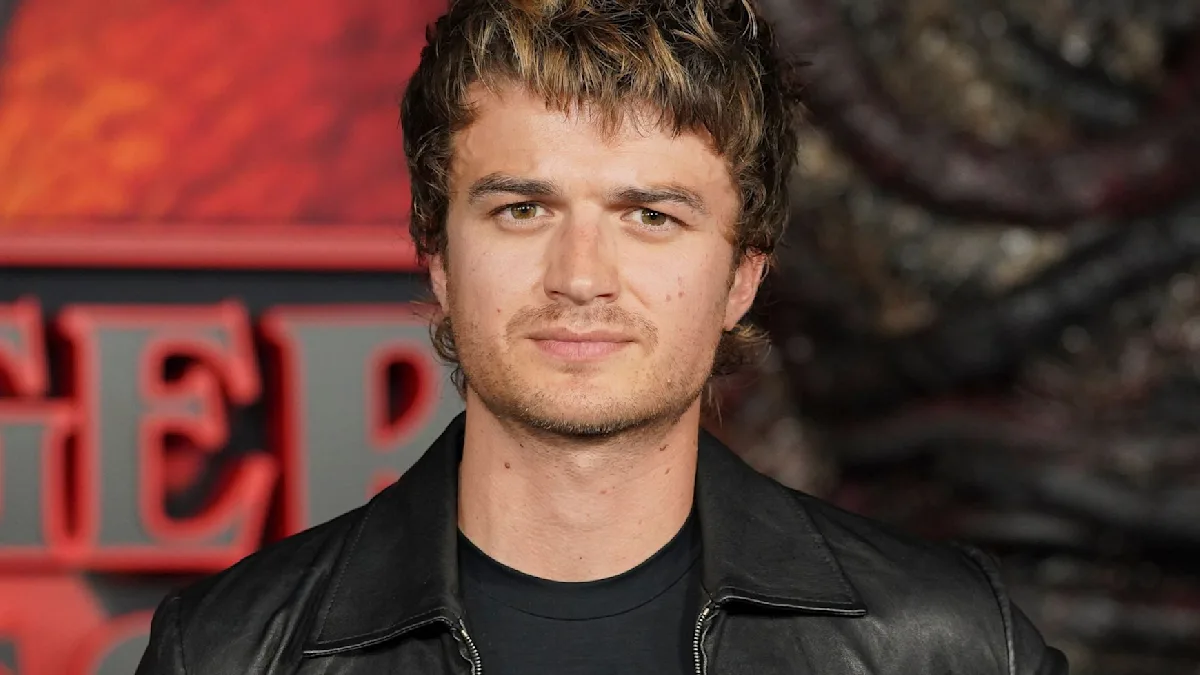
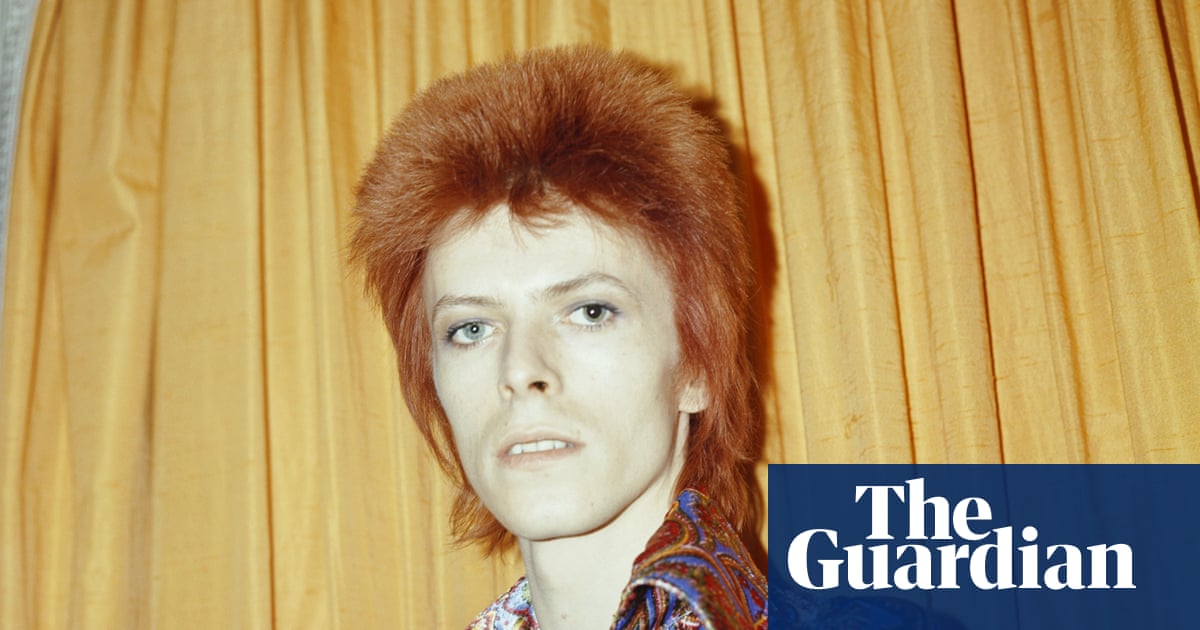
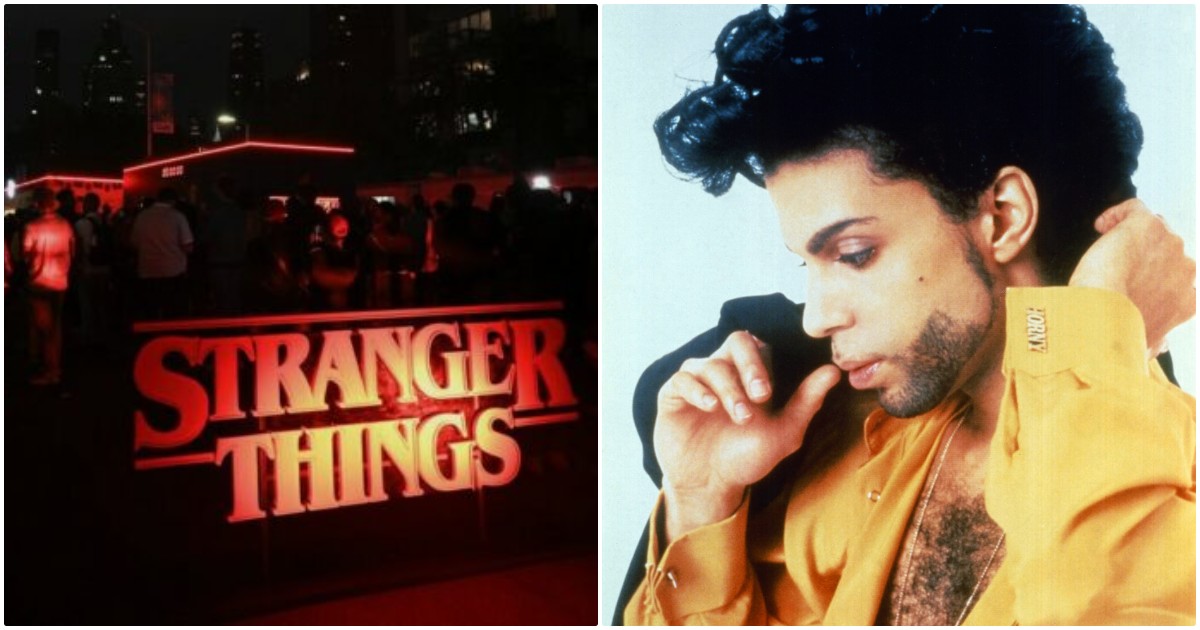
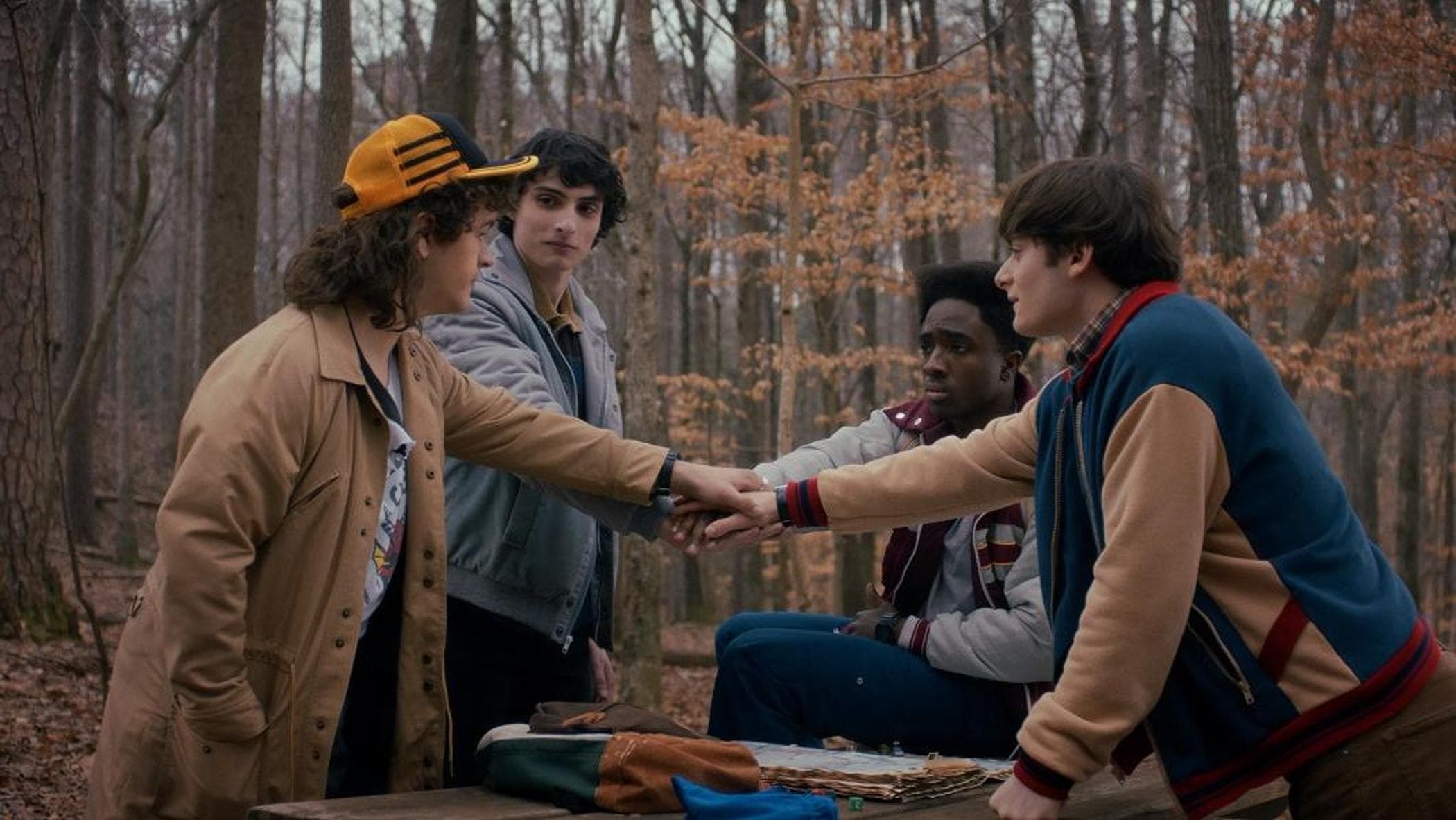
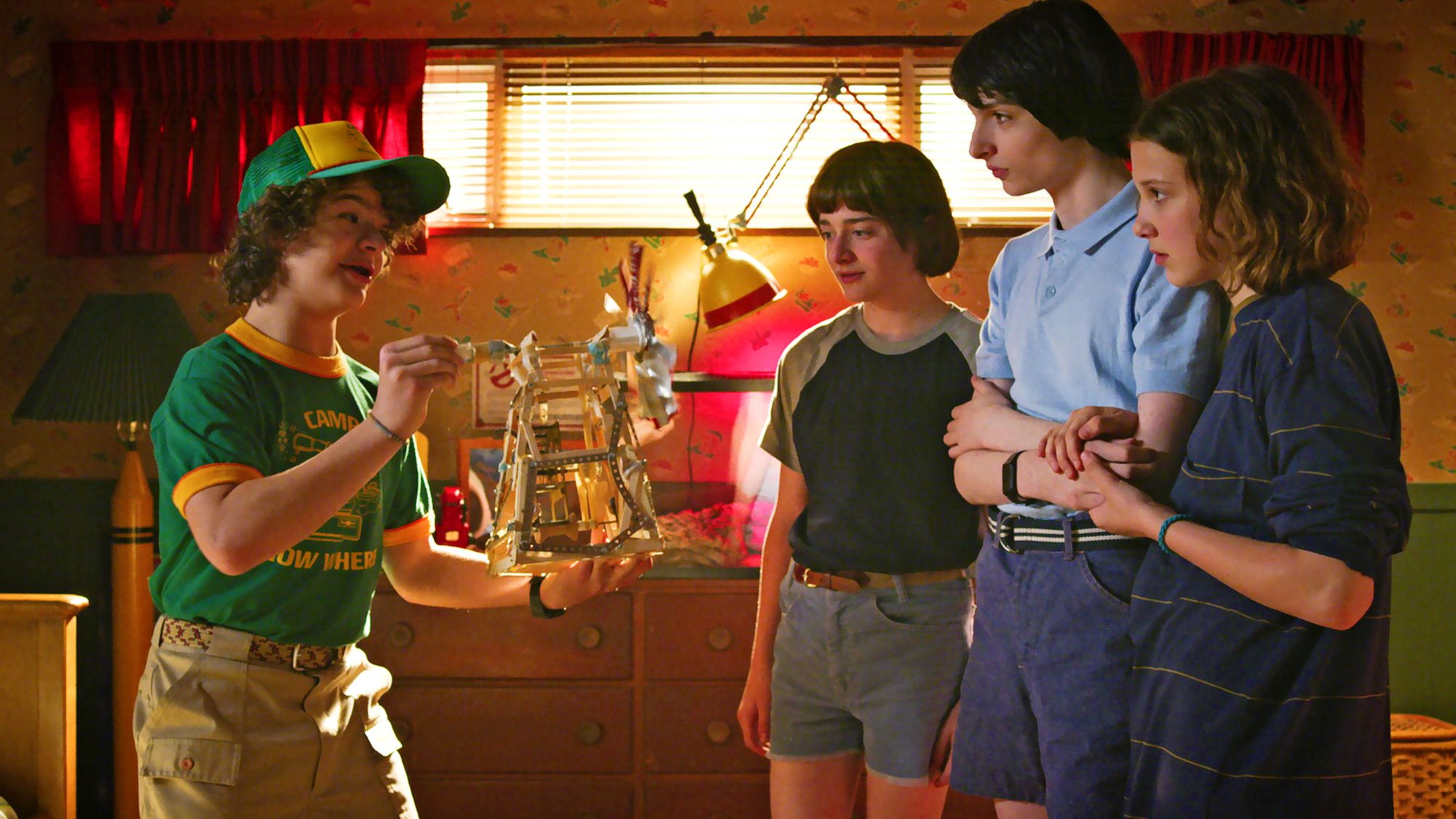
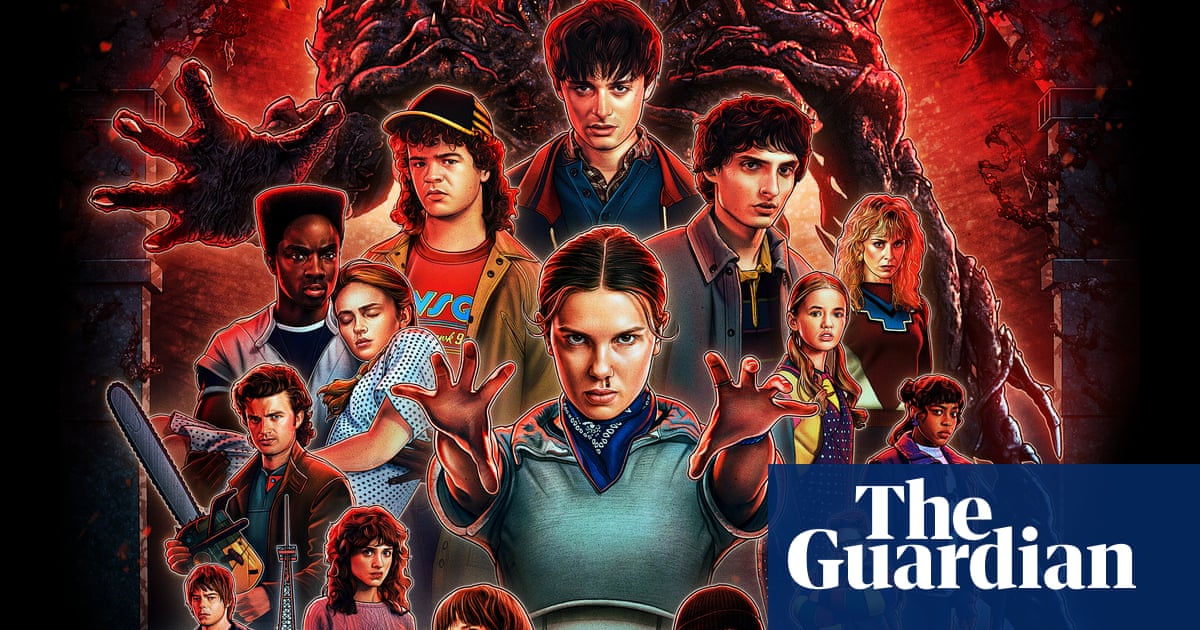
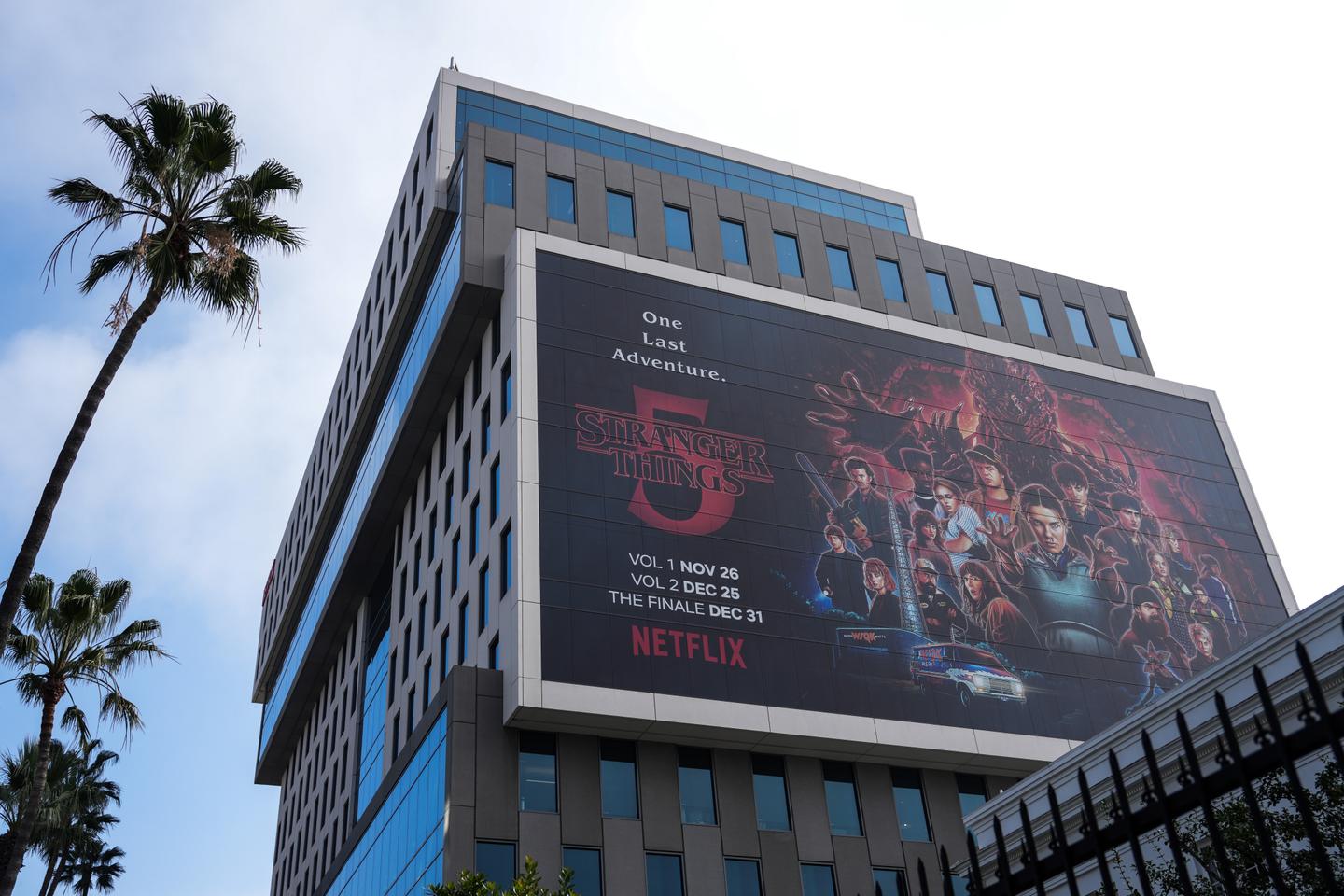
he song Purple Rain, released by Prince in 1984 – practically prehistoric times – has seen its number of streams explode on Spotify since the beginning of the year. The same goes for Heroes, by David Bowie, from 1977. Of course, there is an explanation. Both classics were featured in the season 5 final episode of Stranger Things, the Netflix phenomenon that has captivated teenagers worldwide – with over one billion views since the saga launched a decade ago. That a show made for young people has revived the soundtrack of previous generations is both wonderful and dreadful.
Wonderful because of the scale of the phenomenon. Purple Rain garnered 7.6 million streams between January 2 and 8 on music platforms – a 577% increase among 15- to 25-year-olds alone. Heroes jumped from 94,000 streams per day to nearly 500,000. This series, where music plays a key role against a backdrop of global destruction, has also revived songs by Metallica, Pixies, Fleetwood Mac, Diana Ross and Abba. Some tracks have even climbed higher on music platforms now than when they were released 40 years ago, such as "Running Up That Hill" by Kate Bush.
That 15- to 25-year-olds are discovering music they never imagined listening to – in a world where algorithms shape their tastes – is something to celebrate. One can almost dream of a miraculous market, of hidden treasures brought back to light thanks to television series. But let's temper our enthusiasm a bit, as this phenomenon is nothing new. In 1976 – and the trend goes back even further – the Spanish film Cría Cuervos, directed by Carlos Saura, made a hit out of the song Porque te vas, which had been released two years earlier to little attention. Similarly, one can no longer count the number of sites, cities or villages that have been overwhelmed by over-tourism because of their appearance in films or TV series.