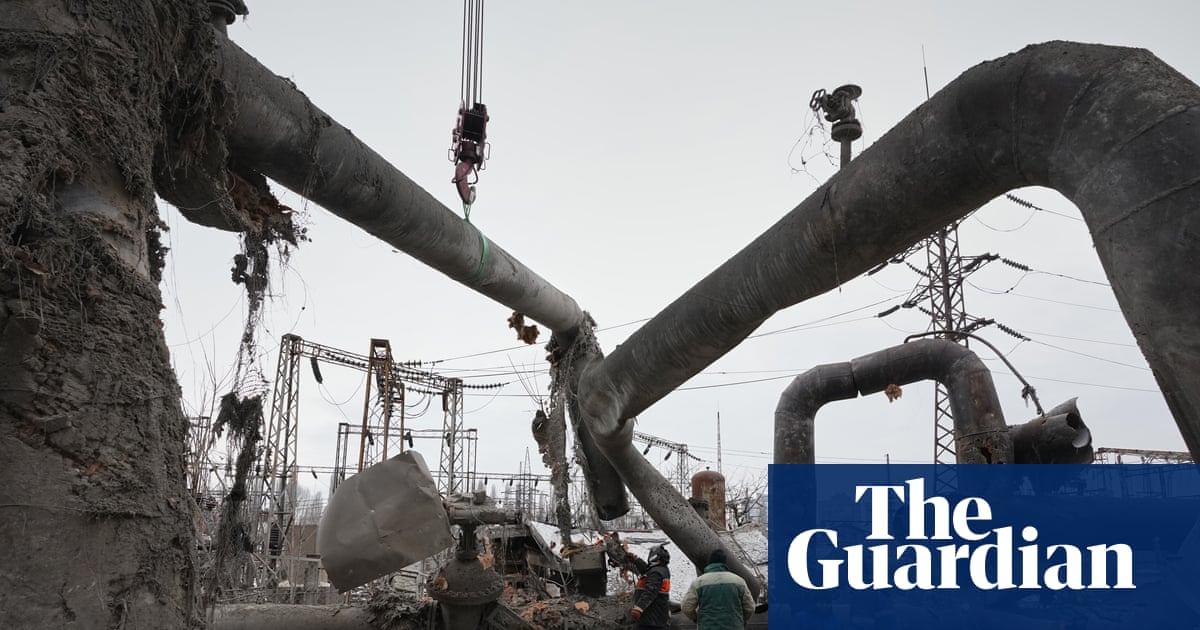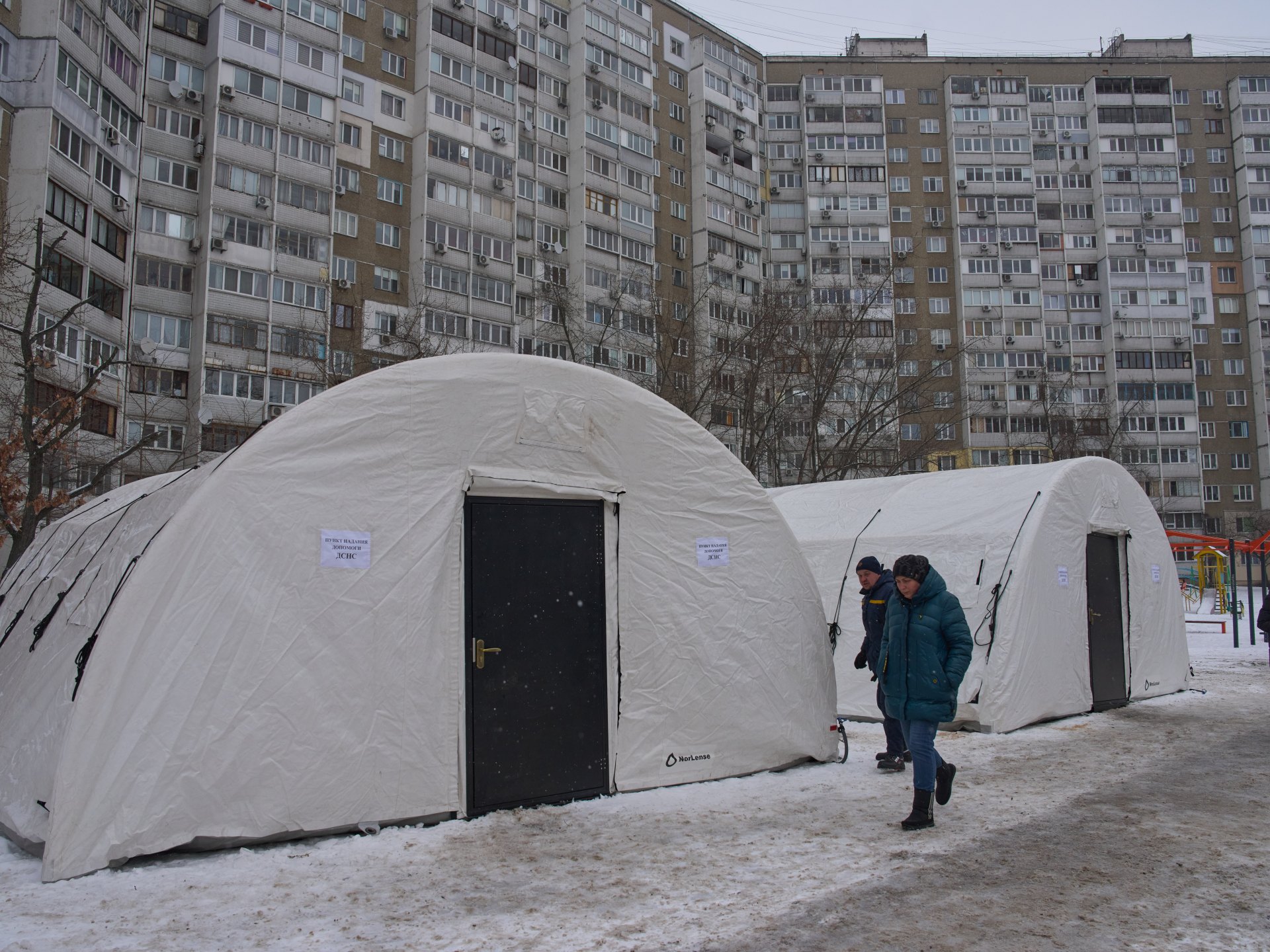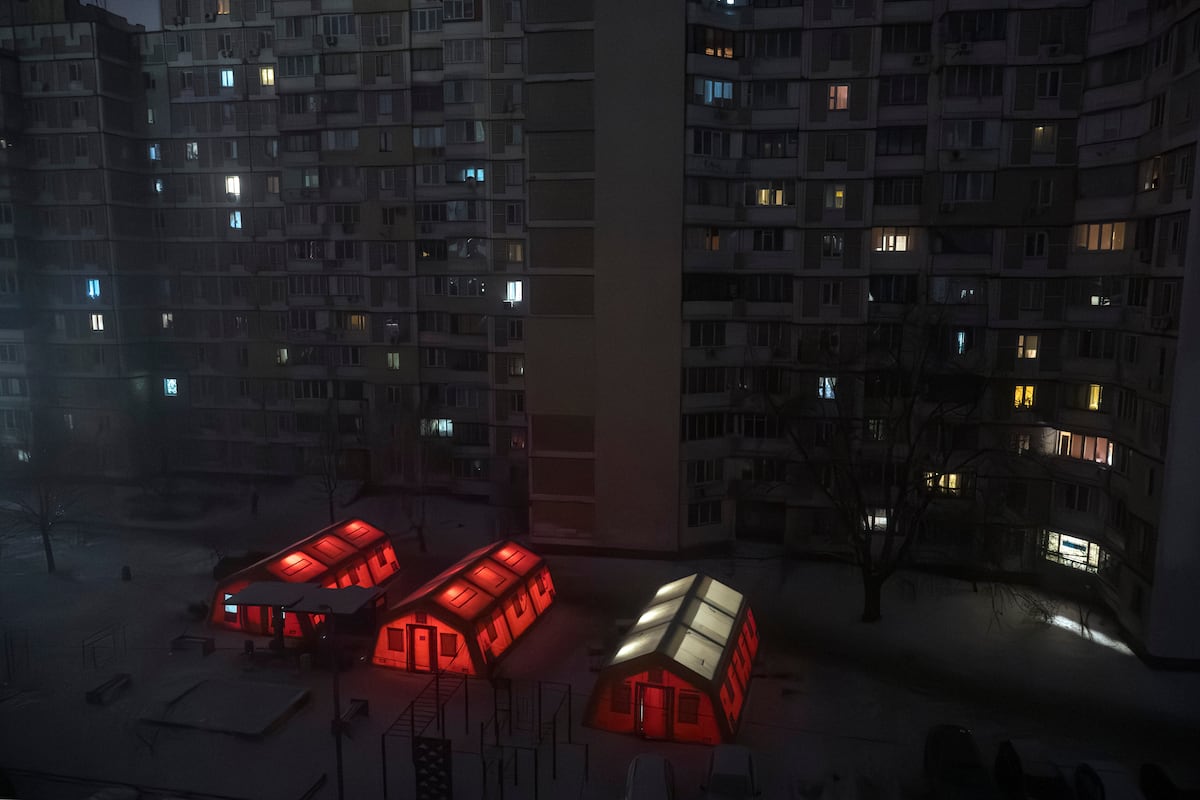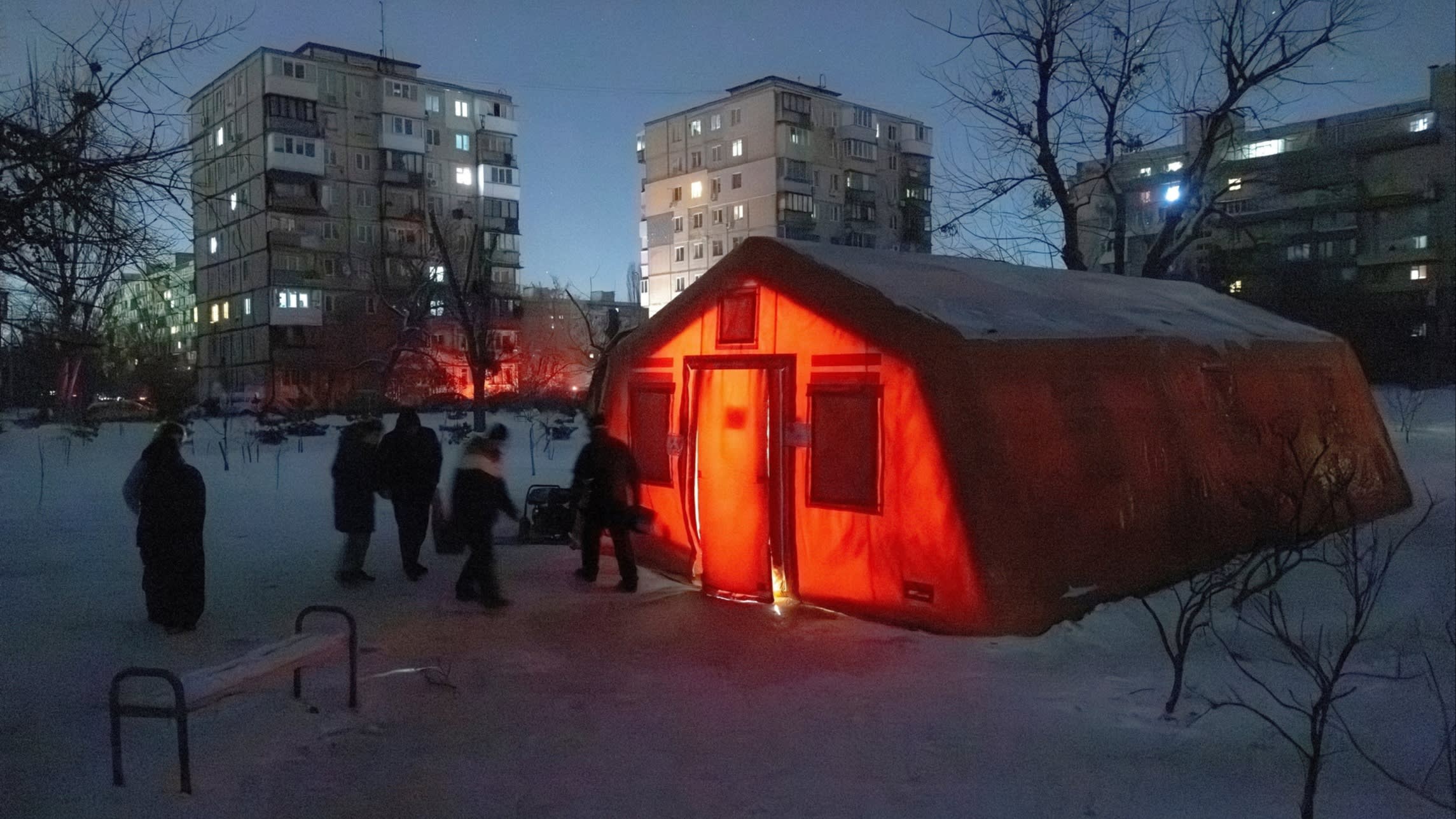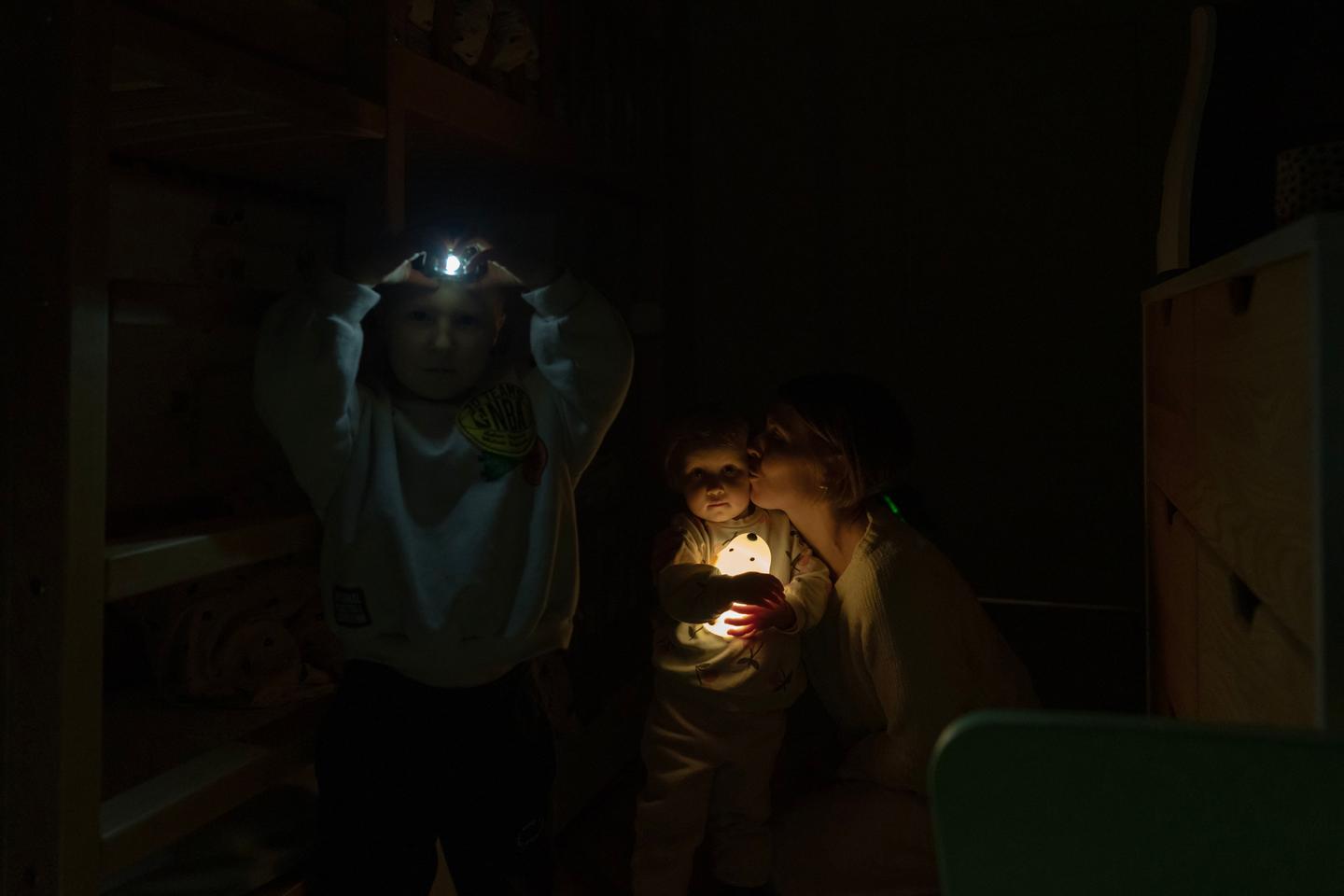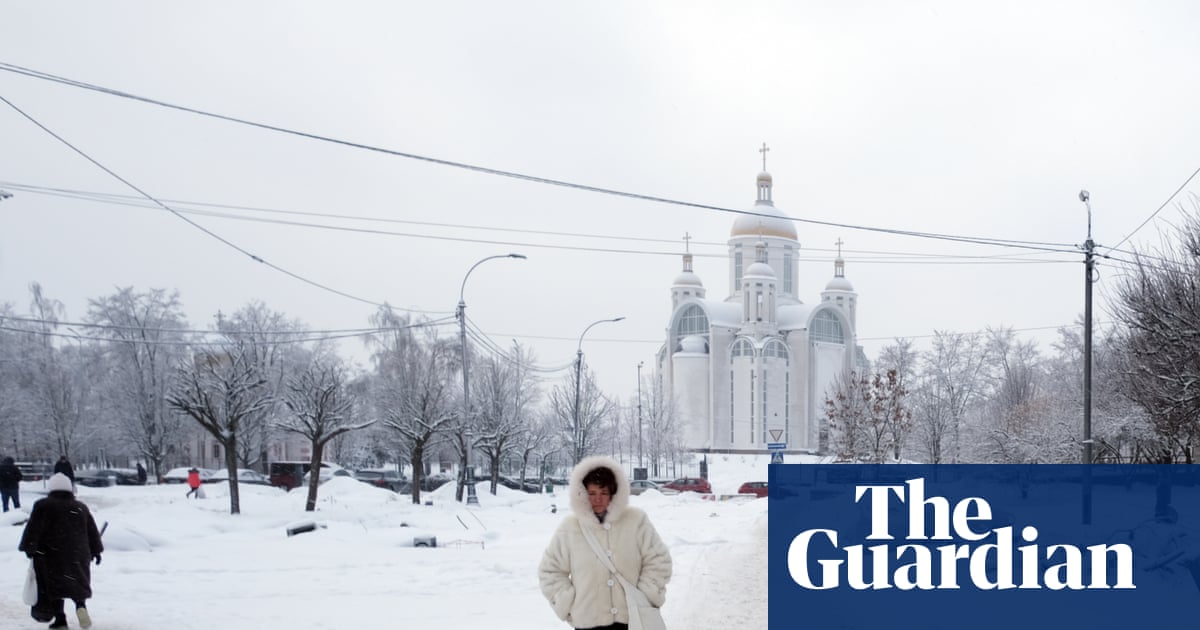
Russian attacks on Ukraine’s power plants as severe frost set in have been described as ‘crimes against humanity’
Outside the main pumping station for Bucha, three engineers, bundled up in parkas, are working on the emergency generator keeping the Ukrainian city supplied with water.
One holds a heat gun to the generator’s filter in an effort to unfreeze it, his face reddened by blowing snow and a daytime temperature of -12C (10.4F). Watching attentively is the city’s mayor, Anatolii Fedoruk. The generator in his office is also frozen when the Guardian visits and he apologises for the lack of coffee.
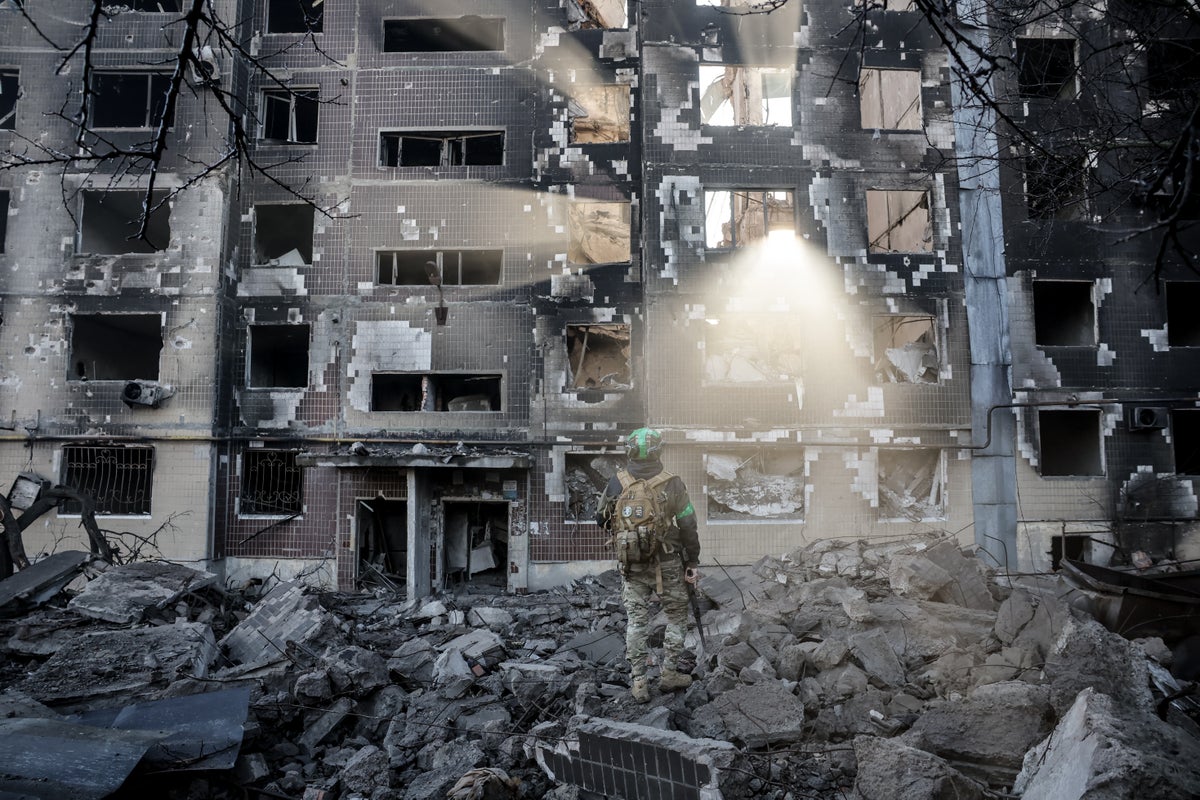
Four years ago, in the first days of Russia’s invasion of Ukraine, Bucha and the neighbouring city of Irpinbecame emblematic of the brutality of Moscow’s brief occupation of this area amid the murder of civilians.
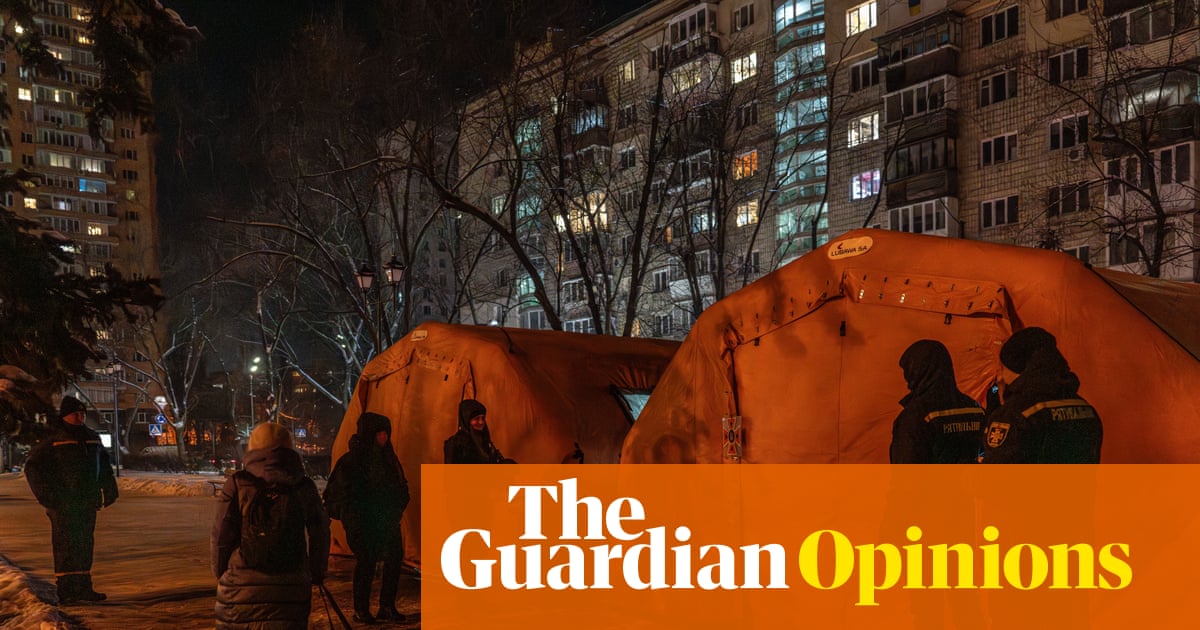
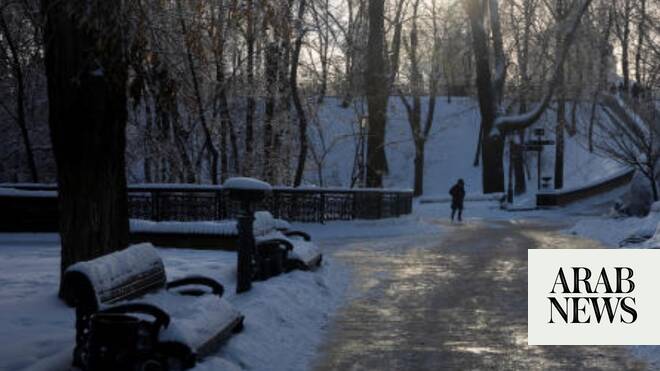
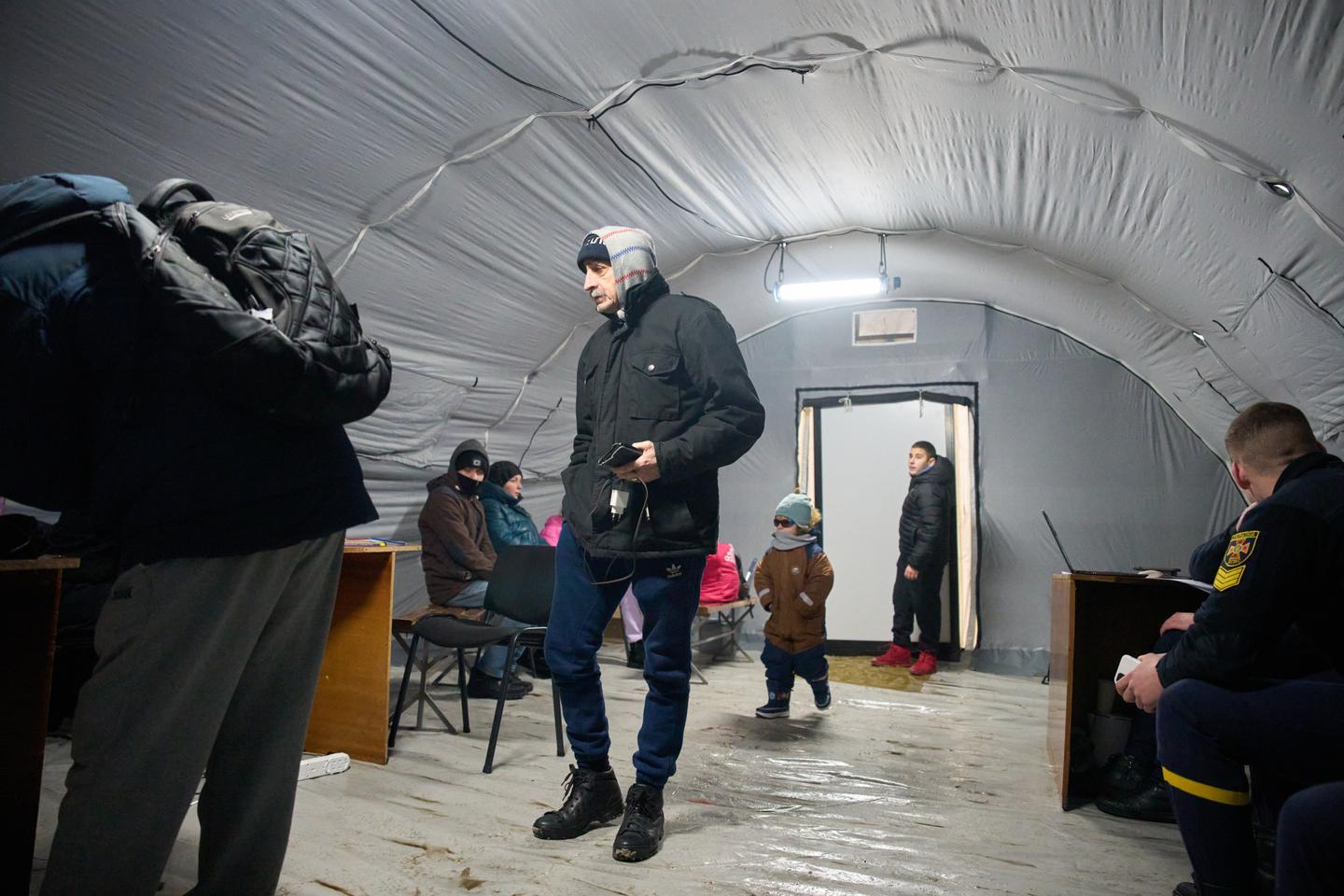
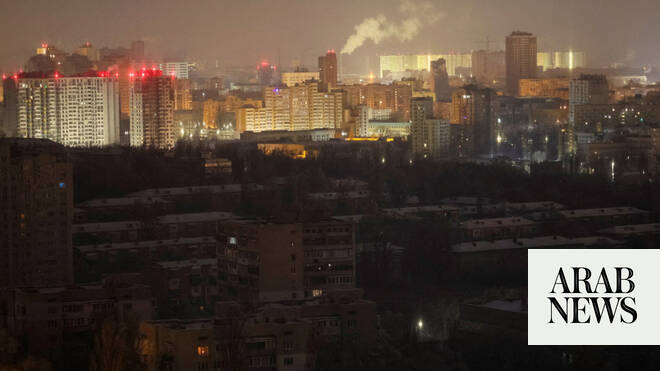
While the buildings in Bucha have largely been repaired, and the Russians pushed away long ago, Ukraine’s long war is still very much being felt here – most profoundly after Russia attacked energy infrastructure as temperatures dropped to almost -20C and a national state of emergency was declared.