From Peru to Venezuela, insecurity and militarised politics are eroding democratic legitimacy.
Share
Save
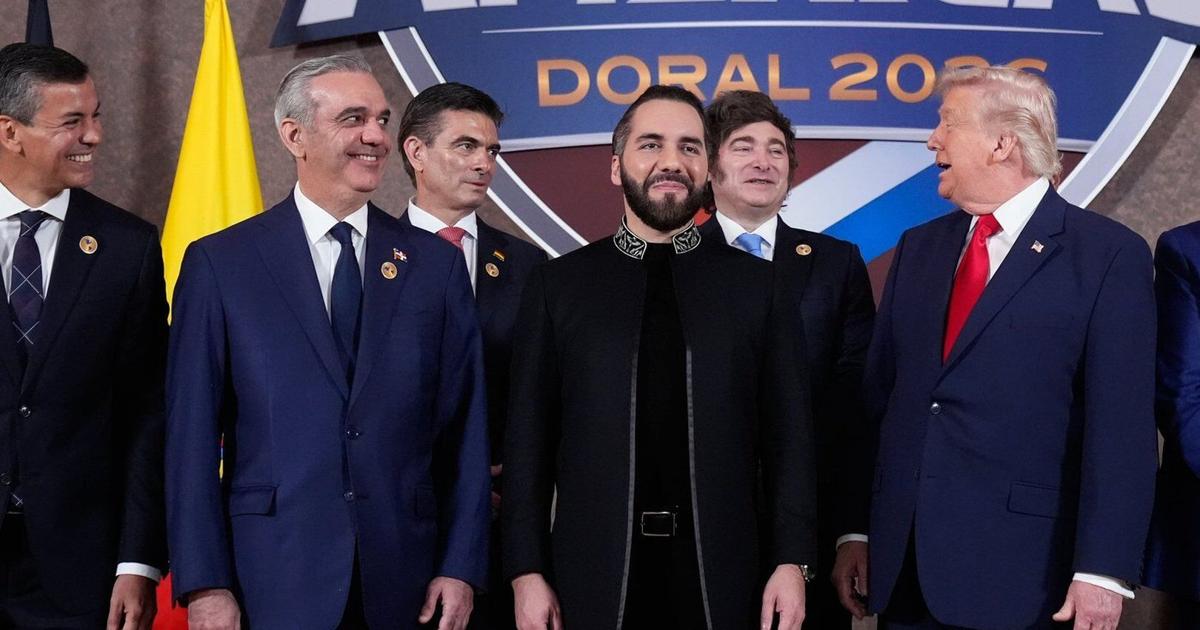
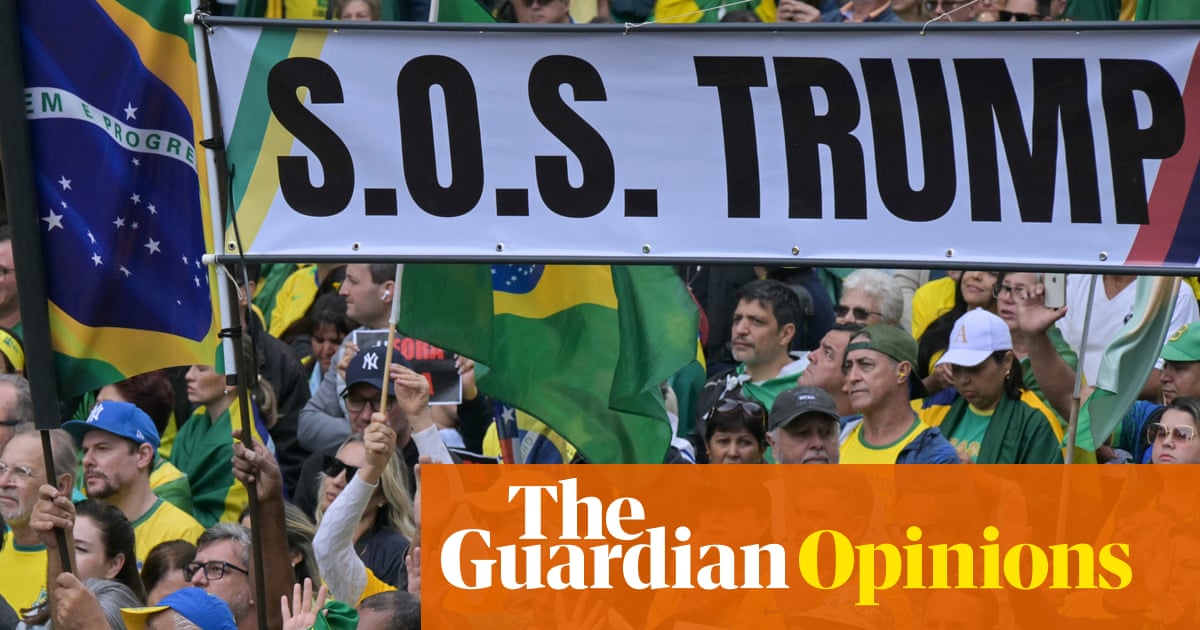
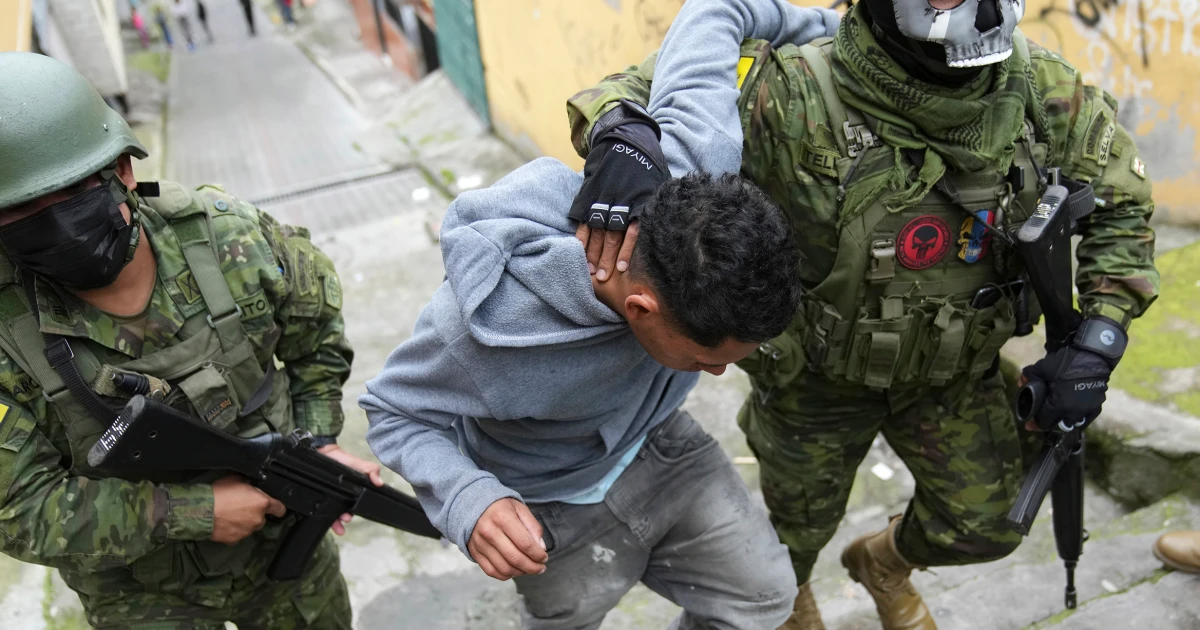
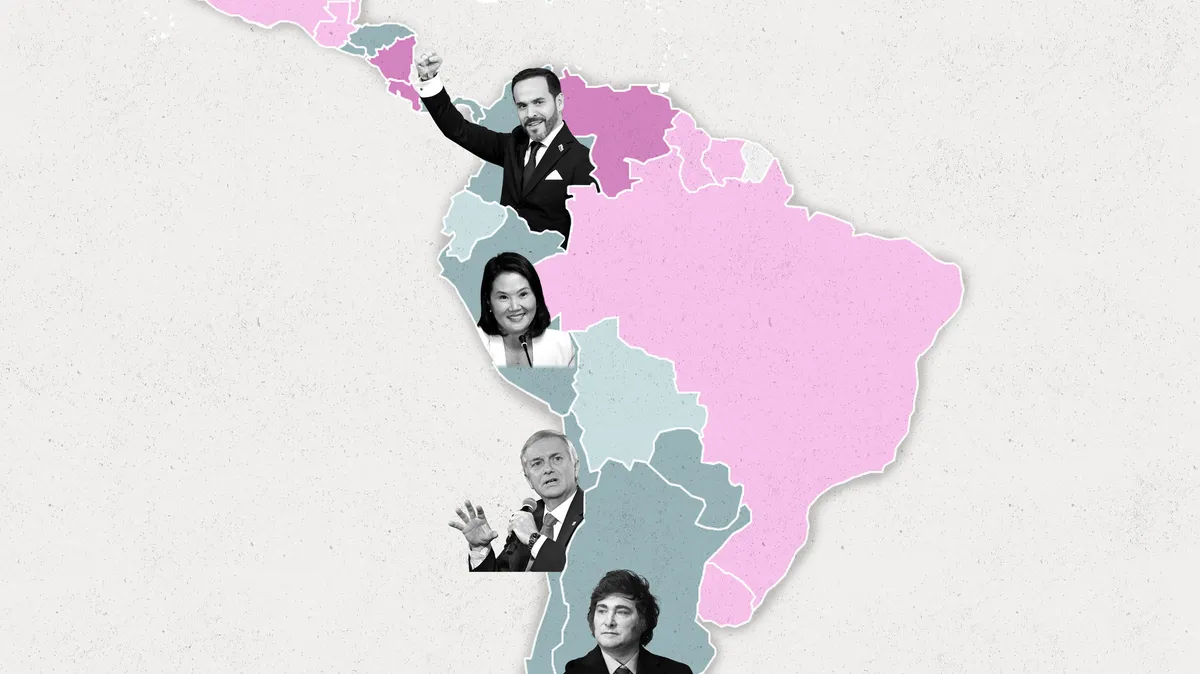
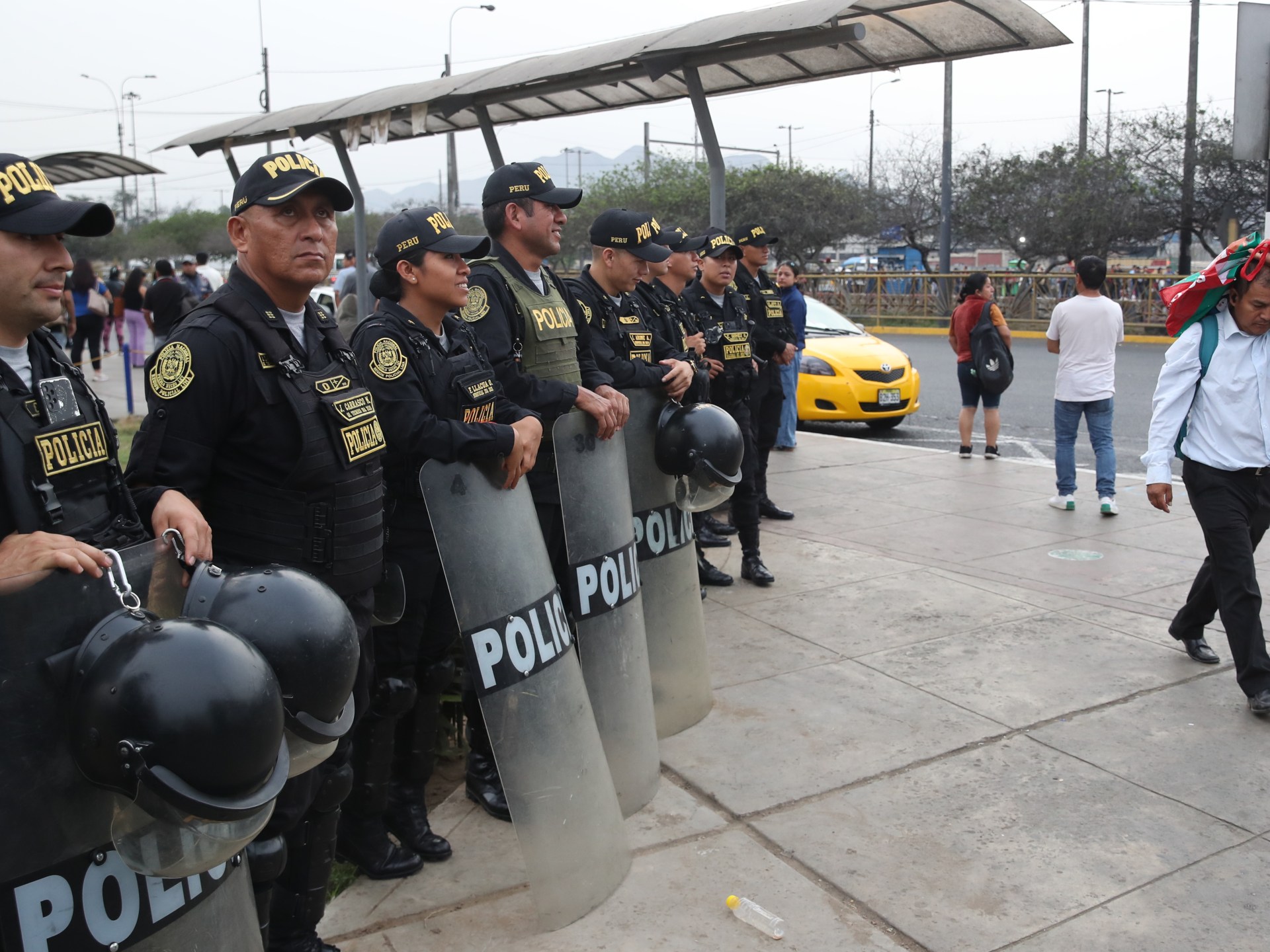
South America is at a crossroads. The attack on Caracas, the abduction of Nicolas Maduro and the threats towards the Colombian and Mexican presidents by the US president are an ominous sign of the years ahead. In addition to armed external meddling, elections have sharpened political tensions from La Paz to Santiago, Buenos Aires to Quito, and the region’s biggest democracies are heading to the polls again later in 2026. Unequal dividends from decades of growth, combined with the post-pandemic erosion of state capacity, have widened the appeal of hard-line, populist responses. The danger is not only domestic: the region’s drift towards militarised politics, and the open threats by the US, surface the risks of external influence, a modern rehash of the banana republic and gunboat diplomacy playbook.
Taken together, these dynamics point to a dangerous convergence. Rising insecurity, hollowed-out political representation and renewed external coercion are reinforcing one another, weakening institutions and making the region once again vulnerable to domination rather than self-determination.