T
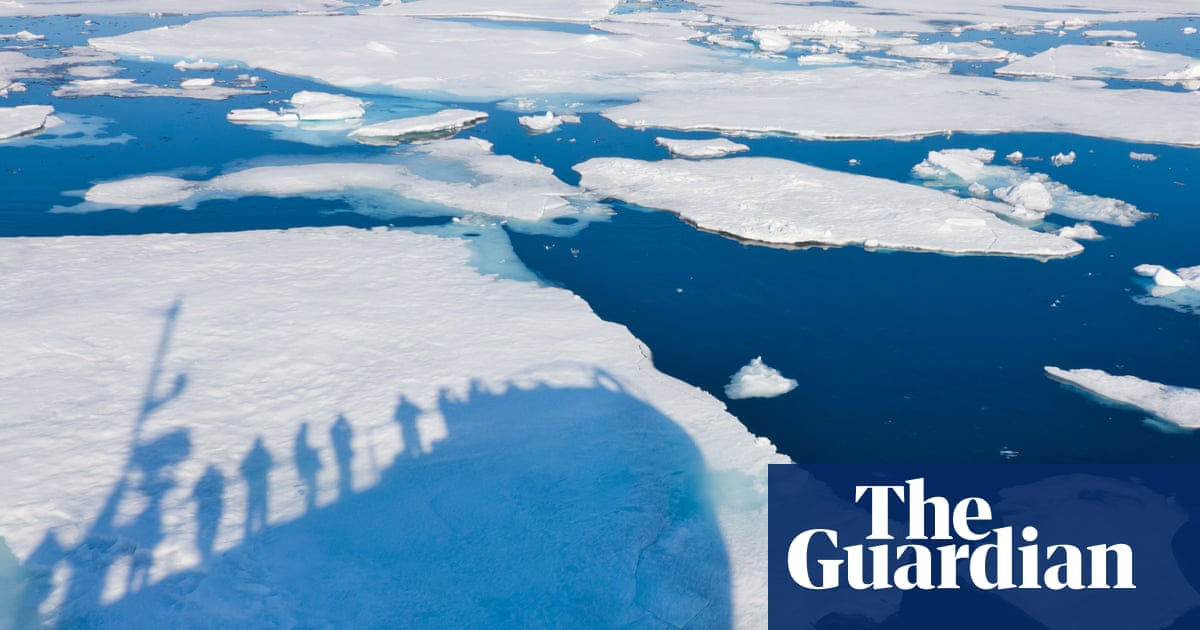
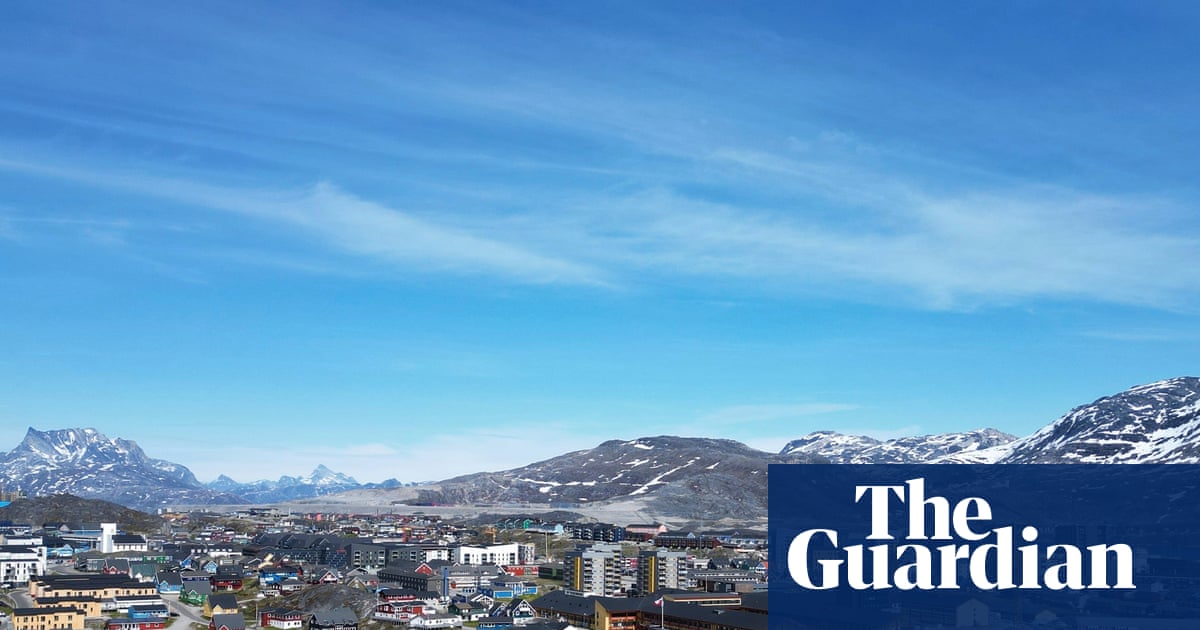
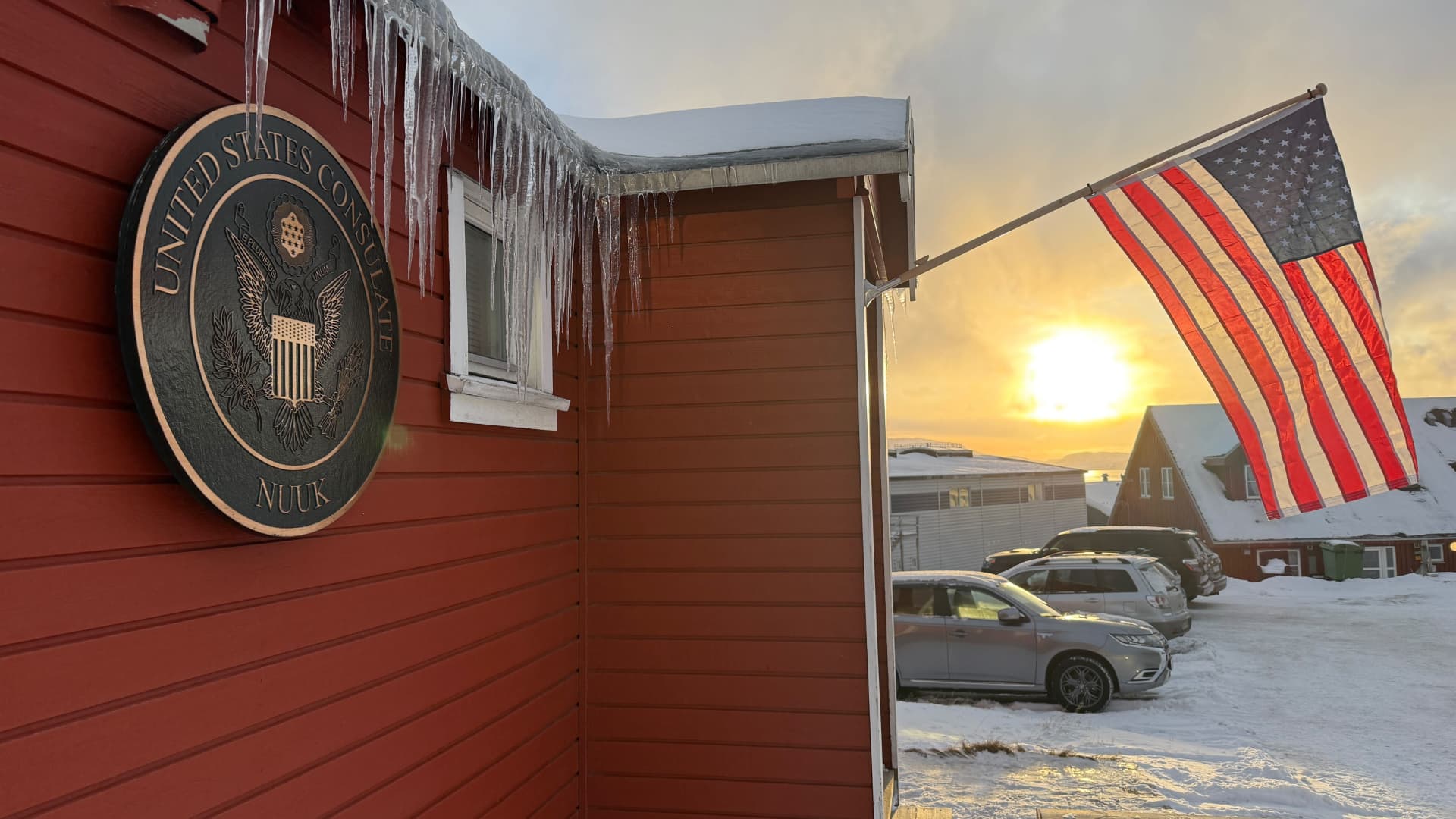
he security risks advanced by President Trump to justify an annexation of Greenland are mistaken and exaggerated. Case in point: It was off the coast of Alaska [the 49th US state] – and not Greenland – that five Chinese icebreakers were deployed last year.
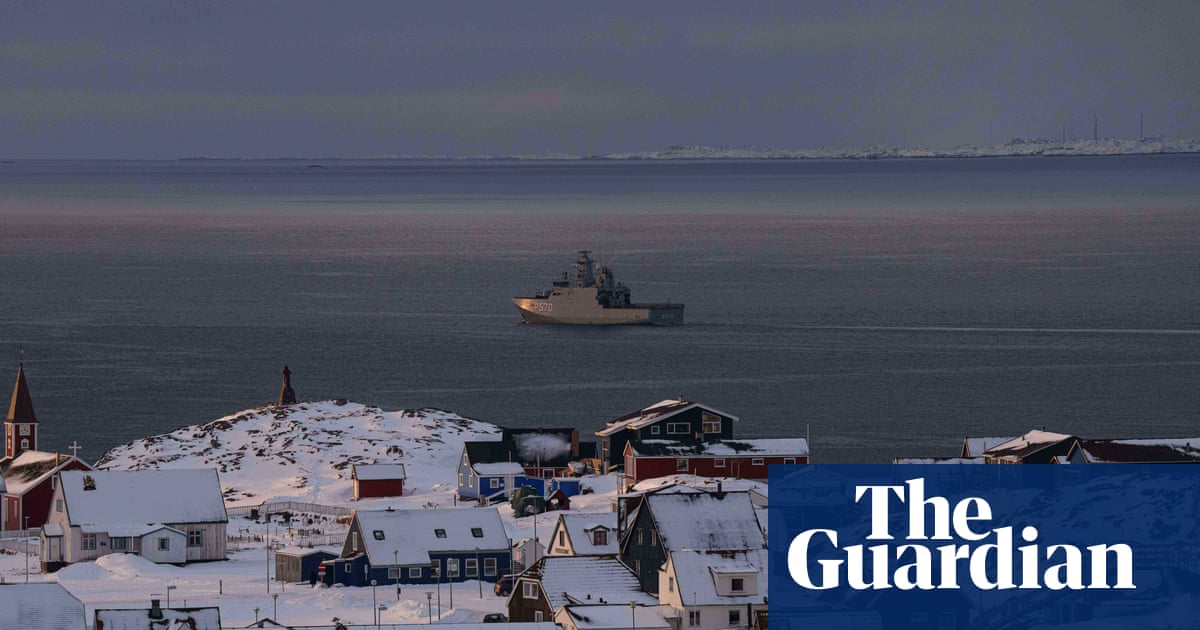
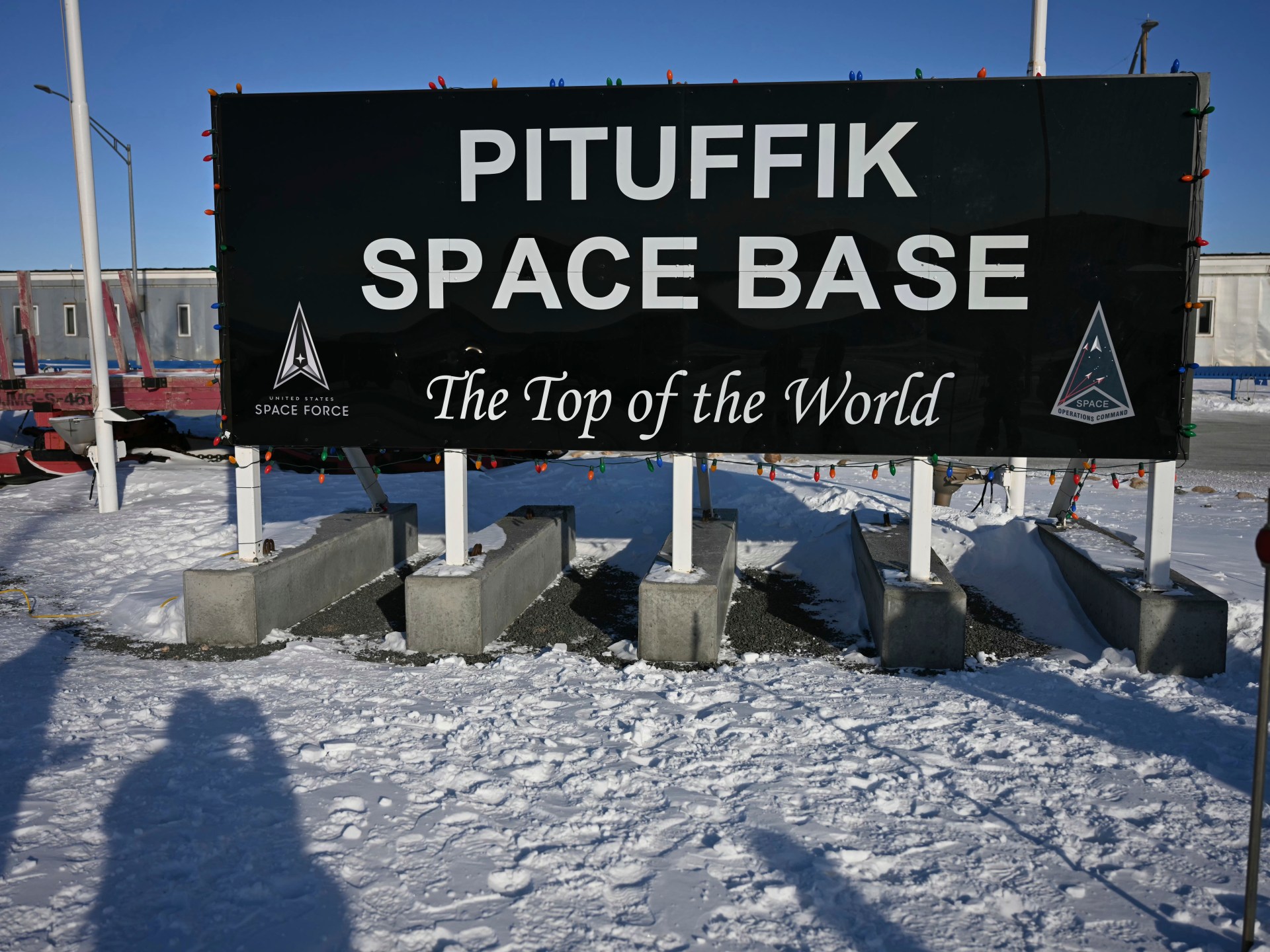
Nevertheless, the risks are not nonexistent. Russia has raised concerns with its hybrid threats, while Sino-Russian cooperation is developing in the Arctic along the Northern Sea Route. But none of this justifies the United States to annex Greenland, given that the US already holds the Pituffik military base under the 1951 agreement with Denmark. Moreover, the US president has blatantly ignored Denmark's efforts in 2025 to defend Greenland, in agreement with its territorial government, with the total amount of two funding plans in January and October reaching close to €6 billion.
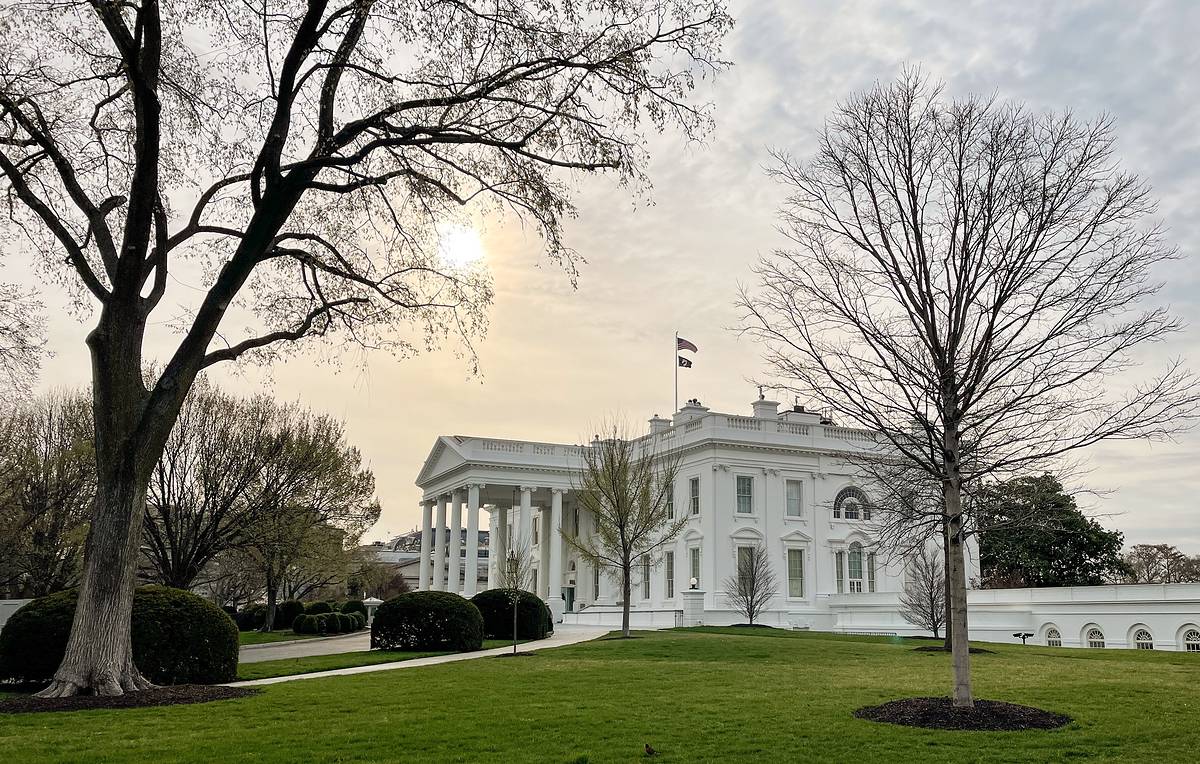
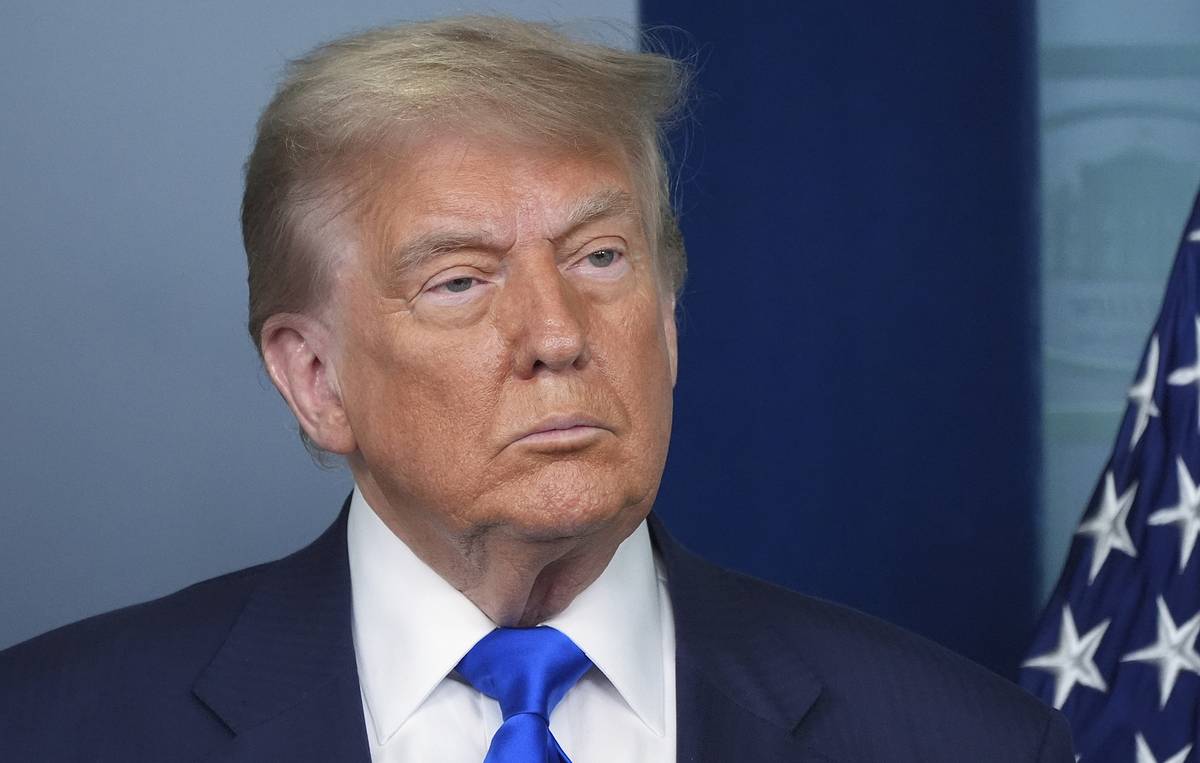
Paradoxically, it is the US that is becoming the most immediate and serious threat to Greenland. Trump is seeking a territorial trophy for his personal legacy, in an uninhibited form of expansionism made all the more opportunistic by Greenland's reserves of rare earth elements, of which China holds a near-monopoly in extraction and in refining.
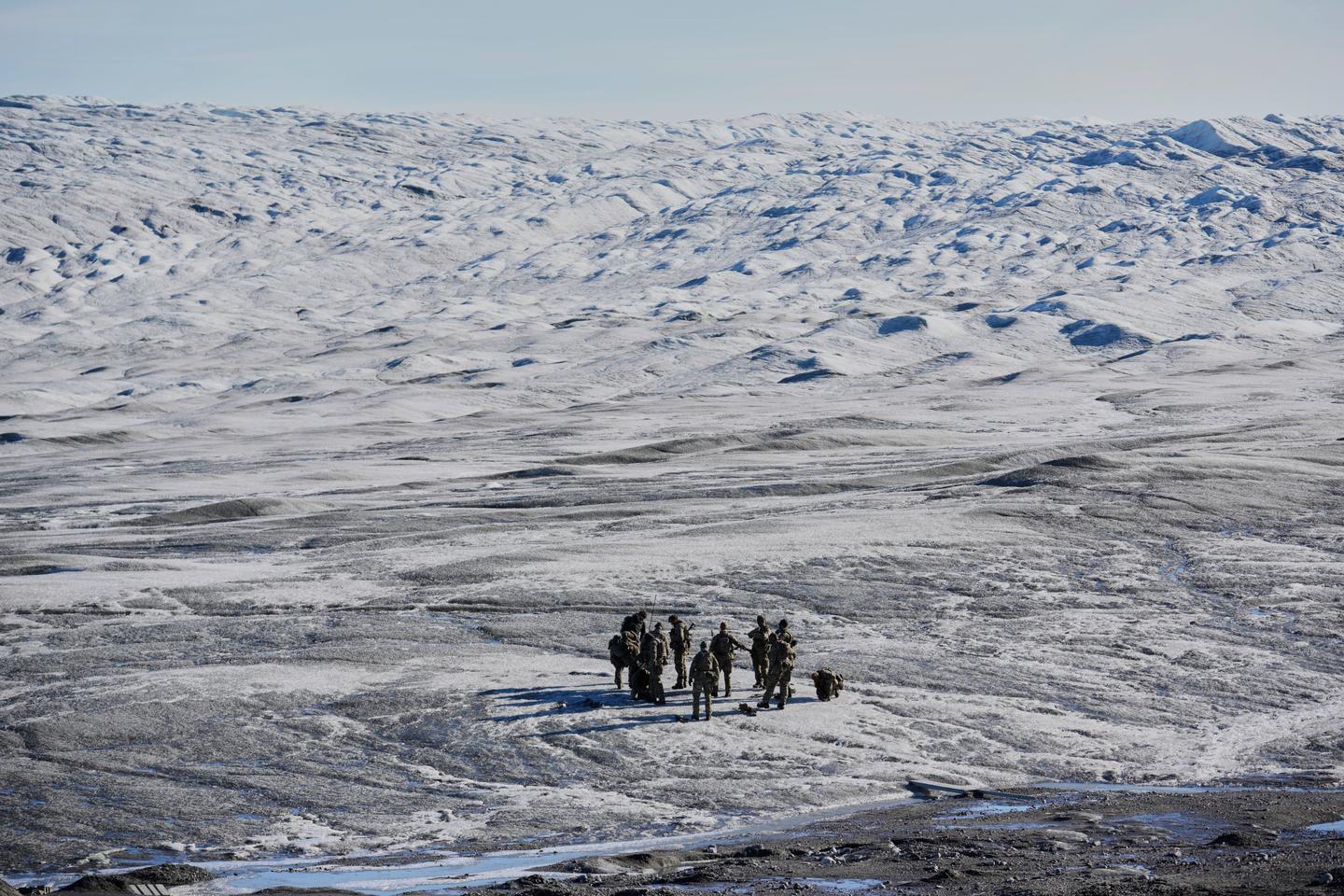
Cooperation within the framework of the North Atlantic Treaty Organization (NATO) was suggested in the joint declaration on Greenland that was signed by seven European heads of state and government on January 6. That is but a minimal proposal; to be credible, it has to be accompanied by a strong signal.