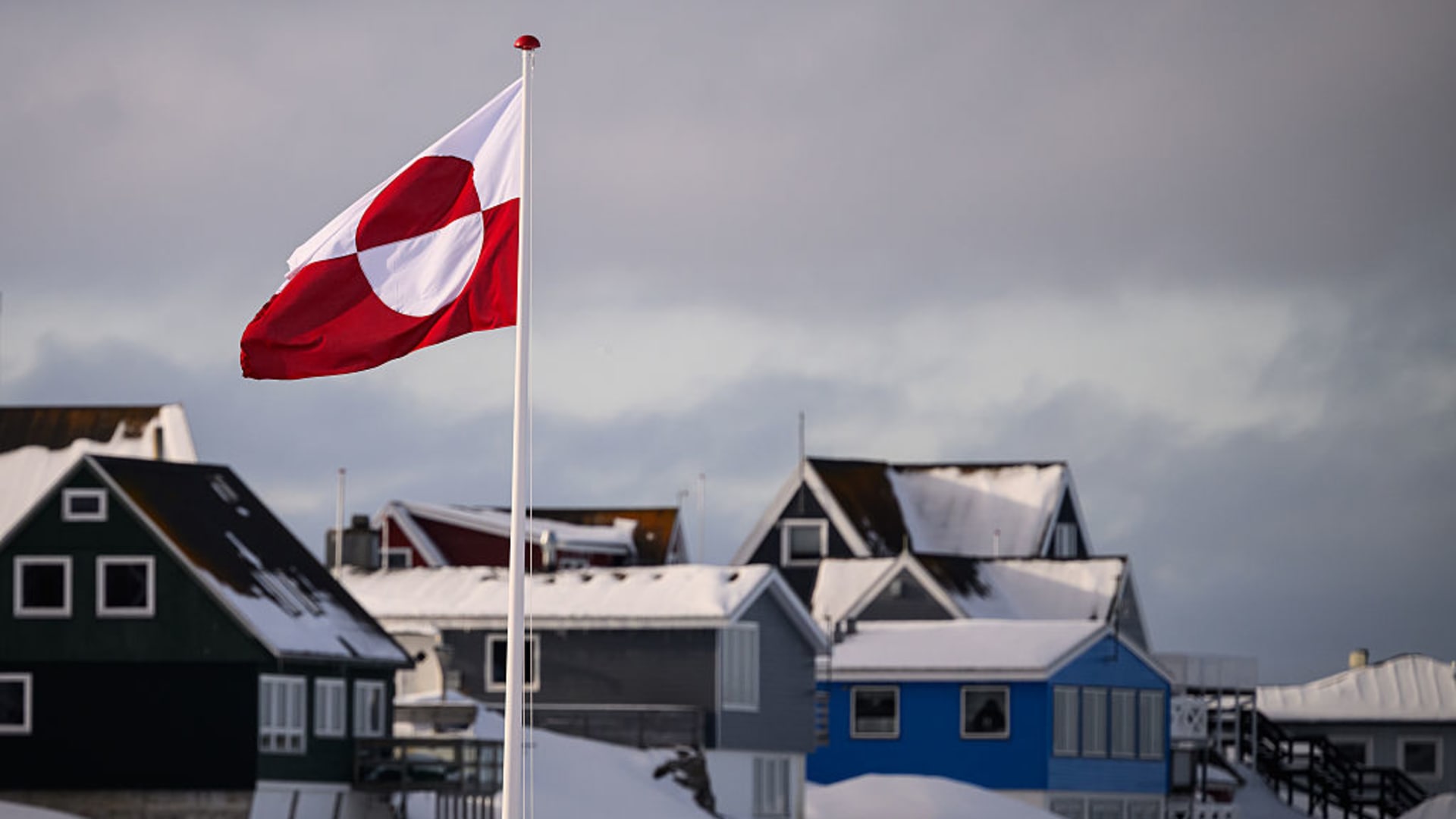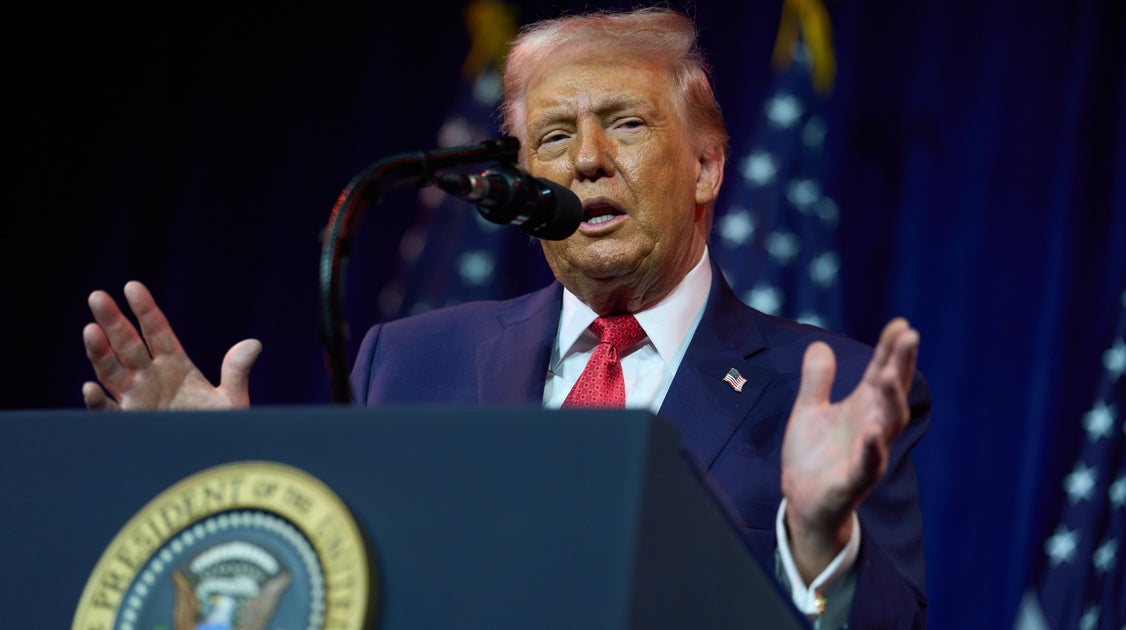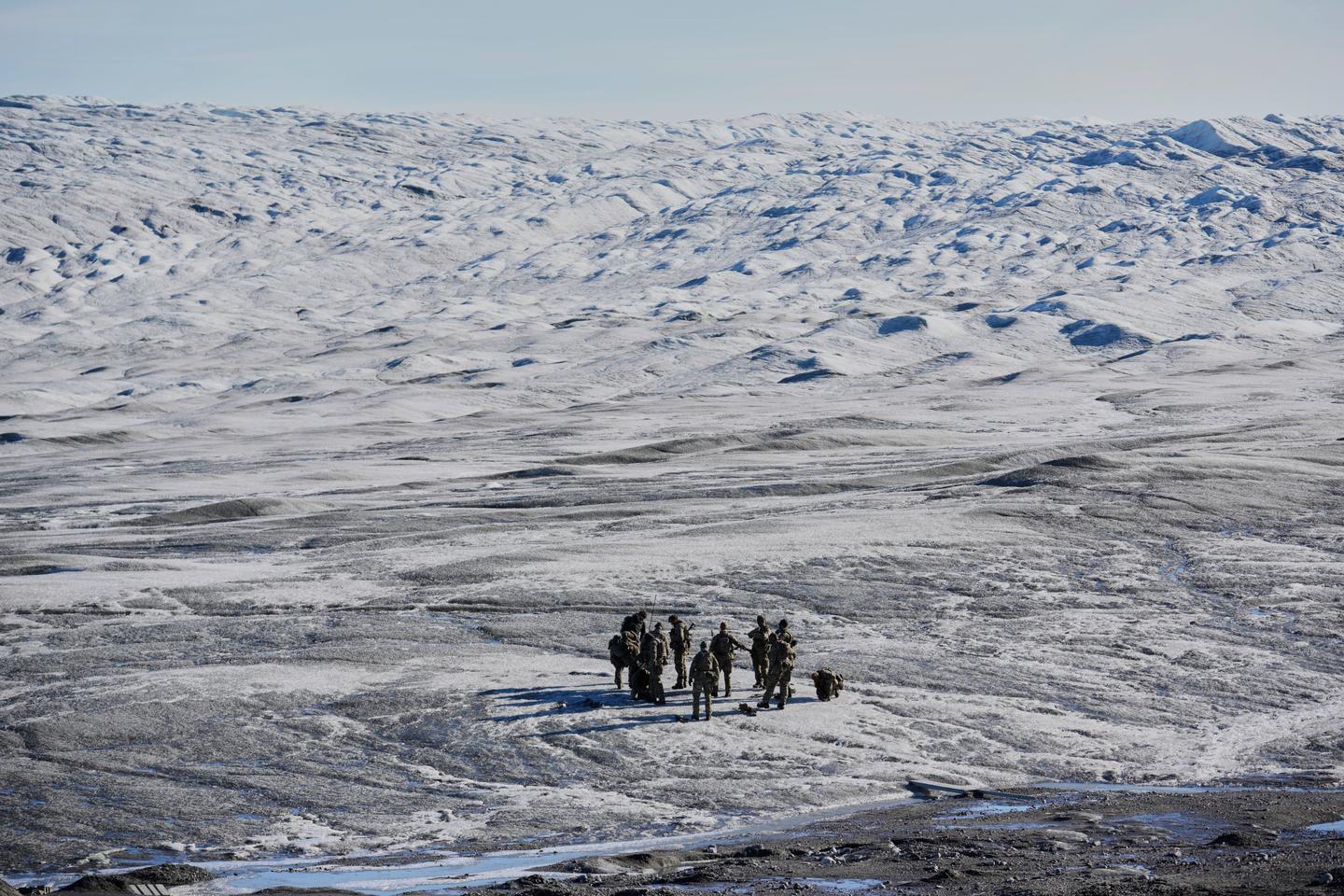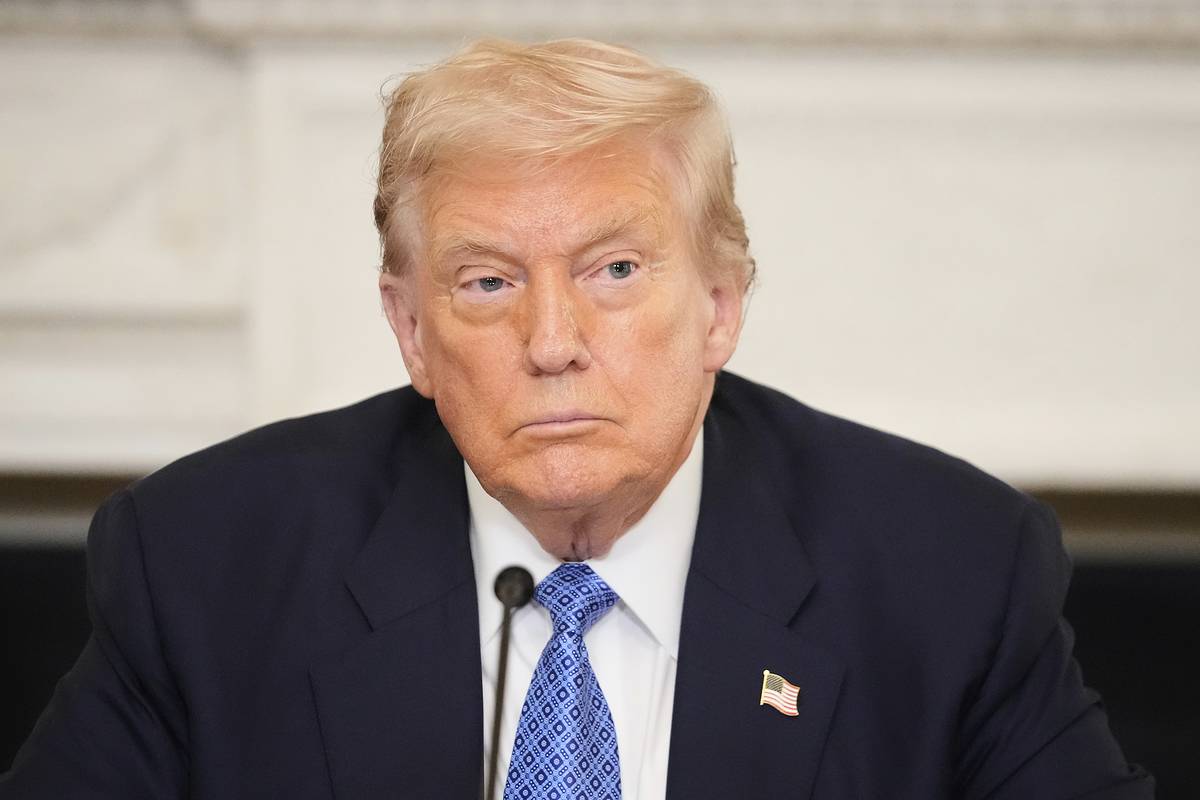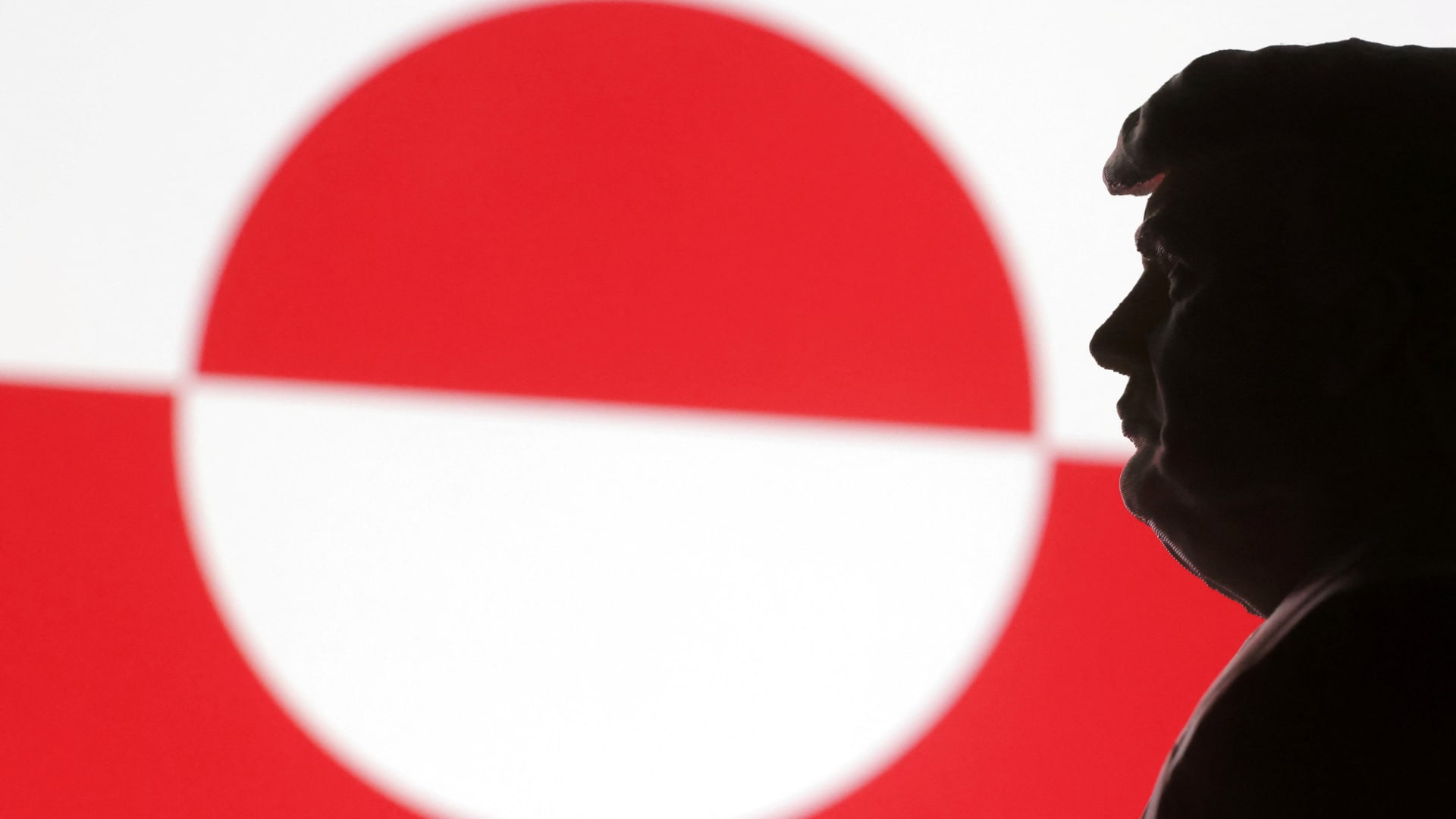
The US president’s threats to the territory show Europe needs a new strategy for its far north: one based on cooperation, not domination
T
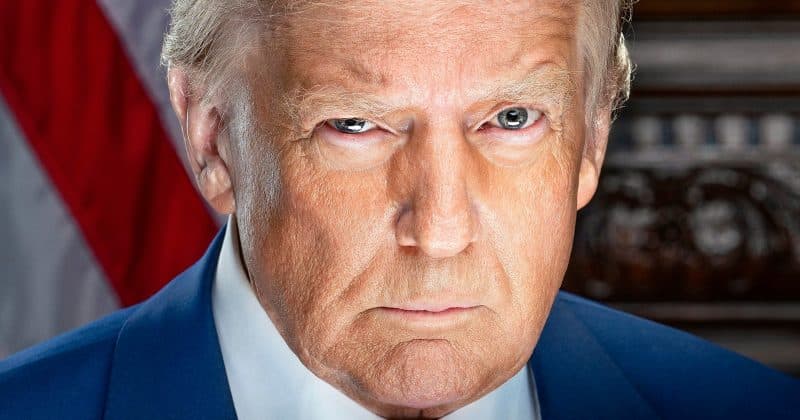
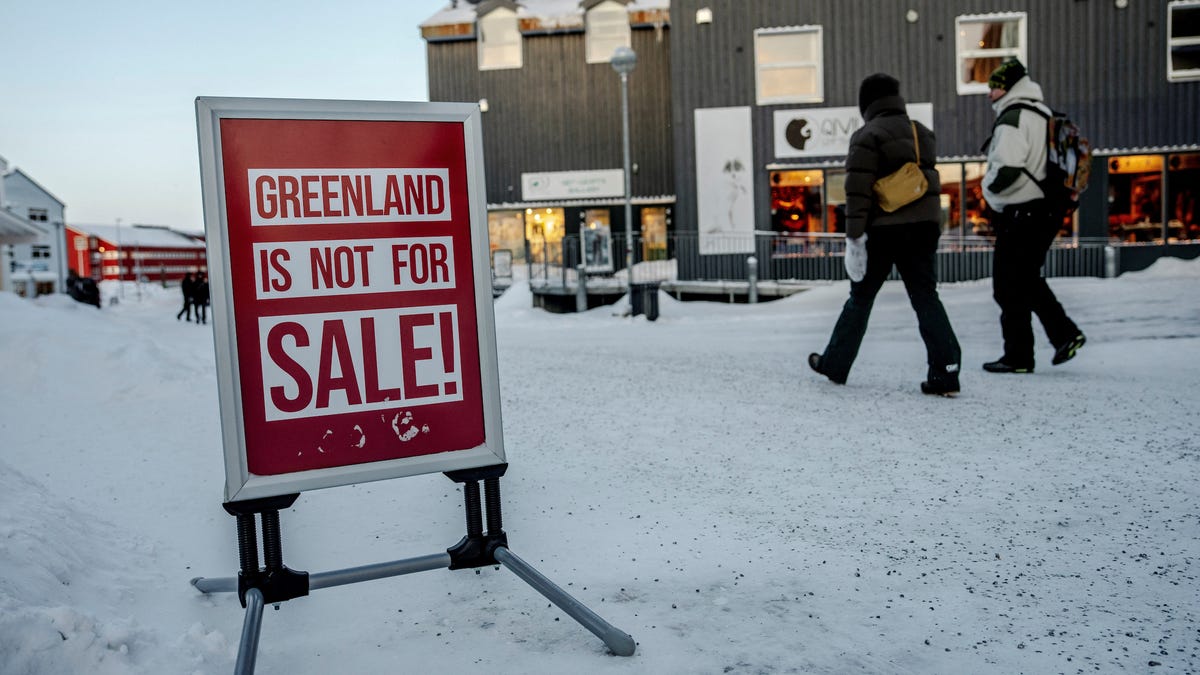
he new year is still young, yet Donald Trump’s fixation on expanding his homeland signals a troubling geopolitical shift. From Venezuela to Greenland, the world is unmistakably moving away from the relative stability of the post-cold war era – not least also because of Russia’s war against Ukraine.
This erosion of long-established norms has severe implications for Europe, a continent whose core political philosophy is built on limiting (national) power. A rules-based order, international law and negotiated solutions lie at the core of Europe’s self-image. Yet in today’s world, Europe can uphold this vision only if it evolves into a more muscular geopolitical actor itself – and nowhere is this more evident than in the Arctic.
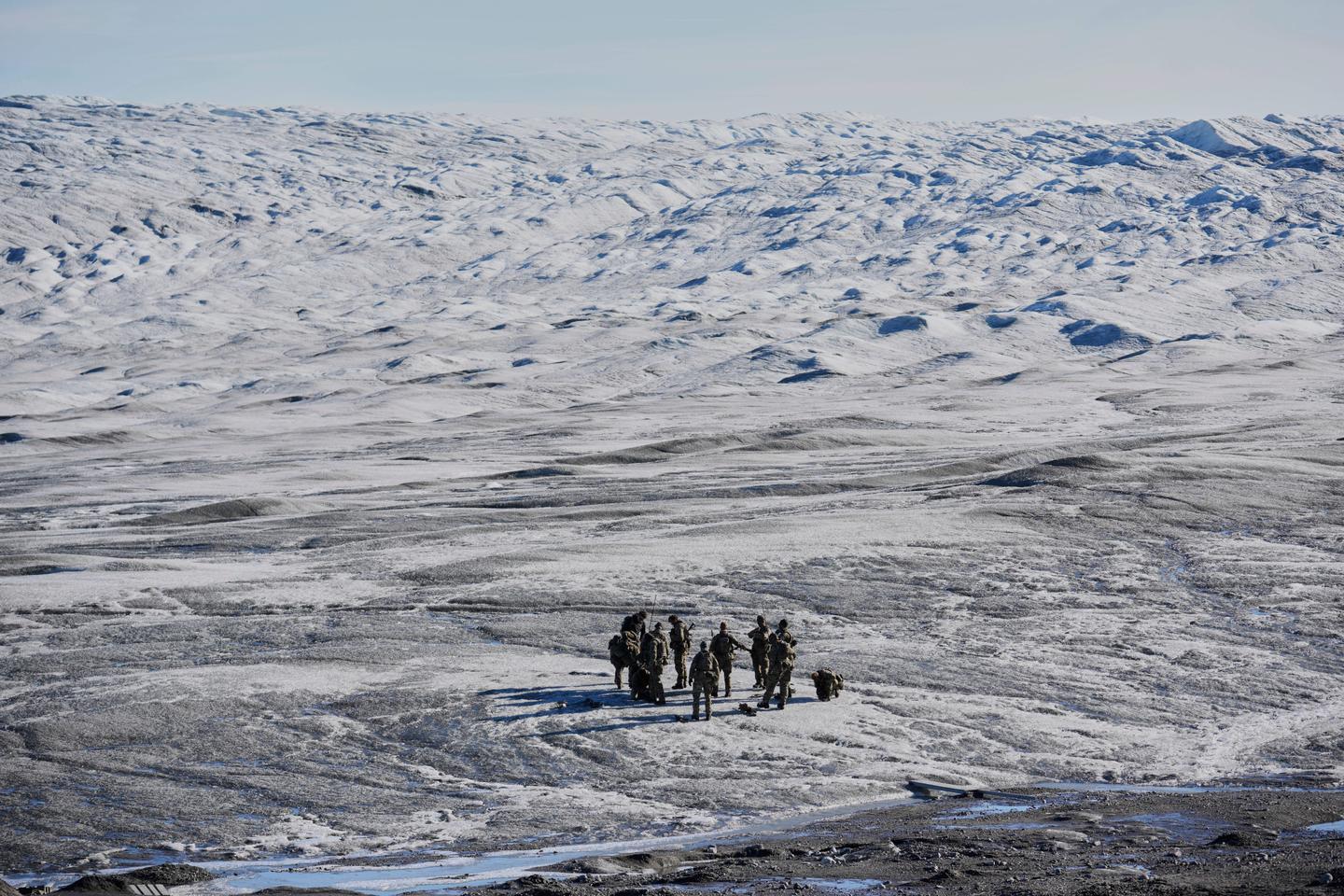
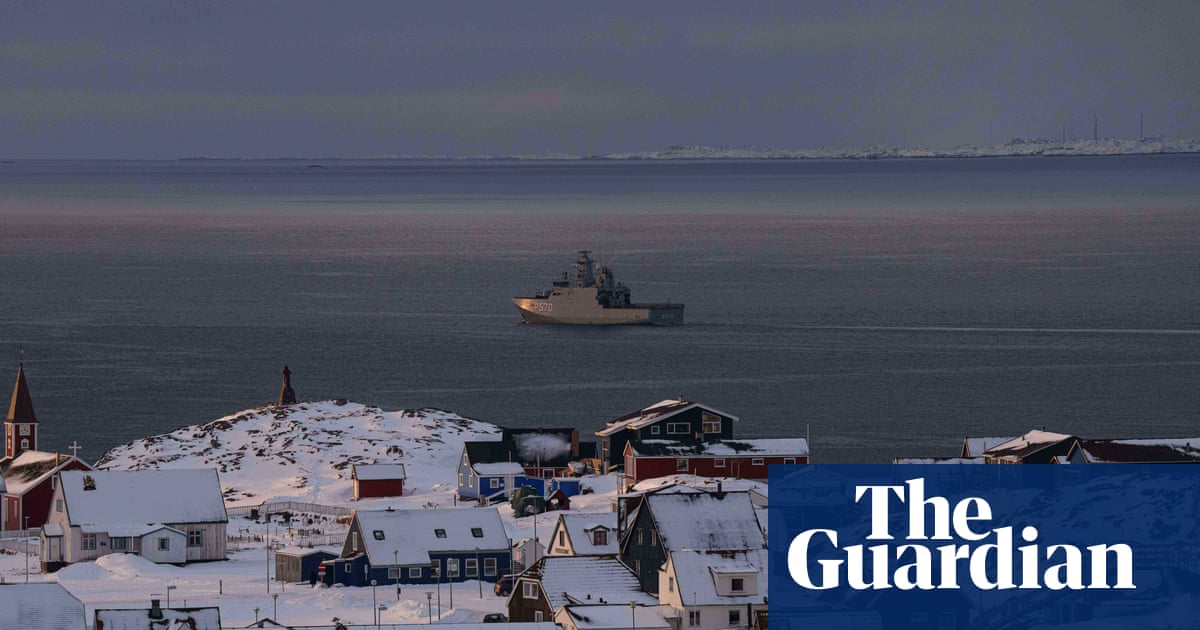
Once regarded as a zone of peace, the Arctic has moved to the centre of geopolitical competition amid an expanding US footprint, Russia’s longstanding presence and China’s emergence as a global power. For Europe, this should not come as a surprise. The region is hardly a new frontier; the EU already has a presence there through its three Nordic member states: the Kingdom of Denmark (without Greenland), Finland, and Sweden. Indeed, the European Arctic’s vast resource wealth – from hydrocarbons to critical minerals and marine proteins – already forms part of Europe’s economic backbone and could further shape the continent’s strategic autonomy in the future.