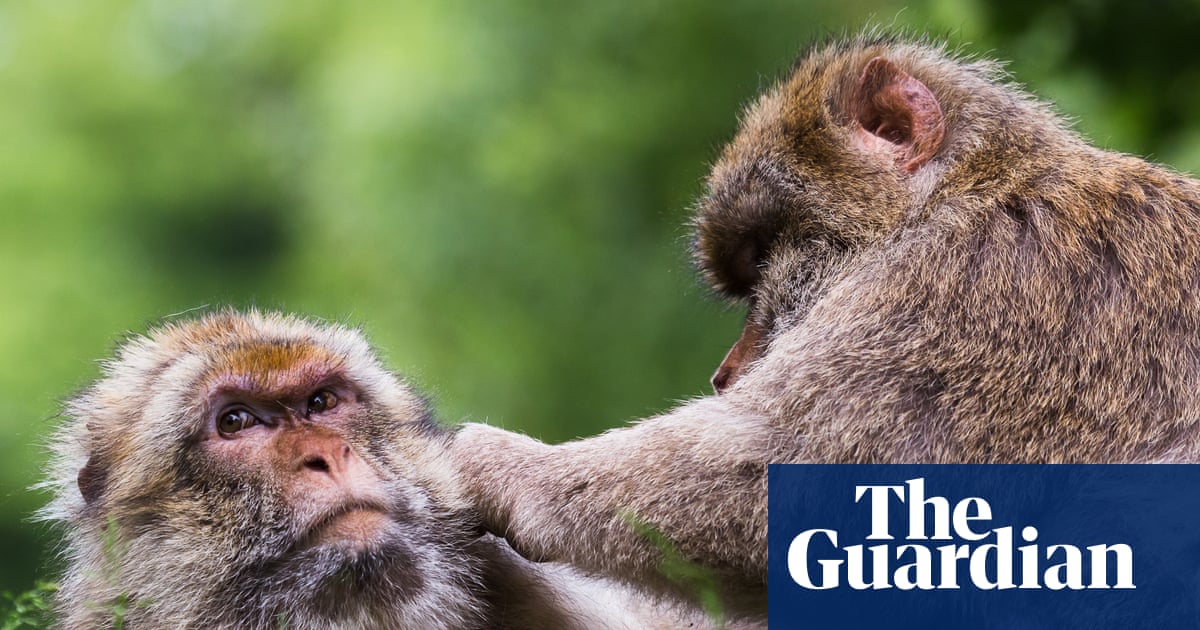
Behaviour among non-human species could help keep groups together in face of social challenges, says study
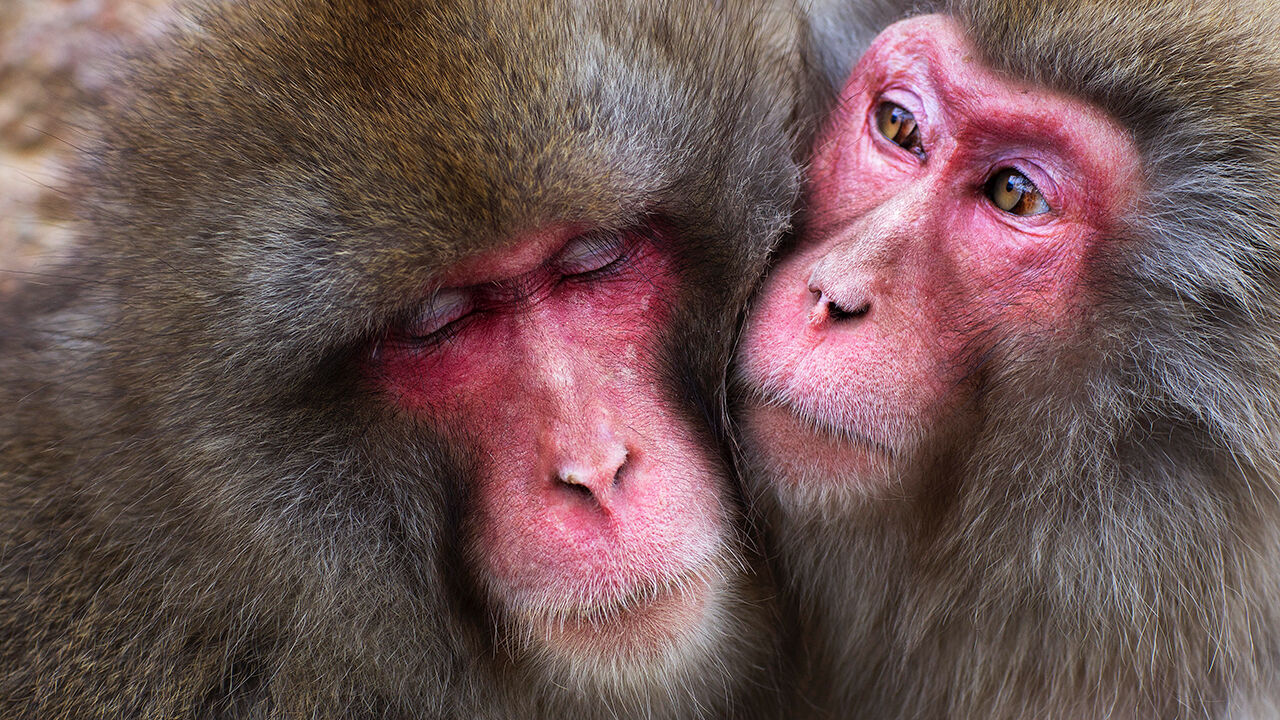
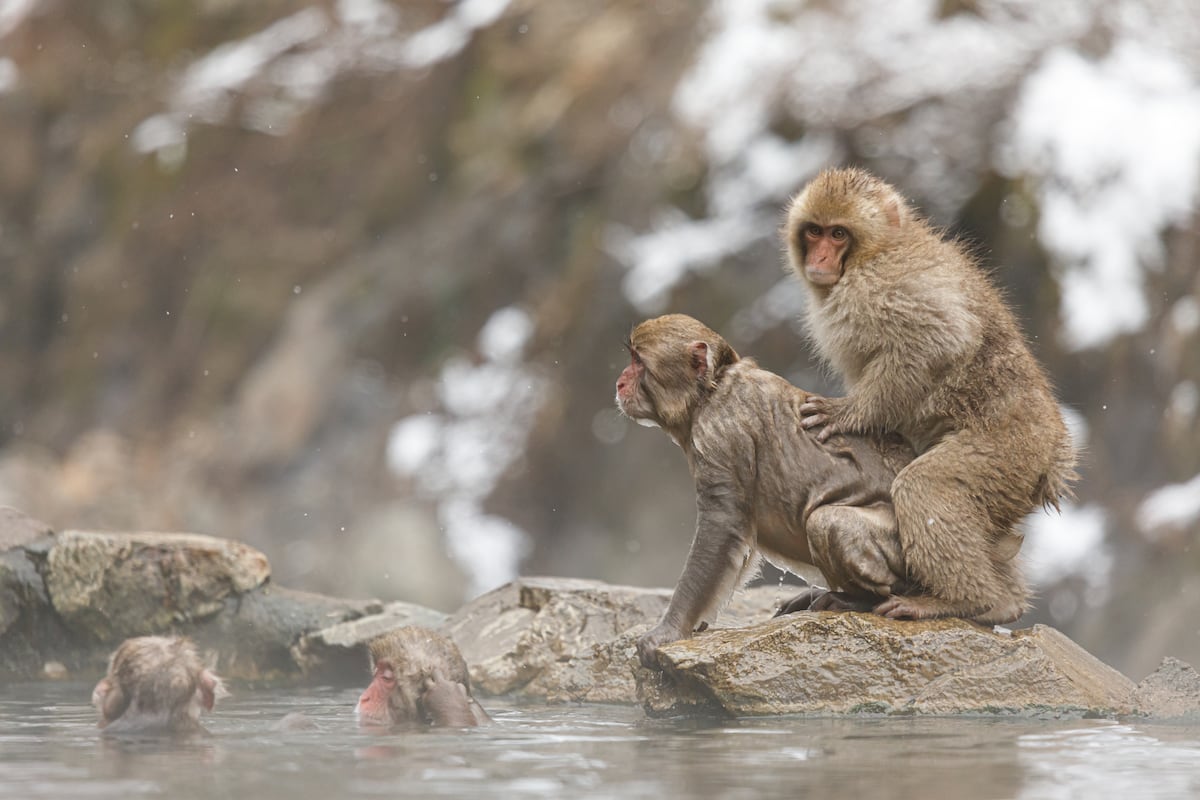
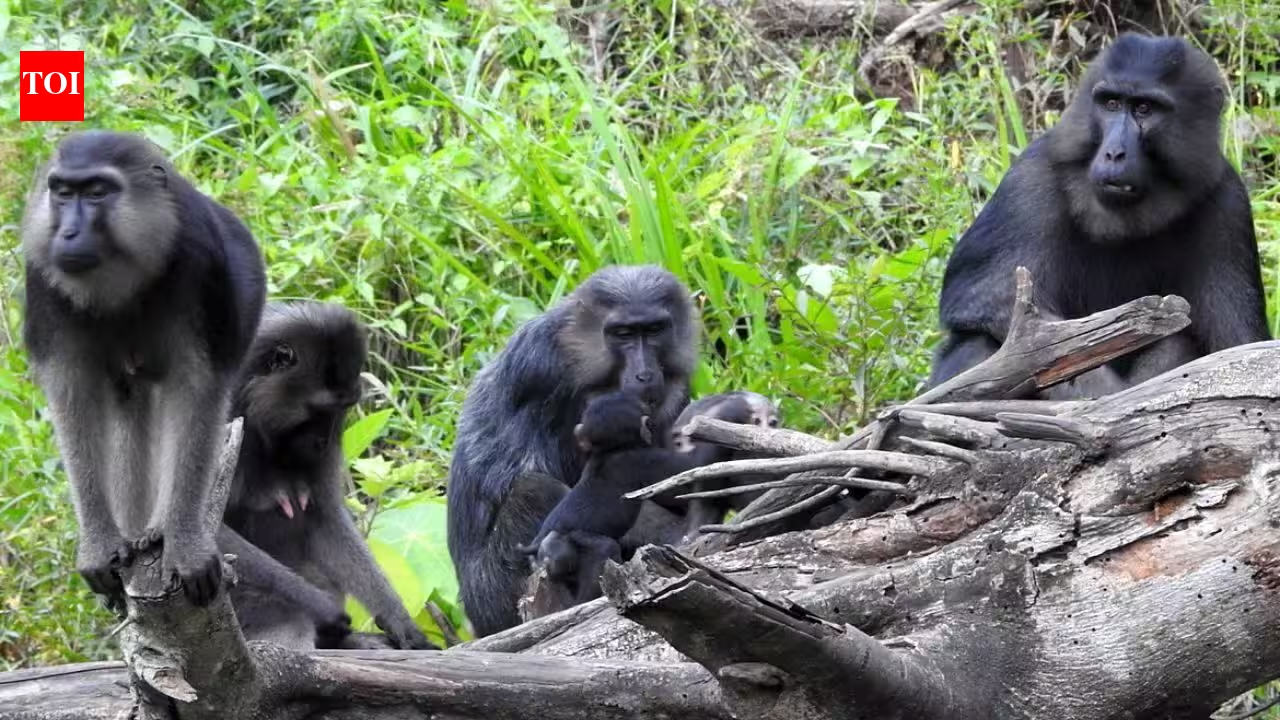
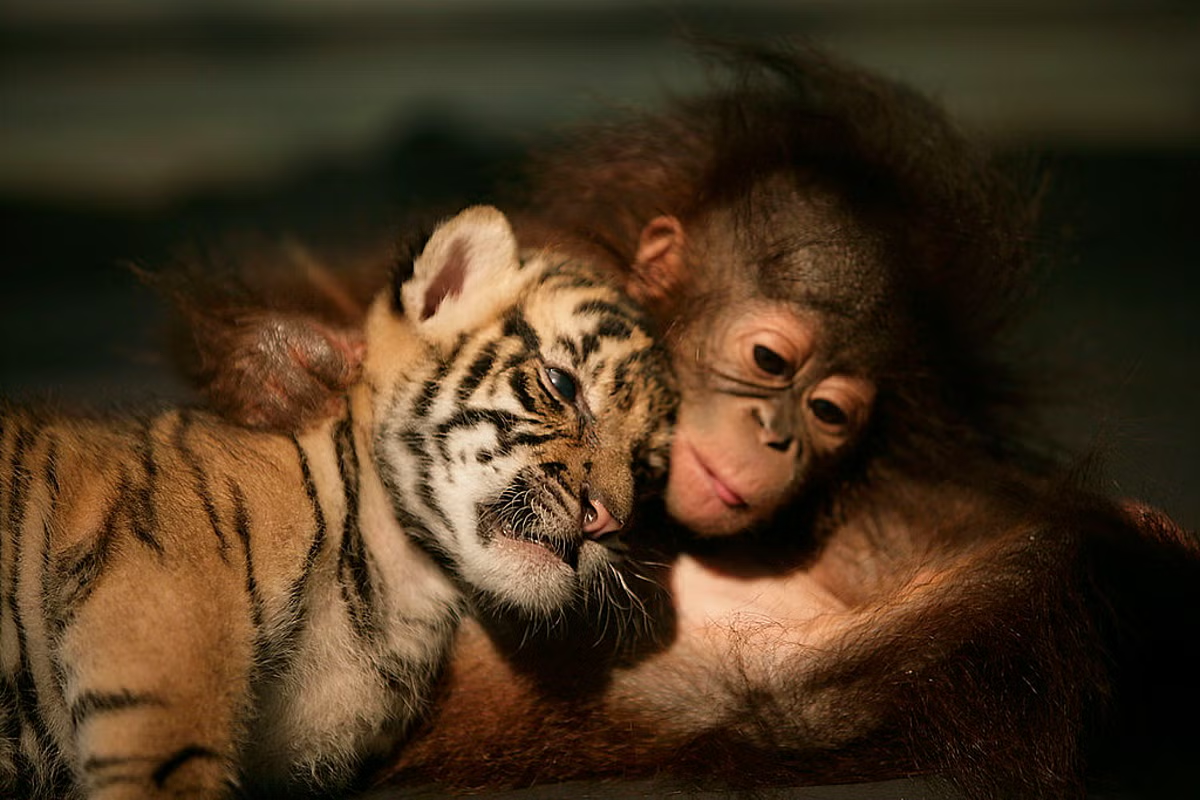
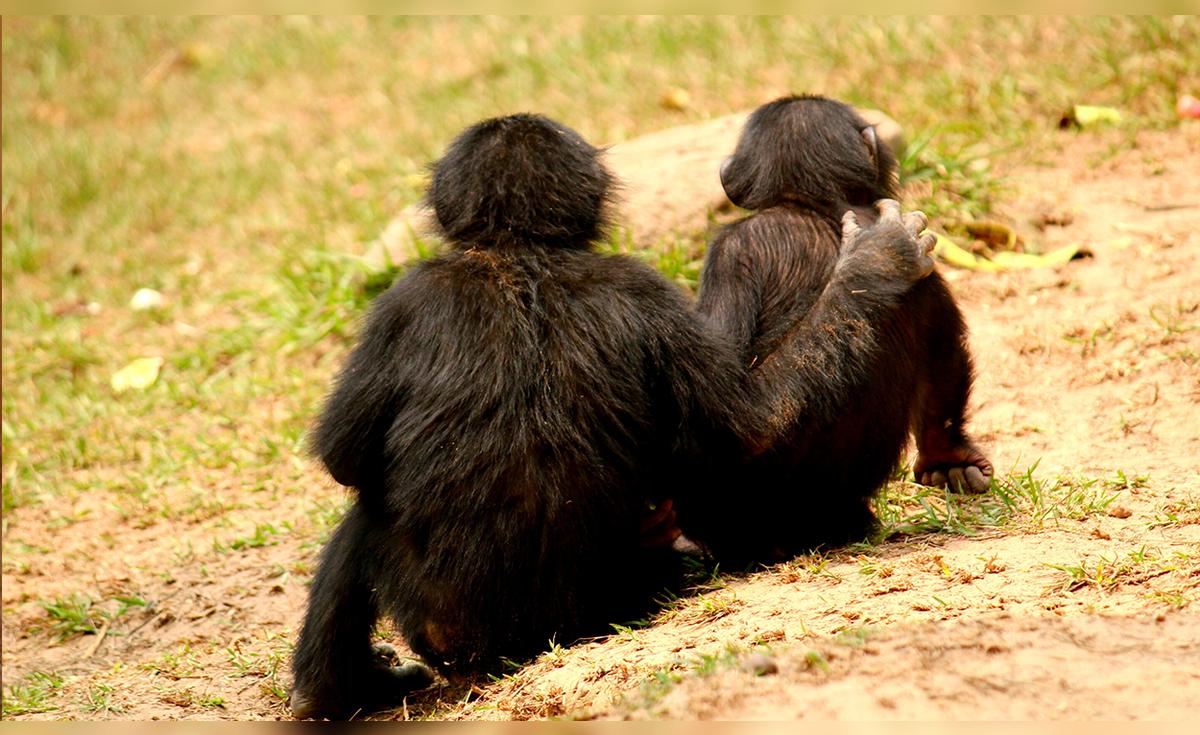
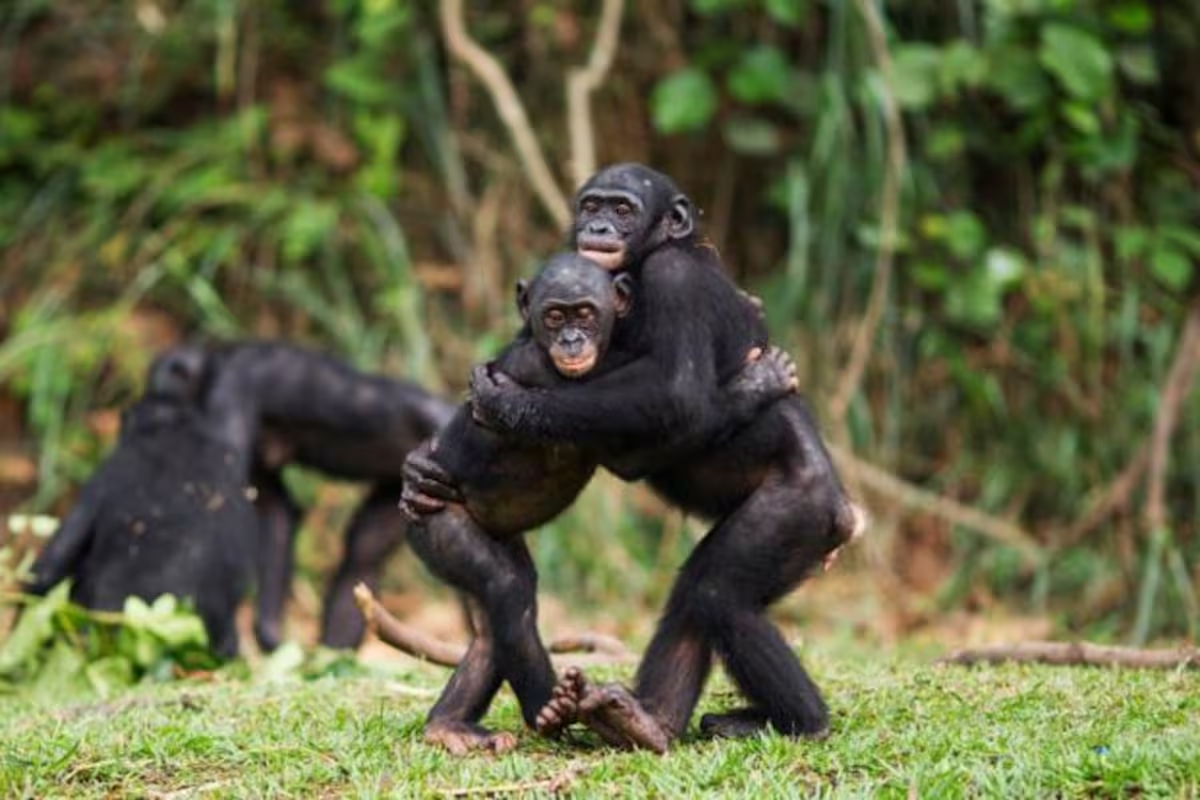
Same-sex sexual behaviour among non-human primates may arise as a way to reinforce bonds and keep societies together in the face of environmental or social challenges, researchers have suggested.
Prof Vincent Savolainen, a co-author of the paper from Imperial College London, added that while the work focused on our living evolutionary cousins, early human species probably experienced similar challenges, raising the likelihood they, too, showed such behaviour.
“There were many different species that unfortunately [are] all gone, that must have done this same thing as we see in apes, for example,” he said.
Writing in the journal Nature Ecology & Evolution, Savolainen and colleagues reported how they analysed accounts of same-sex sexual behaviour in non-human primates, finding it to be widespread in most major groups, with reports in 59 species including chimpanzees, Barbary macaques and mountain gorillas. That, they added, either suggested an evolutionary origin far back in the primate family tree, or the independent evolution of the behaviour multiple times.