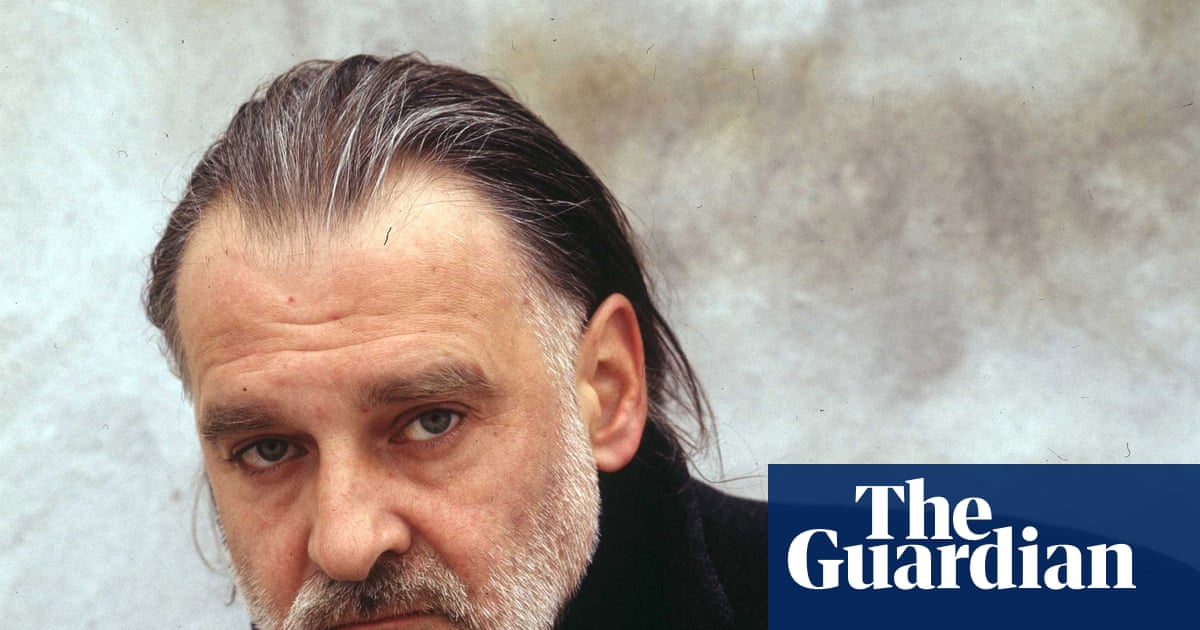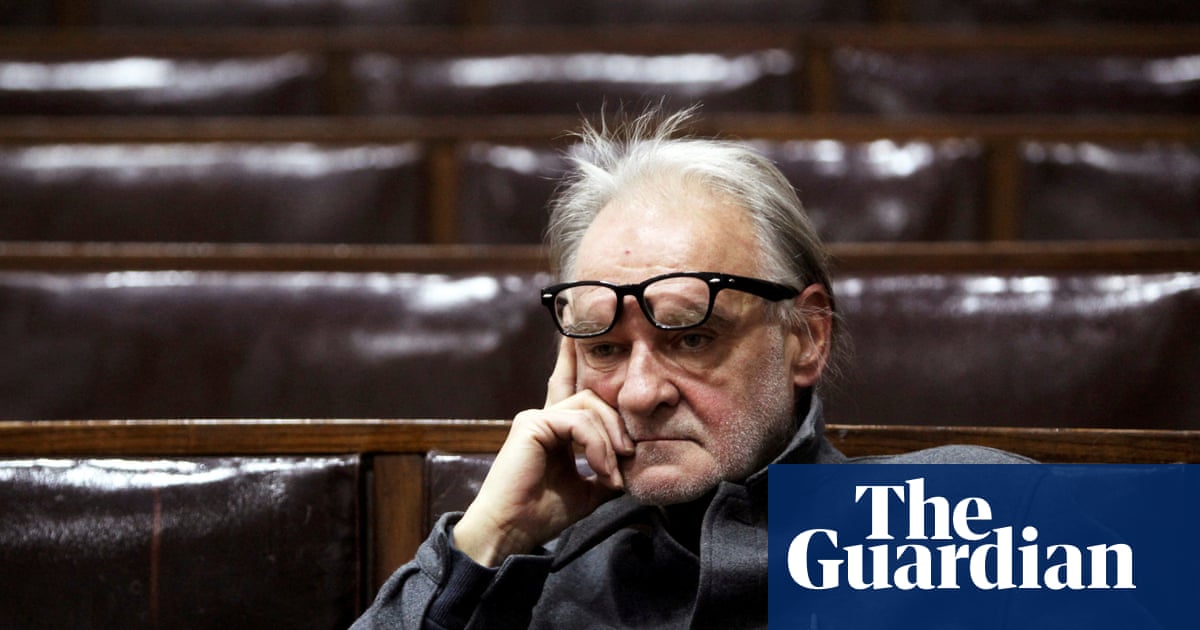
Film director of poetic narratives set in remote Hungarian communities, filled with desolation and foreboding
Susan Sontag once claimed she would be “glad to see” Béla Tarr’s 1994 masterpiece Sátántangó “every year for the rest of my life”. No small compliment given that the film is more than seven hours long.
Tarr, who has died aged 70, earned the reverence of cinephiles on the basis of a handful of austere, poetic and painstakingly slow black-and-white films including Damnation (1987), Werckmeister Harmonies (2000) and his swansong The Turin Horse (2011).
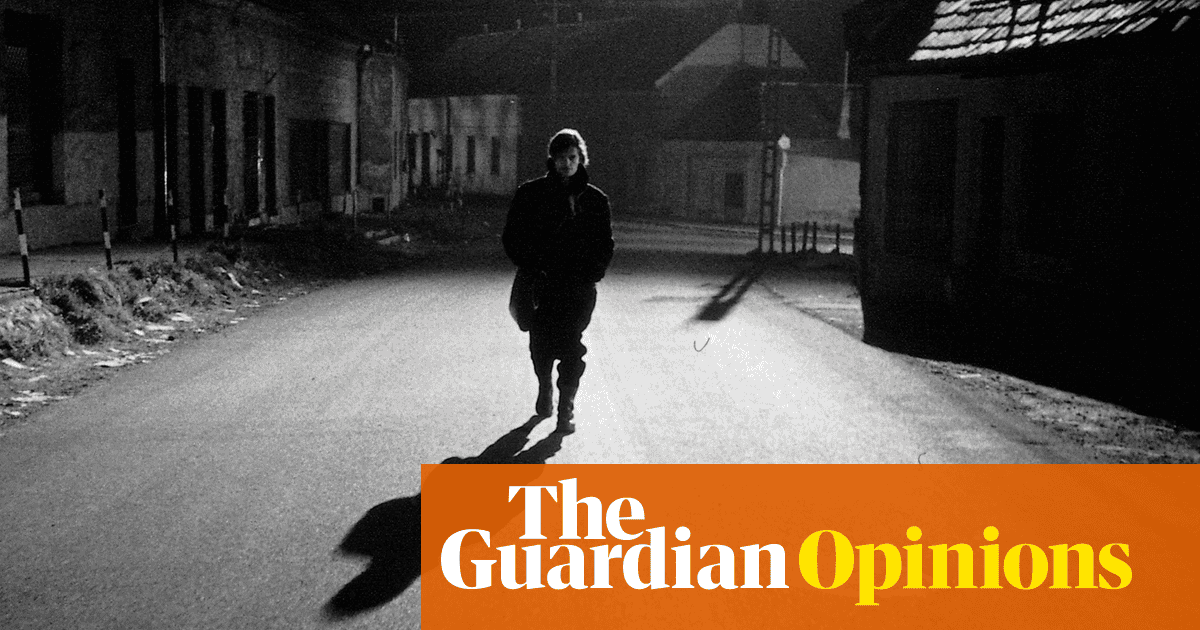
Simple narratives set in remote Hungarian communities were rendered knotty with psychological depth, a sensitivity to loss and desolation, and a near-constant air of foreboding. An acute, multilayered use of sound contributed to his skill at locating the epic and nightmarish in the quotidian. The White Review magazine compared him to Bruegel in his fêting of everyday life.
Tarr was known chiefly for his preference for long unbroken takes; Sátántangó, for instance, begins with an eight-minute shot of cows trudging through mud. It might have lasted even longer if only film stock was not capped at around 11 minutes per reel – “The worst form of censorship,” he lamented.