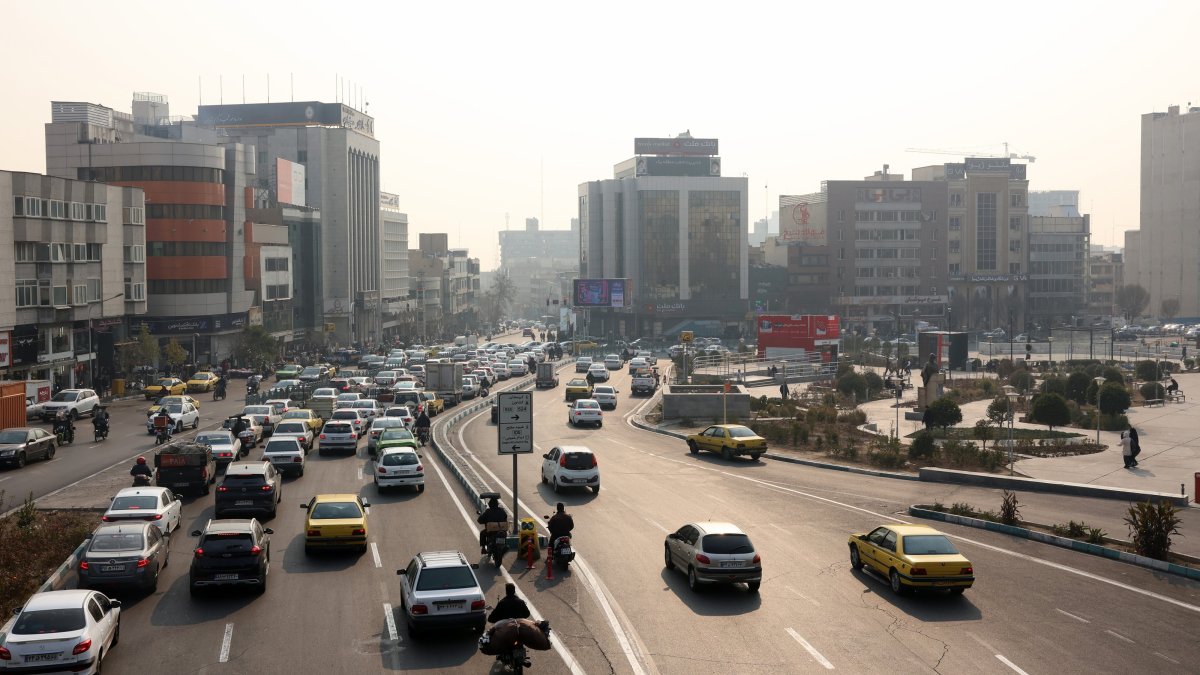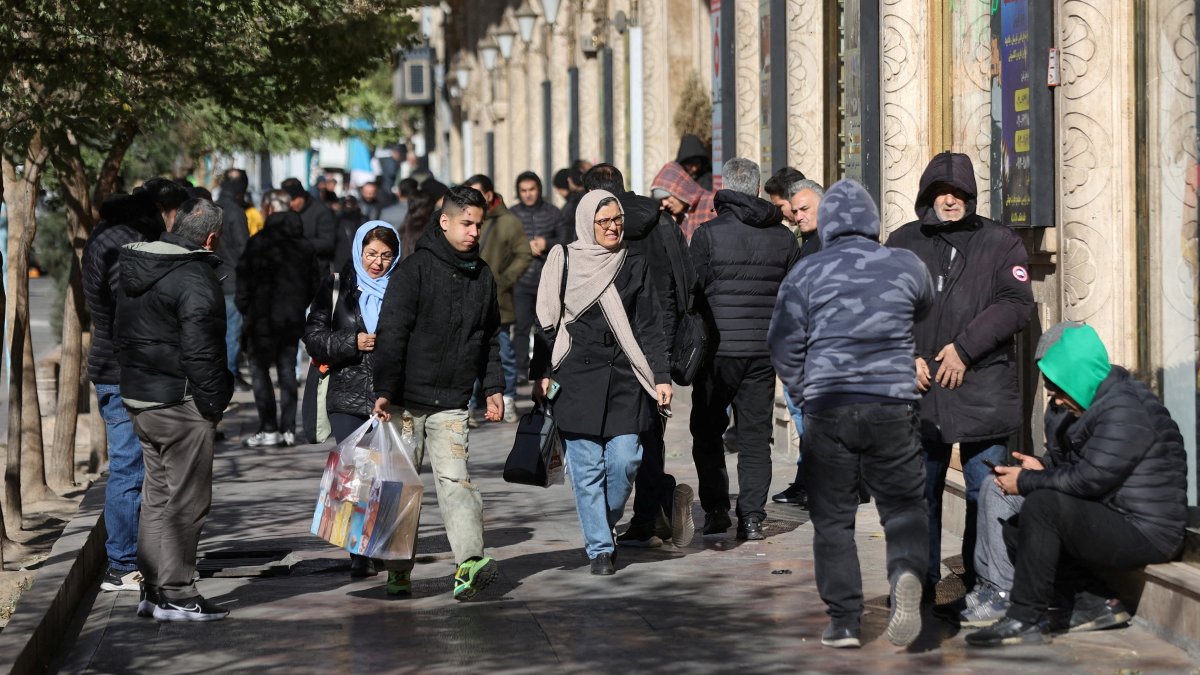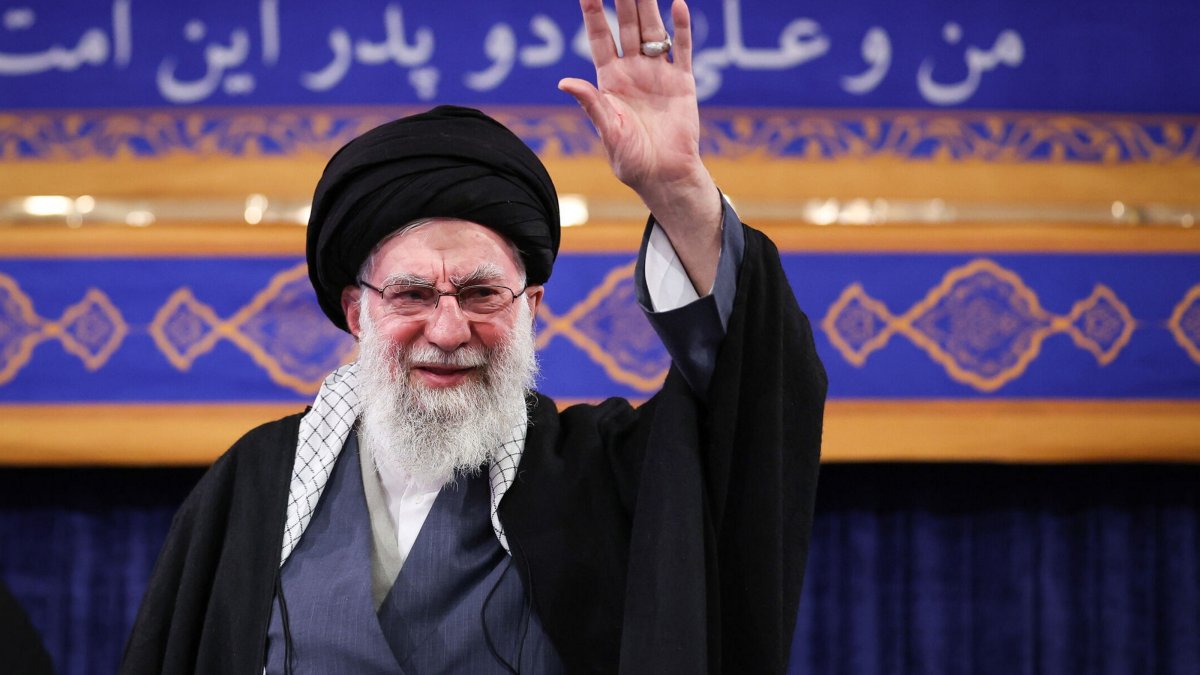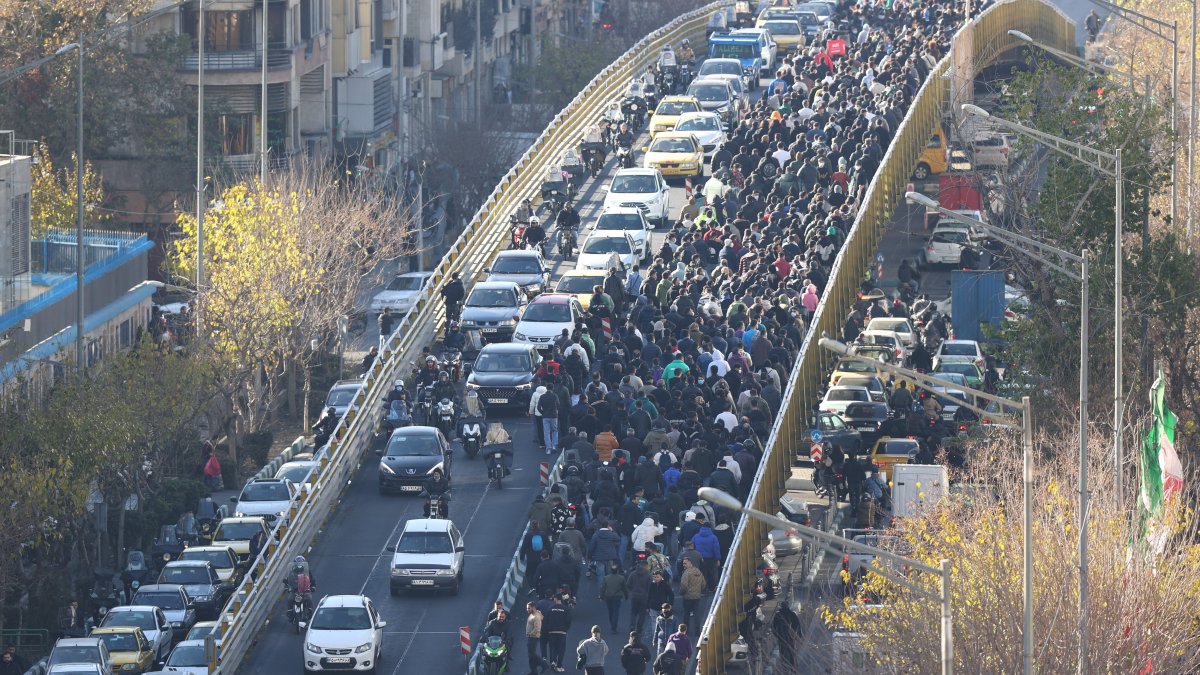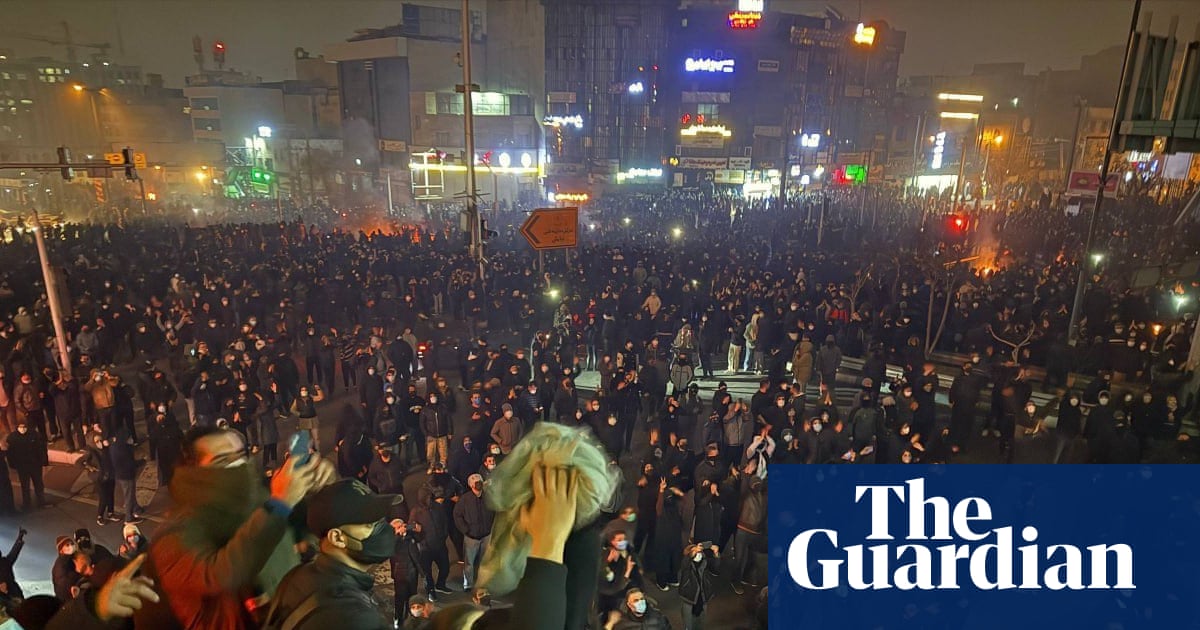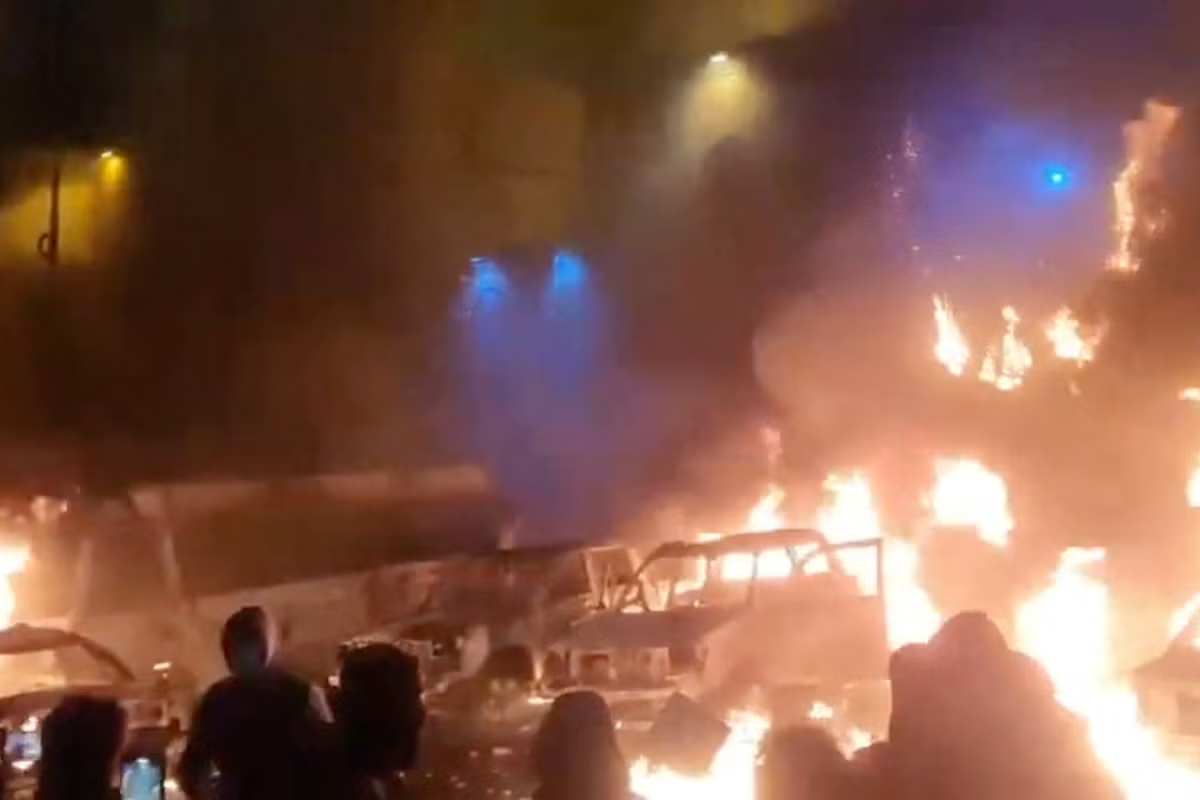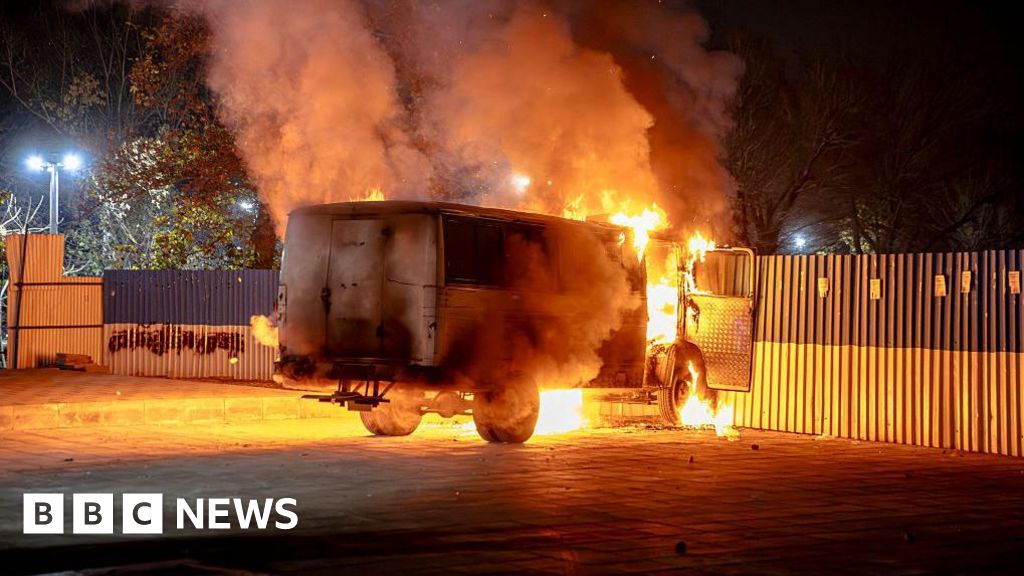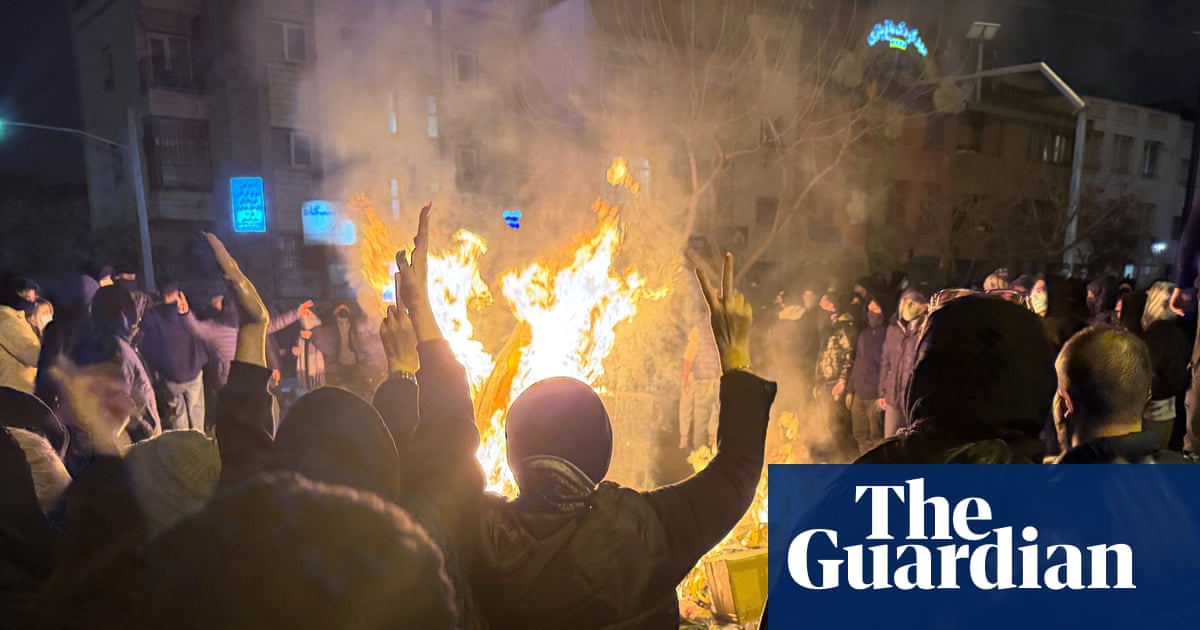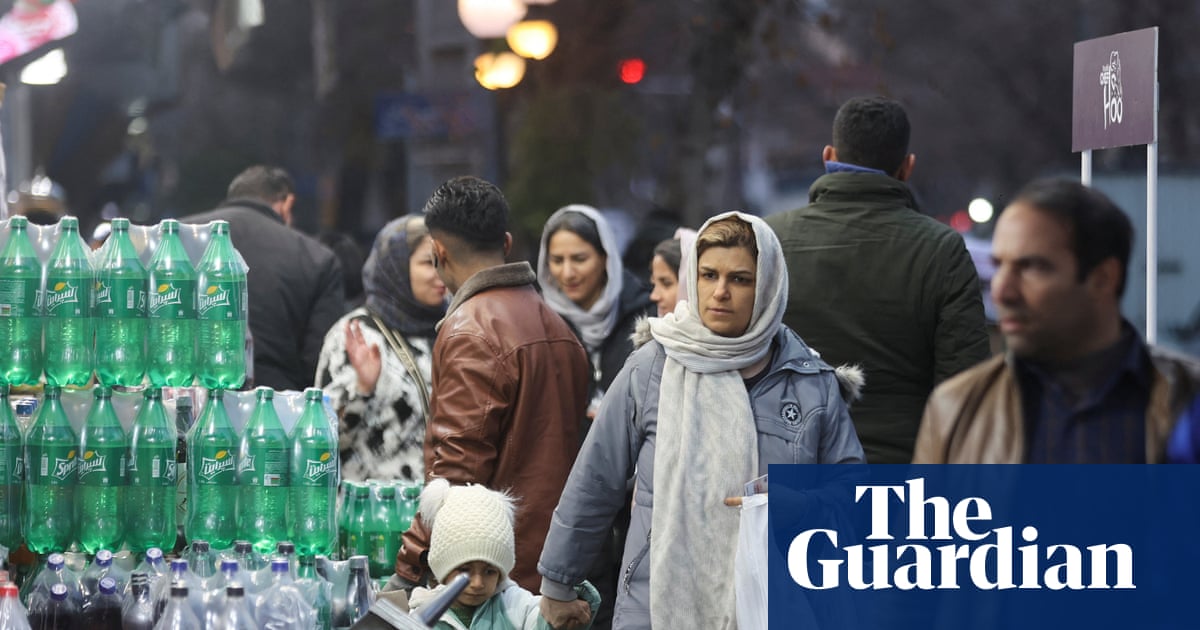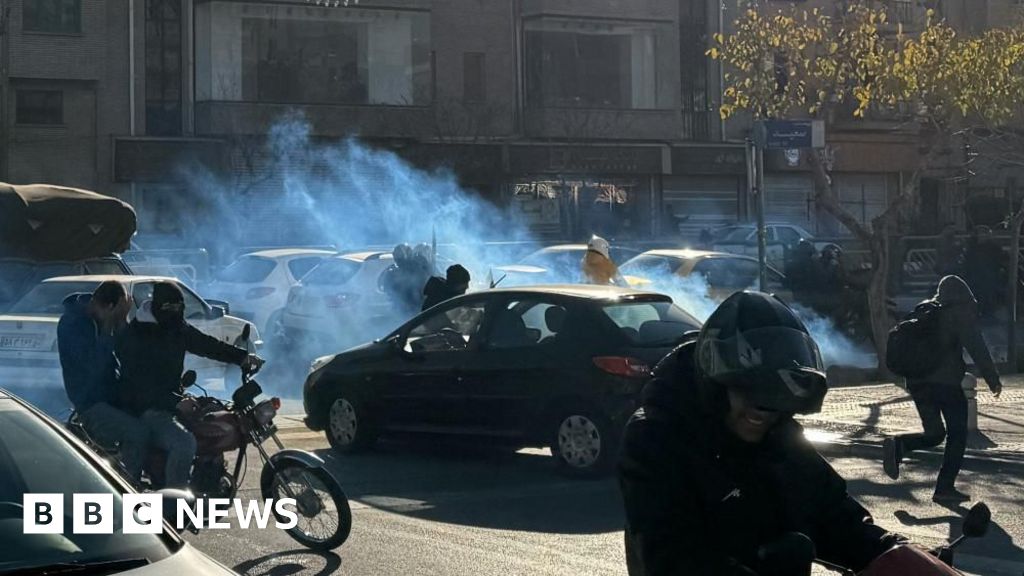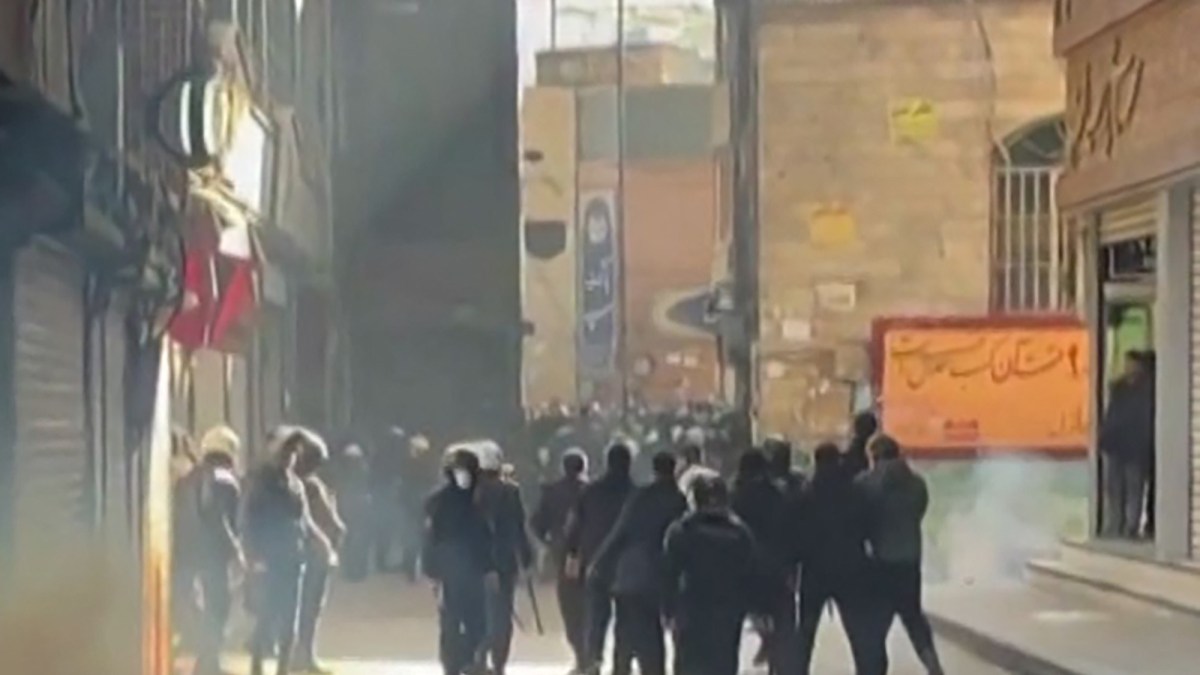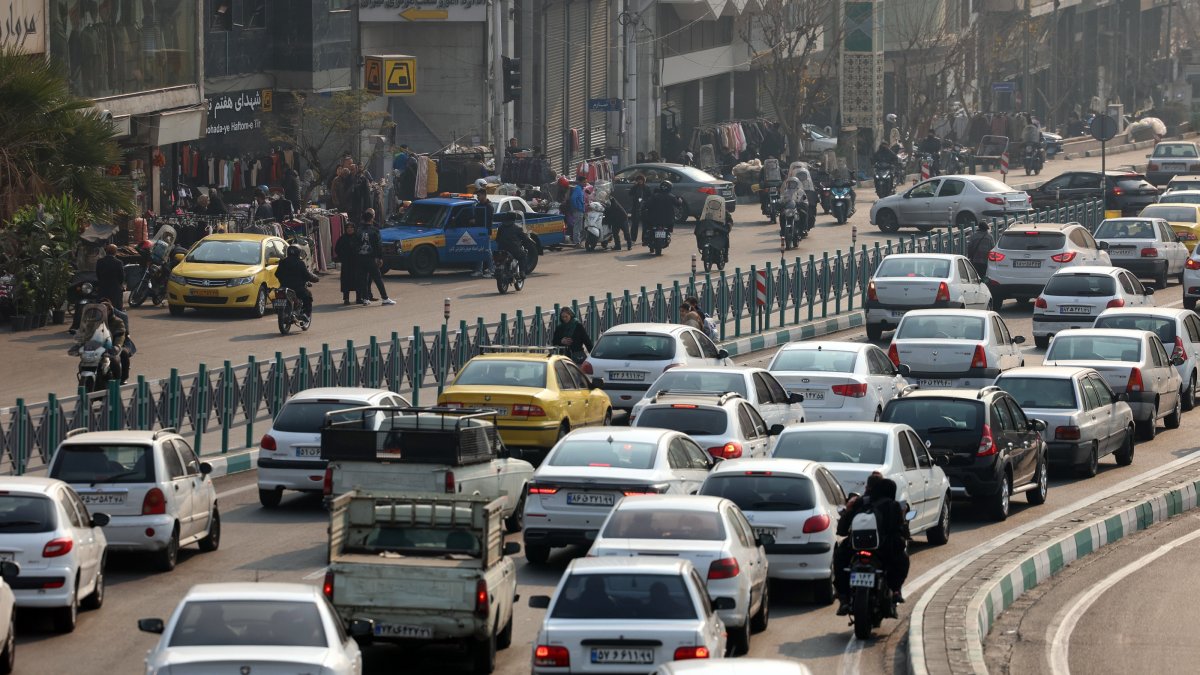
Iran’s clerical leadership is facing one of the most serious challenges to its authority in decades, as nationwide protests driven by economic collapse, political disillusionment and generational anger spread across all 31 provinces, exposing a deepening crisis of legitimacy at the heart of the Islamic Republic.
The demonstrations began late last month at Tehran’s Grand Bazaar, where shopkeepers protested the rapid collapse of the Iranian rial, which plunged to around 1.4 million to the dollar amid sanctions pressure and the aftermath of a brief but damaging war involving Israel and the United States.
What started as an economic protest has since evolved into a broader revolt against the ruling system itself.
Unlike the 2022-23 unrest sparked by the death of Mahsa Amini, which was led largely by women and centered on social freedoms, the current wave has been driven mainly by young men venting fury over unemployment, inflation and what they see as the regime’s misplaced priorities at home and abroad.
“The collapse is not just of the rial, but of trust,” said Alex Vatanka, director of the Iran Program at the Middle East Institute in Washington.