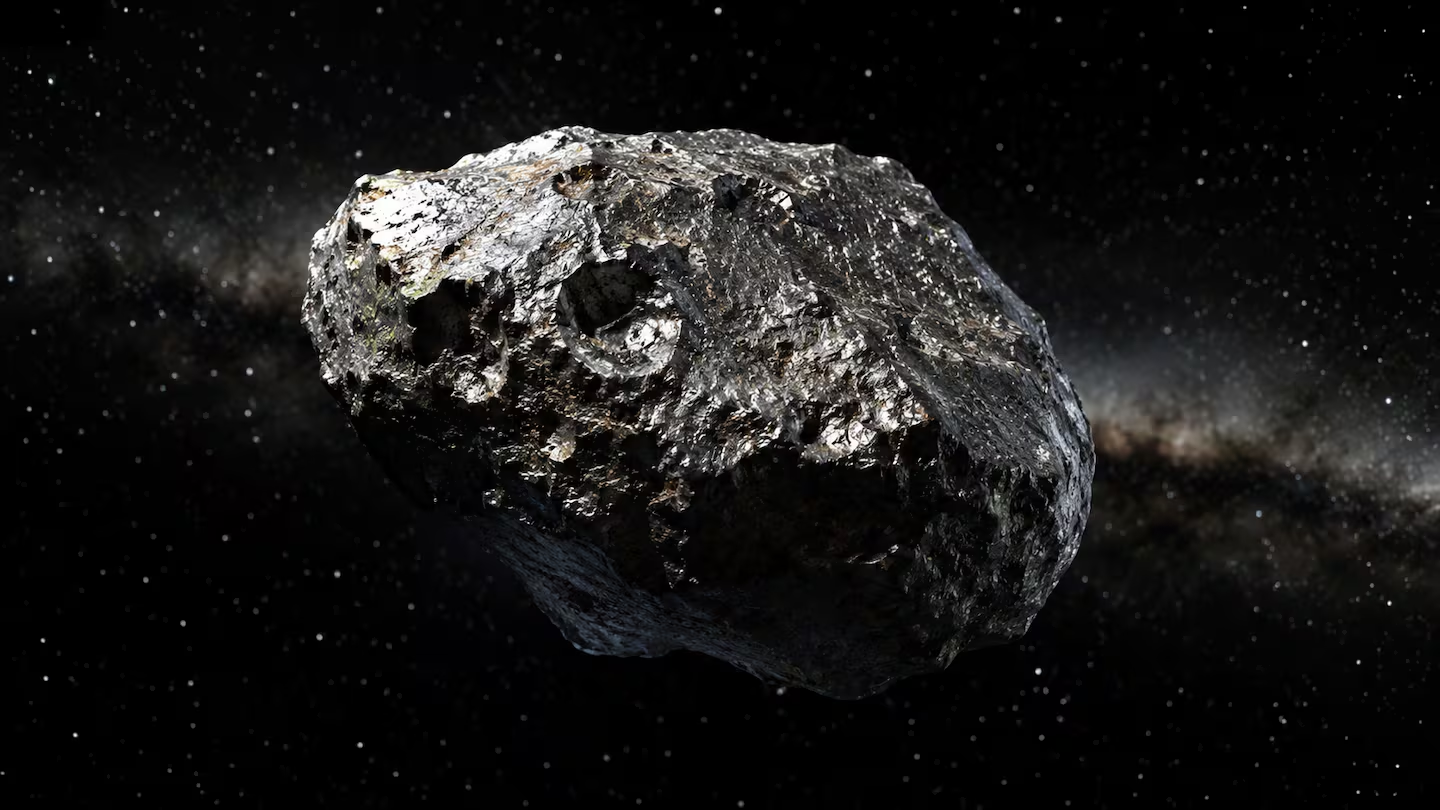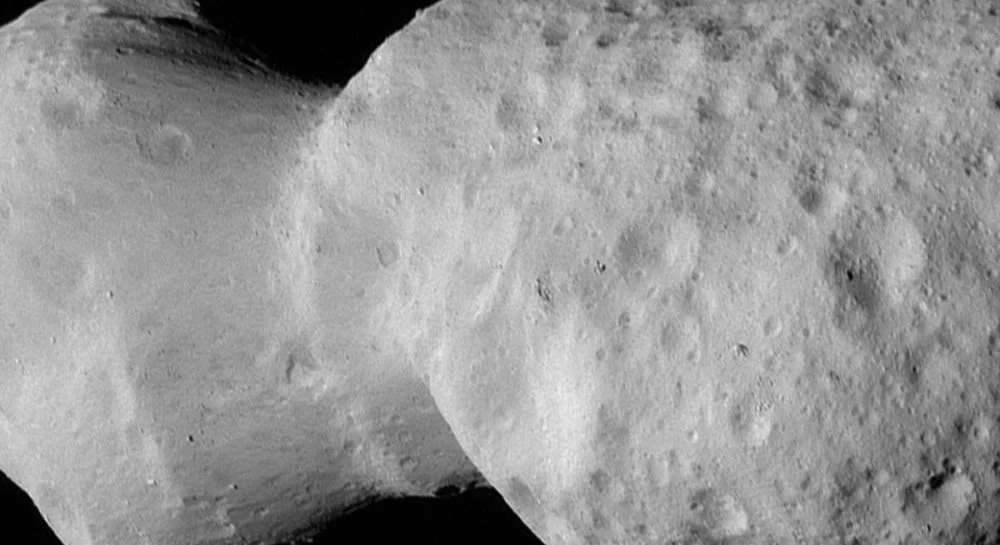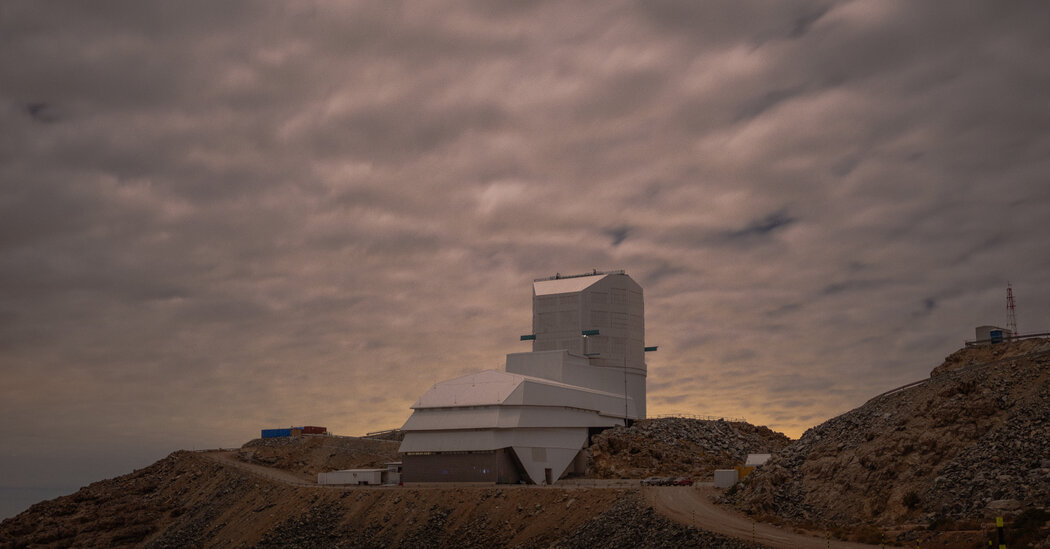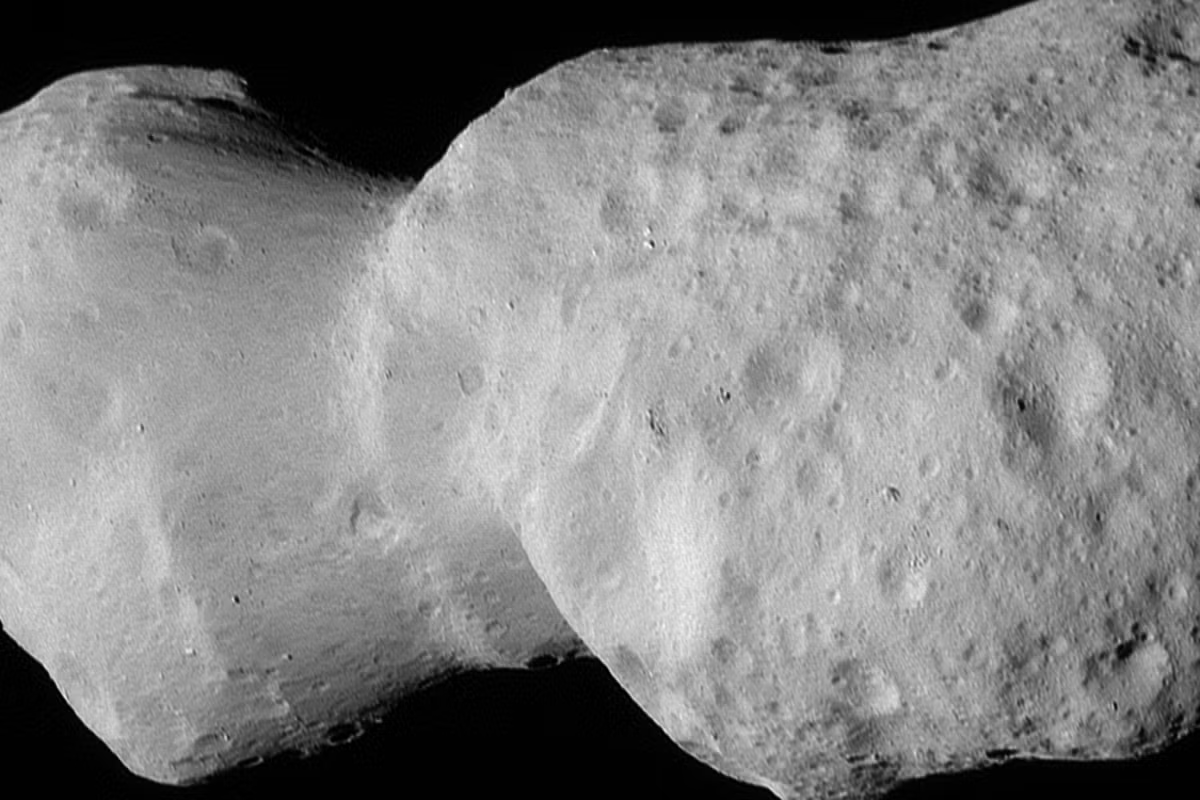
A crop of asteroids discovered by the new Vera C. Rubin Observatory is wowing astronomers, with one of the space rocks spinning at a record-breaking speed.
Among the nearly 2,000 asteroids detected last year by the telescope operated by the National Science Foundation's NOIRLab and SLAC National Accelerator Laboratory, 19 are classified as super-fast or ultra-fast rotators.
A new study published in The Astrophysical Journal Letters revealed that one of these objects is the fastest-known asteroid larger than 500 meters, completing a full rotation in about two minutes. The study examined 76 asteroids, including 16 super-fast rotators spinning between 13 minutes and 2.2 hours. Three ultra-fast rotators complete a full spin in less than five minutes, including asteroid MM45, which rotates every 1.88 minutes.
Such rapid rotation is notable because most asteroids are considered "rubble piles," made up of smaller rocks held together primarily by gravity.
Spin rates can provide astronomers with clues about an asteroid's composition. According to NOIRLab, fast rotation requires an object to have significant internal strength.