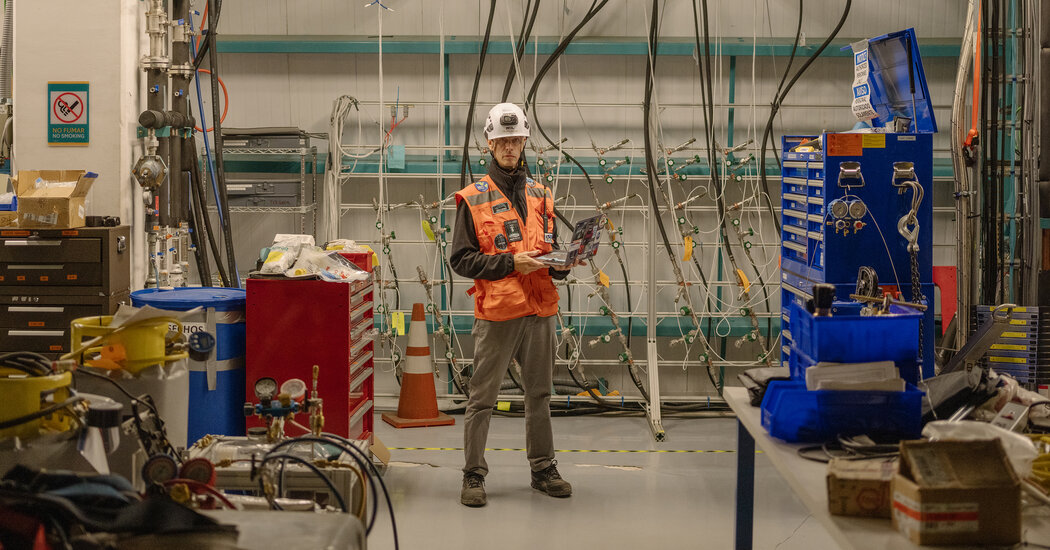
At the Vera C. Rubin Observatory, Meredith Rawls makes sure reflected sunlight doesn’t ruin astronomical observations by the world’s newest sky-observing super-machine.
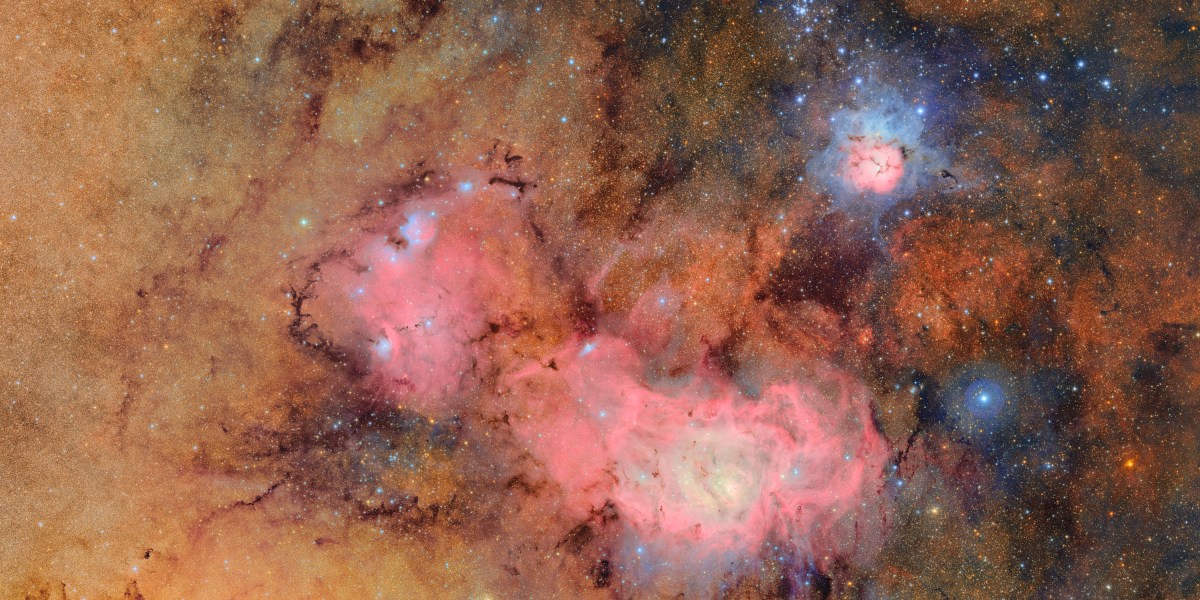
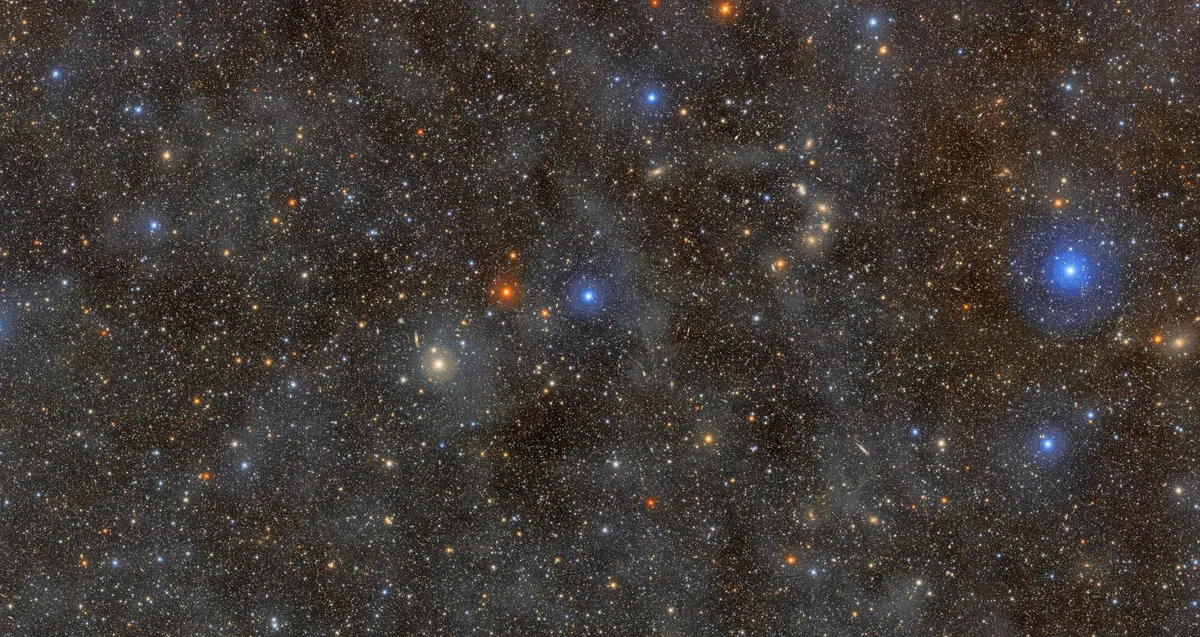
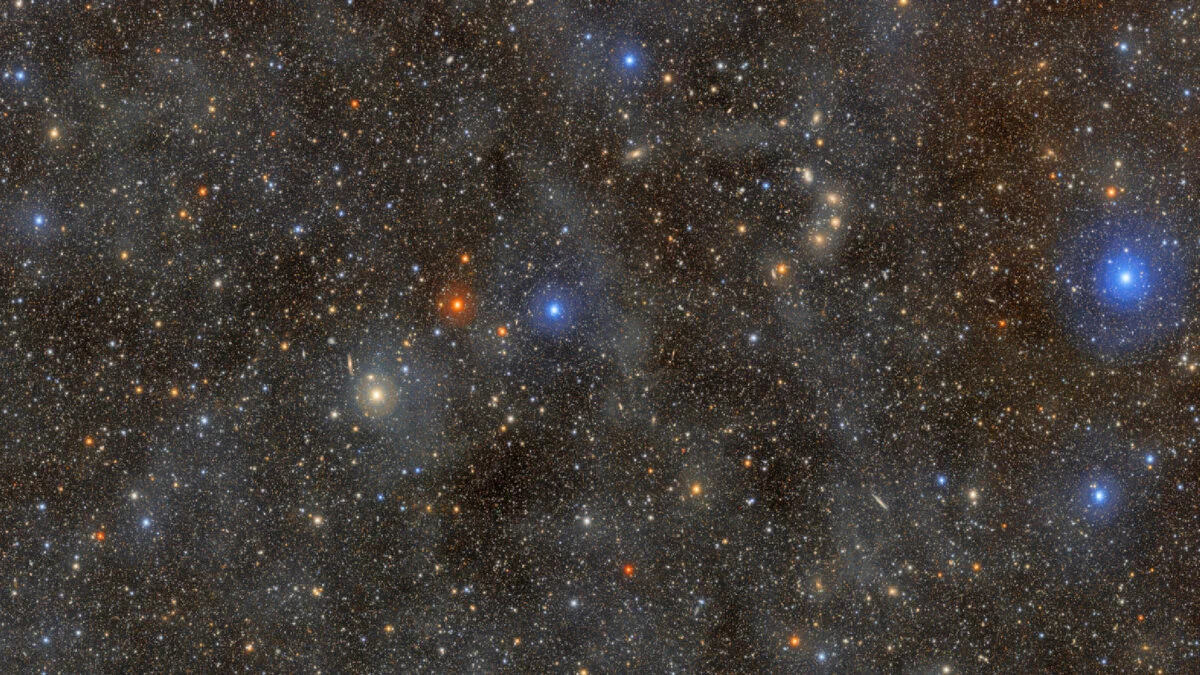
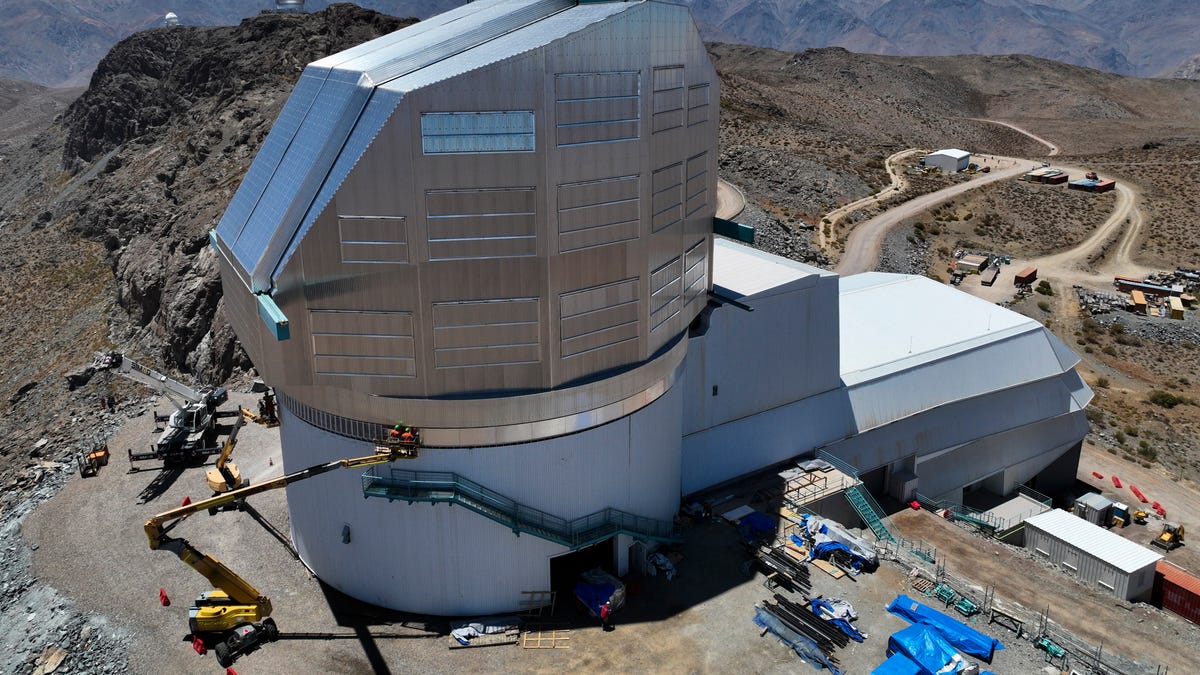
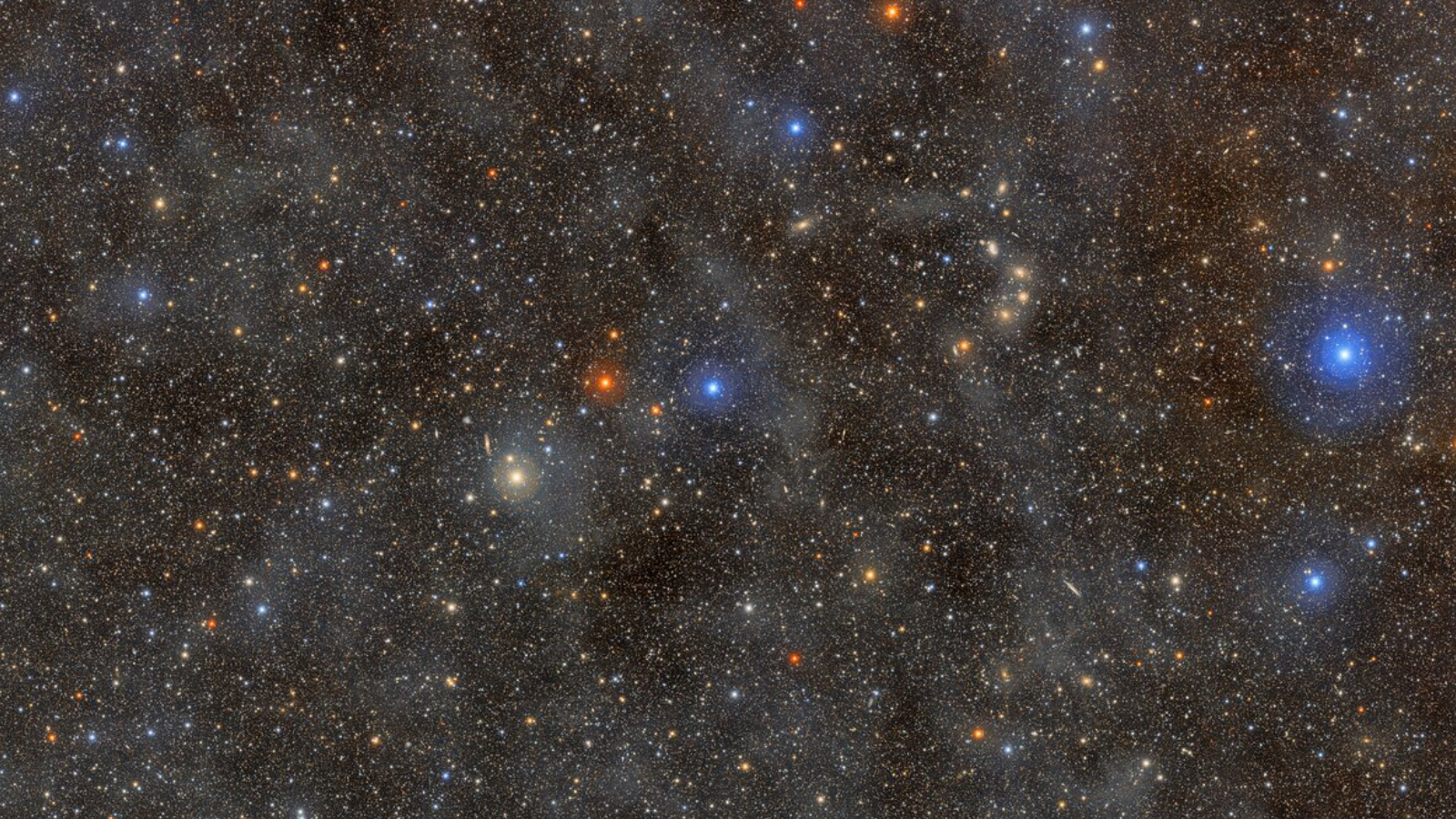
Earlier this year, the $800 million Vera Rubin Observatory commenced its decade-long quest to create an extremely detailed time-lapse movie of the universe. Rubin is capable of capturing many more stars than any other astronomical observatory ever built; it also sees many more satellites. Up to 40% of images captured by the observatory within its first 10 years of operation will be marred by their sunlight-reflecting streaks.
Meredith Rawls, a research scientist at the telescope’s flagship observation project, Vera Rubin’s Legacy Survey of Space and Time, is one of the experts tasked with protecting Rubin’s science mission from the satellite blight, which could make observations more difficult because the satellites are millions of times brighter than the faint stars and galaxies it hopes to study. Satellites could also confuse astronomers when the sudden brightening they cause gets mistaken for astronomical phenomena.
When Rawls joined the Rubin project in 2016, she says, she had no clue what turn her career would take. “I was hired as a postdoc to help build a new imaging pipeline to process precursor images [and] analyze results to identify things we needed to fix or change,” she says.