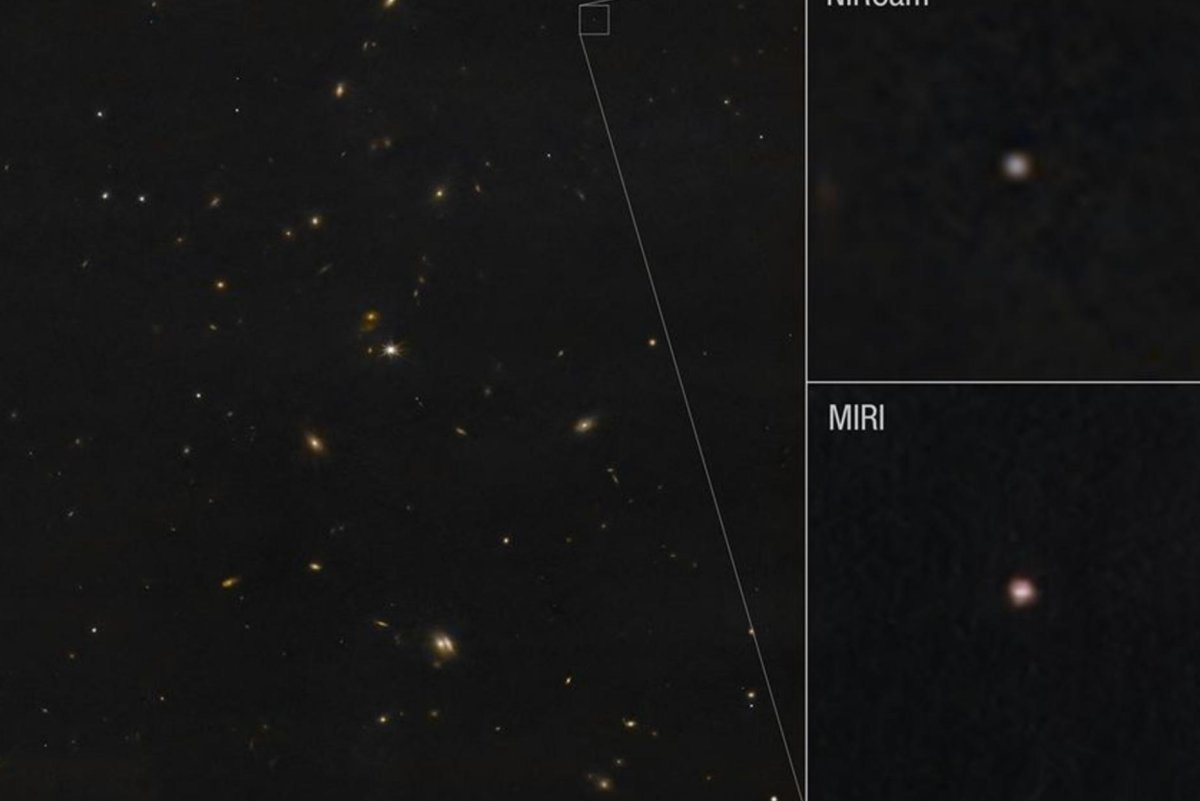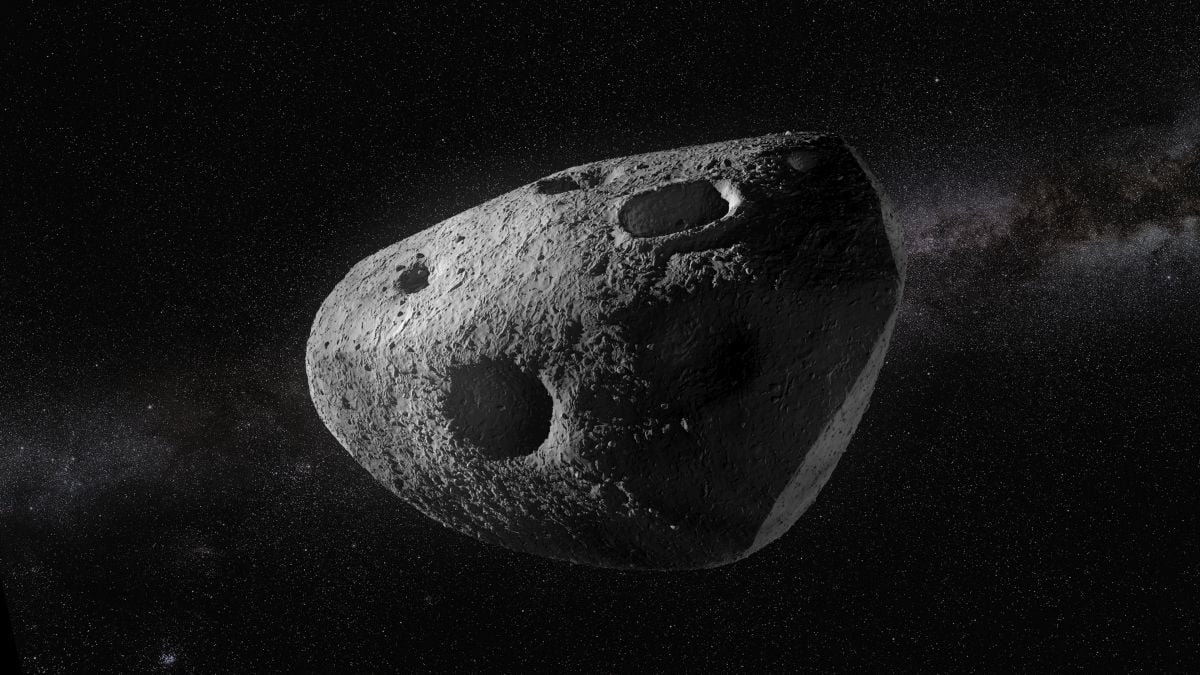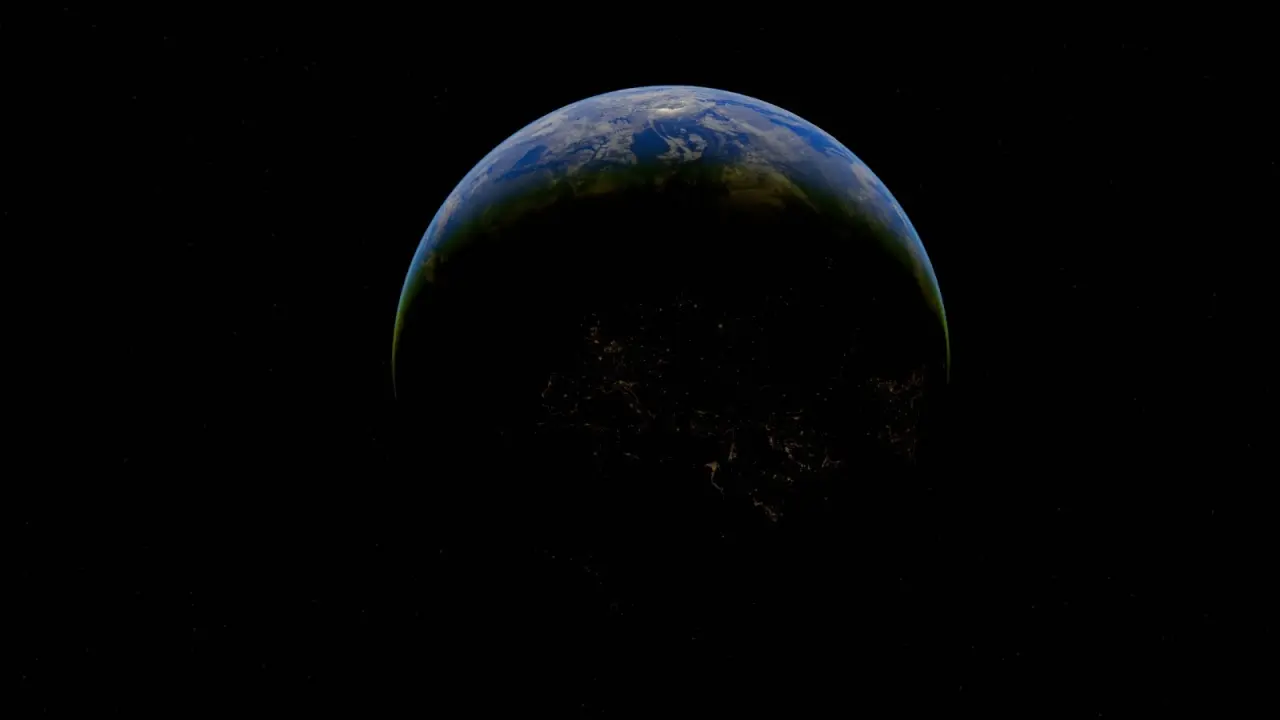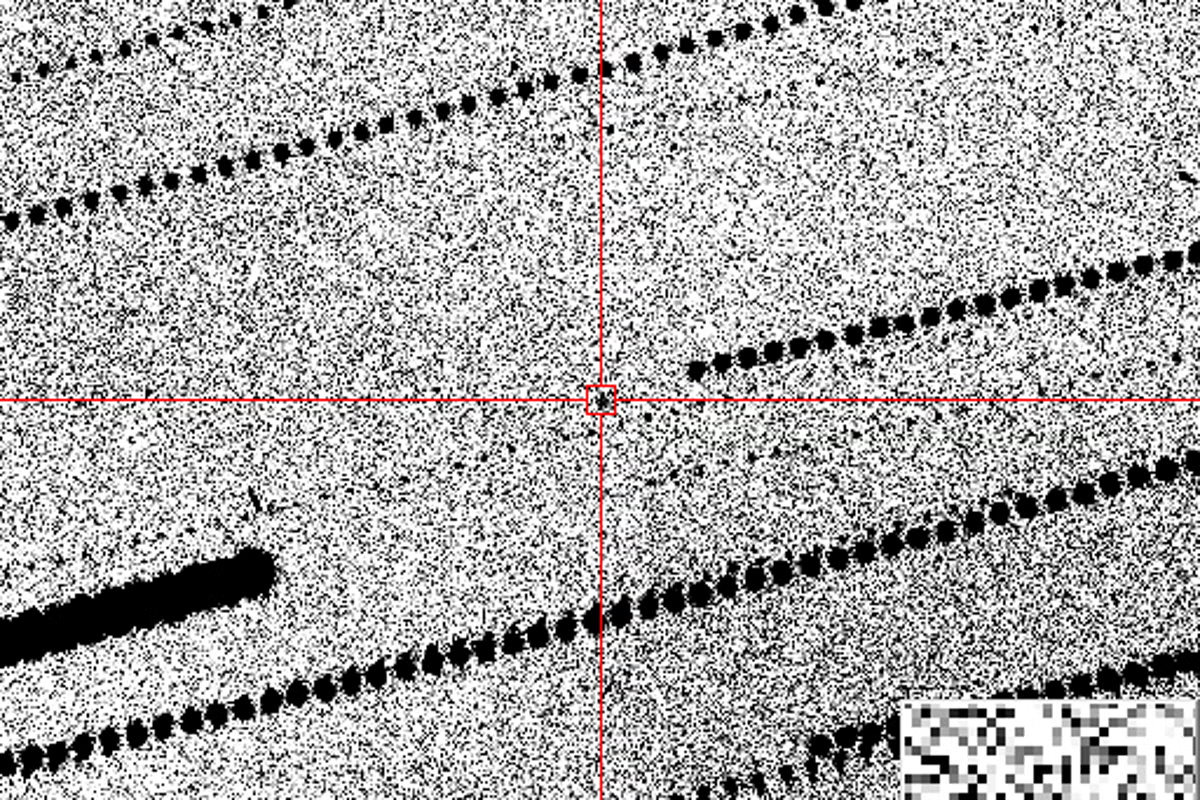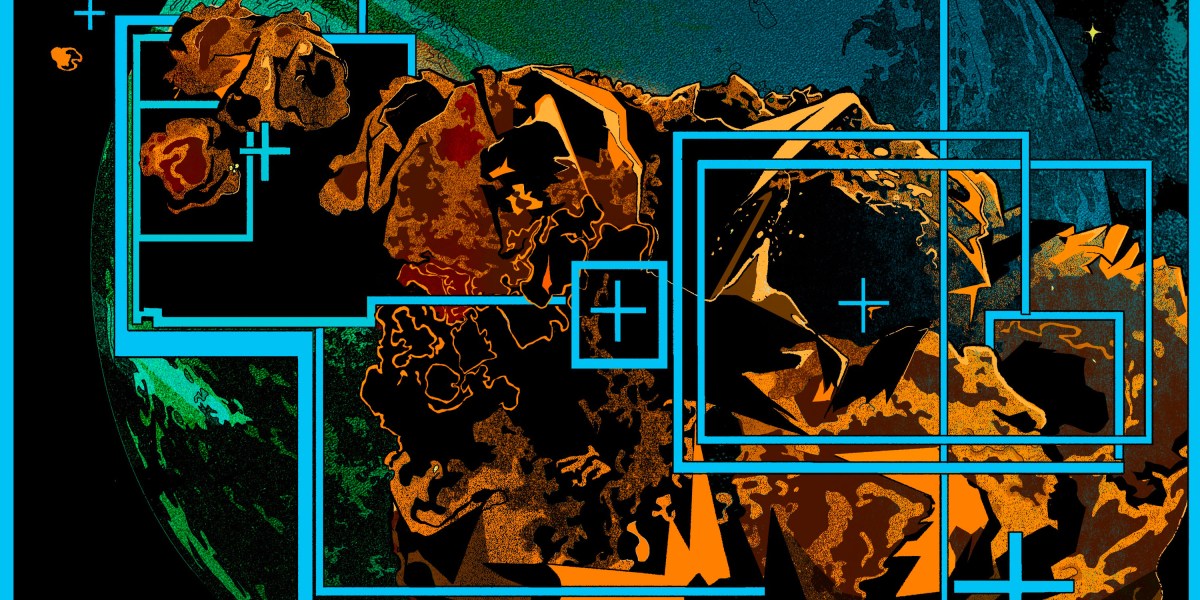
As space rock 2024 YR4 became more likely to hit Earth than anything of its size had ever been before, scientists all over the world mobilized to protect the planet.
If you were told that the odds of something were 3.1%, it really wouldn’t seem like much. But for the people charged with protecting our planet, it was huge.
On February 18, astronomers determined that a 130- to 300-foot-long asteroid had a 3.1% chance of crashing into Earth in 2032. Never had an asteroid of such dangerous dimensions stood such a high chance of striking the planet. For those following this developing story in the news, the revelation was unnerving. For many scientists and engineers, though, it turned out to be—despite its seriousness—a little bit exciting.
While possible impact locations included patches of empty ocean, the space rock, called 2024 YR4, also had several densely populated cities in its possible crosshairs, including Mumbai, Lagos, and Bogotá. If the asteroid did in fact hit such a metropolis, the best-case scenario was severe damage; the worst case was outright, total ruin. And for the first time, a group of United Nations–backed researchers began to have high-level discussions about the fate of the world: If this asteroid was going to hit the planet, what sort of spaceflight mission might be able to stop it? Would they ram a spacecraft into it to deflect it? Would they use nuclear weapons to try to swat it away or obliterate it completely?