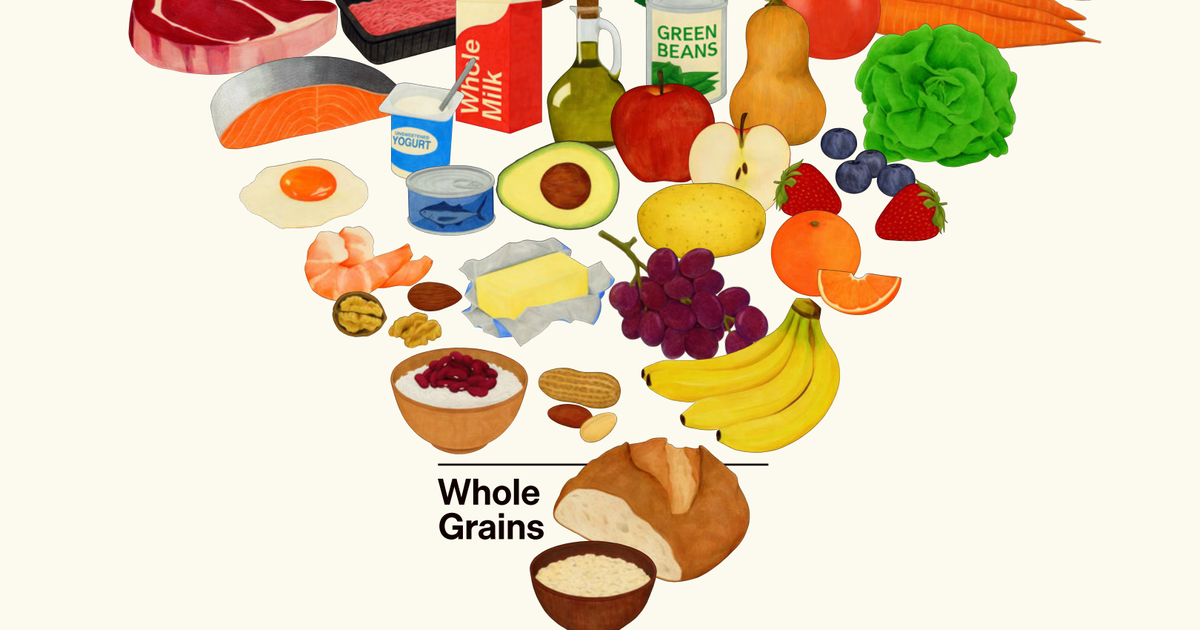
The new U.S. dietary guidelines call for eating less processed foods, but will Americans really stop reaching for them?
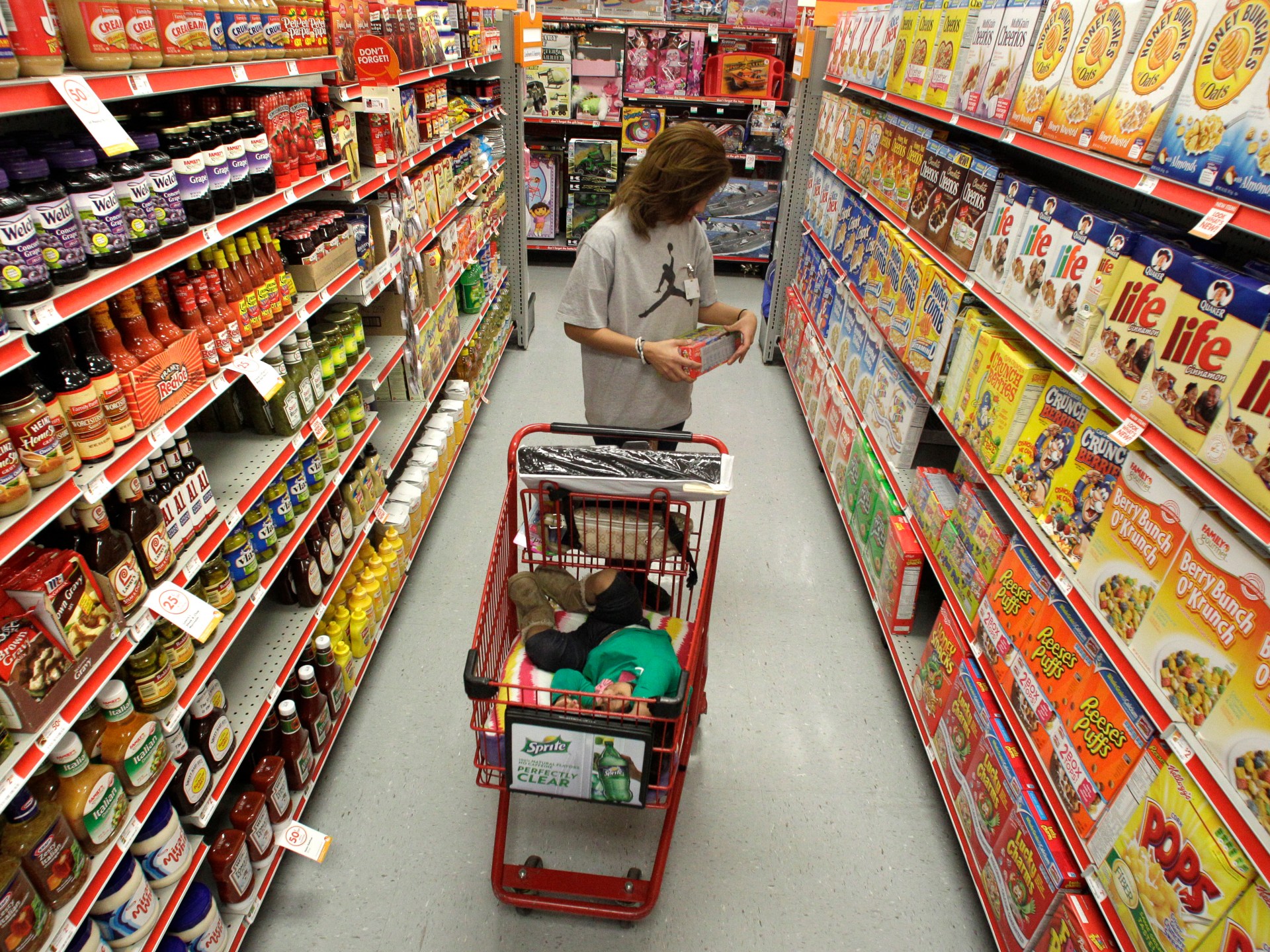
More than half of the calories consumed at home by both adults and children in the U.S. come from ultra-processed foods, or UPFs, according to a 2025 analysis from the National Center for Health Statistics.
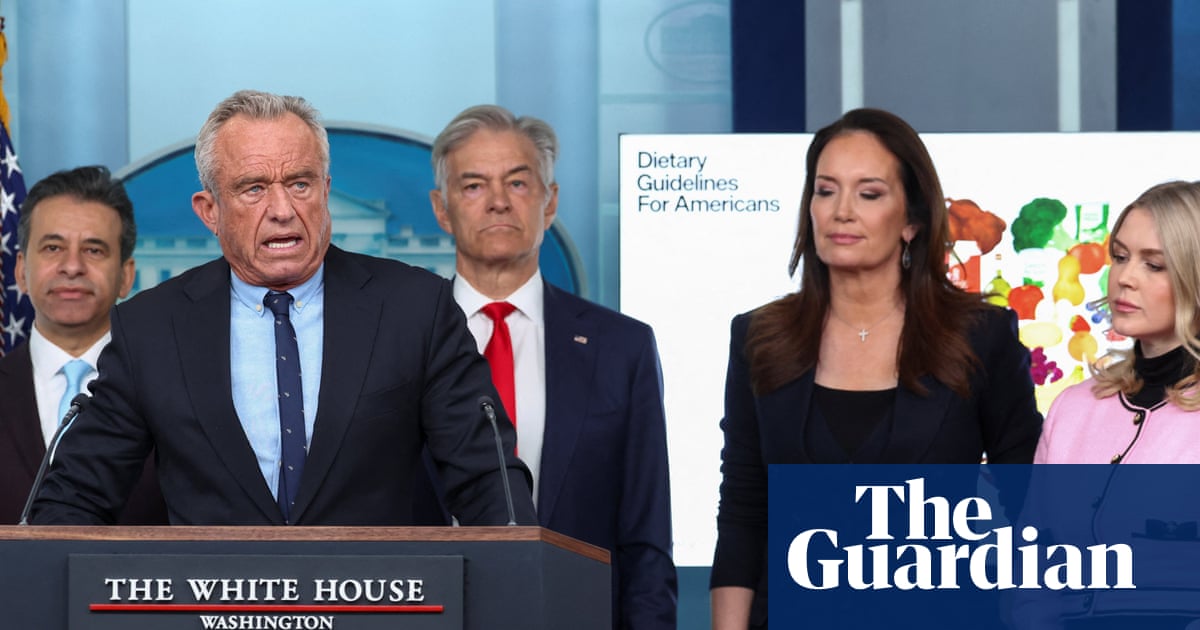
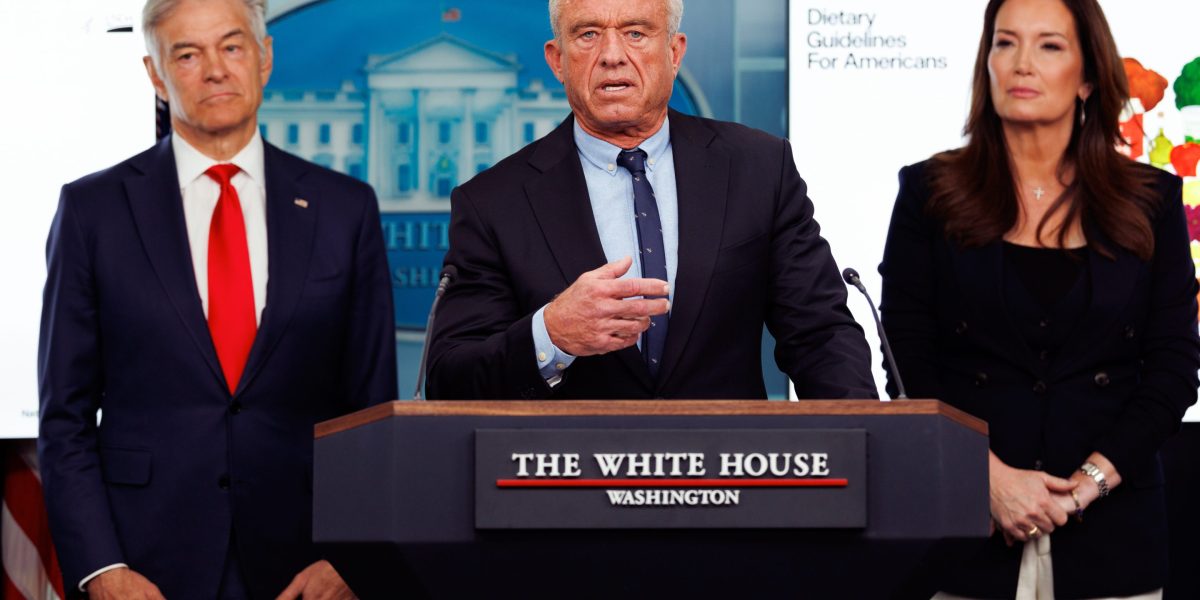
But Health Secretary Robert F. Kennedy Jr. is trying to change that by including in the guidelines, for the first time, specific language about reducing highly processed foods, including avoiding added sugars and refined grains.
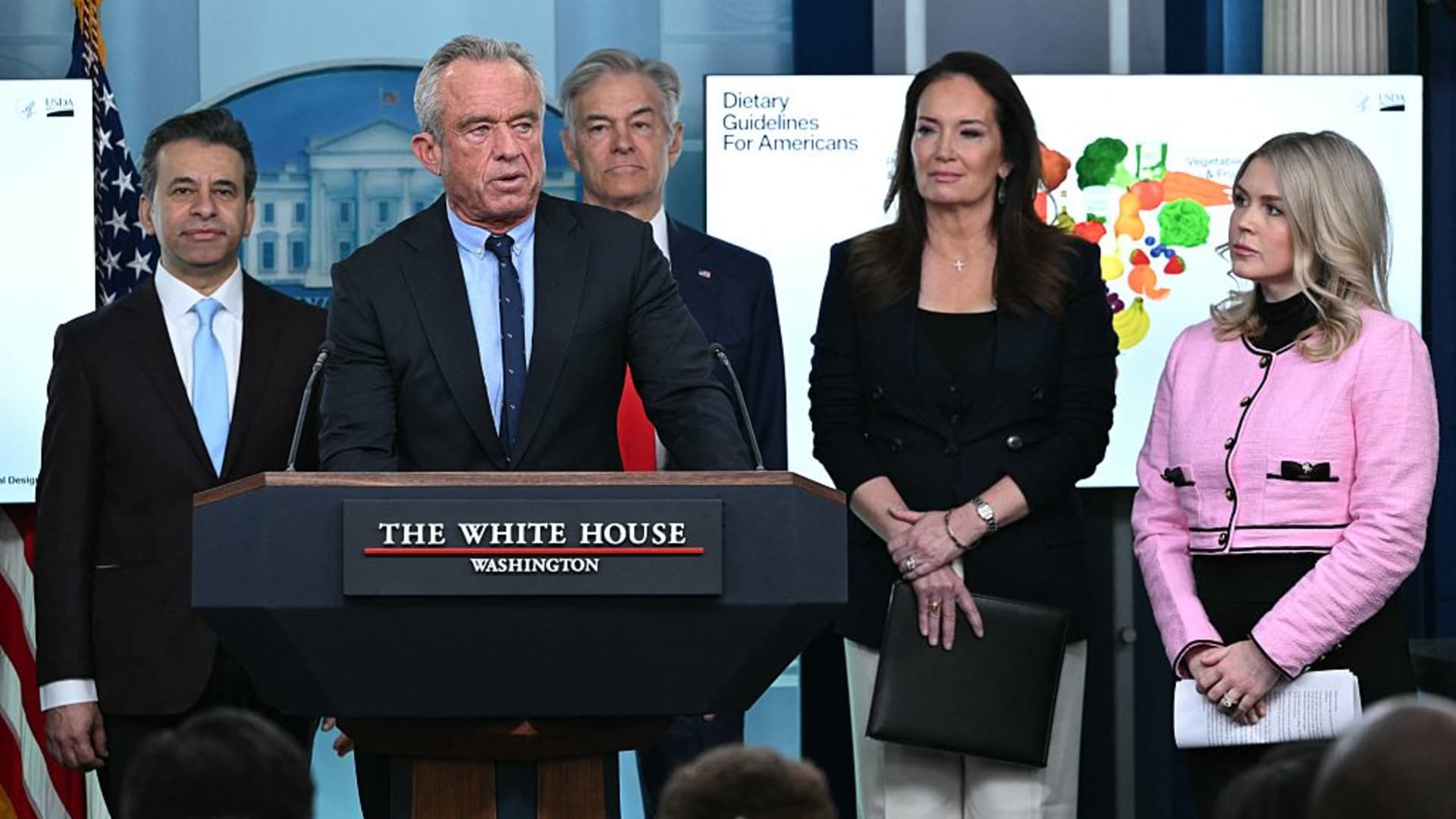
"Today, our government declares war on added sugar,” Kennedy said in the White House press briefing Jan. 7 where the guidelines were announced. “My message is clear: eat real food.”
Ultra-processed foods are factory-made formulations produced largely from refined ingredients, additives (including colorings and preservatives) and little-to-no whole foods. Using artificial flavors and sweeteners, these foods are designed for more palatable tastes and longer shelf life. They're typically higher in sugar, salt and unhealthy fats, and devoid of nutrients and fiber.