About 10 years ago, in the run-up to the making of the Constitutional amendment and the enabling laws regarding the Goods and Services Tax (GST) of 2017, several States, especially Tamil Nadu, which was led by Jayalalithaa till December 2016, had placed various demands in defence of their rights. Some of the demands were conceded and incorporated in the final version of the Constitutional and legislative framework. But, this attitude of States wanting to have their say in matters of constitutional and legal importance is nothing new.
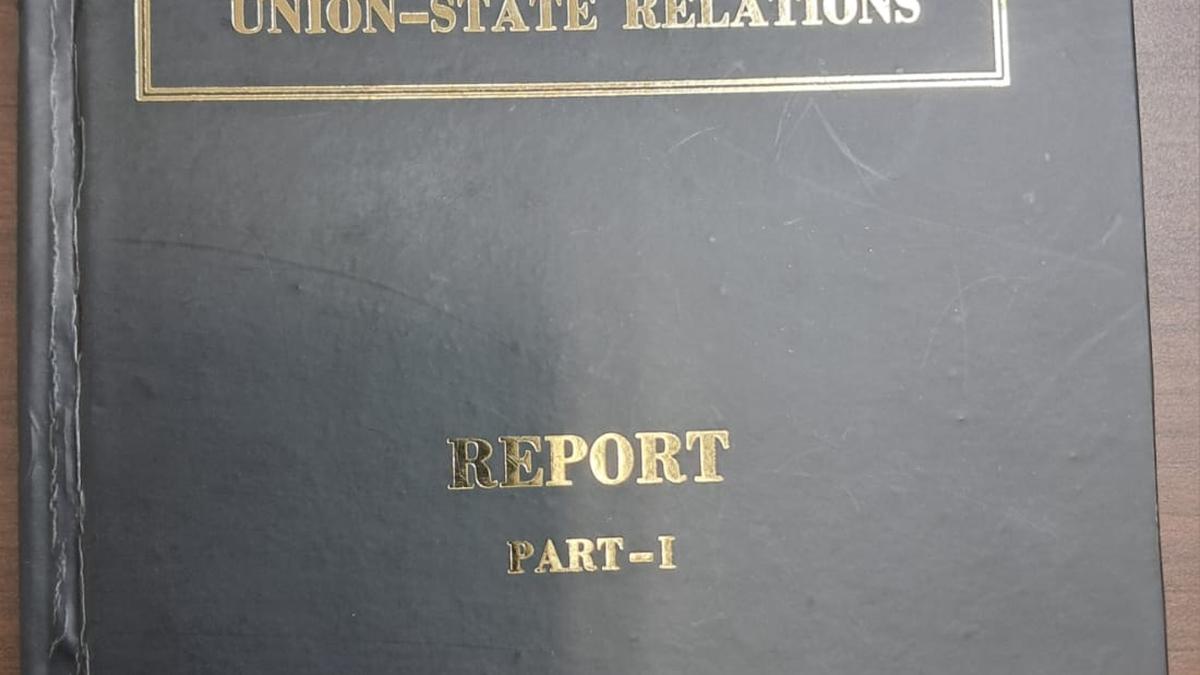
In the Constituent Assembly’s debates (1946-49), K. Santhanam and N.G. Ranga, both from southern States representing the present Tamil Nadu and Andhra Pradesh, had strongly argued against any attempt to make the Central government more powerful under the garb of expanding the Concurrent List. The Commission on Centre-State Relations (2010), in volume I of its report, quoted from the proceedings of the Assembly wherein Ambedkar, the Chairman of the Drafting Committee of the Constitution, had stated that “modern conditions” had made the federal government of the United States of America to “outgrow itself” apart from “overshadowing and eclipsing the State governments”. Likewise, “the same conditions are sure to operate on the Government of India and nothing that one can do will help to prevent it from being strong,” Ambedkar had visualised, adding that “we must resist the tendency to make it [the Centre] stronger.”