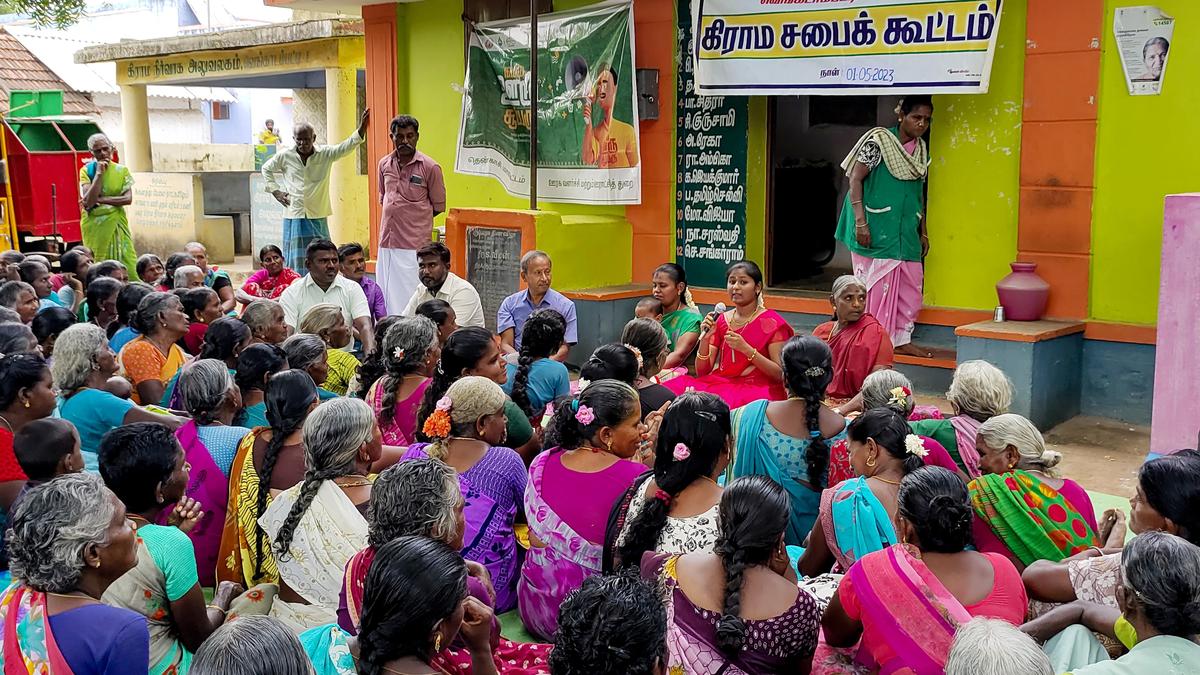
Tamil Nadu’s contributions to the making of the Constitution were not only through prominent personalities but also commoners.
The contributions were not only in terms of positive conception of rights but also in the negative sense. A memorable feature of the contributions from the State pertained to the safeguards for vulnerable sections of society such as Scheduled Castes (SC) and religious minorities.
It all began with the Minorities Sub-Committee of the Advisory Committee for the Constituent Assembly (CA) issuing in March 1947 a six-point questionnaire to elicit the opinion of individuals and institutions on the question of the protection of the minorities in the Constitution, according to a report of The Hindu on March 9, 1947. Headed by a Christian leader from Bengal, H.C. Mukherjee, the panel included Jagjivan Ram, C. Rajagopalachari (CR), Maulana Abul Kalam Azad, B.R. Ambedkar, S.P. Mookherjee, Rajkumari Amrit Kaur, M. Rutnaswami, K.M. Munshi and Govind Ballabh Pant.
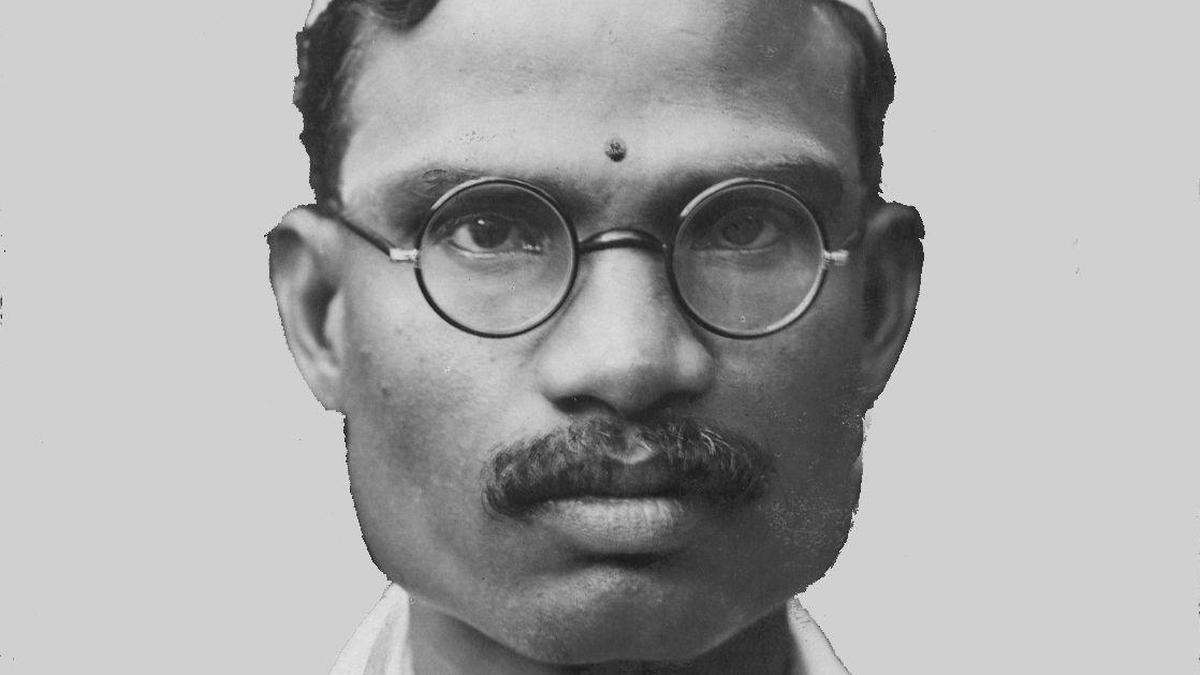
It was left to V.I. Munuswami Pillai, who was Agriculture Minister in the Council of Ministers headed by CR in the Madras Presidency during July 1937-October 1939, and his fellow SCs to demand the implementation of the concept of keeping the system of reservation in education and employment for Scheduled Castes for 10 years [which is getting renewed every 10 years]. Sardar Vallabhbhai Patel, independent India’s first Deputy Prime Minister and the chief of the Advisory Committee, had accepted the demand and incorporated it in the report that he presented to the CA in May 1949 for consideration.