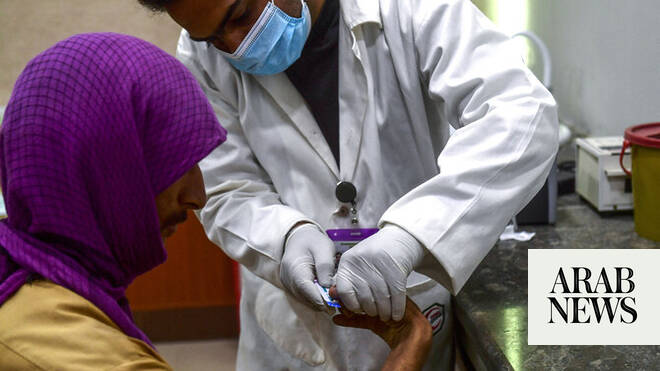
ISLAMABAD: Funding reductions by international donors have forced sharp cutbacks in HIV prevention and support services across Pakistan, officials and experts say, raising fears that years of progress in reaching vulnerable populations could be reversed even as infections continue to rise.
Pakistan’s HIV response remains heavily dependent on financing from the Global Fund to Fight AIDS, Tuberculosis and Malaria (GFFATM), which has supported the country’s HIV programs for nearly two decades. The Global Fund reduced Pakistan’s total allocation from $250.8 million to $223.6 million under its Grant Cycle 7 (2023–2025), cutting $4 million from the national HIV/AIDS component.
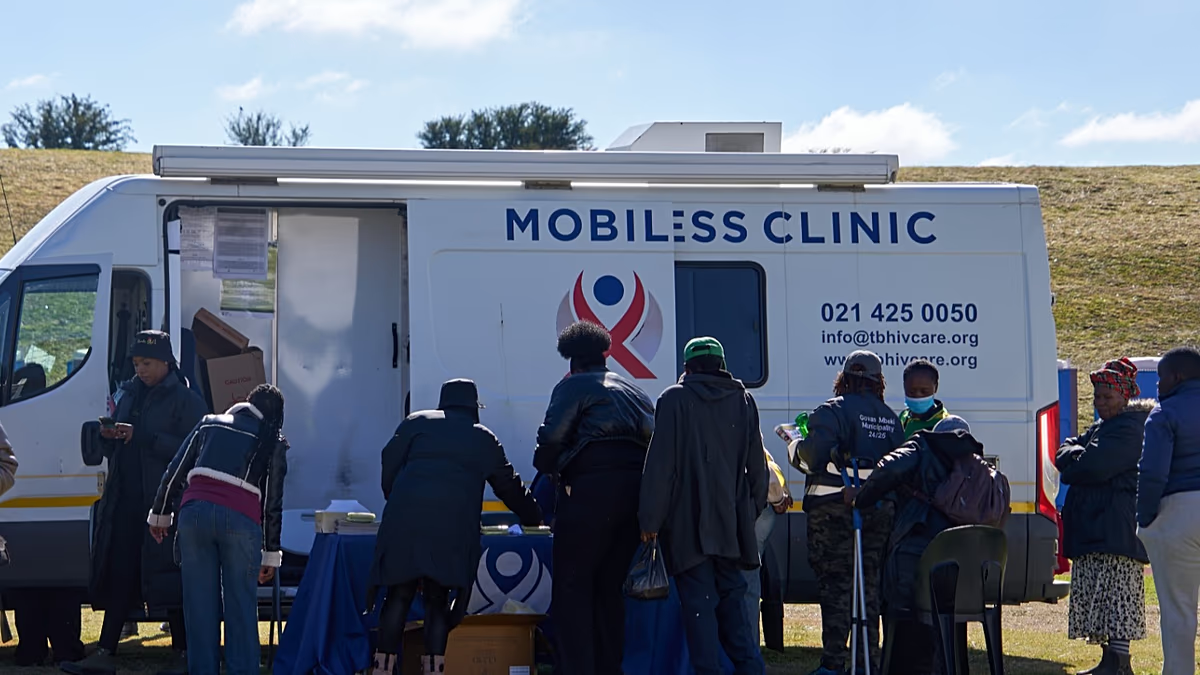
The United Nations Development Program (UNDP), which has served as the principal recipient of Global Fund financing since 2021, says the funding squeeze has already begun to affect outreach services for key populations.
Pakistan’s HIV epidemic remains small in absolute numbers compared with global hotspots, but it is one of the fastest-growing in Asia. UNAIDS has repeatedly warned that Pakistan is among the few countries where new HIV infections continue to rise, driven largely by low testing rates and infections concentrated among marginalized communities. This makes sustained prevention and outreach funding critical to preventing a wider public health crisis.