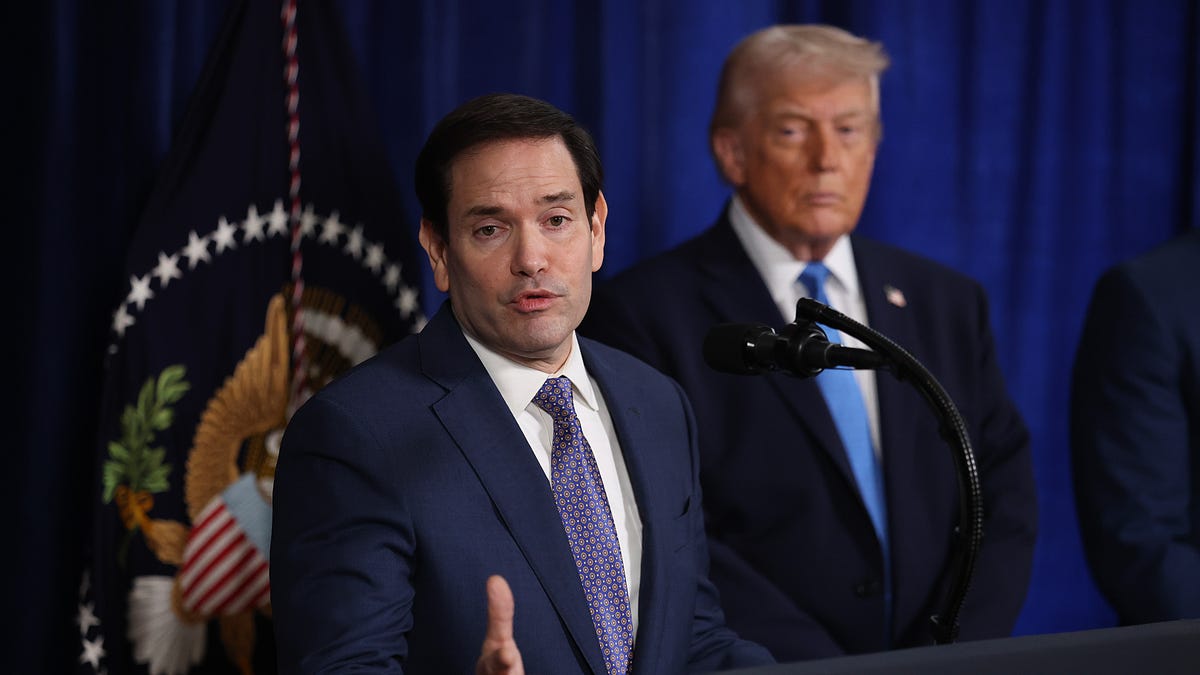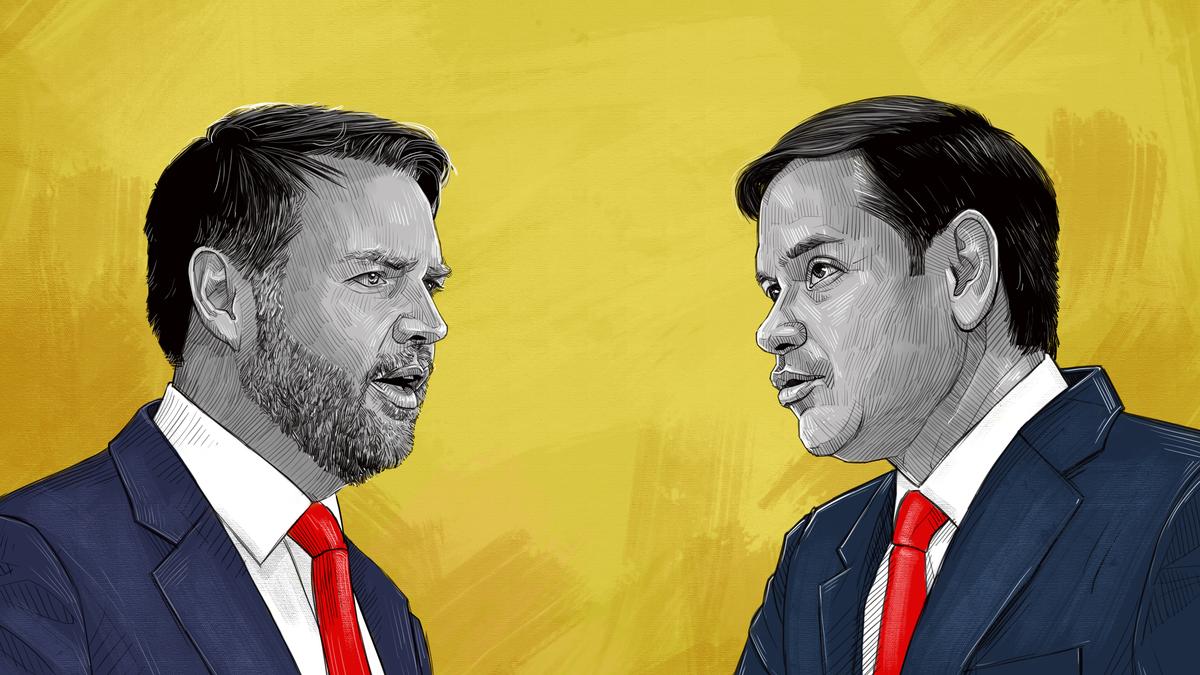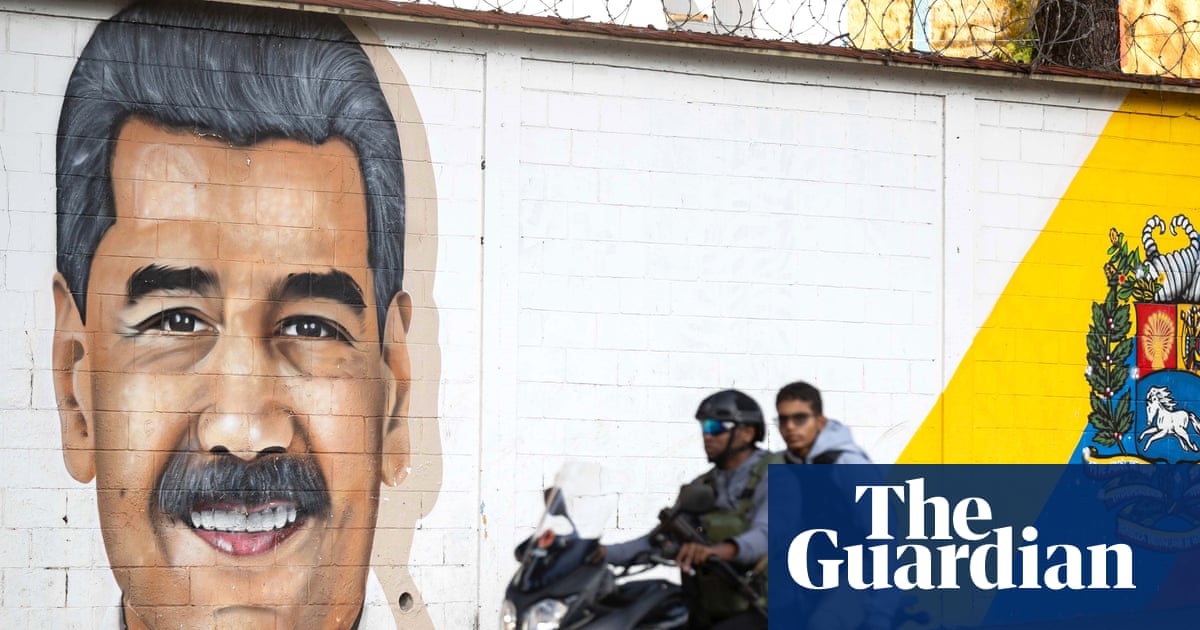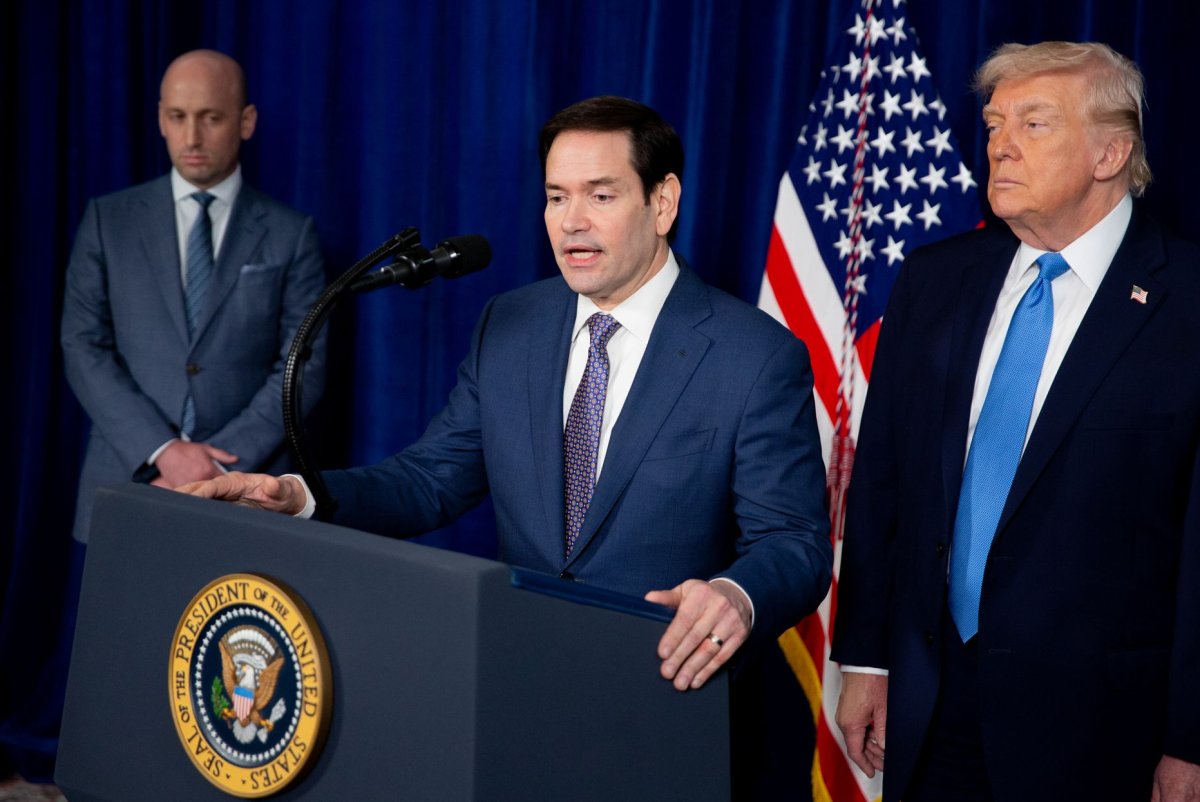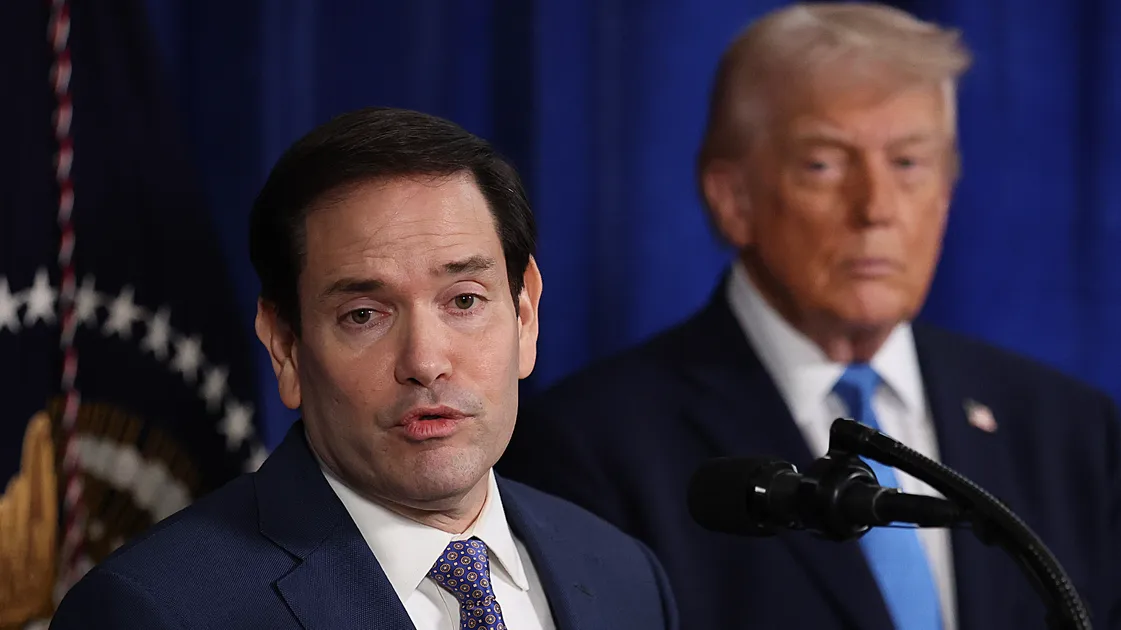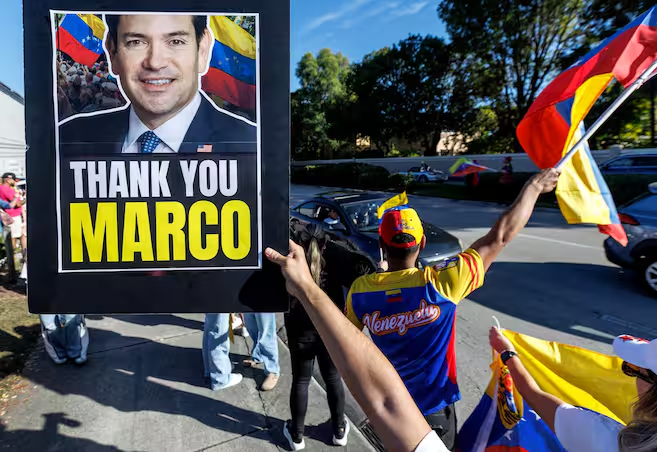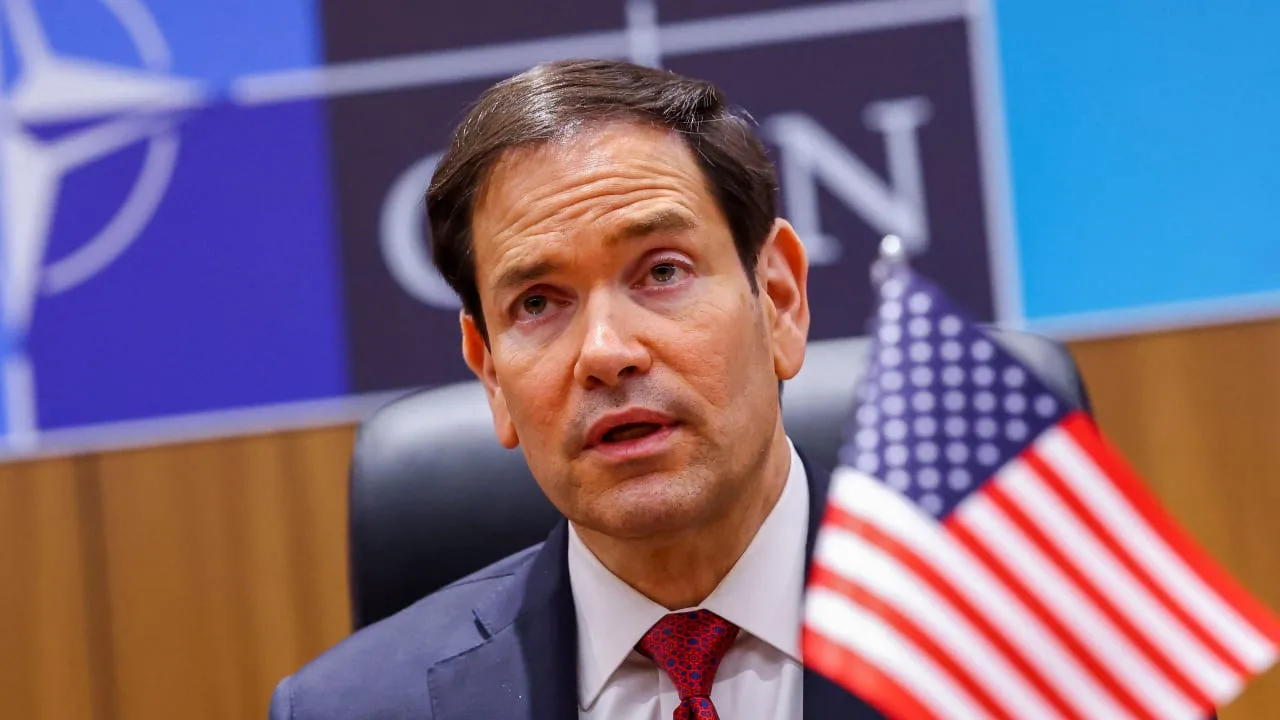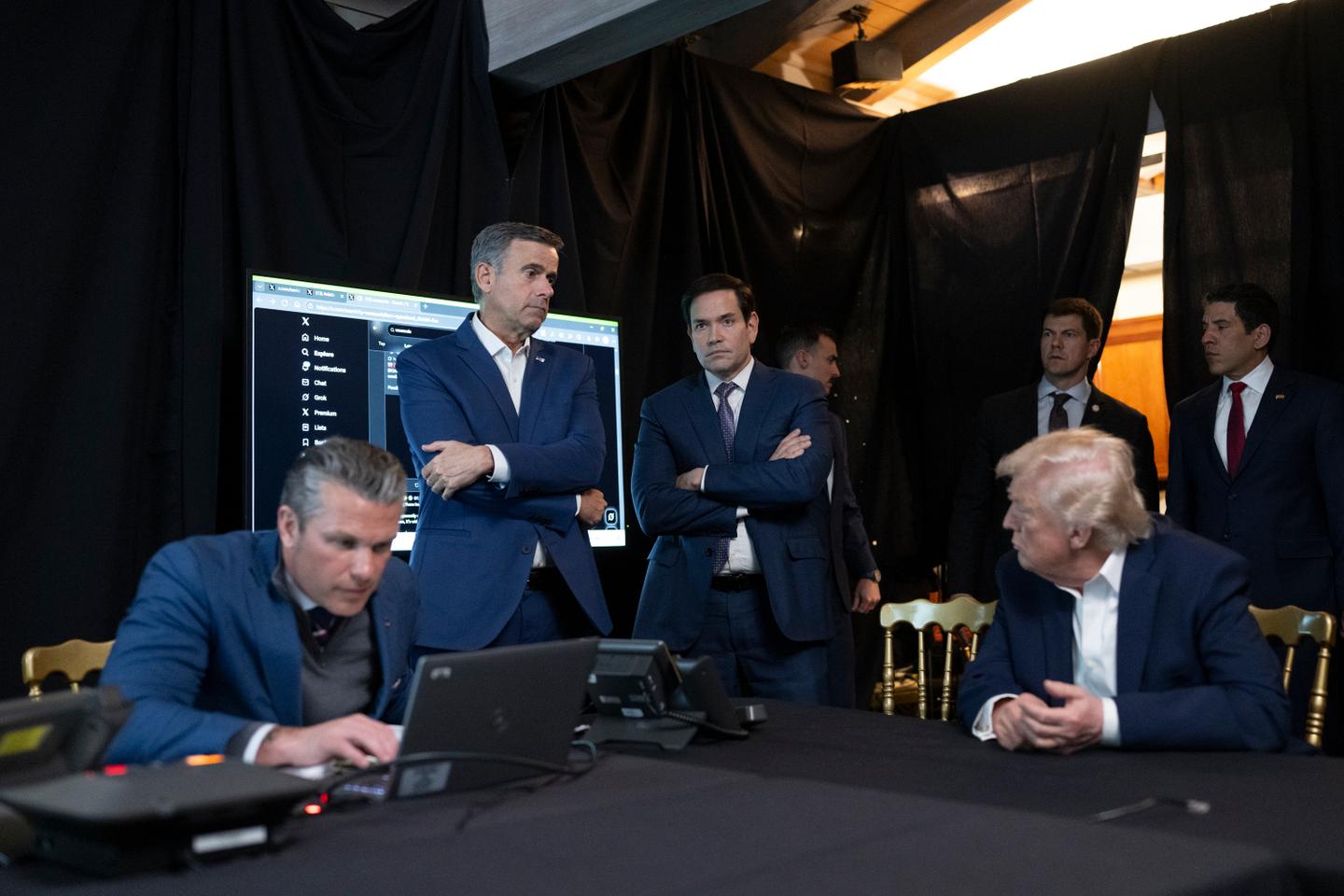
For the past three days, US Secretary of State Marco Rubio has been omnipresent on television screens. Vice President JD Vance, meanwhile, has remained out of sight, relegated to posting messages on social media. The rivalry – officially amicable – between the two men, both contenders to lead the MAGA movement in the future, reached a major turning point with the US military operation in Venezuela in the pre-dawn hours of Saturday, January 3. Just hours later, Rubio stood alongside Donald Trump to comment on the capture of President Nicolas Maduro. Disciplined and careful in his statements, Rubio appeared on major Sunday political shows the following day.
"This was not an invasion," he said on ABC. "We didn't occupy a country." On CBS, Rubio dismissed historical comparisons to US regime-change operations in the Middle East. "The whole, you know, foreign policy apparatus thinks everything is Libya, everything is Iraq, everything is Afghanistan. This is not the Middle East. And our mission here is very different. This is the Western Hemisphere." In other words, this is the US's historical backyard, where Washington exploits what it wants and uproots what it deems undesirable.
According to Rubio, the operation was tailored to fit the situation. Maduro's "arrest"? Justified by his indictment on drug trafficking charges. The maritime "quarantine" of Venezuela to block oil tankers? Permitted under US sanctions. What comes next? No one knows. But the uncertainty does not seem to trouble the secretary of state at this point.