https://arab.news/53fsh
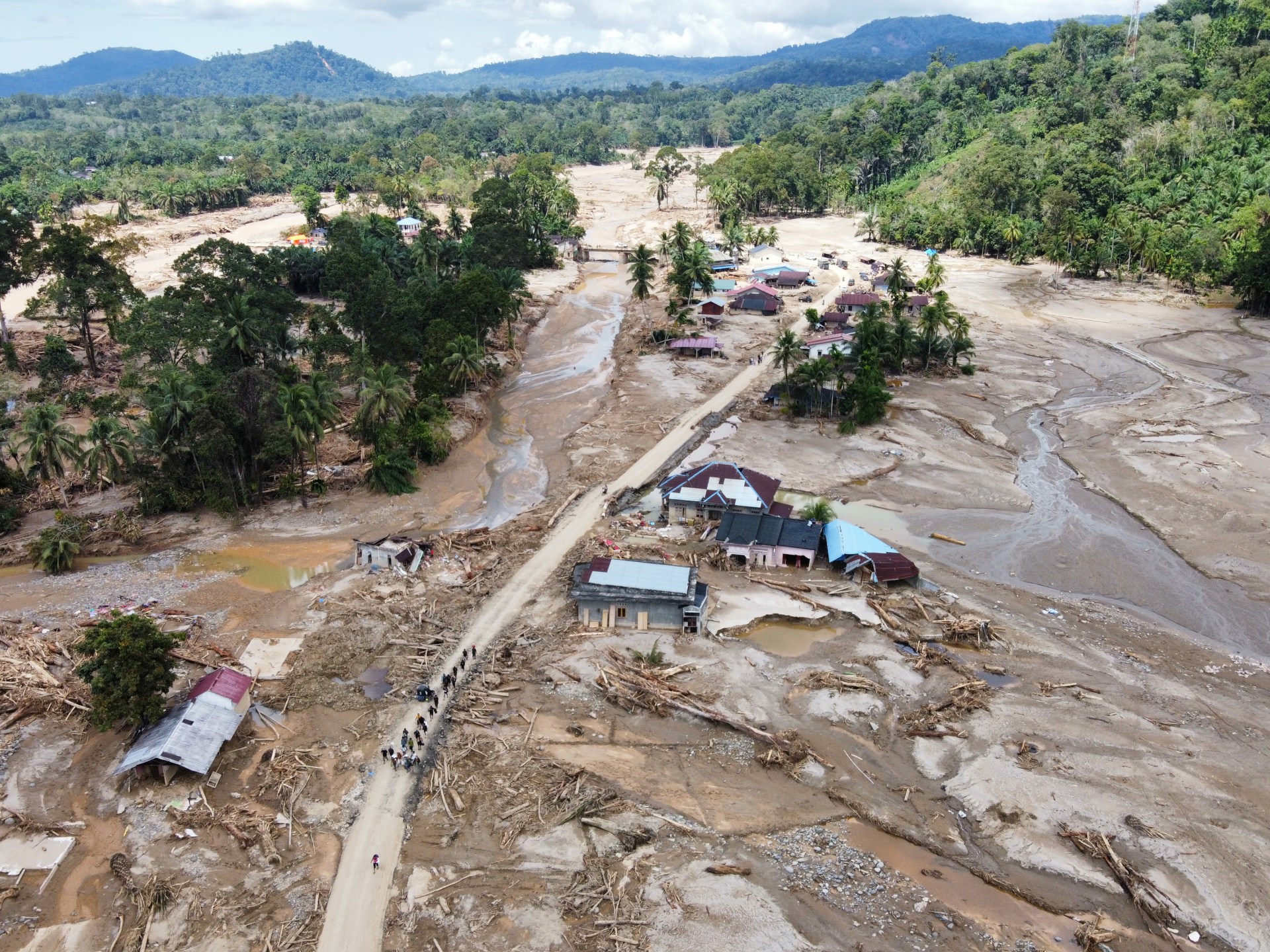
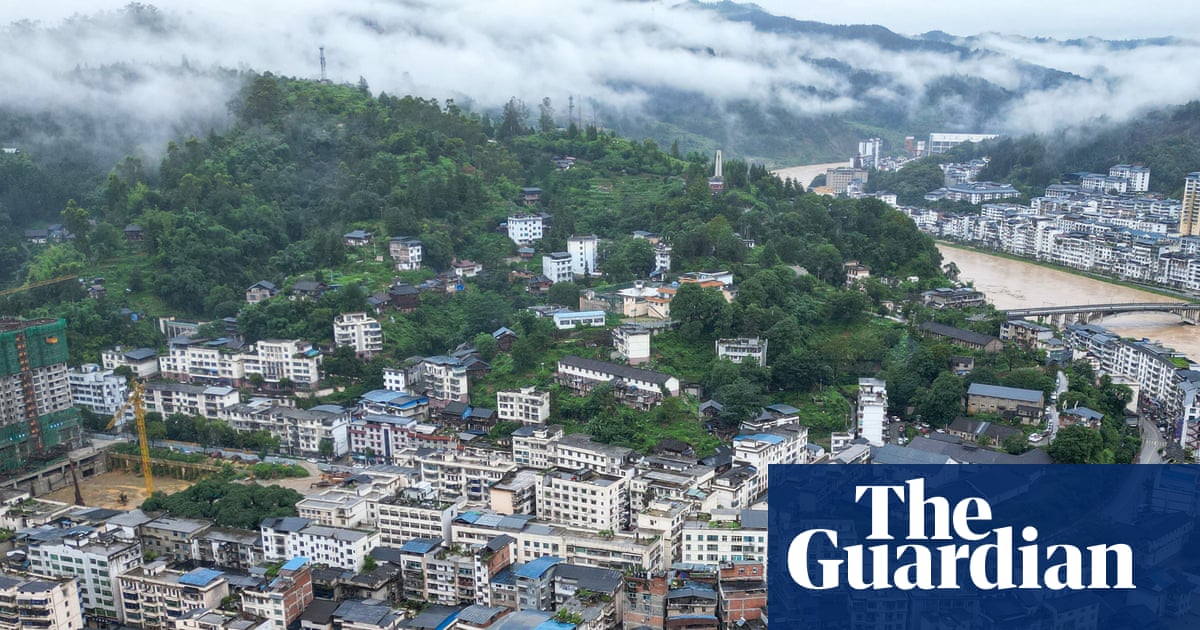
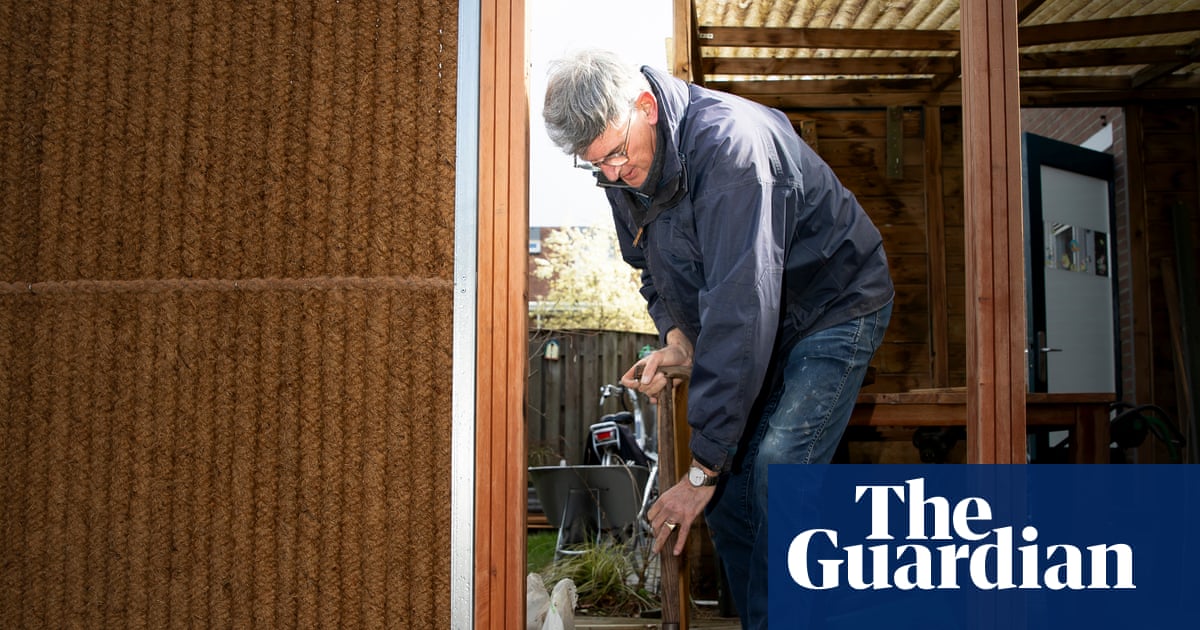
Humanity has long learned to live with extreme weather. Much of the Netherlands would be under water were it not for centuries of ingenious adaptation to the constant threat of flooding. Likewise, ancient communities on the banks of the Tigris and Euphrates developed ways to capture and direct excess water to nourish and protect agriculture.
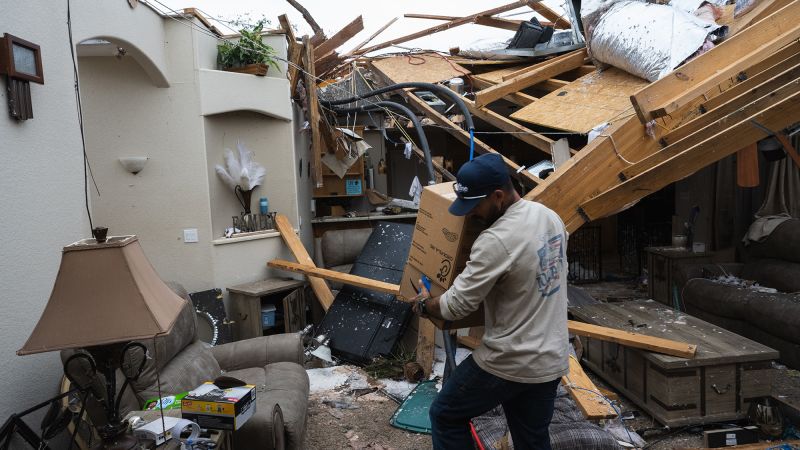
But the number of places exposed to extreme weather will only grow. According to a recent McKinsey Global Institute report, “Advancing Adaptation: Mapping Costs From Cooling to Coastal Defenses,” the world spends $190 billion per year on investments in 20 key adaptation measures that protect roughly 1.2 billion people. But 3 billion more people, over three-quarters of whom live in low-income regions, have only limited protection.
Extending developed-economy standards of protection to all exposed places would require $540 billion annually. That means there is a $350 billion gap, 60 percent of which is needed to help low-income areas build greater resilience. Moreover, adaptation costs will rise. On current emissions trajectories, the world is likely to reach 2 C above pre-industrial levels by about 2050, exposing an additional 2.2 billion people to heat stress and another 1.1 billion to drought.