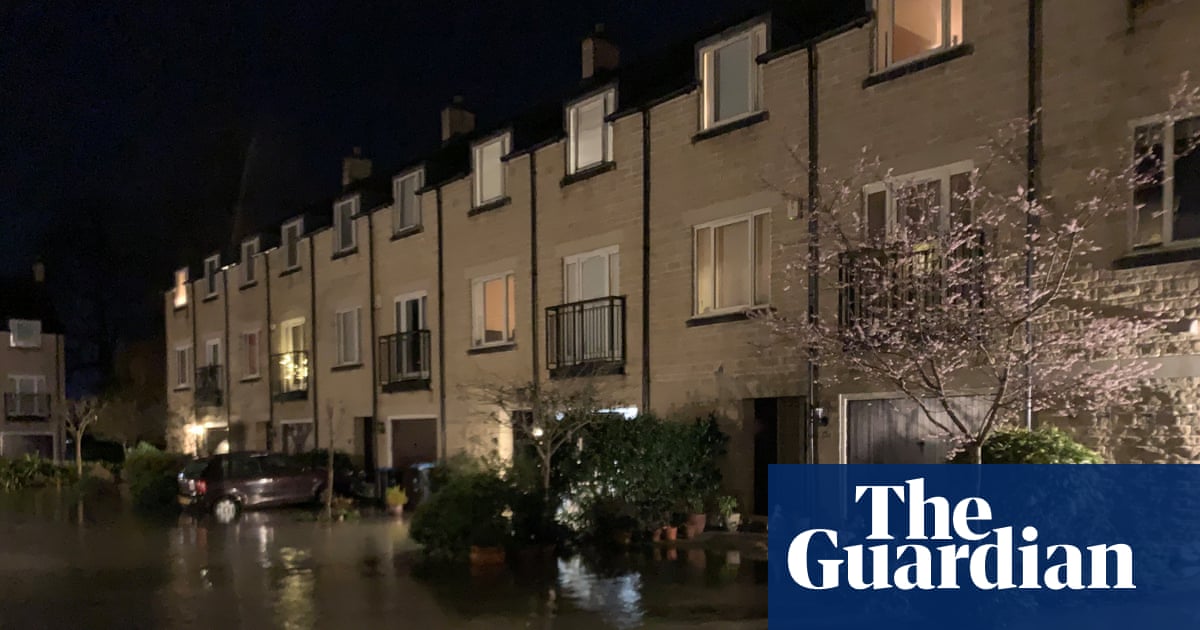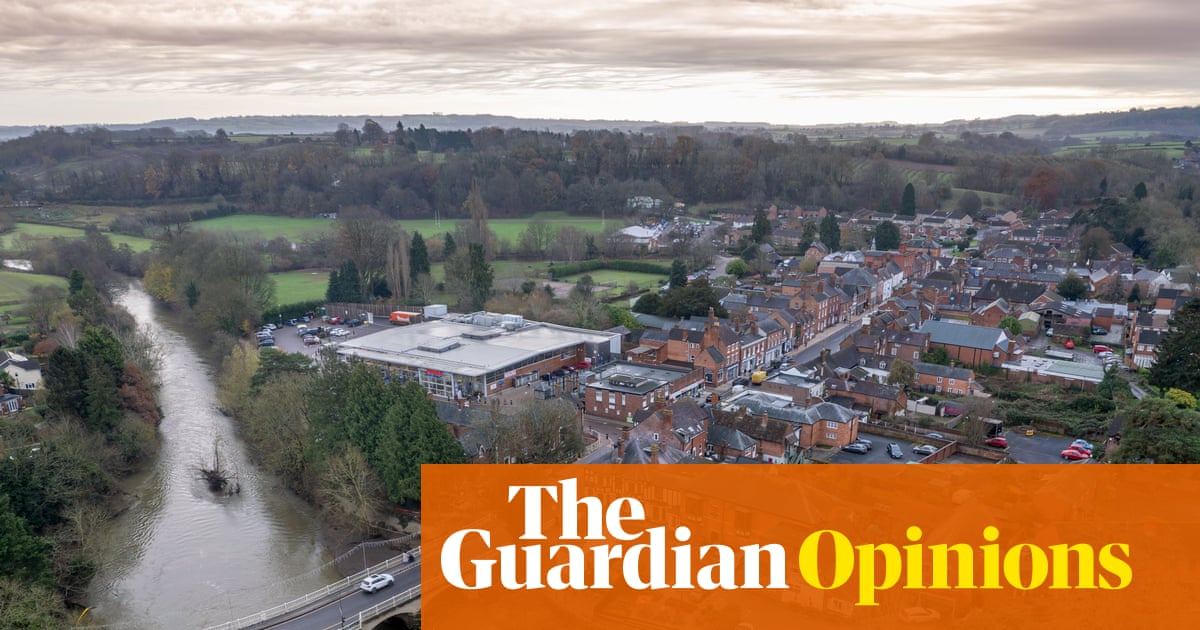
The bleak future faced by one small town offers a cautionary tale about the threat from global heating
T
he bleak prospect facing the market town of Tenbury Wells in Worcestershire, due to rising flood risks, is first and foremost a problem for locals. After seven floods in four years, and with plans for new flood defences around the town abandoned after costs rose to £30m, the town council announced this month that three buildings it owns, including a theatre and historic pump rooms, no longer have insurance. Independent retailers are in a similar situation, and some are packing up as a result. The number of empty properties is growing.
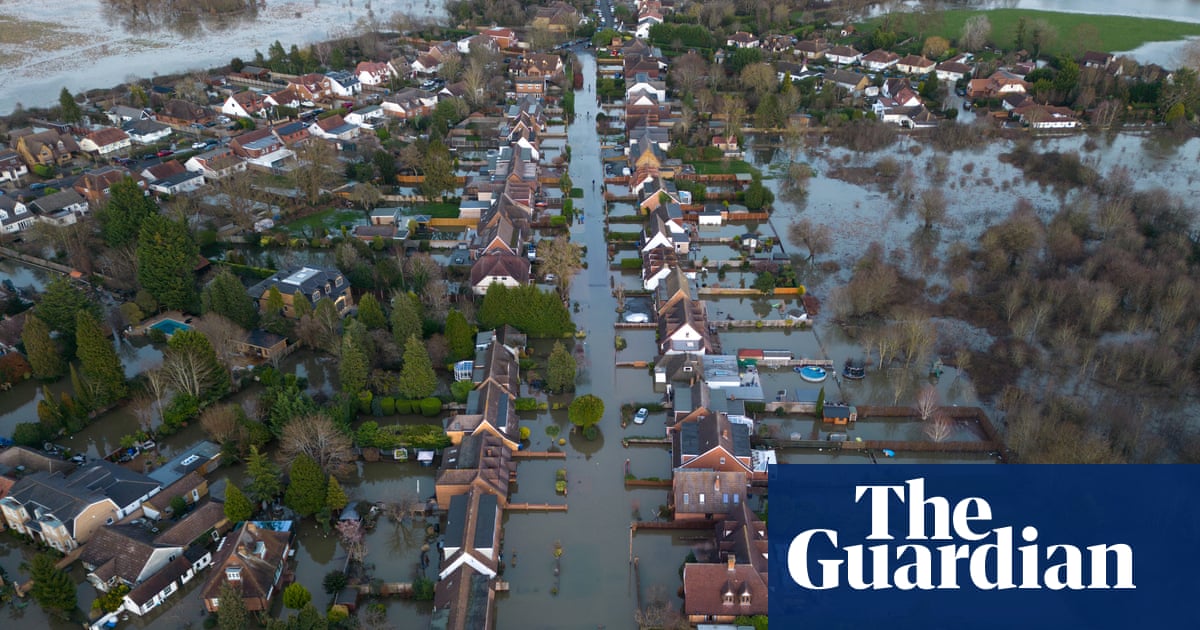
Tenbury is at higher risk than most places from floods, due to its low-lying position between the River Teme and Kyre Brook. But the threat it faces is not unique, and will become more common in future. Last year UK insurers paid out a record £585m for weather-related damage to homes and possessions, after unusually severe storms led to floods in several counties, with buildings left under water in towns including Henley, Wellingborough and Tewkesbury.
Analysis by Aviva, the insurance company, found that the number of properties at risk from flooding in England is likely to rise from 6.3m to 8m by the middle of this century. In some neighbourhoods in south-east London, and the towns of Boston and Skegness in Lincolnshire, 90% of homes are projected to be at risk.