Elsewhere, area of low pressure off Iberian peninsula brings lashings of heavy rainfall to southern Portugal and Spain
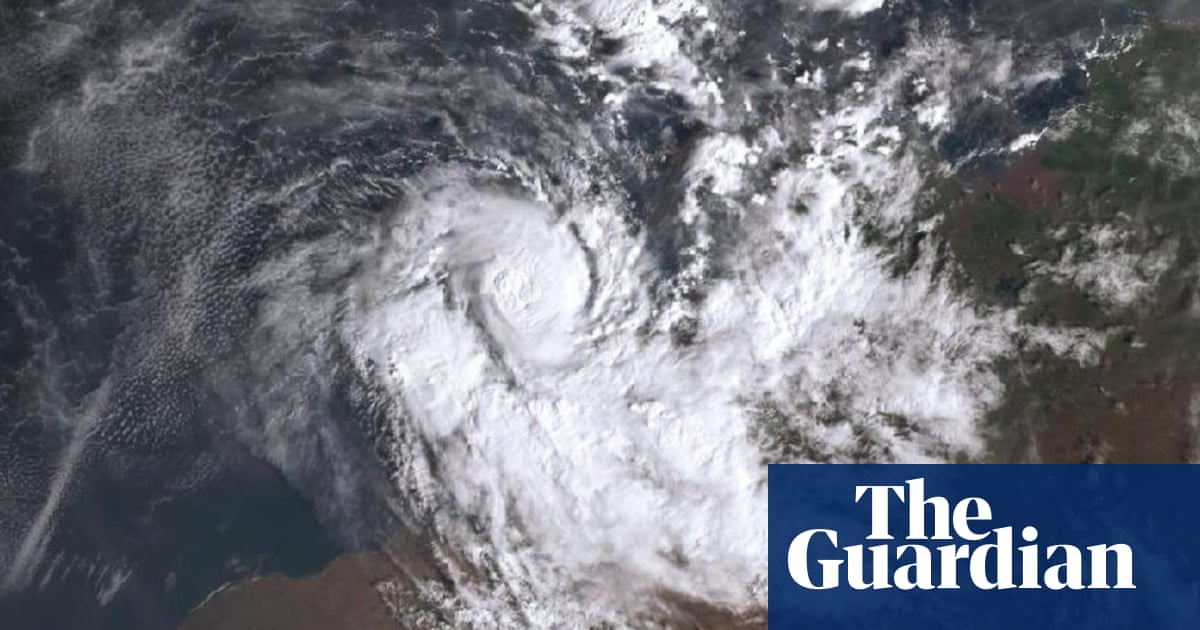
After a recent heatwave affected large parts of Australia before Christmas, Cyclone Hayley made landfall along the north-west coast on Tuesday night. Hayley formed on 28 December in the southern Indian Ocean and steadily intensified on a path south towards the north coast of Western Australia.
The system became a category 2 storm at its peak on Wednesday with sustained winds of 105mph. After some weakening, Hayley crossed the Dampier peninsula near the town of Lombadina, still bringing intense winds and heavy rainfall. Hayley prompted a series of weather warnings from Australia’s Bureau of Meteorology noting the potential for flash flooding and damage to property.
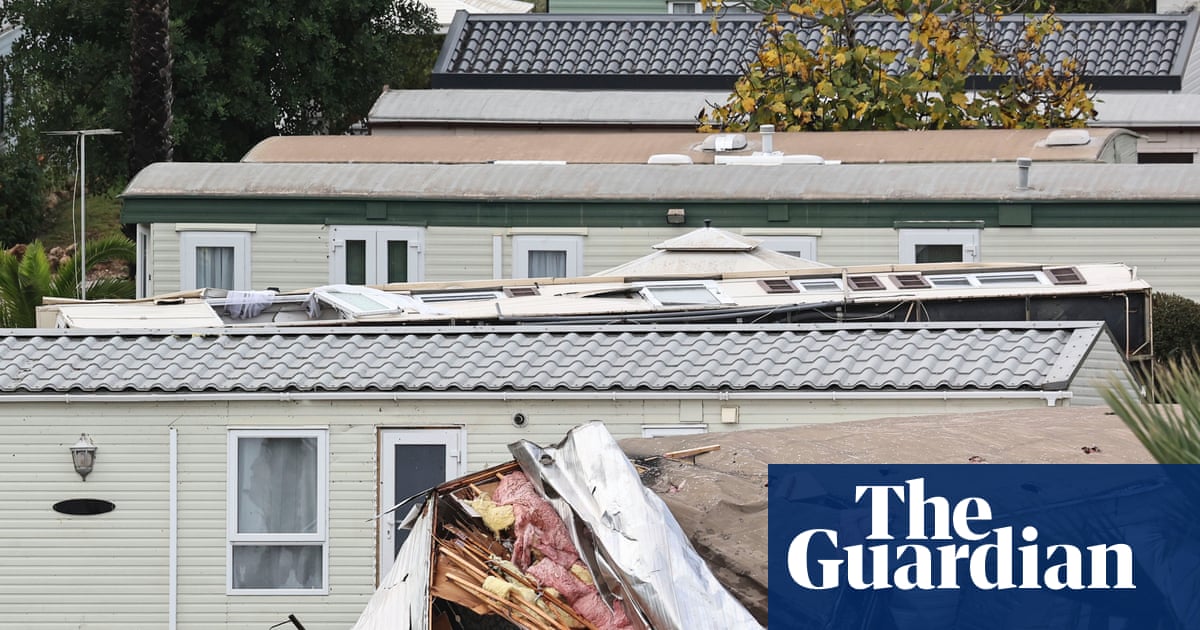
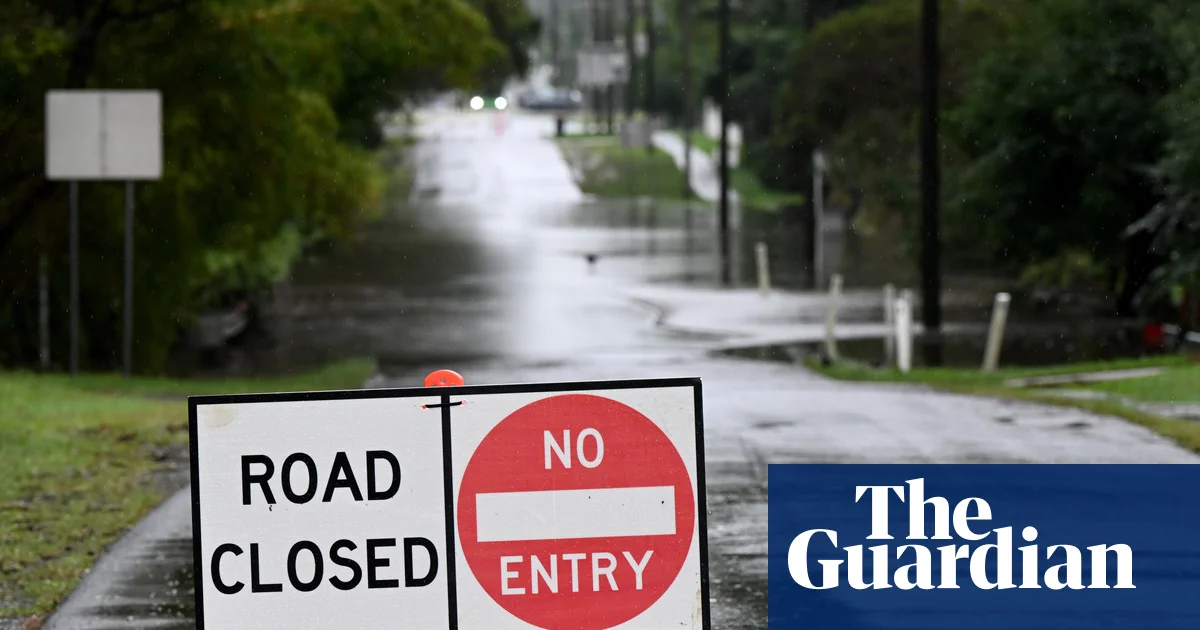
The affected stretch of coastline is a more sparsely populated part of Australia’s coastline, but despite this, damage reports stated that two homes lost roofs, and roads were closed due to significant debris. The cleanup effort is expected to take weeks.
The north-west coast of Australia does experience the effects of cyclones, with the south Indian Ocean cyclone season running from October to May each year. December has turned into an active month for tropical cyclones in the waters surrounding Australia with five storms so far this year including Hayley.