TASS-FACTBOX, January 1. As New Year has arrived, the TASS-FACTBOX team has compiled a report on customs, decorations, and characters associated with this holiday.
The custom of decorating Christmas trees dates back to biblical myths. One legend recounts that a fir-tree, an olive tree, and a palm grew near the cave where Jesus Christ was born. When the Guiding Star appeared in the skies to announce that the Savior was born for all, the olive tree produced its golden fruit, the palm provided shelter from the heat, and the evergreen conifer stood aside. A miracle occurred as stars shot from the sky and transformed the tree.
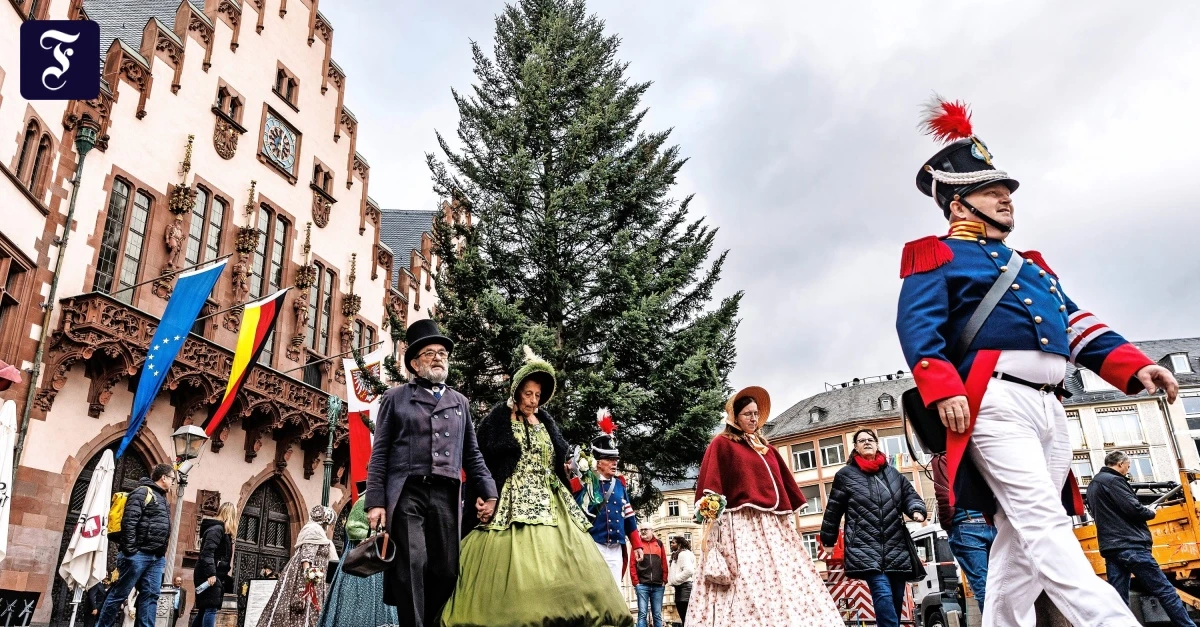
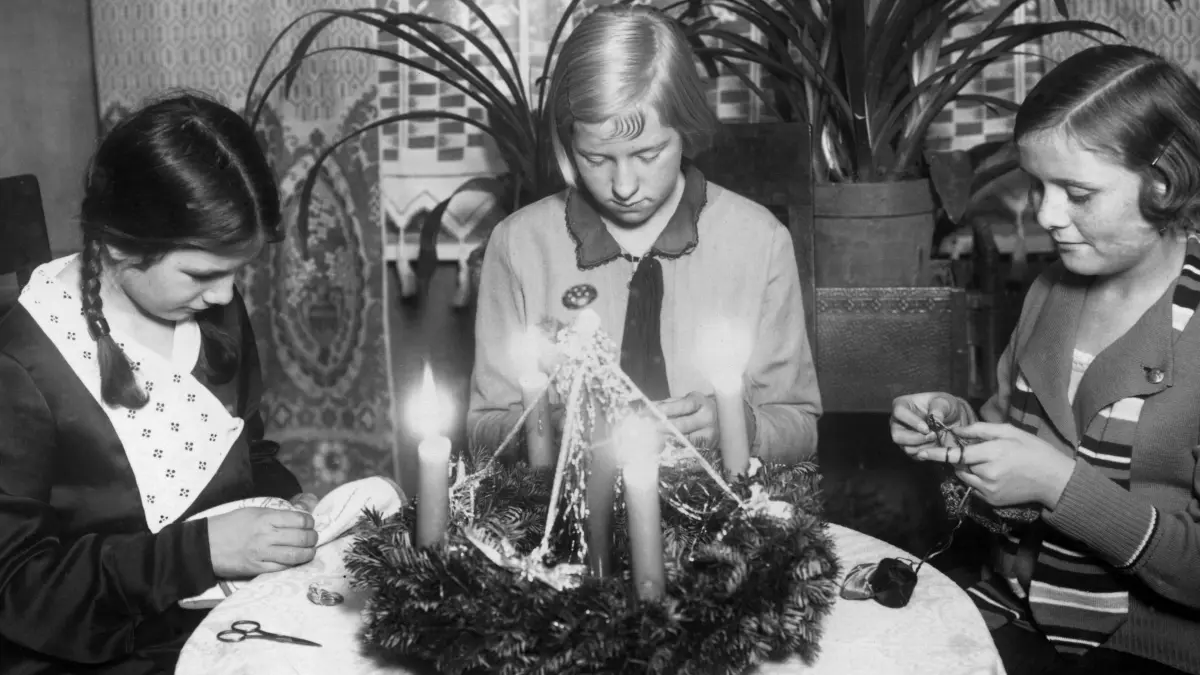
Several alternative stories exist about the origins of the Christmas tree decoration tradition, many linked to Christianity. However, ancient Germans celebrated Yule, a medieval mid-winter festival aligned with the winter solstice. They decorated forest trees, lit candles, and performed rituals to appease forest spirits. They also placed evergreen branches inside homes, believing these symbols of endurance, health, and longevity. As Christianity spread, most pagan rituals took on new meanings, and Yule was completely replaced with Christmas by the 15th-16th centuries. Still, these traditions endured, and fir trees remained a feature of Christmas celebrations. Initially, trees were placed outdoors, but eventually, a tradition emerged of decorating them inside homes. It is known that, in 1419, apprentices at a bakery in Freiburg decorated a fir tree outside a Catholic hospital for the poor with apples, nuts, and gingerbread. By the 16th century, the custom of placing Christmas trees spread throughout Germany, with decorated conifers remaining until New Year. Over time, the tradition spread across Europe and eventually to America.