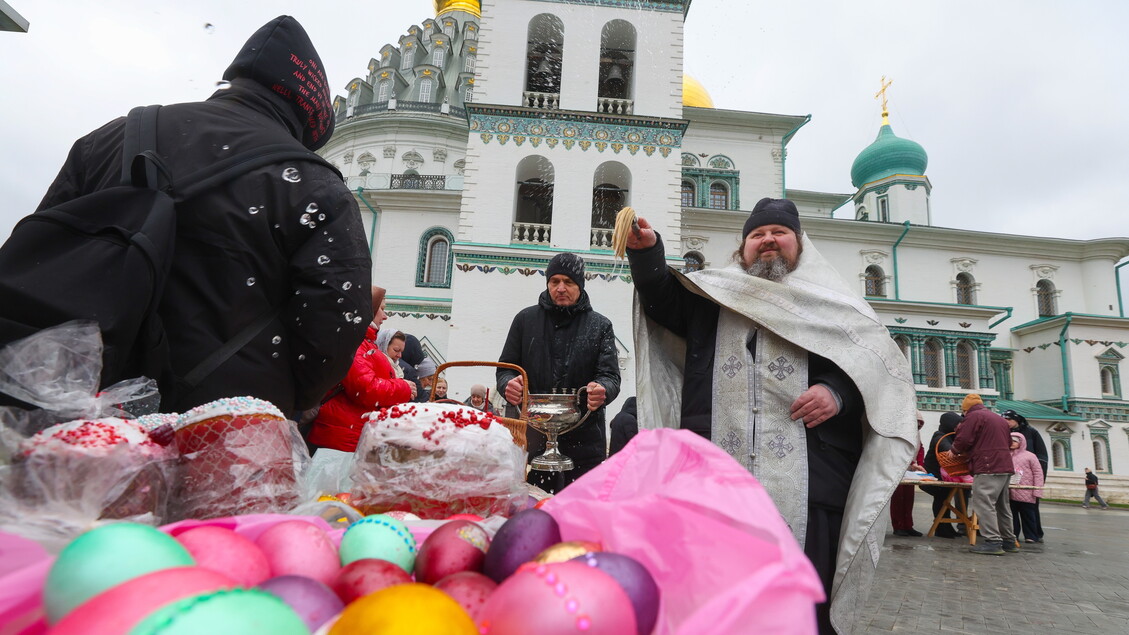
Dec. 31 (UPI) -- At the end of the year, celebrations of different meanings overlap and intertwine in what are often called the "Paschal festivities."
The concept of Pascha predates modern religions and worldviews, emerging from humanity's earliest awareness of the cycles and transformations of nature and the cosmos. Long before formal belief systems, it expressed a shared human consciousness of change.
The word Pascha comes from the Latin Pascha, itself derived from the Hebrew Pesach. Its original, primordial meaning is "passage."
At its core lies the idea of transition: a change in natural cycles, a shift in spiritual state, or a transformation in cultural trajectory. It is a duality deeply rooted in human history, with death giving way to birth, darkness yielding to light, cold to warmth, and the sun's descent followed by its renewed rising.
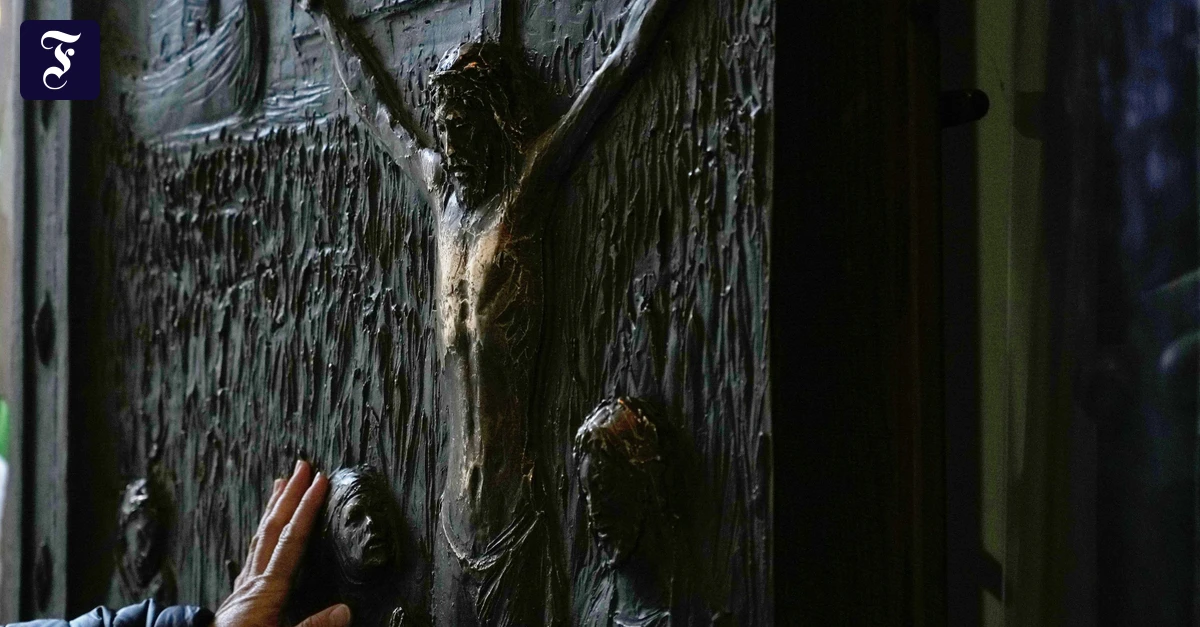
In historical time, this idea of passage became central to religious traditions. Judaism adopted it in remembrance of the Exodus from Egypt, while Christianity later reinterpreted it to symbolize Christ's passage from death to resurrection.