Kirik is a 41-year-old real estate agent. His older brother, Ilja, is a journalist. Unlike many other people in this distant town of Narva in Estonia, the brothers are approachable and speak to a foreign journalist in English with ease about their lives in the shadow of a neighbouring war.
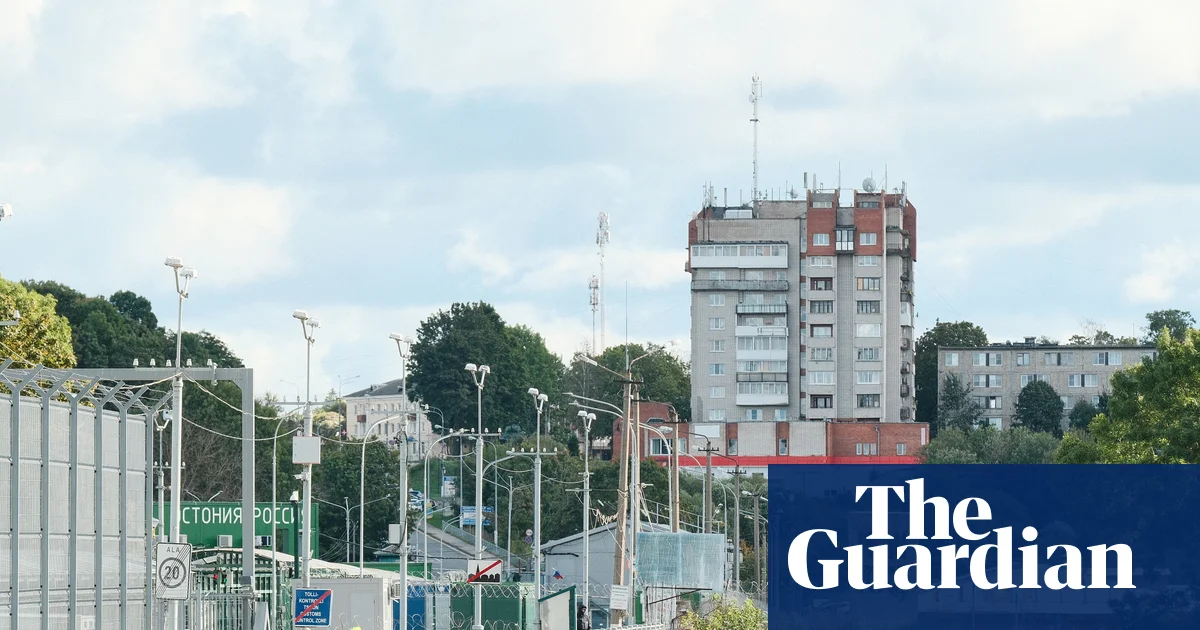
Some 201 km away from capital Tallinn, Narva is the most Russian speaking town of Europe with over 96% Russian speakers among its roughly 53,000 residents. The Narva river flows into the Russian Federation barely 101 metres away and the forests lead to highways nearly 250 km away from St. Petersburg.
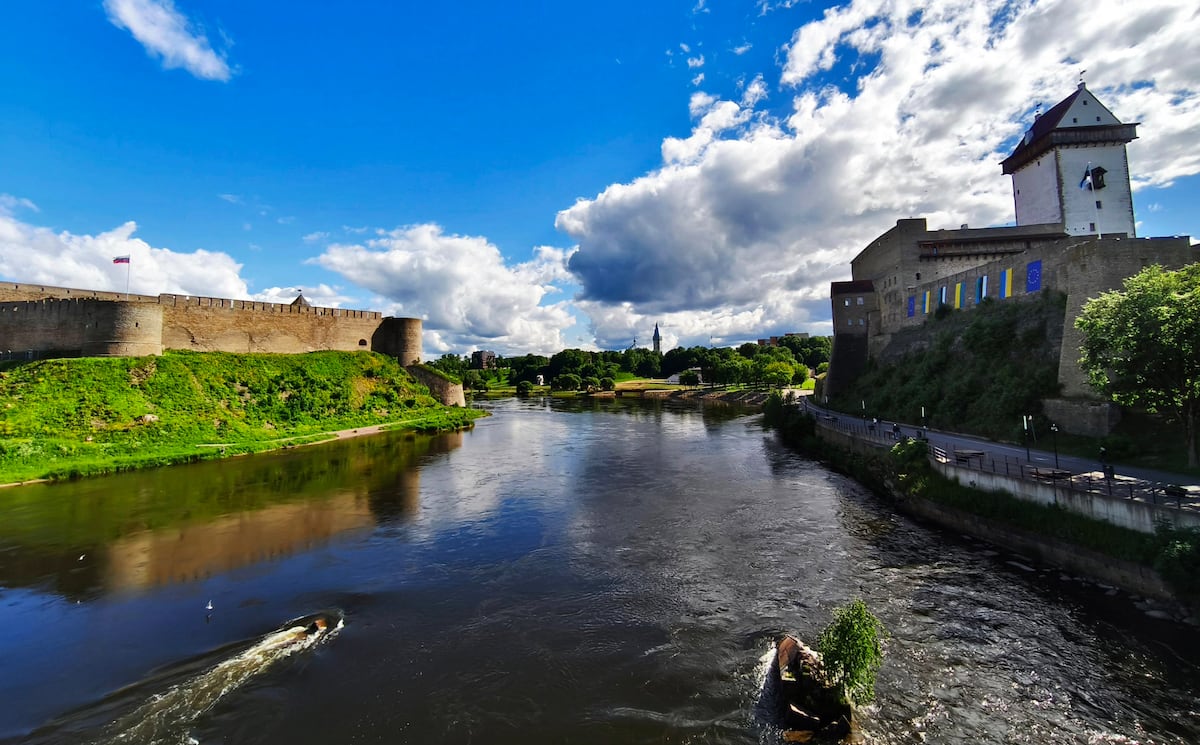
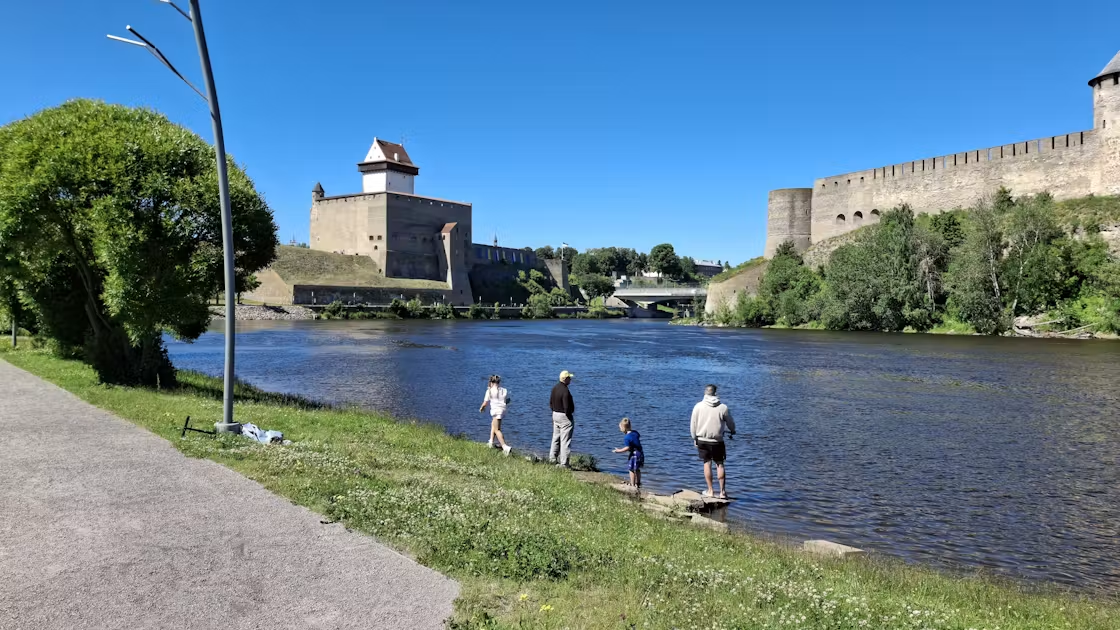
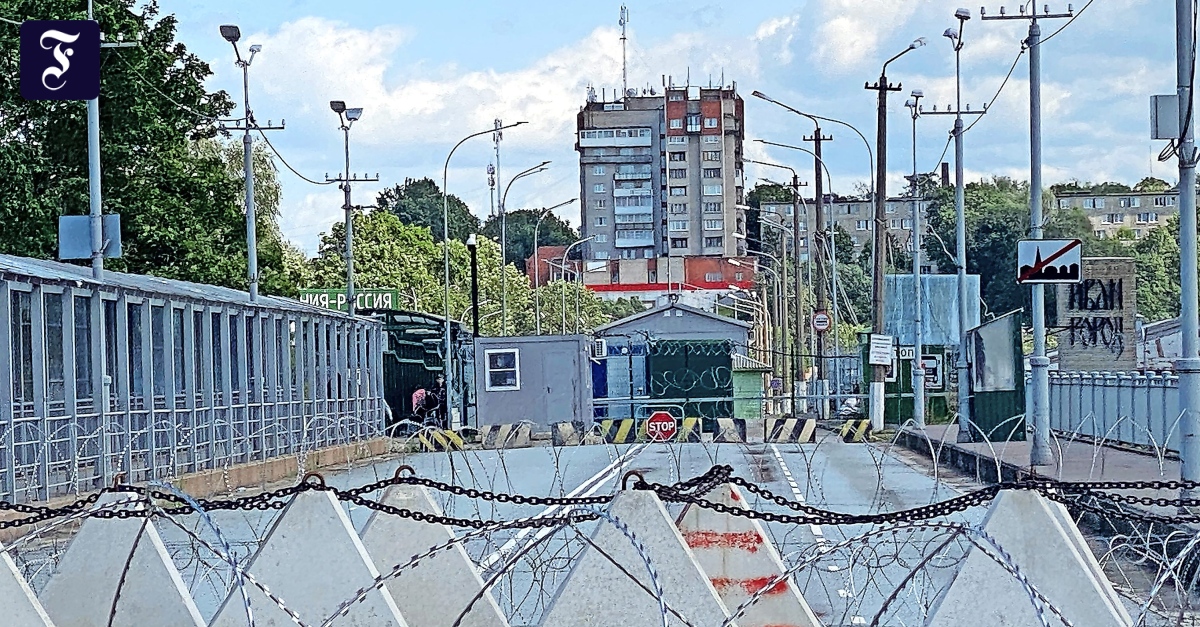
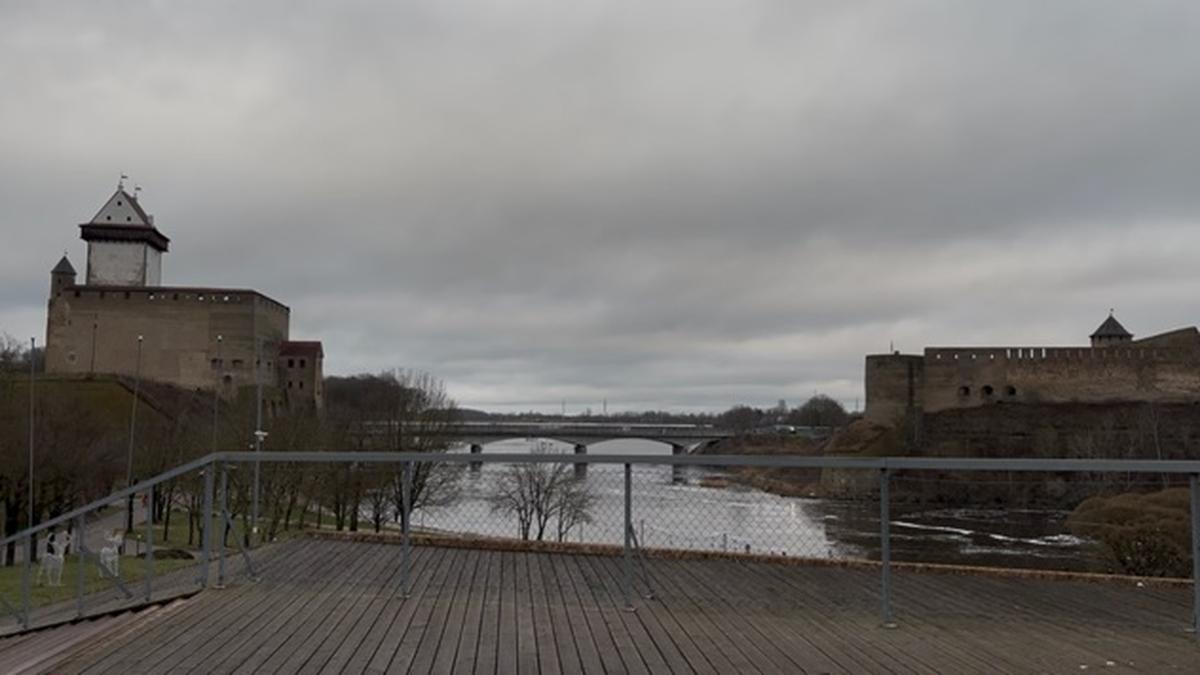
A small nostalgic Friendship Bridge, over the dark grey river with white foam on the surface, connects the magnificent Hermann’s castle on the Estonian side built by the Danes in the 13th century to the Ivangorod Fortress built by Russian Tsar Ivan III in 1492. Both historical monuments were controlled by different conquering forces until the Estonians broke free from five decades of Soviet occupation in 1991 and the river border divided the countries. A new bridge replaced the 19th century one destroyed during the large-scale bombing of the Baroque Pearl of the Baltic in the Second World War.
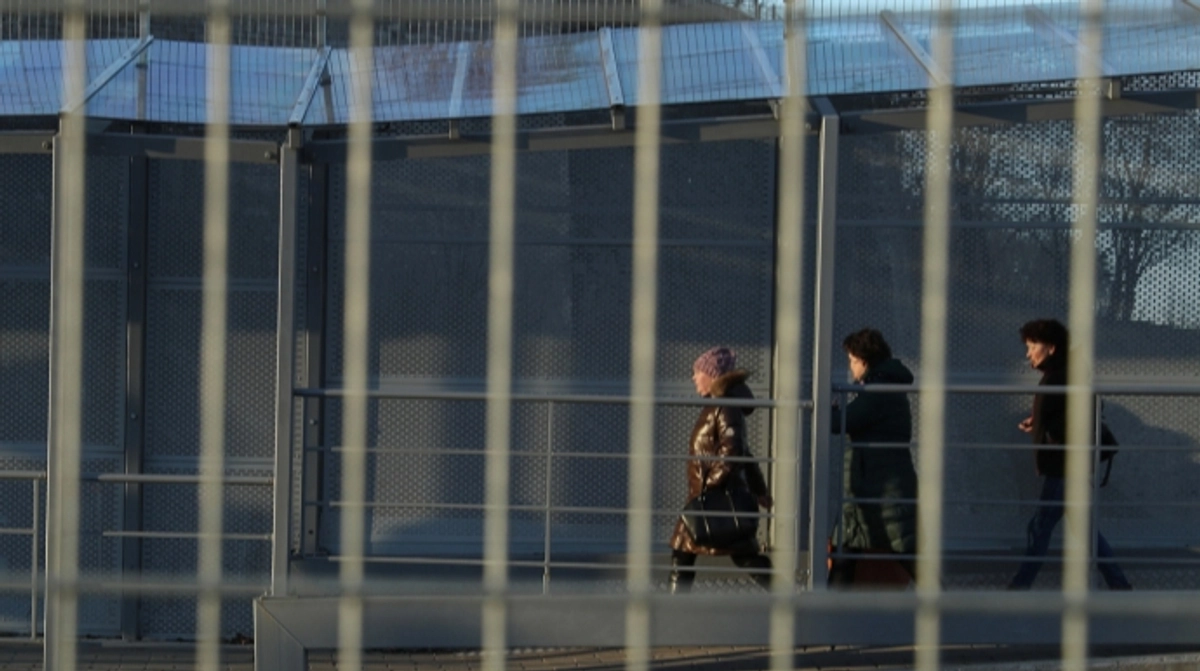
But polarisation, instead of ‘friendship’, is the lived reality here today. Half the population in Narva are Estonian citizens, 33.2% are Russian citizens and 12.5% without any citizenship — those stateless citizens with grey passports issued to ethnic Russians who were relocated during the Soviet era, but post Estonian independence refused to sign up for either nationality. Many of them belong to Crimea, Georgia or other conflict zones in the region.