Exclusive: Scientists uncovered biological strands using artificial intelligence and hope discovery will revolutionise treatment
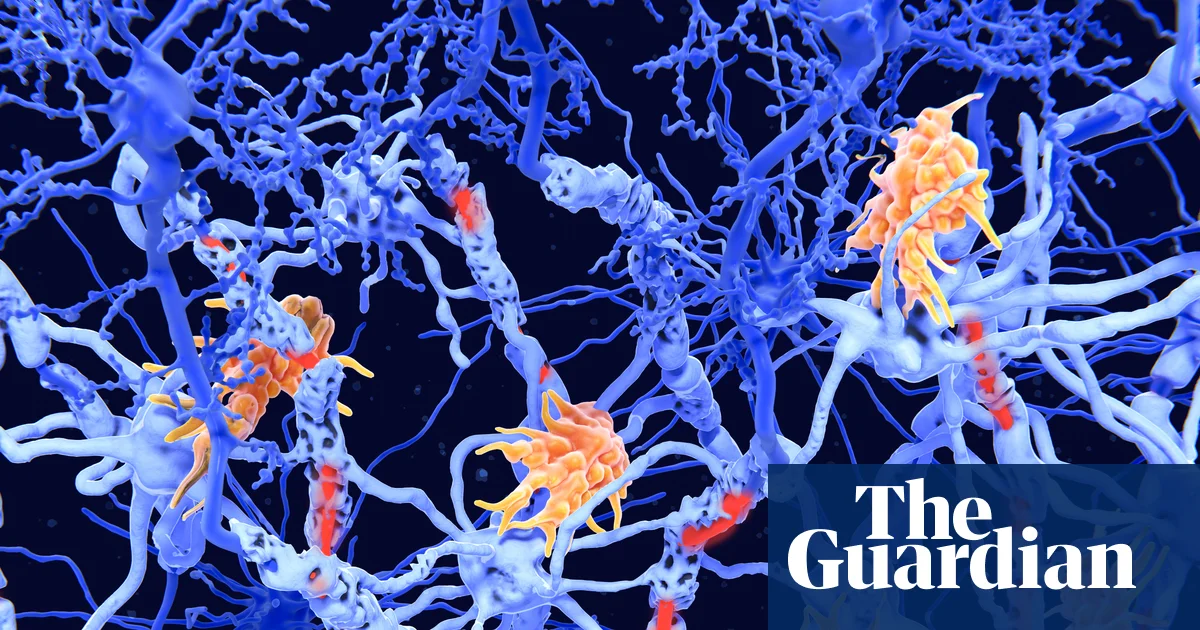
Scientists have discovered two new subtypes of multiple sclerosis with the aid of artificial intelligence, paving the way for personalised treatments and better outcomes for patients.
Millions of people have the disease globally – but treatments are mostly selected on the basis of symptoms, and may not be effective because they don’t target the underlying biology of the patient.
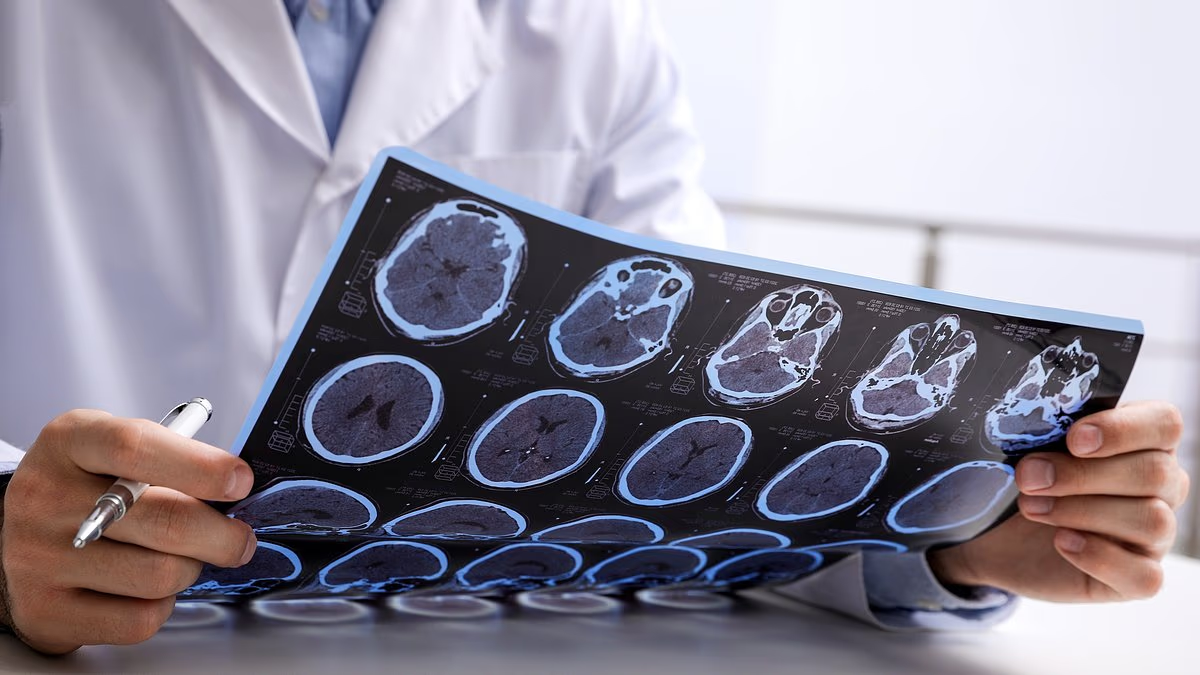
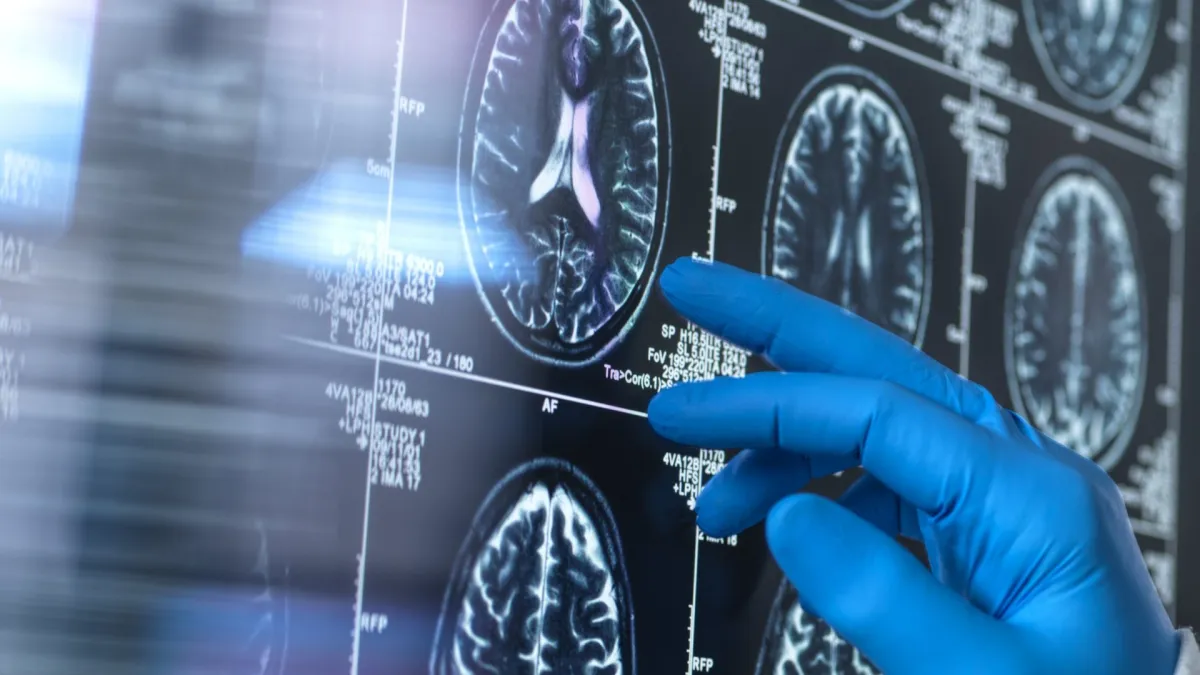
Now, scientists have detected two new biological strands of MS using AI, a simple blood test and MRI scans. Experts said the “exciting” breakthrough could revolutionise treatment of the disease worldwide.
In research involving 600 patients, led by University College London (UCL) and Queen Square Analytics, researchers looked at blood levels of a special protein called serum neurofilament light chain (sNfL). The protein can help indicate levels of nerve cell damage and signal how active the disease is.